West Virginia ranks near the middle of the pack on the Index, with some competitive elements and others that could use improvement. The Mountain State recently reduced its individual income tax rates, with a current top rate of 4.82 percent. The legislature has adopted revenue triggers that will continue to phase in rate reductions subject to revenue availability. However, West Virginia has a 6.5 percent corporate income tax rate, which is higher than the national average. In the future, if the state chooses to forgo distortive tax credits for jobs, R&D, and investments, a lower tax rate on all corporate income could be achieved. West Virginia does benefit, however, by conforming to the federal bonus depreciation allowance under Section 168(k) and the federal treatment of net operating losses (NOLs).
West Virginia has a relatively competitive sales tax rate and a low effective property tax rate on owner-occupied housing. However, West Virginia’s taxes on tangible personal property create distortions, especially its harmful taxes on business inventory. Furthermore, West Virginia recently implemented split roll treatment of property, introducing non-neutrality into the tax code by encouraging investment in certain classes of property over others. Under a split roll system, classes of property can be pitted against each other, changing incentives to own or invest in different kinds of property, and allowing local policymakers to ratchet up tax burdens without being seen as raising taxes on homeowners. Some West Virginia localities also impose gross receipts taxes, called Business & Occupation taxes.
Imposing sales taxes on rental car companies’ fleet purchases, in addition to the sales and rental car excise taxes levied when those cars are rented, yields double taxation and causes harmful tax pyramiding.
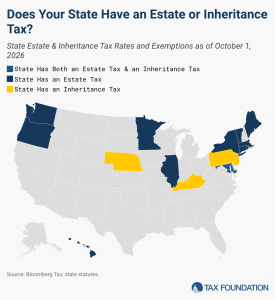
In addition to the federal estate tax, which has a top marginal rate of 40 percent, 12 states and the District of Columbia impose estate taxes, while five states levy inheritance taxes.
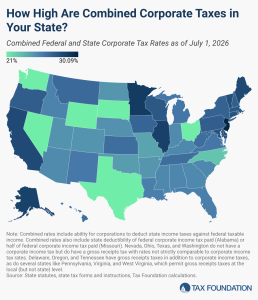
Corporations in the United States pay federal corporate income taxes levied at a 21 percent rate. Forty-four states and DC also levy taxes on corporate income, with top marginal rates ranging from 2.5 percent in North Carolina to 11.5 percent in New Jersey.