Connecticut’s tax code includes all major tax types, and the state has historically ranked among the bottom 10 on the Index. Connecticut has one of the most complex and least neutral individual income tax systems in the nation, featuring seven tax brackets with a top marginal rate of 6.99 percent and a recapture provision that eliminates the benefit of lower brackets, effectively taxing all income at the taxpayer’s highest marginal rate. Additionally, tax brackets and the personal exemption are not adjusted for inflation.
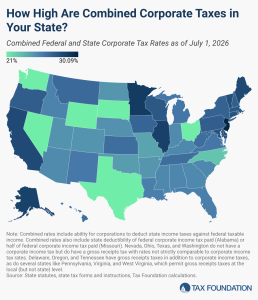
Connecticut’s baseline corporate income tax rate is high at 7.5 percent, though still lower than in other New England states, such as Massachusetts and Delaware. However, the state imposes a 10 percent surtax on businesses with gross proceeds of $100 million or more, or those filing as part of a combined unitary group, which increases the total tax burden for large corporations. The state does not comply with federal bonus depreciation treatment, requiring businesses to add back any first-year expensing of capital investment taken at the federal level. A minimum tax is also imposed on corporations’ capital stock. This provision was slated for expiration, but the phaseout has now been extended until 2028. Connecticut does, however, offer appropriate treatment of net operating loss carryforwards and forgoes a harmful throwback rule.
The state’s sales tax rate of 6.35 percent is competitive both nationally and regionally, but the base includes some business inputs and excludes many final consumption goods and services, which limits the revenue-generating potential and reduces the neutrality of the sales tax system.
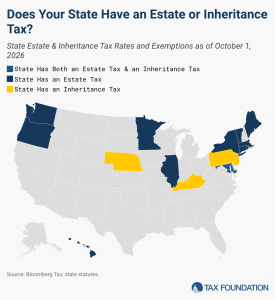
Connecticut also has one of the highest property tax burdens in the nation (relative to personal income) and imposes harmful estate and gift taxes, making the state less attractive to homeowners and high-net-worth individuals.
Imposing sales taxes on rental car companies’ fleet purchases, in addition to the sales and rental car excise taxes levied when those cars are rented, yields double taxation and causes harmful tax pyramiding.
In addition to the federal estate tax, which has a top marginal rate of 40 percent, 12 states and the District of Columbia impose estate taxes, while five states levy inheritance taxes.
Corporations in the United States pay federal corporate income taxes levied at a 21 percent rate. Forty-four states and DC also levy taxes on corporate income, with top marginal rates ranging from 2.5 percent in North Carolina to 11.5 percent in New Jersey.