Skip to content

Taxes In Connecticut

2026 Connecticut Tax Rates, Collections, and Burdens

How Do Connecticut Taxes Compare to Other States?

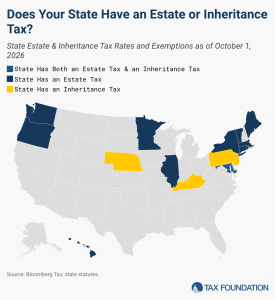
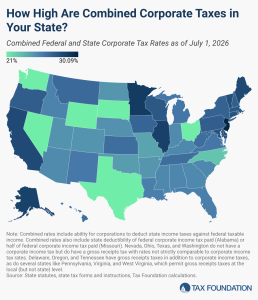
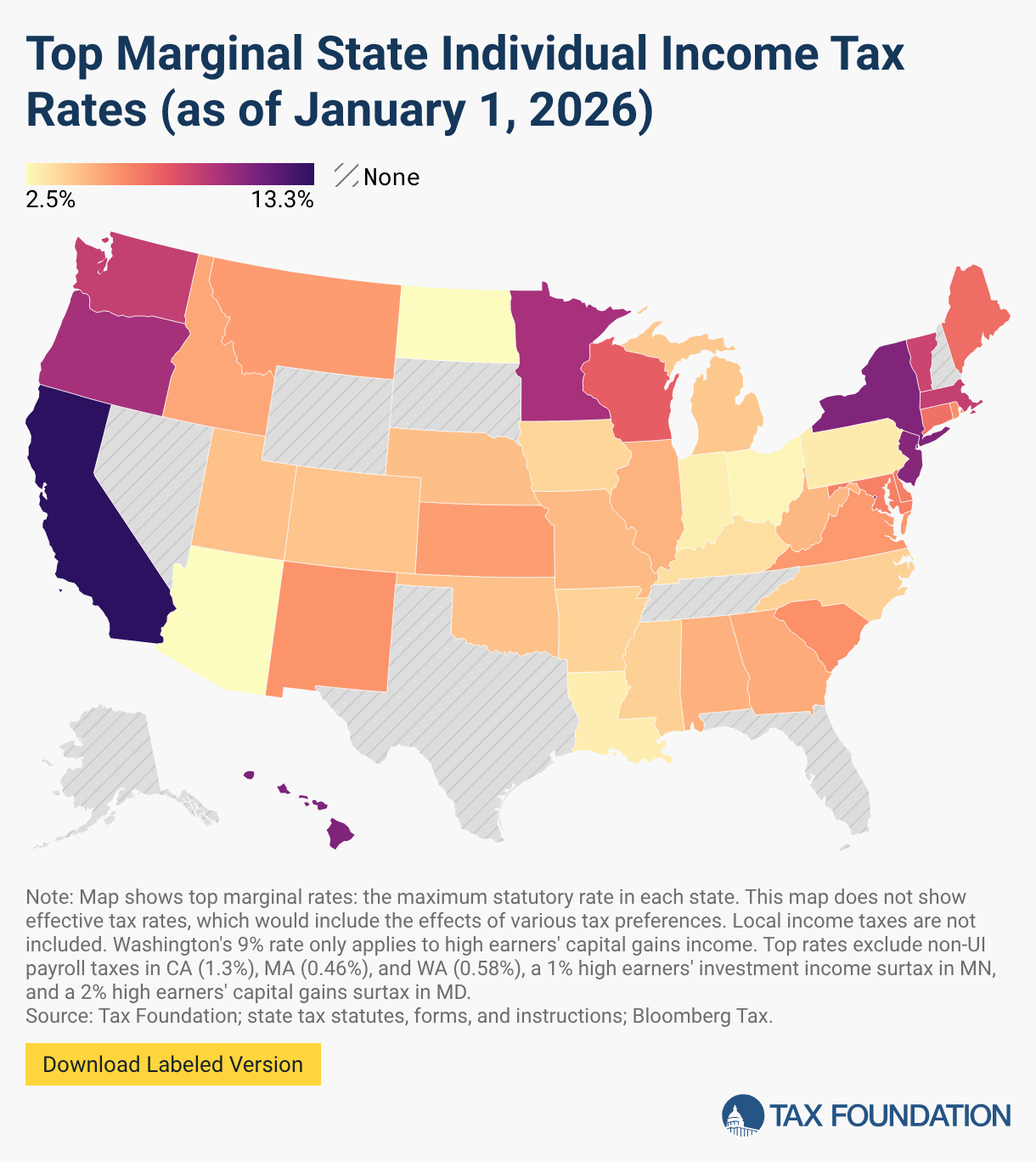
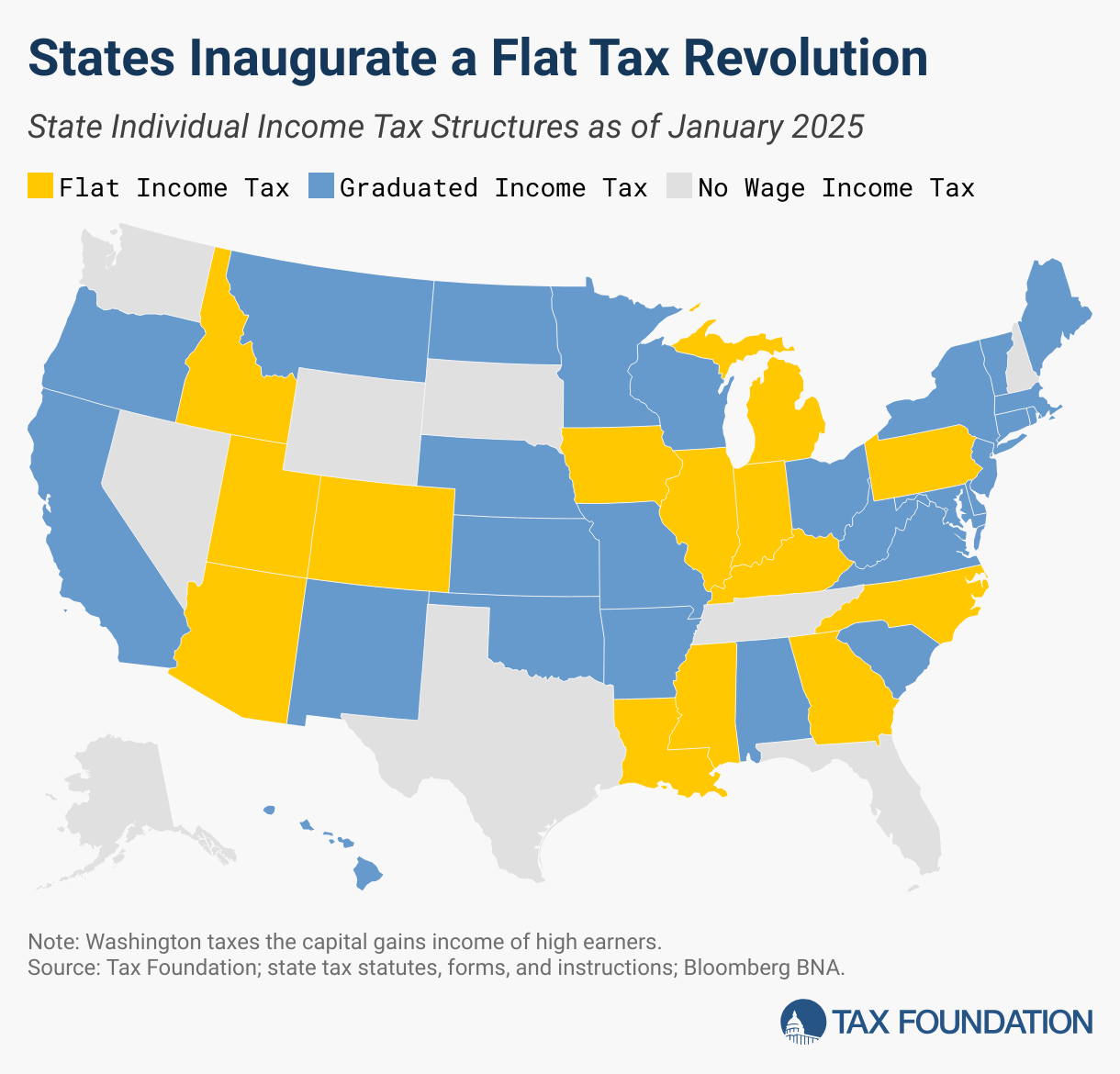
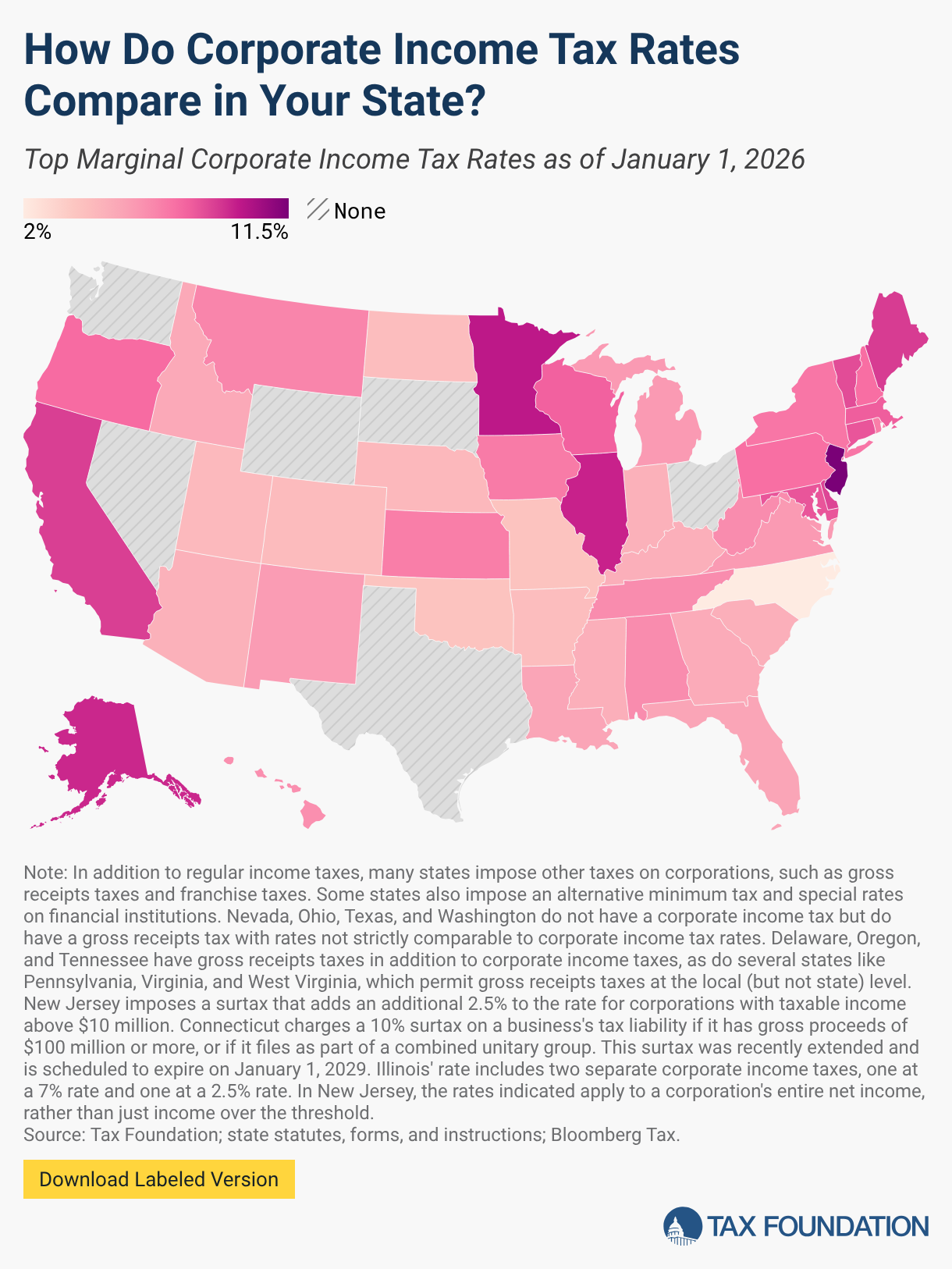
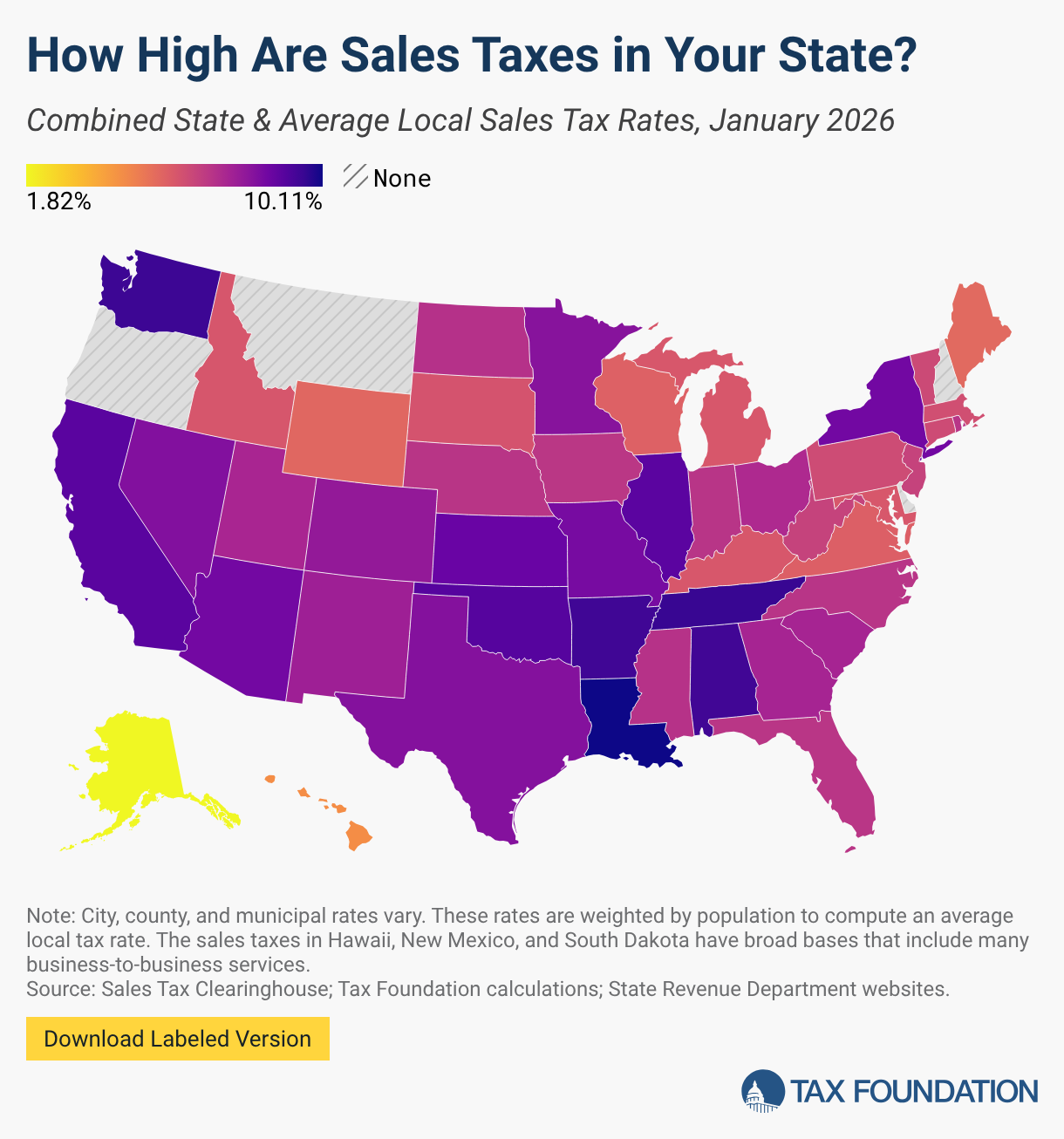
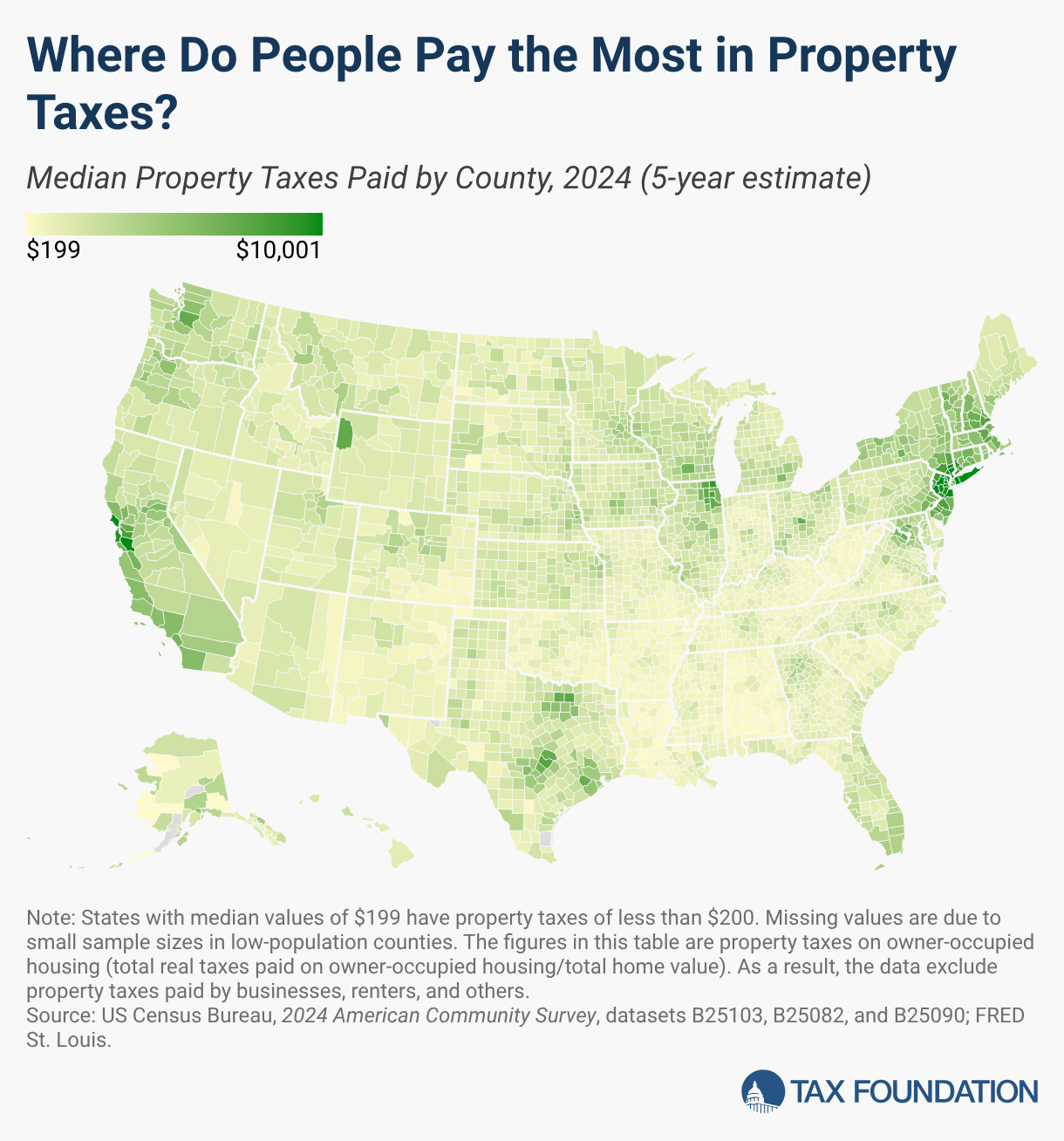
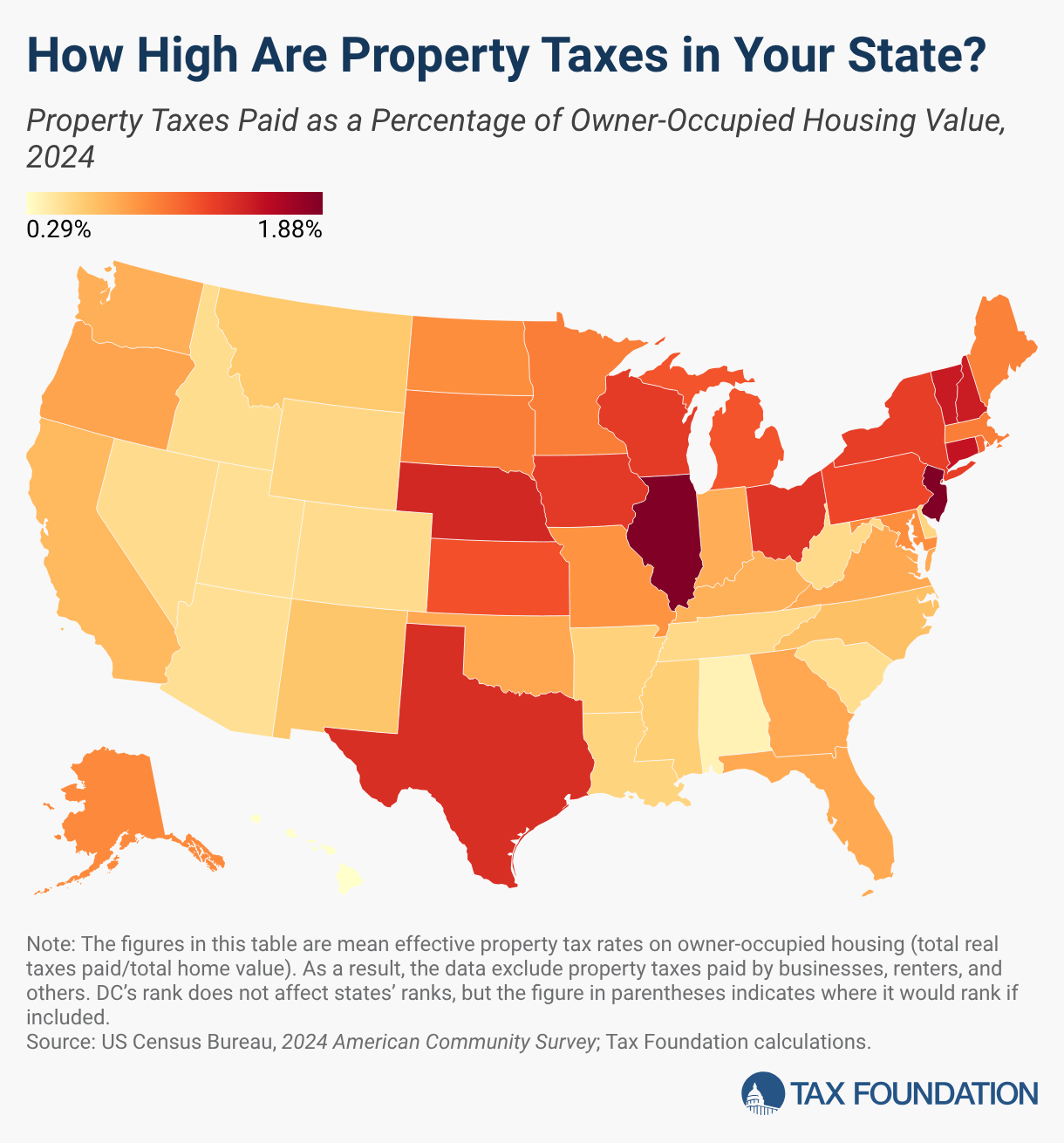
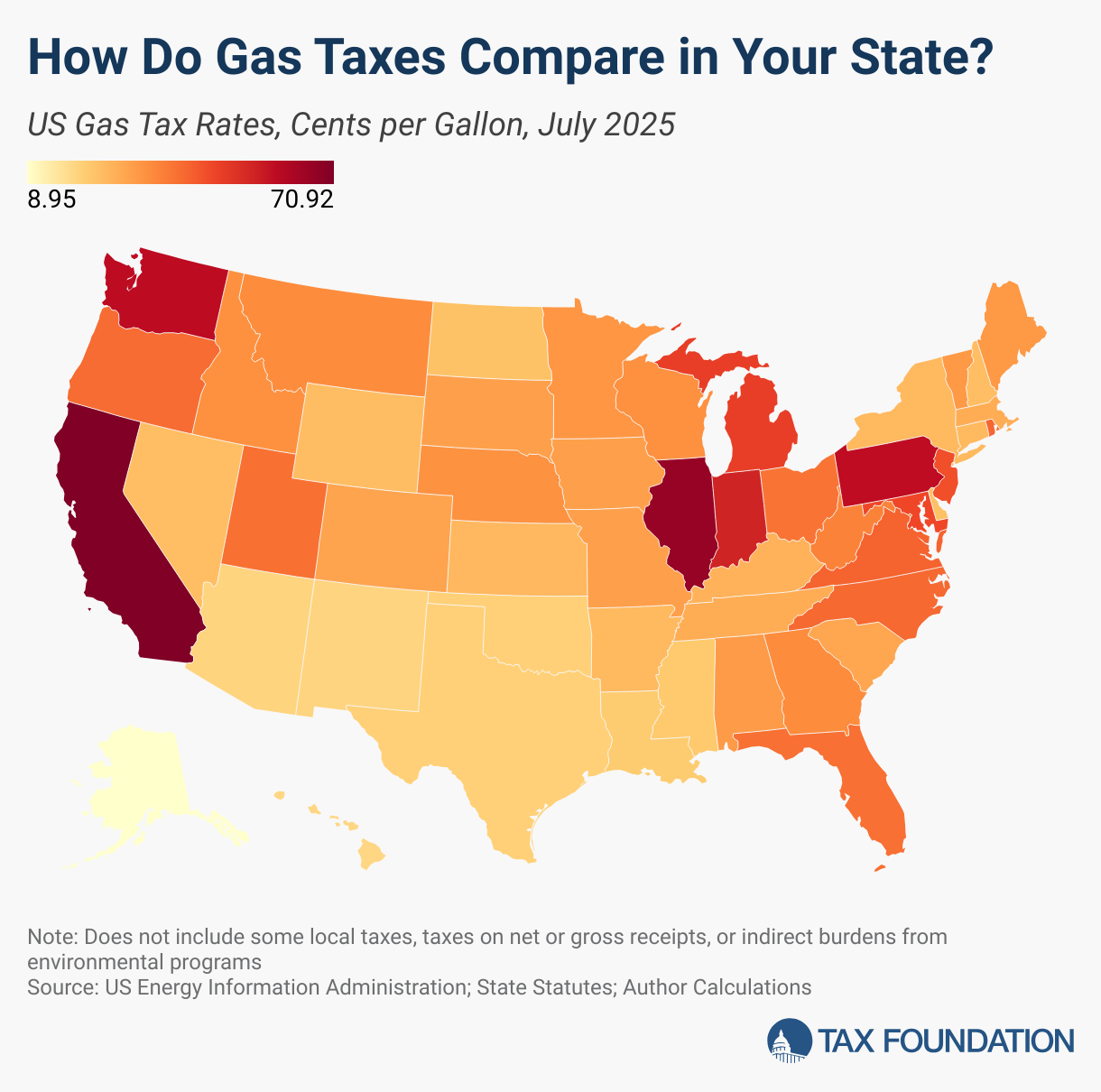
Connecticut has a graduated state individual income tax, with rates ranging from 2.00 percent to 6.99 percent. Connecticut has a 7.50 percent corporate income tax rate, a 6.35 percent state sales tax rate, and an average combined state and local sales tax rate of 6.35 percent. The Connecticut corporate income tax includes a 10 percent surtax that effectively results in a top rate of 8.25 percent for businesses with $100 million or more in annual income. Connecticut has a 1.54 percent effective property tax rate on owner-occupied housing value. Connecticut has an estate tax. Connecticut’s gas tax is 25 cents per gallon, but the state additionally levies an 8.1 percent petroleum gross earnings tax. Connecticut’s cigarette excise tax is $4.35 per pack of 20 cigarettes.

Connecticut Tax Rankings, Debt, and Tax Revenue

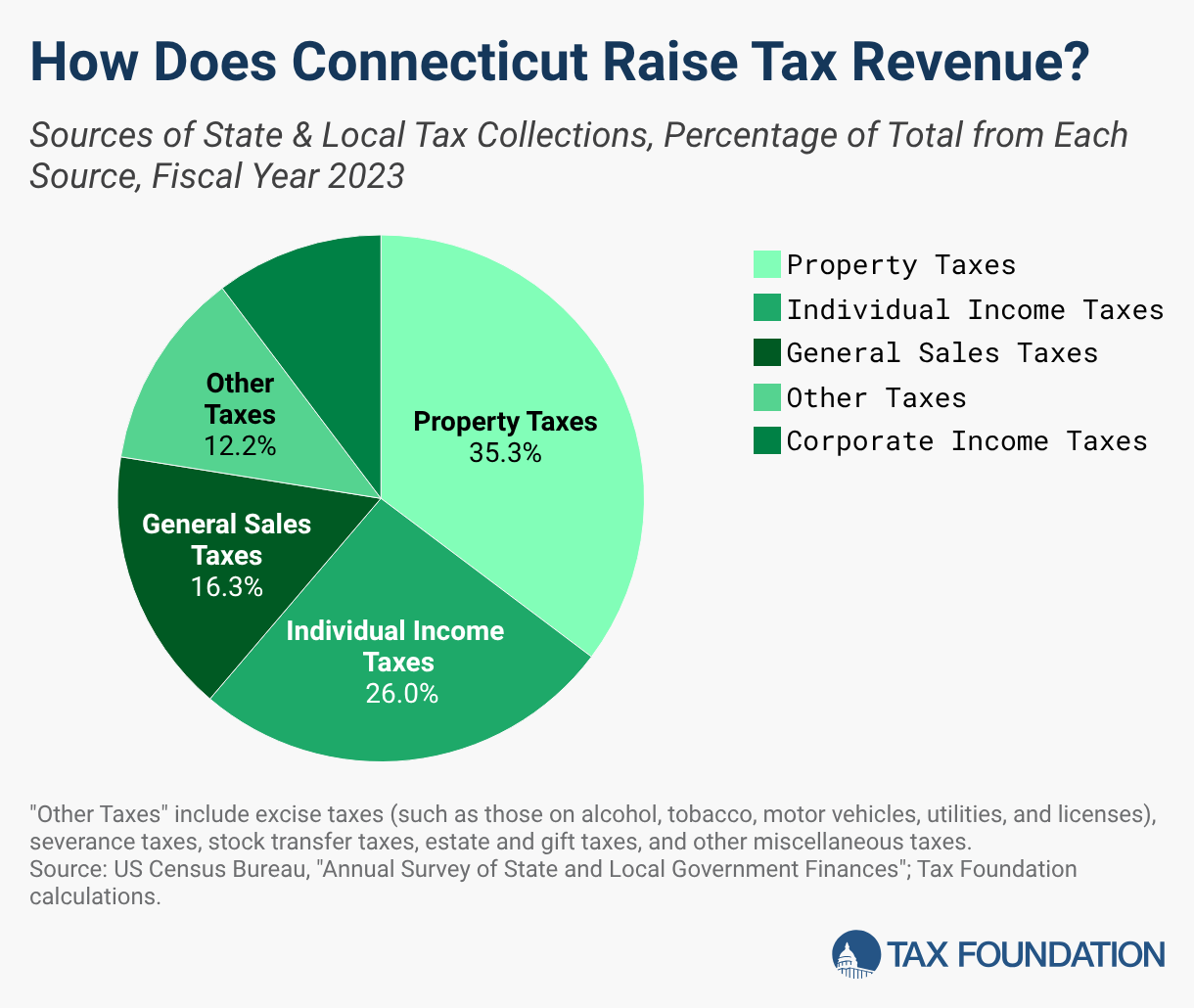
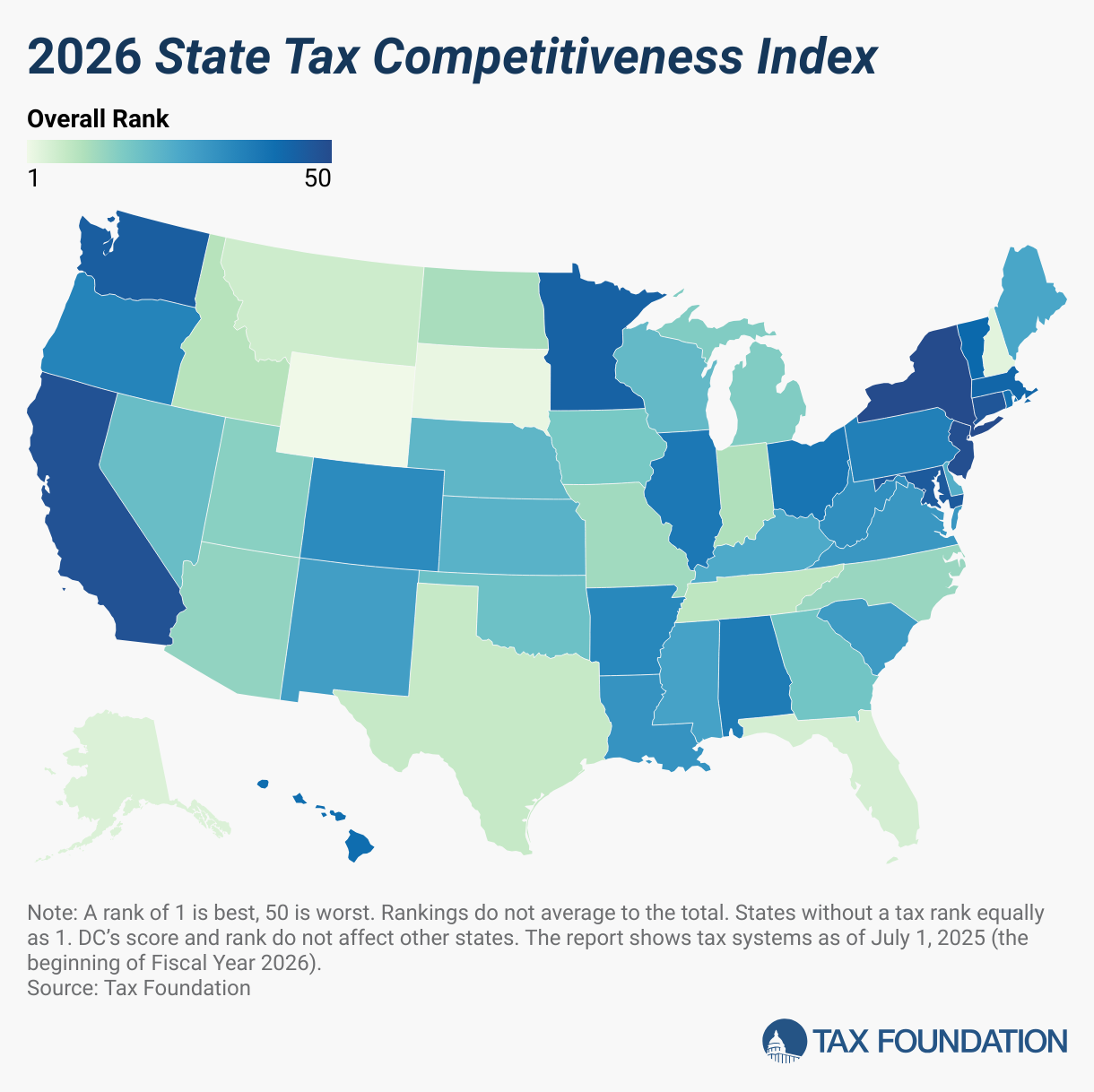
Connecticut raises tax revenue primarily through property taxes (35.3 percent of total state and local tax revenue), individual income taxes (26.0 percent), and general sales taxes (16.3 percent). Connecticut collects $9,388 in state and local tax collections per capita, carries $12,052 in state and local debt per capita, and has a 66 percent funded ratio of public pension plans. Connecticut’s tax system ranks 47th overall on the 2026 State Tax Competitiveness Index.

Understanding Connecticut’s Tax System

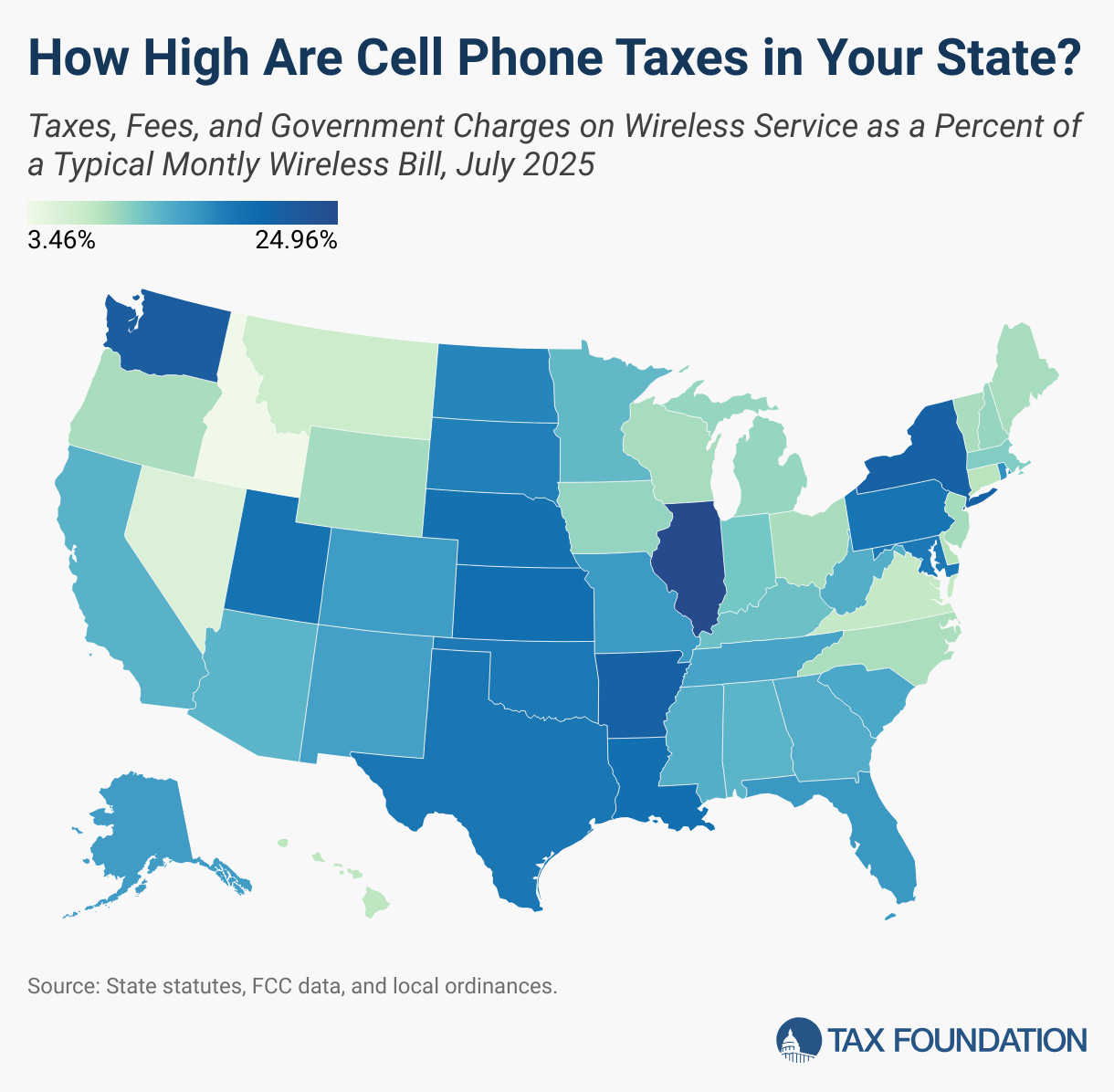
Each state’s tax code is a multifaceted system with many moving parts, and Connecticut is no exception. Use the tabs below to compare Connecticut taxes with other states and to see how Connecticut raises tax revenue. You can also browse our tax maps, which are compiled from our annual publication, Facts & Figures 2026: How Does Your State Compare?

See Related Articles

Tax Data by State

Get facts about taxes in your state and around the US

Explore Data

How Do Taxes in Connecticut Compare?

How Does Connecticut Collect Revenue?

How Does Connecticut's Tax System Rank?


All Related Articles

Electric Vehicle Taxation by US State, 2026

Electric Vehicle Taxes by State, 2026

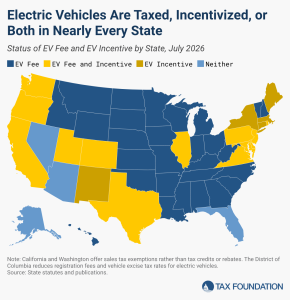
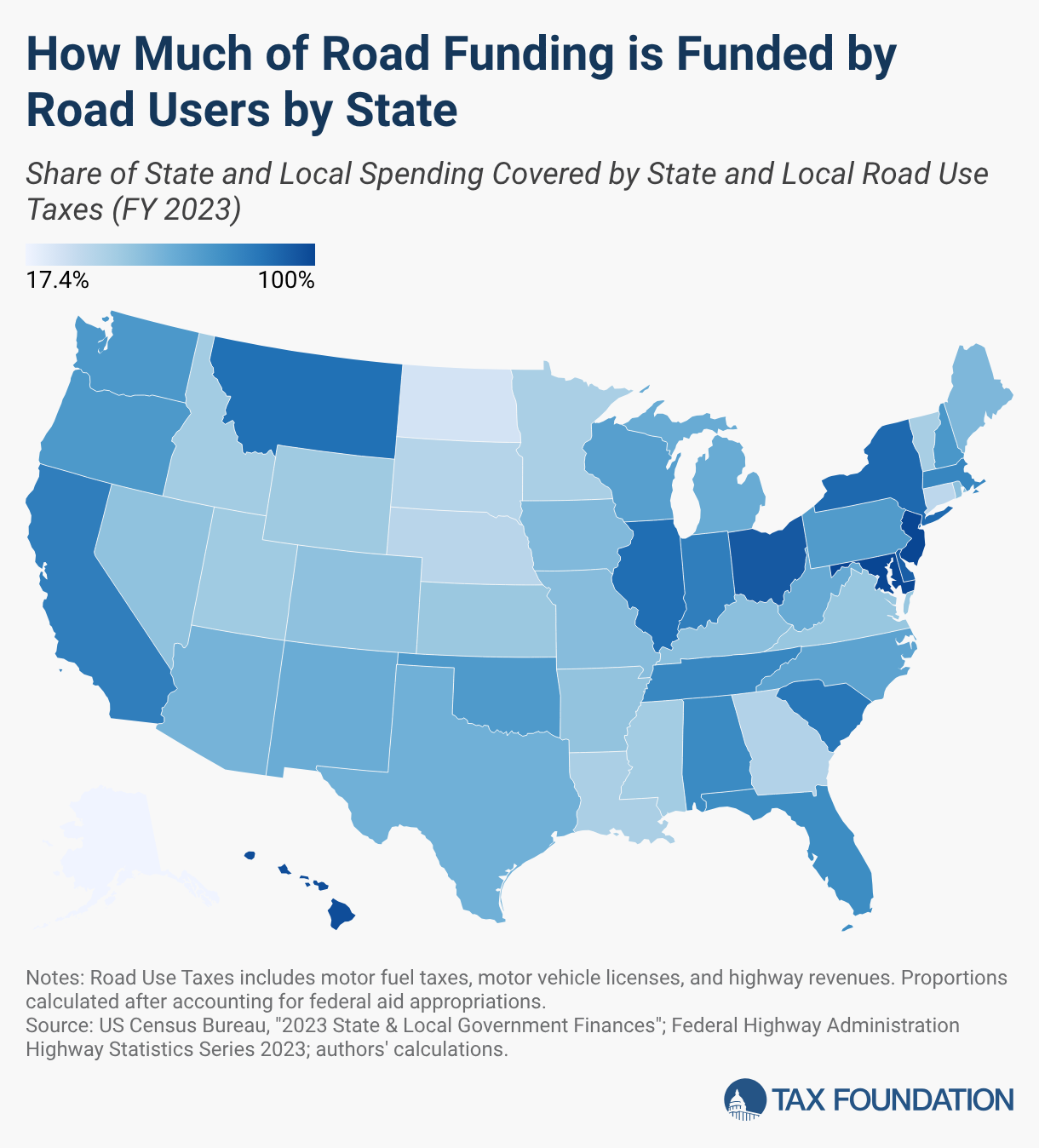
As the market share of electric vehicles (EVs) on the road grows, the gas tax’s ability to fund road projects and decrease traffic congestion erodes. Both federal and state real tax revenue per vehicle mile traveled has been on a steady decline for decades, creating a fiscal gap for road expenditures even as the demand for road infrastructure improvements has grown.

6 min read
Cigarette Tax Rates by State, 2026

Cigarette Taxes by State, 2026

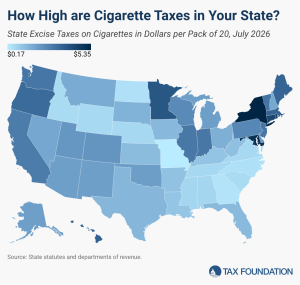
The highest state tax on cigarettes is levied by New York at $5.35 per pack of 20. The next highest tax jurisdiction is the District of Columbia at $5.07 per pack of cigarettes, followed closely by Maryland at $5.00 per pack, Rhode Island at $4.50 per pack, and Connecticut at $4.35 per pack.

6 min read
Sales tax holidays by state, 2026

Sales Tax Holidays by State, 2026

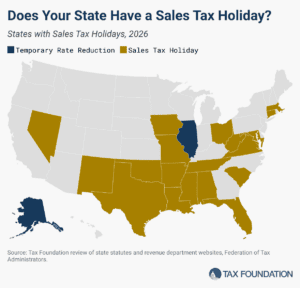
However well-intended they may be, sales tax holidays remain the same as they always have been—ineffective and inefficient.

12 min read
Digital Services Taxes, Data Processing Tax

Taxing Data Processing Doesn’t Just Tax Big Tech

Policymakers are increasingly considering taxes on data processing and other businesses’ digital services, but these taxes increase costs at many stages of the production process for virtually all businesses, not just tech-oriented businesses.

7 min read
State and Local Sales Tax Rates, Midyear 2026

State and Local Sales Tax Rates, Midyear 2026

The five states with the highest average combined state and local sales tax rates are Louisiana (10.13 percent), Tennessee (9.61 percent), Washington (9.57 percent), Arkansas (9.48 percent), and Alabama (9.46 percent).

8 min read
Wine Taxes by State, 2026

Wine Taxes by State, 2026

Whether a sommelier or a casual enjoyer, wine drinkers may not be aware of just how much they are paying in taxes to uncork their drink of choice.

6 min read
Beer Taxes by State, 2026

Beer Taxes by State, 2026

In the United States, taxes are the single most expensive ingredient in beer. The tax burden accounts for more of the final price of beer than labor and materials combined—the many different layers of applicable taxes combining to total as much as 40.8 percent of the retail price.

7 min read
High-Tax States Competitiveness, Wealth Taxes

Targeting High Earners is Misguided and Will Worsen States’ Fiscal Positions

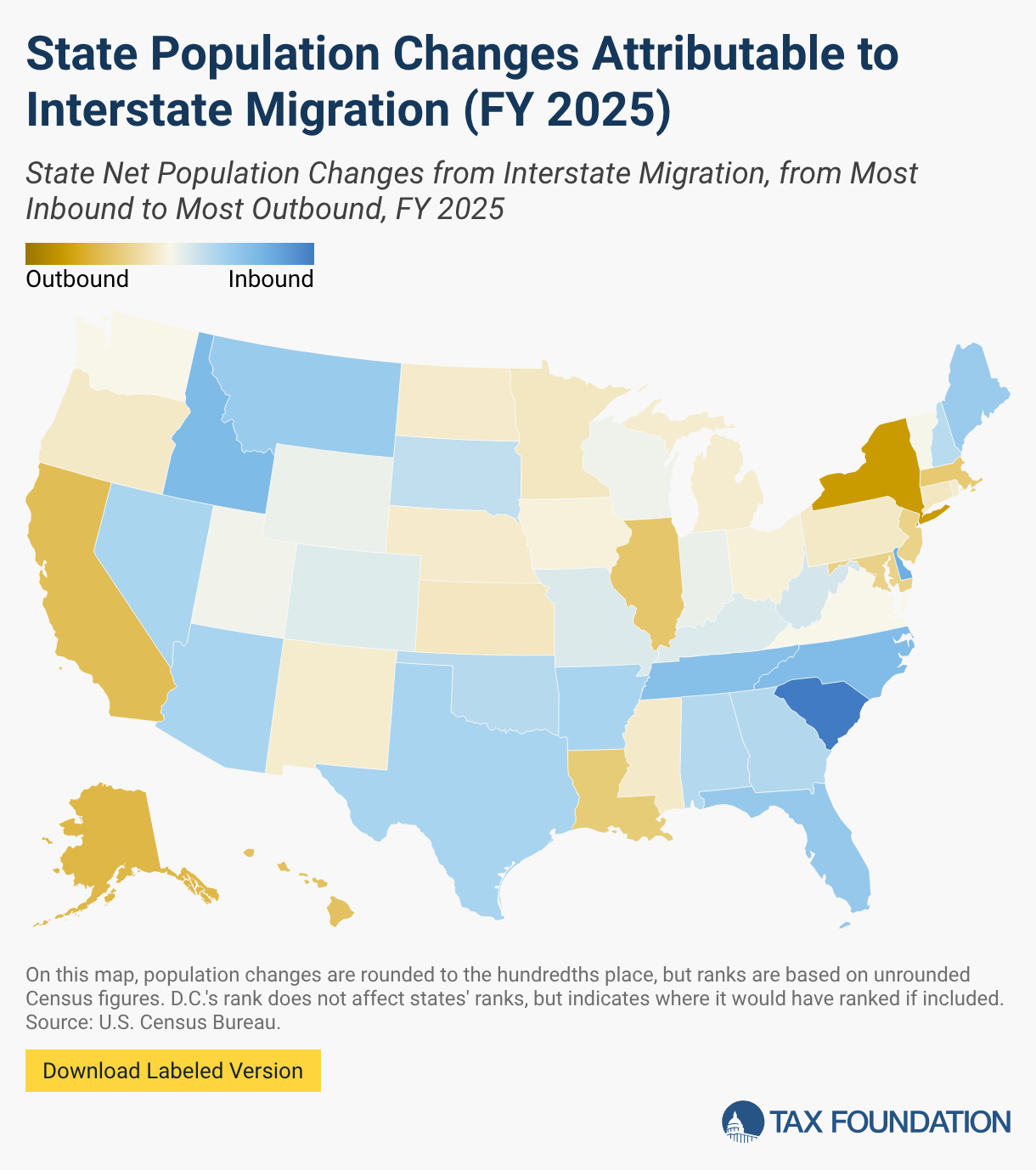
Policies that increase the tax burden on high earners makes states less competitive, increase revenue volatility, discourage investment, and risk accelerating outmigration of talent and capital. Many top-earners are already leaving high-tax states for Florida, North Carolina, and other low-tax jurisdictions.

9 min read
distilled spirits taxes by state 2026, state liquor taxes and state alcohol taxes

Distilled Spirits Taxes by State, 2026

The significant disparity in tax rates across states underscores the complex tax and regulatory environment governing distilled spirits.

9 min read