How Do Tax Brackets Work?
Understanding how tax brackets work can inform decisions about performing extra work through a second job or overtime, or pursuing new streams of income.


Our animated explainer videos are designed for the classroom, social media, and anyone looking to boost their tax knowledge on the go.
Understanding how tax brackets work can inform decisions about performing extra work through a second job or overtime, or pursuing new streams of income.
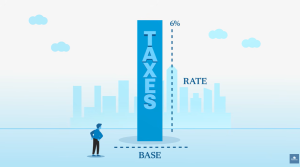
When thinking about taxes, we often consider the tax rate—or what percentage of something is taxed. But there is another factor in considering taxes: the tax base.
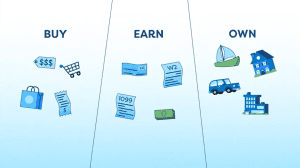
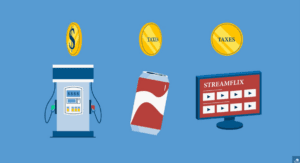
The better you understand taxes, the better equipped you are to make decisions about them. All taxes can be divided into three basic types: taxes on what you buy, taxes on what you earn, and taxes on what you own.

While it may feel good to receive a tax refund, it does not represent your tax burden—the tax liability you actually owe to the government.

What do beards, chickens, and windows have in common? Surprisingly, taxes.

Each level of government provides its own services and therefore levies its own taxes to generate revenue for these services.
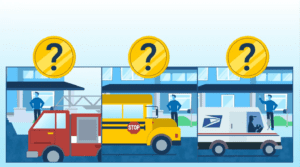
The government provides various services at the federal, state, and local levels. How are they paid for? Taxes.
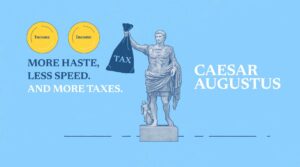
Taxes have played a major role throughout history, and even date back to around 5,000 years ago. Taxes will continue to affect our lives and shape our societies just like they have for thousands of years.
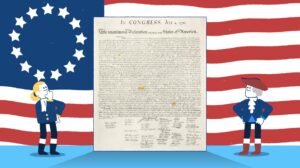
The American Revolution was a tax revolt over the power to tax, not over tax burdens. It serves as a reminder that tax policy can have impacts (big and small) that last for centuries.

Discover why there are better and worse ways for governments to raise a dollar of revenue. That’s because no two taxes impact the economy the same.
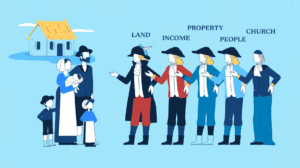
The French Revolution provides insight into the relationship between a government and its citizens and serves as a reminder that tax policy can have impacts (big and small) that last for centuries.
Neutral tax codes don’t play favorites or try to influence personal or business decisions but stick to what they’re best at – raising sufficient revenue through low rates and a broad base.
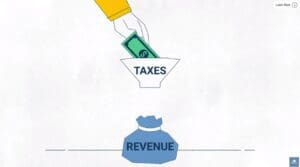
Simplicity in the tax code means taxes should be easy for taxpayers to pay and easy for governments to administer and collect.
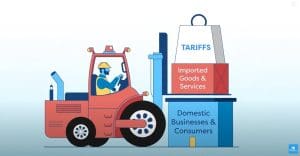
Even though tariffs are invisible, their effects clearly are not. They might be sold as a tool to strengthen the economy, but tariffs are just taxes that make everyone worse off.
When thinking about taxes, we often consider the tax rate—or what percentage of something is taxed. But there is another factor in considering taxes: the tax base.
While it may feel good to receive a tax refund, it does not represent your tax burden—the tax liability you actually owe to the government.
What do beards, chickens, and windows have in common? Surprisingly, taxes.
Each level of government provides its own services and therefore levies its own taxes to generate revenue for these services.

When property values soar, homeowners can end up paying significantly higher taxes for basically the same services. Thankfully, there is a solution.
The American Revolution was a tax revolt over the power to tax, not over tax burdens. It serves as a reminder that tax policy can have impacts (big and small) that last for centuries.
The French Revolution provides insight into the relationship between a government and its citizens and serves as a reminder that tax policy can have impacts (big and small) that last for centuries.
The government provides various services at the federal, state, and local levels. How are they paid for? Taxes.
Neutral tax codes don’t play favorites or try to influence personal or business decisions but stick to what they’re best at – raising sufficient revenue through low rates and a broad base.
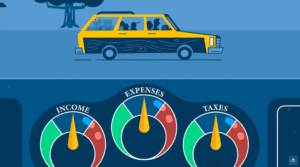
When the tax code is stable and predictable, individuals, families, and businesses can set goals for the future and make plans to achieve them.