Skip to content

Taxes In West Virginia

2026 West Virginia Tax Rates, Collections, and Burdens

How Do West Virginia Taxes Compare to Other States?

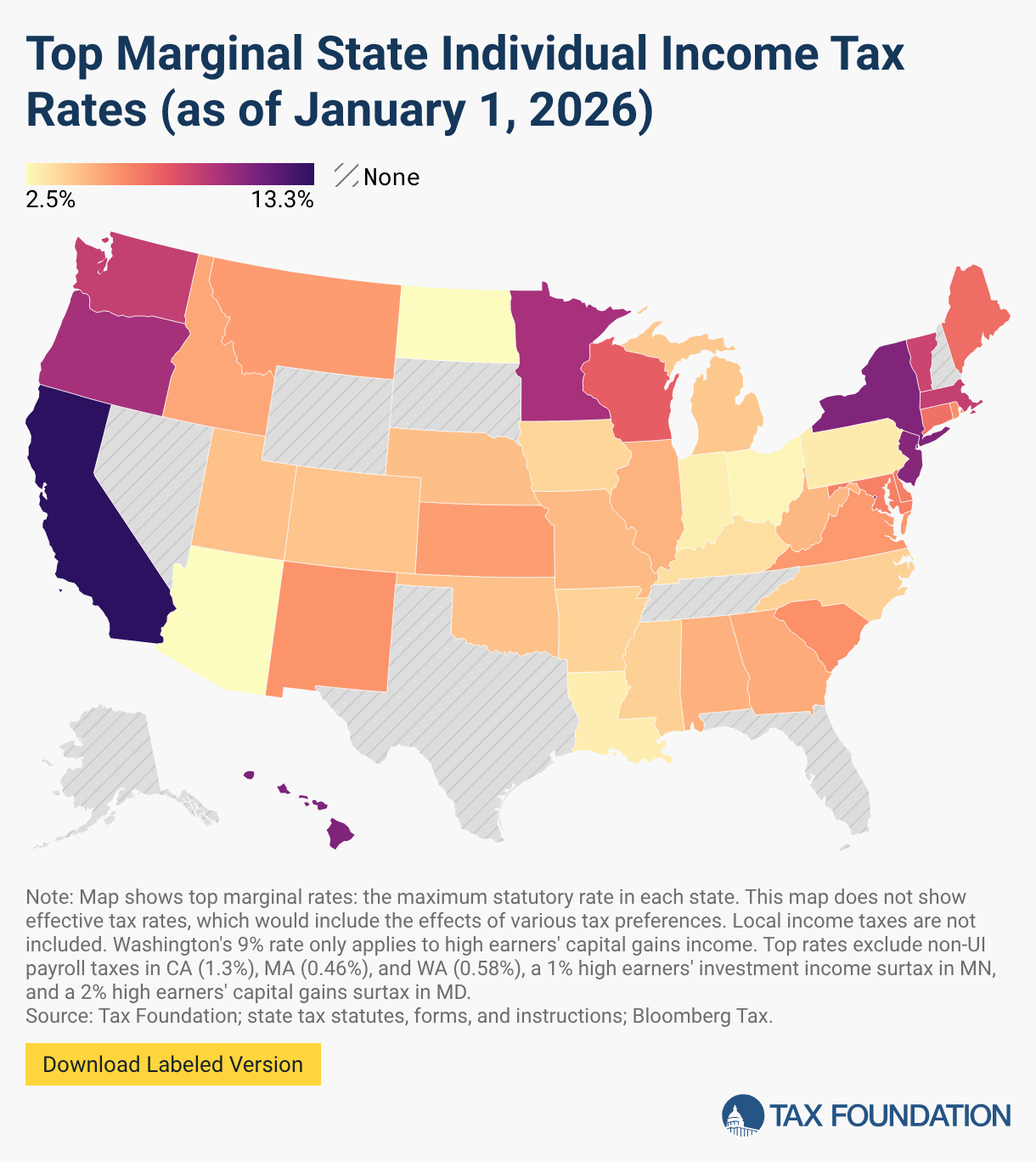
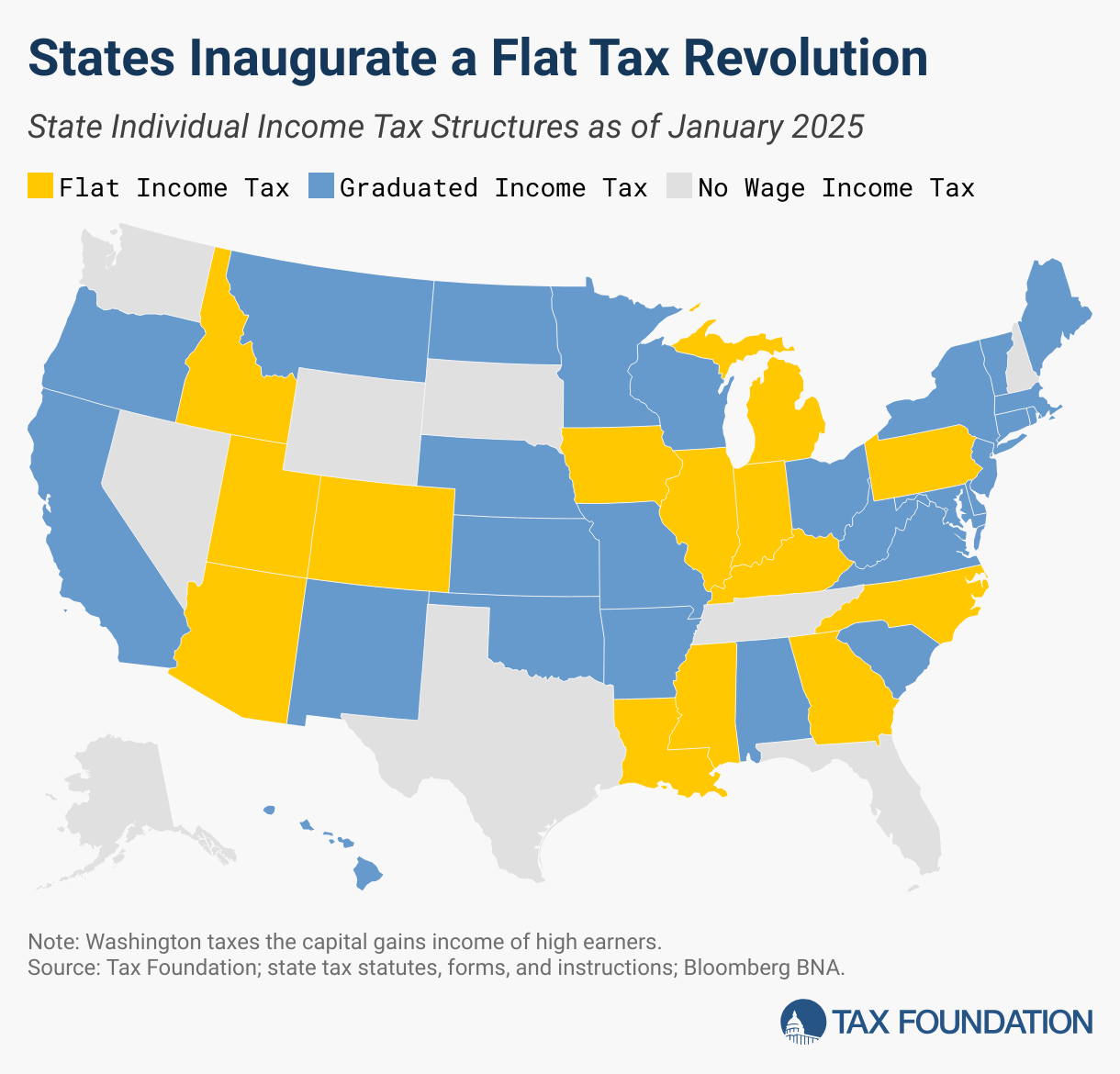
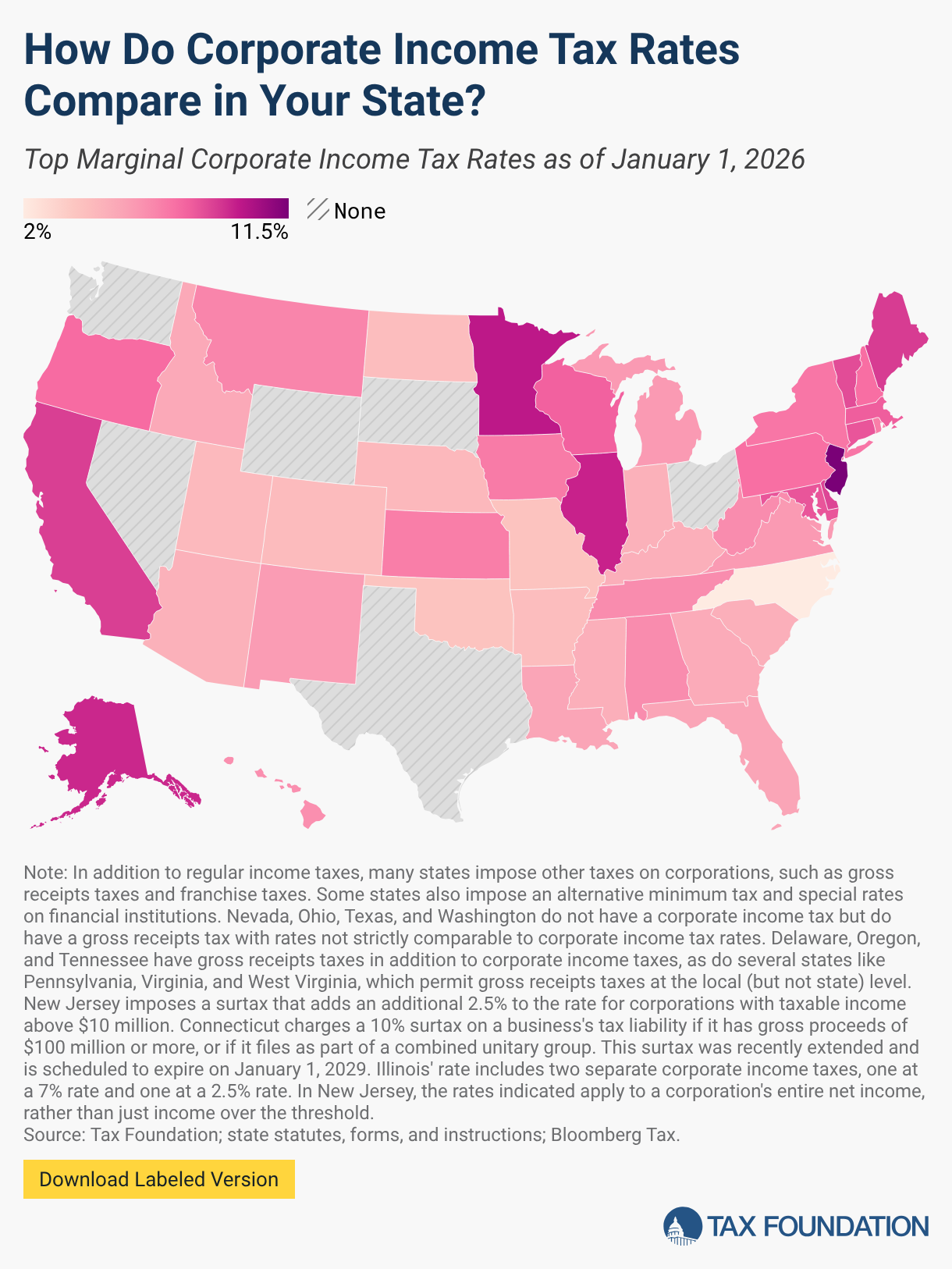
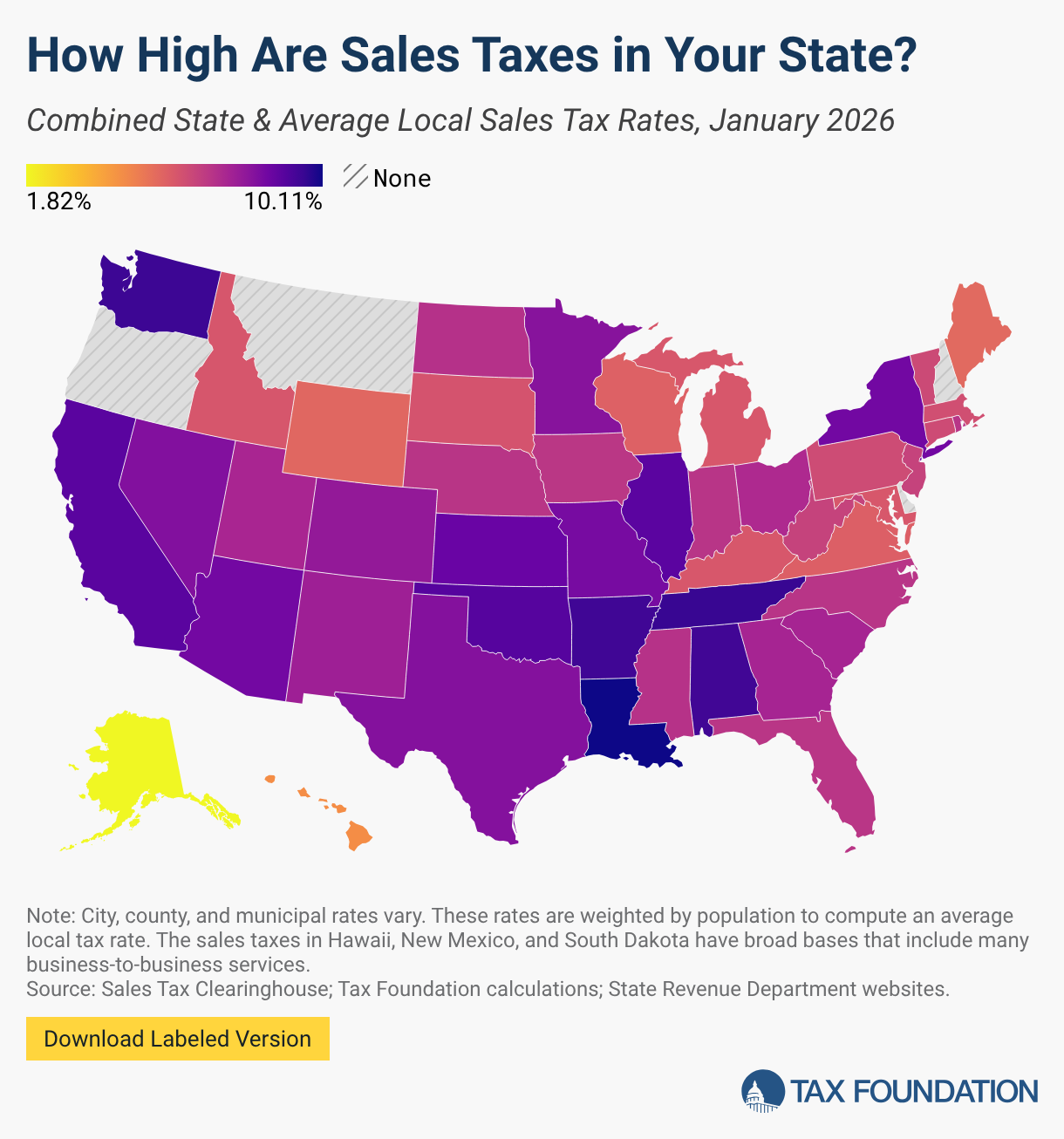
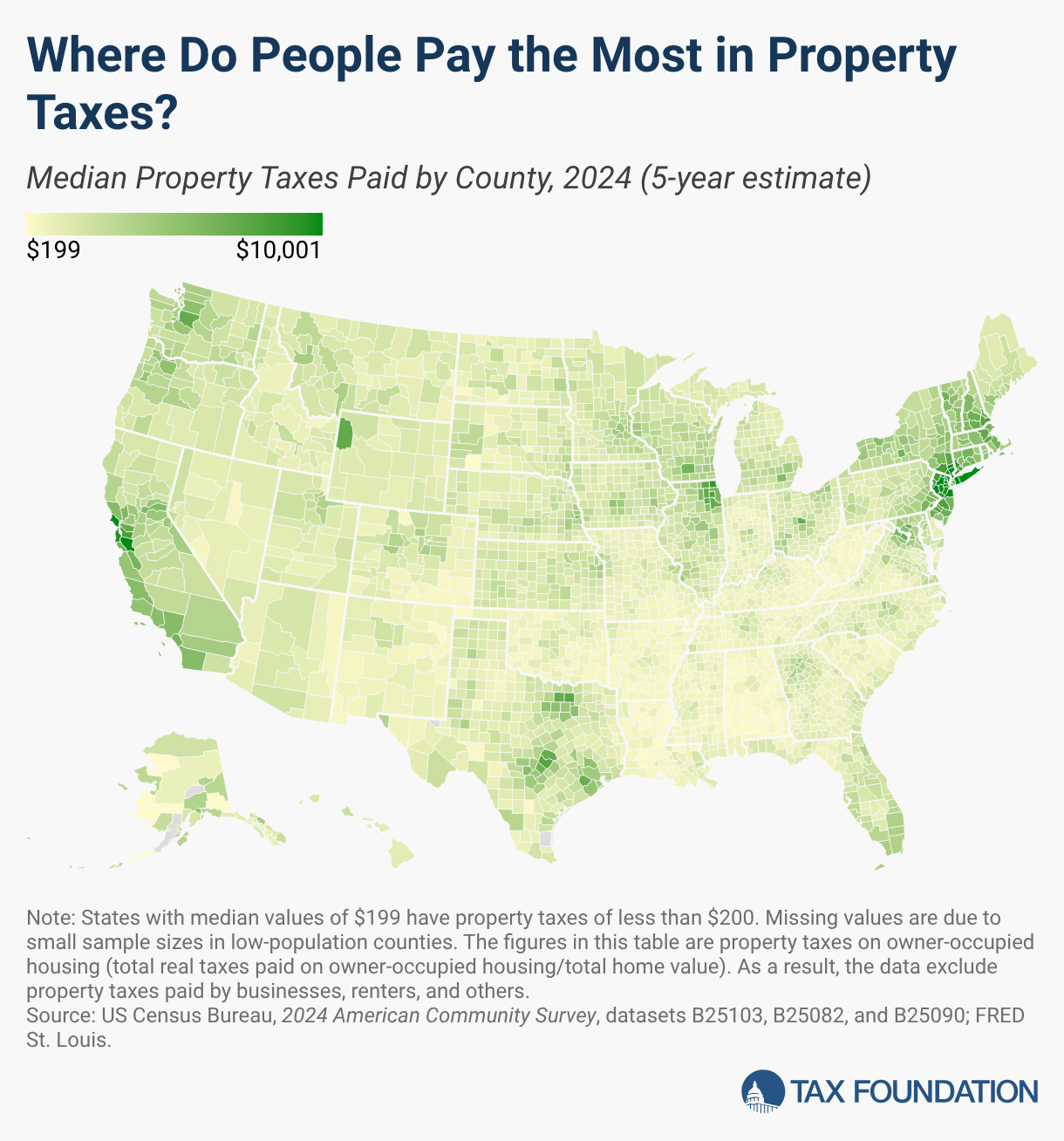
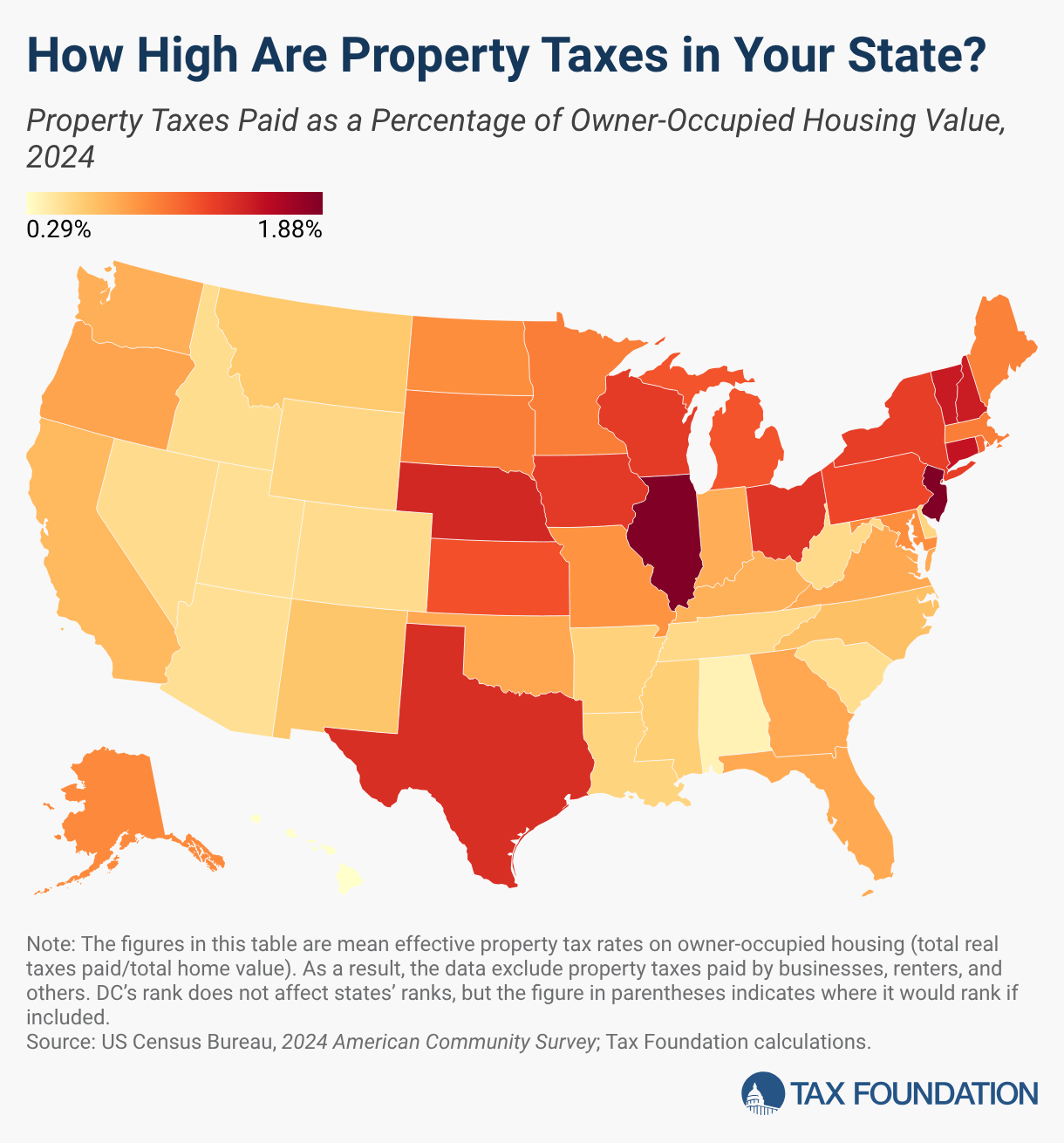
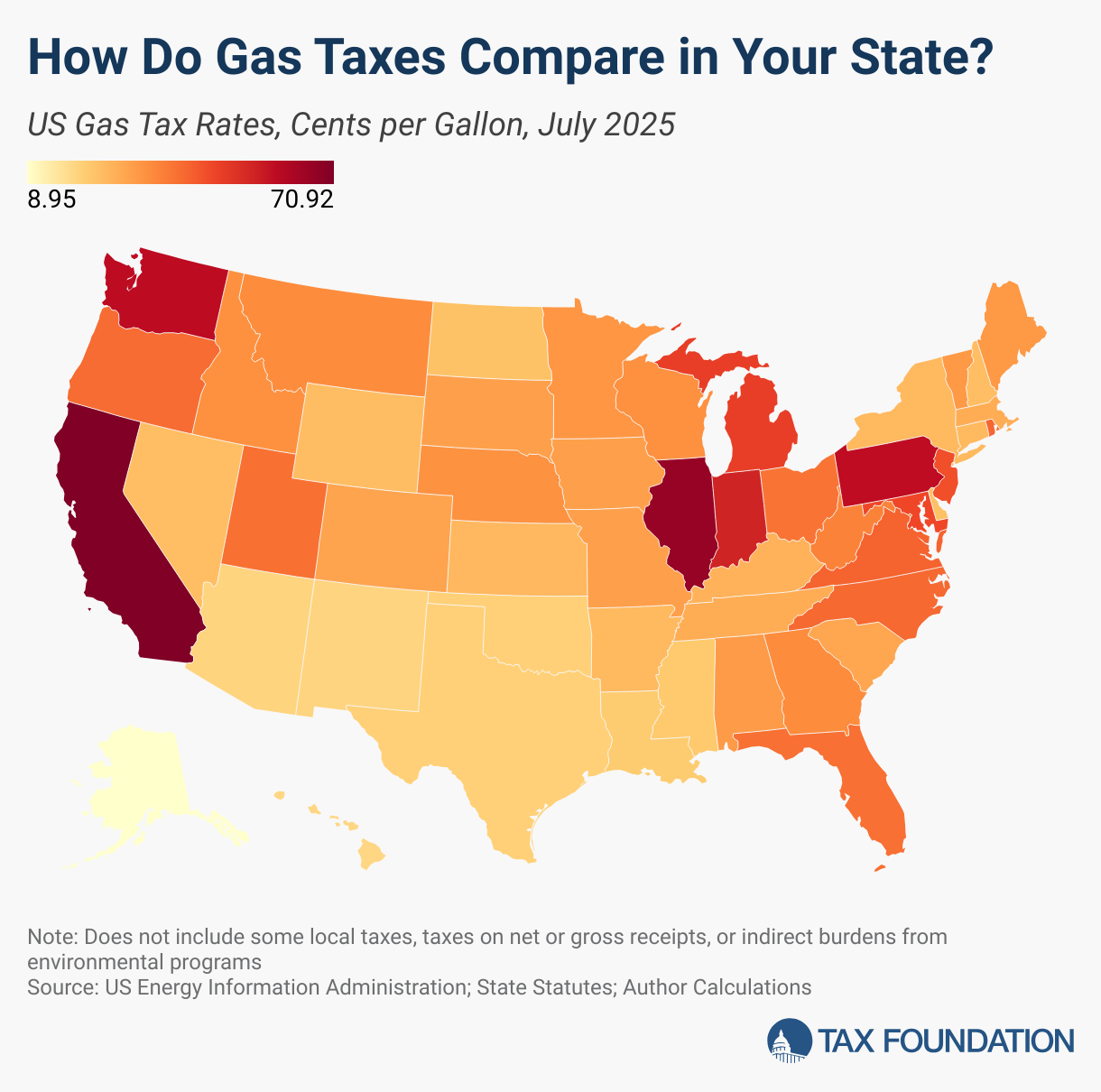
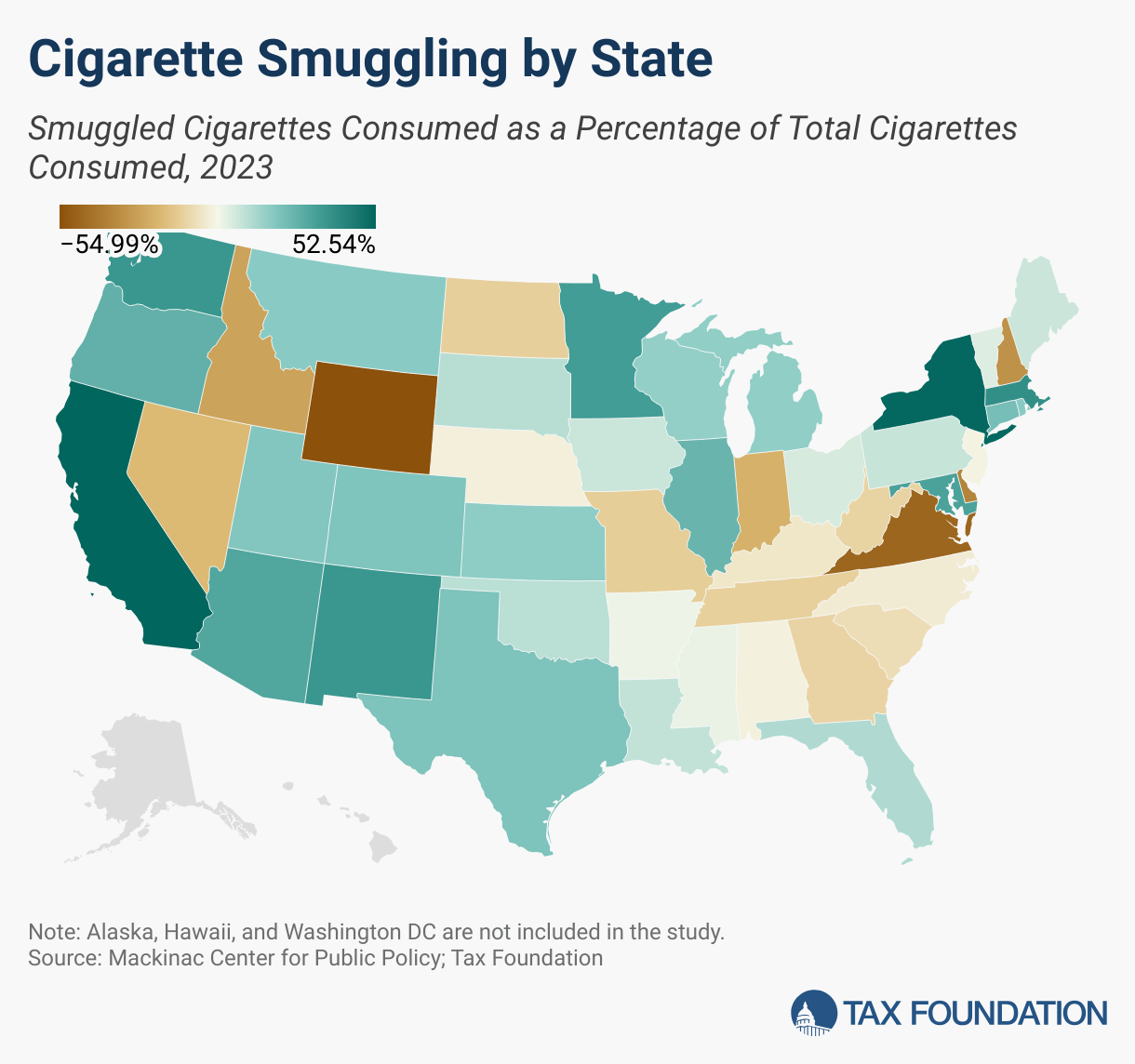
West Virginia has a graduated state individual income tax, with rates ranging from 2.11 percent to 4.58 percent. West Virginia has a flat 6.50 percent corporate income tax rate, a 6.00 percent state sales tax rate, and an average combined state and local sales tax rate of 6.59 percent. West Virginia has a 0.51 percent effective property tax rate on owner-occupied housing value. West Virginia does not have an estate tax or inheritance tax. West Virginia’s gas tax is 35.7 cents per gallon, and its cigarette excise tax is $1.20 per pack of 20 cigarettes.

West Virginia Tax Rankings, Debt, and Tax Revenue

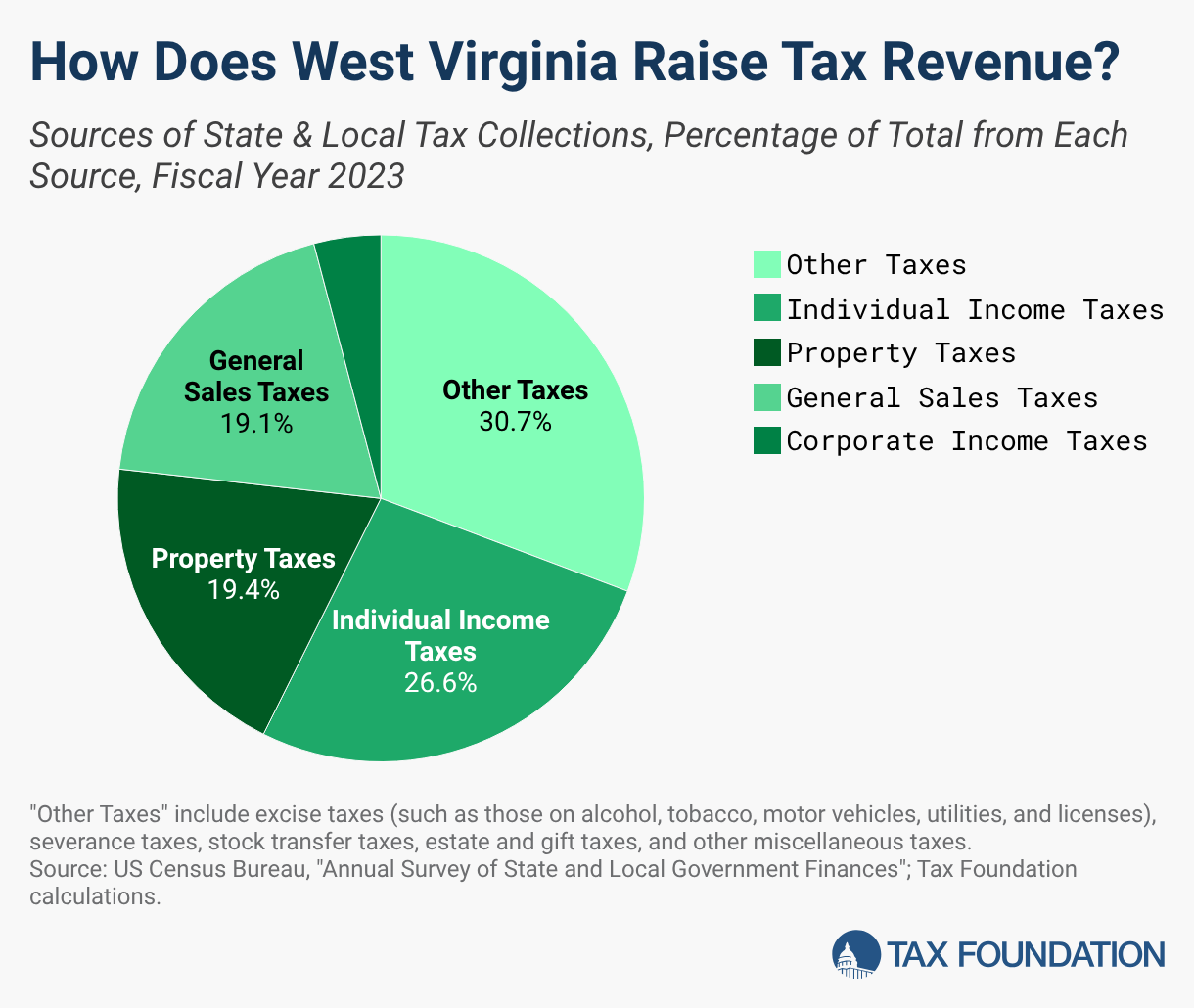
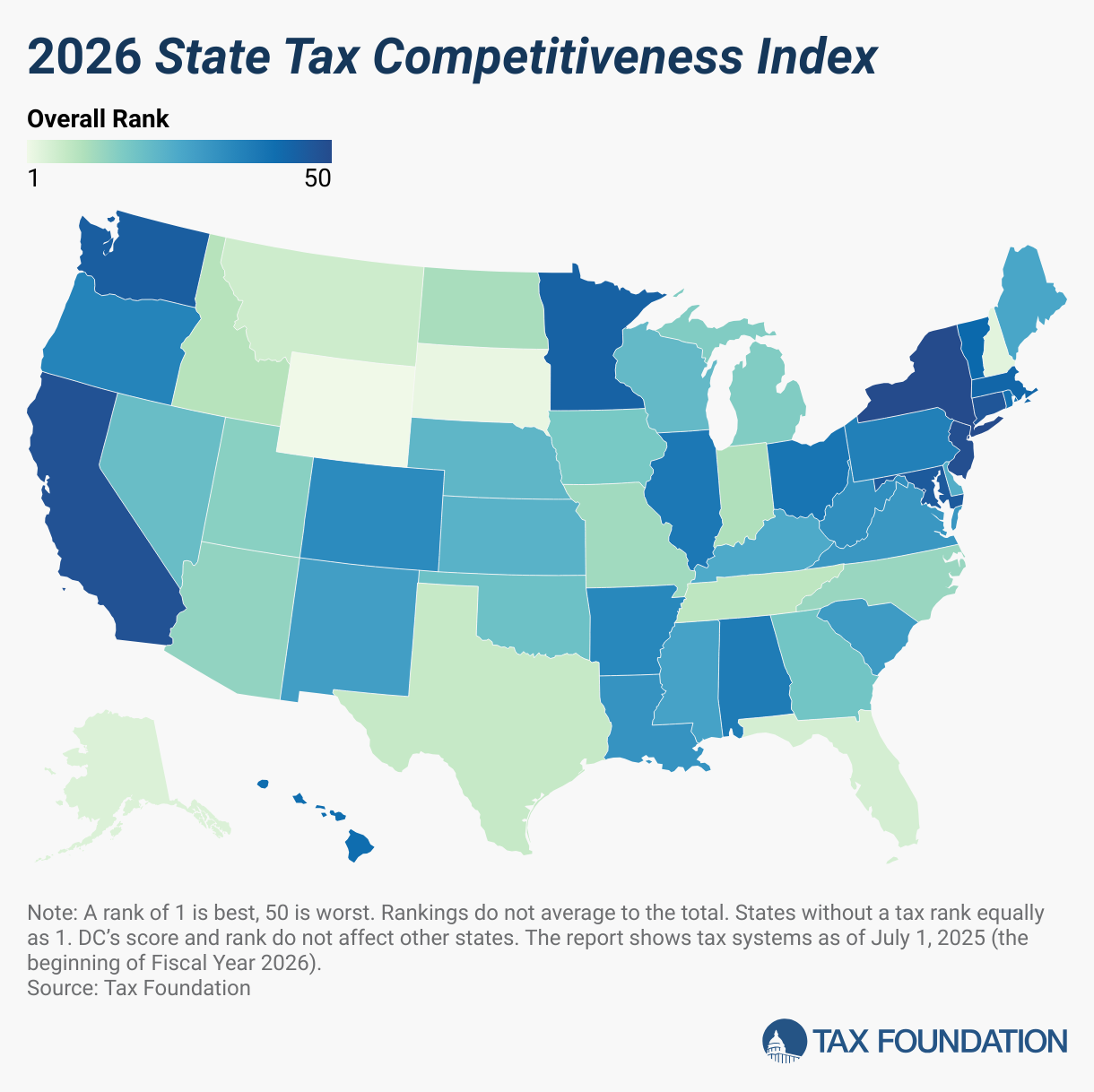
West Virginia raises tax revenue primarily through other taxes (30.7 percent of total state and local tax revenue), individual income taxes (26.6 percent), and property taxes (19.4 percent). West Virginia collects $5,710 in state and local tax collections per capita, carries $13,438 in state and local debt per capita, and has a 100 percent funded ratio of public pension plans. West Virginia’s tax system ranks 32nd overall on the 2026 State Tax Competitiveness Index.

Understanding West Virginia’s Tax System

Each state’s tax code is a multifaceted system with many moving parts, and West Virginia is no exception. Use the tabs below to compare West Virginia taxes with other states and to see how West Virginia raises tax revenue. You can also browse our tax maps, which are compiled from our annual publication, Facts & Figures 2026: How Does Your State Compare?

See Related Articles

Tax Data by State

Get facts about taxes in your state and around the US

Explore Data

How Do Taxes in West Virginia Compare?

How Does West Virginia Collect Revenue?

How Does West Virginia's Tax System Rank?


All Related Articles

2025 state estate tax rates and 2025 state inheritance tax rates

Estate and Inheritance Taxes by State, 2025

In addition to the federal estate tax, which has a top marginal rate of 40 percent, 12 states and the District of Columbia impose estate taxes, while five states levy inheritance taxes.

8 min read
Eliminate property taxes and property tax repeal and property tax replacement options state and local tax trends in 2025 and 2026

There’s No Good Way to Pay for Property Tax Repeal

Backfilling forgone local property tax revenue through new state taxes is difficult because it dramatically shifts overall tax burdens, undermines local accountability, and cannot easily adjust for changing population mixes.

20 min read
real property taxes in europe, 2025

Real Property Taxes in Europe, 2025

High property taxes levied not only on land but also on buildings and structures can discourage investment in infrastructure, which businesses would have to pay additional tax on.

3 min read
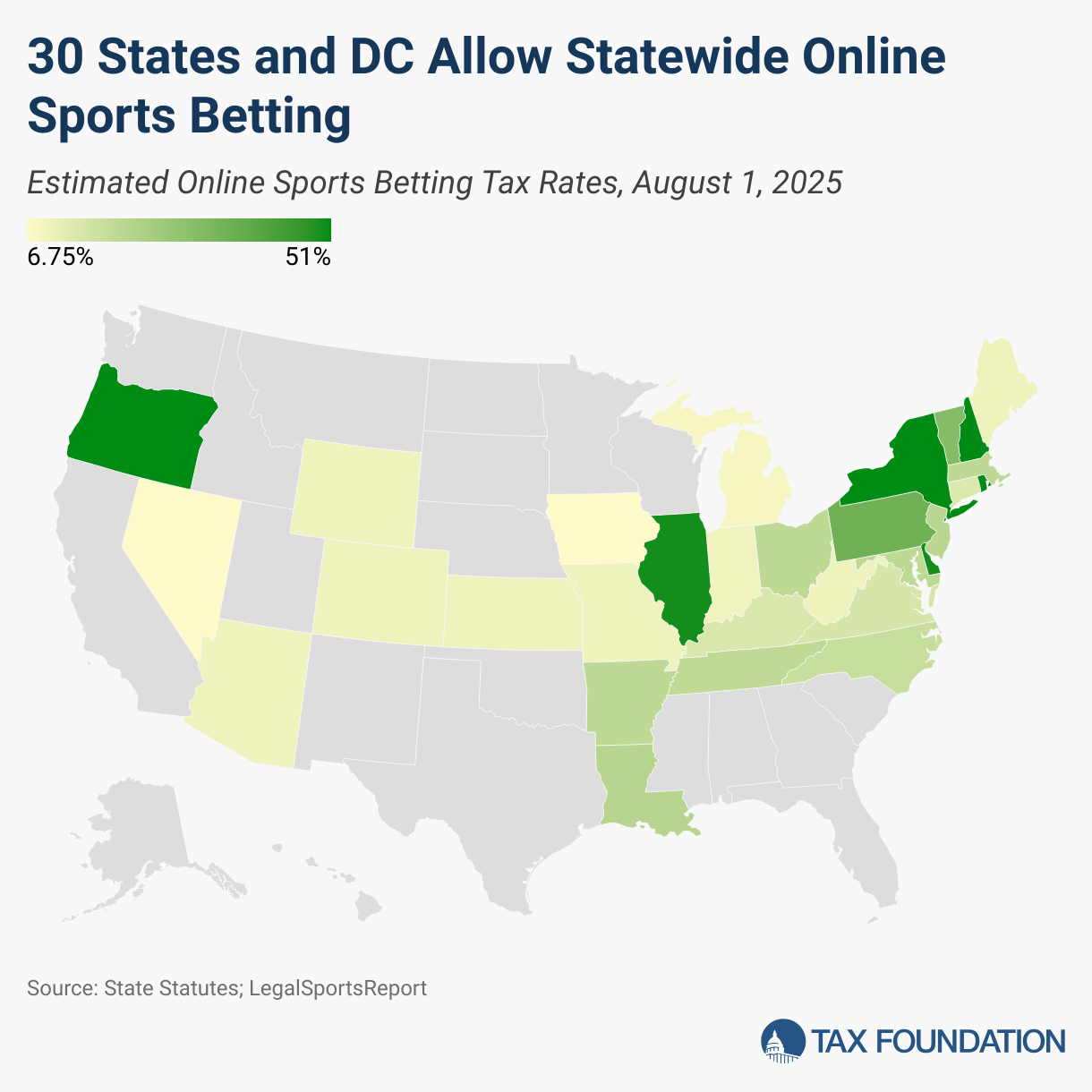
online sports betting taxes by state sports betting tax rates and revenues sports gambling

Online Sports Betting Taxes by State, 2025

Legal sports betting has grown rapidly since the Supreme Court granted states the ability to establish online sports betting markets in Murphy vs. NCAA in 2018.

6 min read
2025 state gas taxes or state gas tax rates by state, 2025 fuel taxes

Gas Taxes by State, 2025

California levies the highest tax on gasoline at 70.9 cents per gallon (cpg), followed by Illinois at 66.4 cpg and Washington at 59.0 cpg.

8 min read
The One Big Beautiful Bill Act Creates Unequal Tax Treatment for Gambling Losses

The One Big Beautiful Bill Act Creates Unequal Tax Treatment for Gambling Losses

In a surprising tax code alteration that has frustrated Americans who enjoy gambling, a provision in the One Big Beautiful Bill Act limits gambling losses that can be used to offset gambling winnings to 90 percent of their value. This provision introduces a steep tax penalty for professional gamblers and certain casual bettors.

5 min read
electric vehicle EV taxes by state, 2025 ev credits and ev fees

Electric Vehicle Taxes by State, 2025

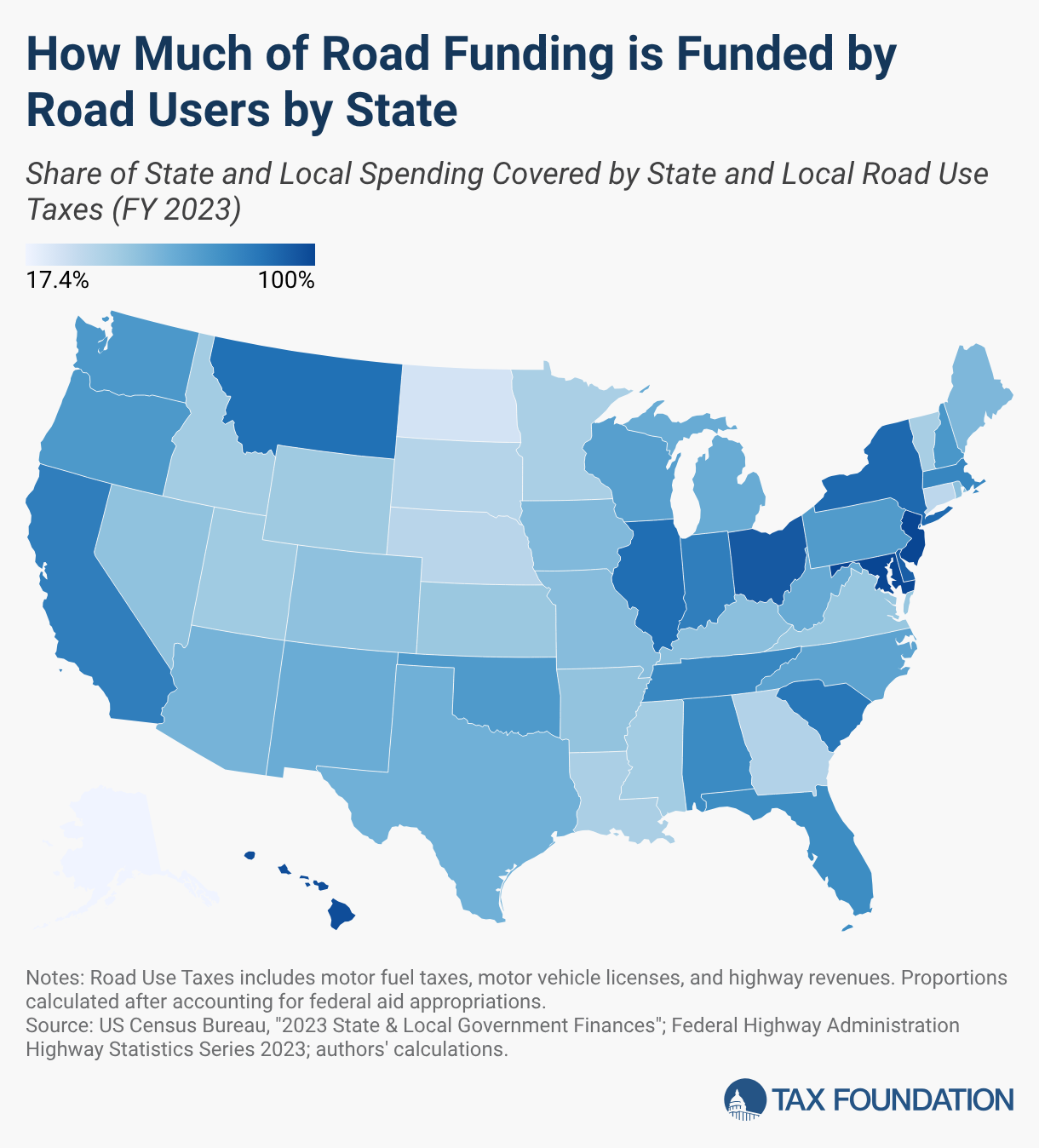
As the market share of electric vehicles (EVs) on the road grows, the gas tax’s ability to fund road projects and decrease traffic congestion erodes. Both federal and state real tax revenue per vehicle mile traveled has been on a steady decline for decades, creating a fiscal gap for road expenditures even as the demand for road infrastructure improvements has grown.

5 min read