
Skip to content

Taxes In Kansas

2026 Kansas Tax Rates, Collections, and Burdens

How Do Kansas Taxes Compare to Other States?

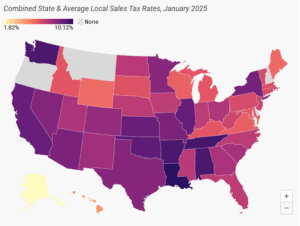
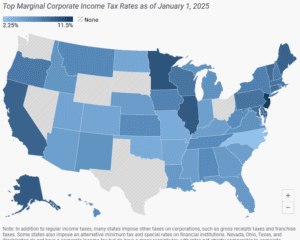
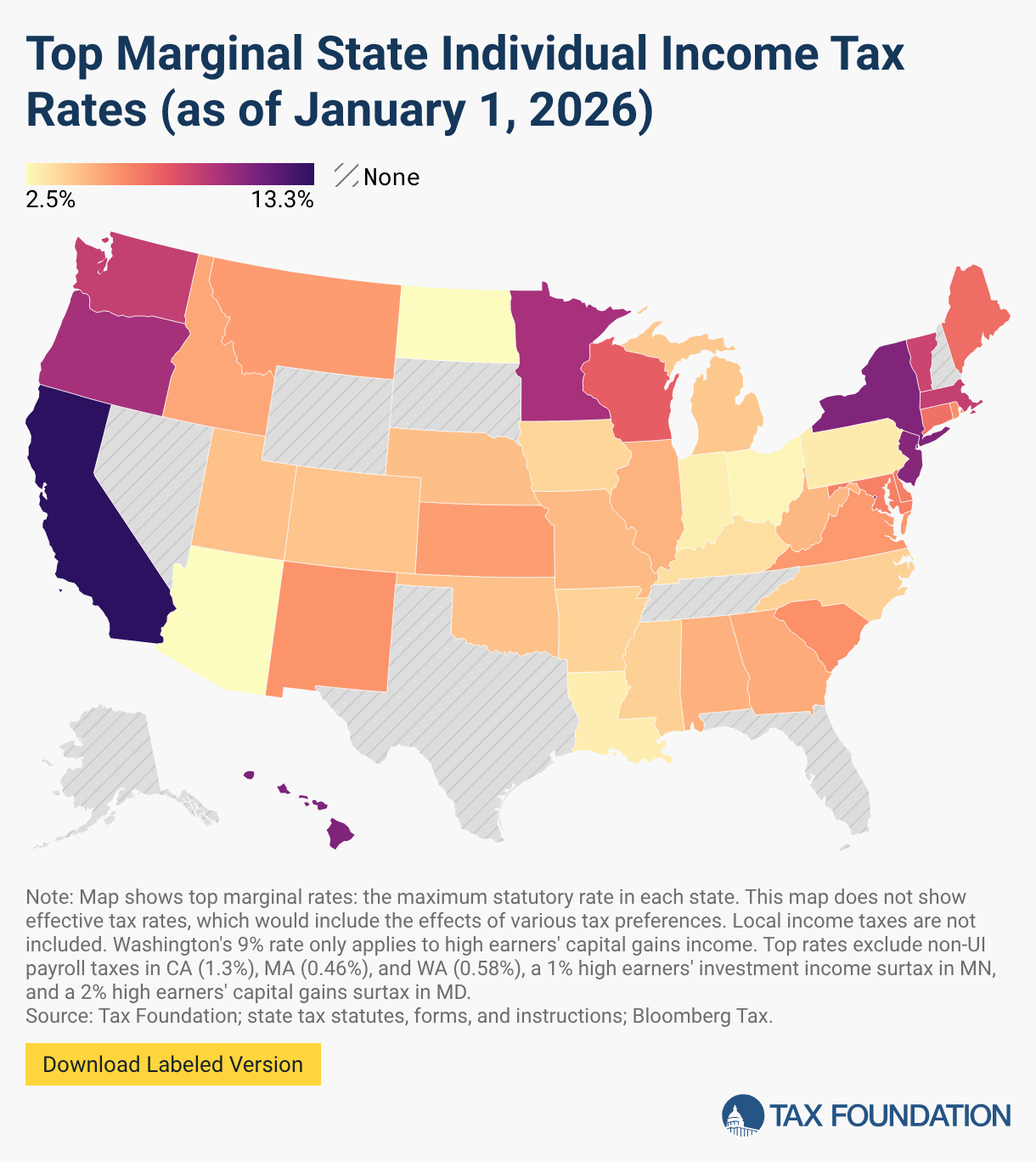
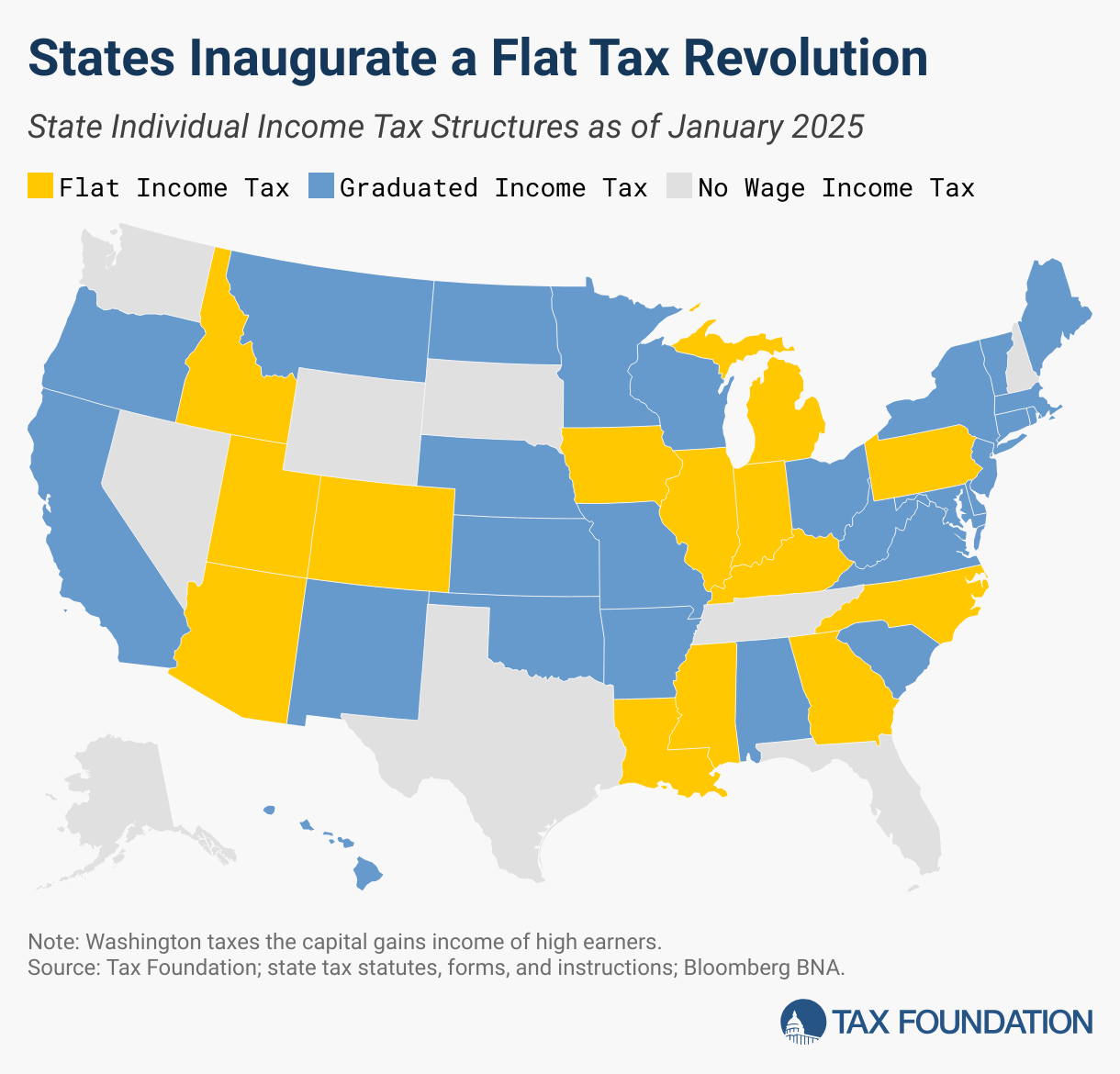
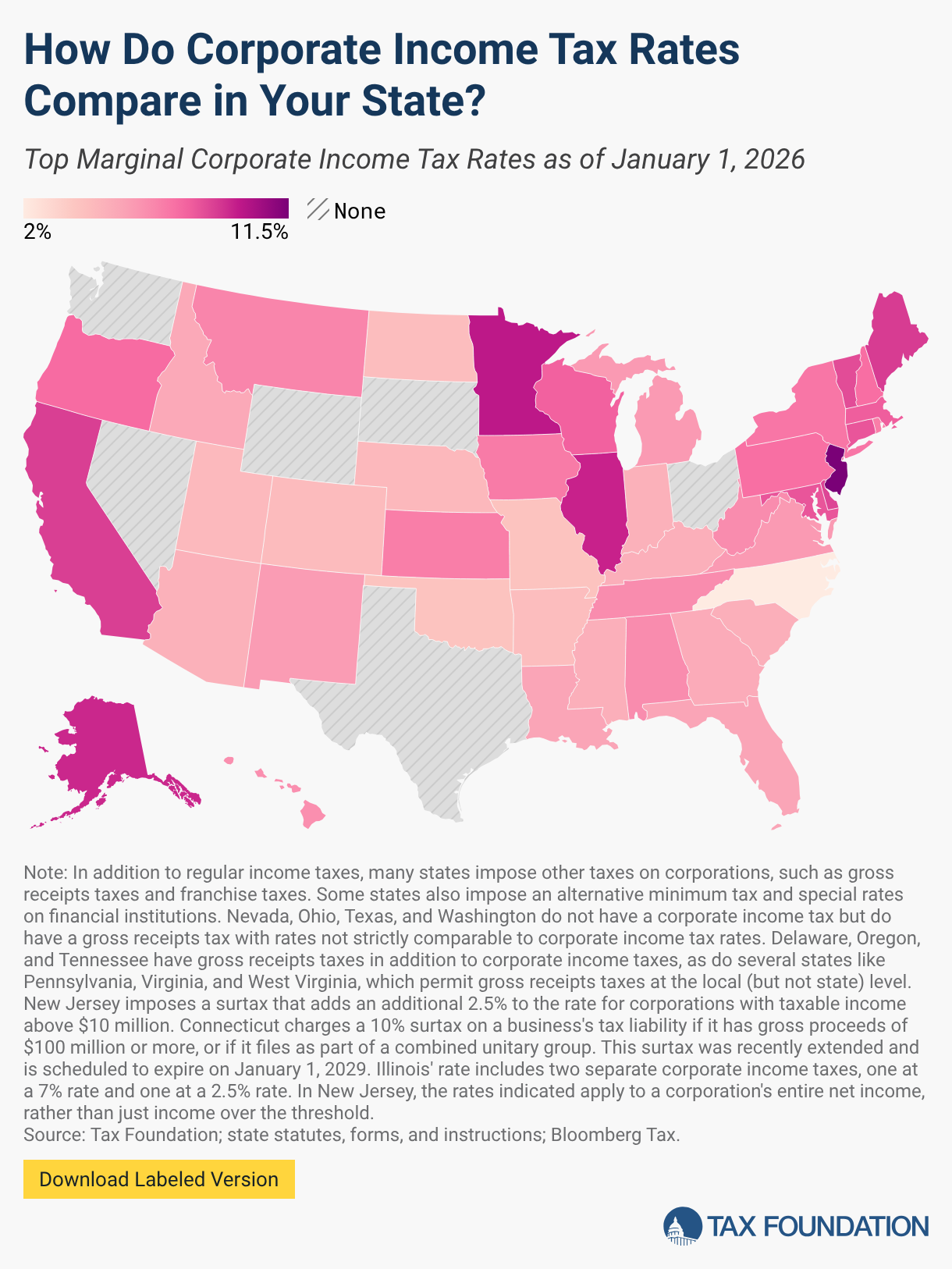
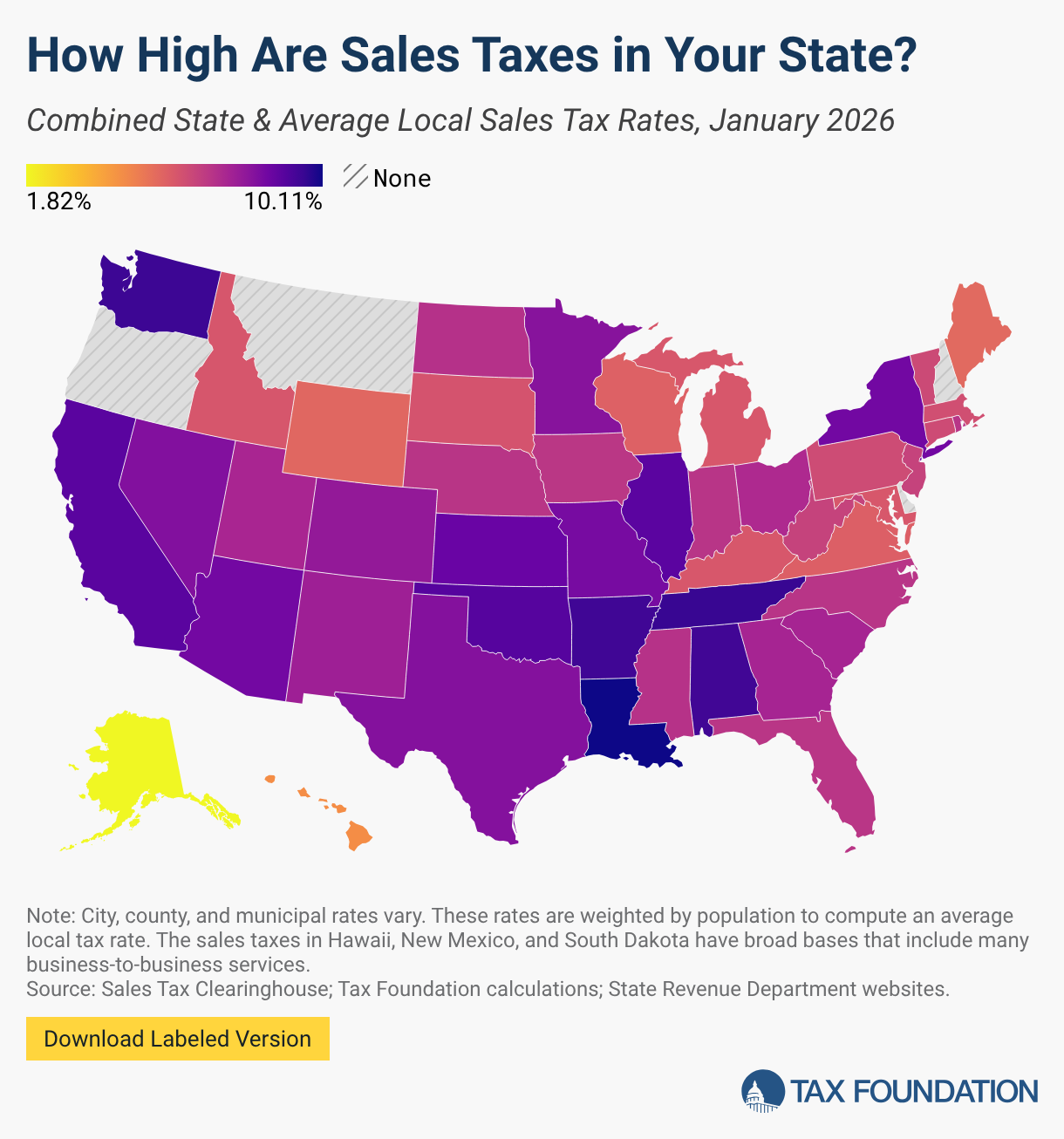
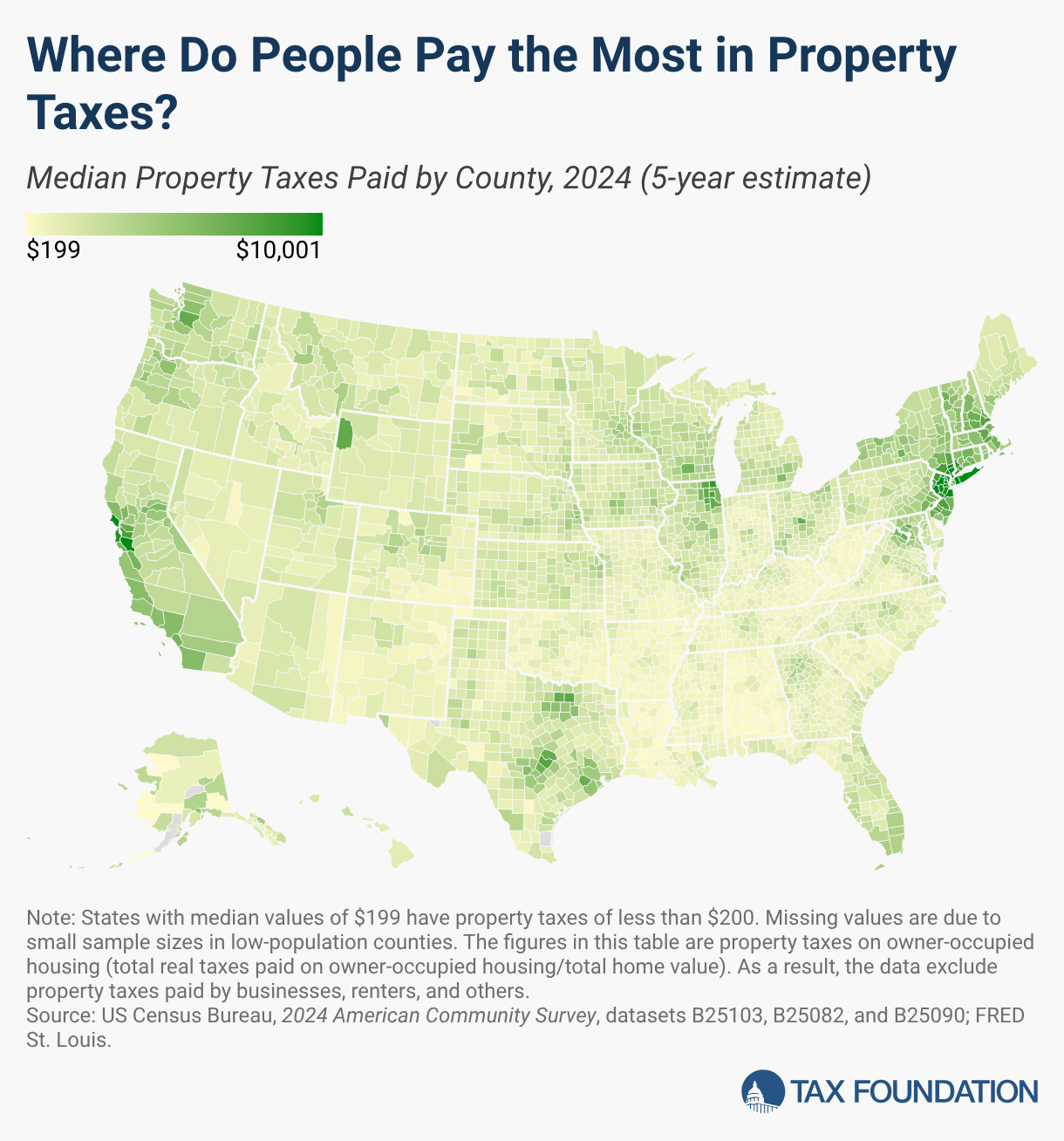
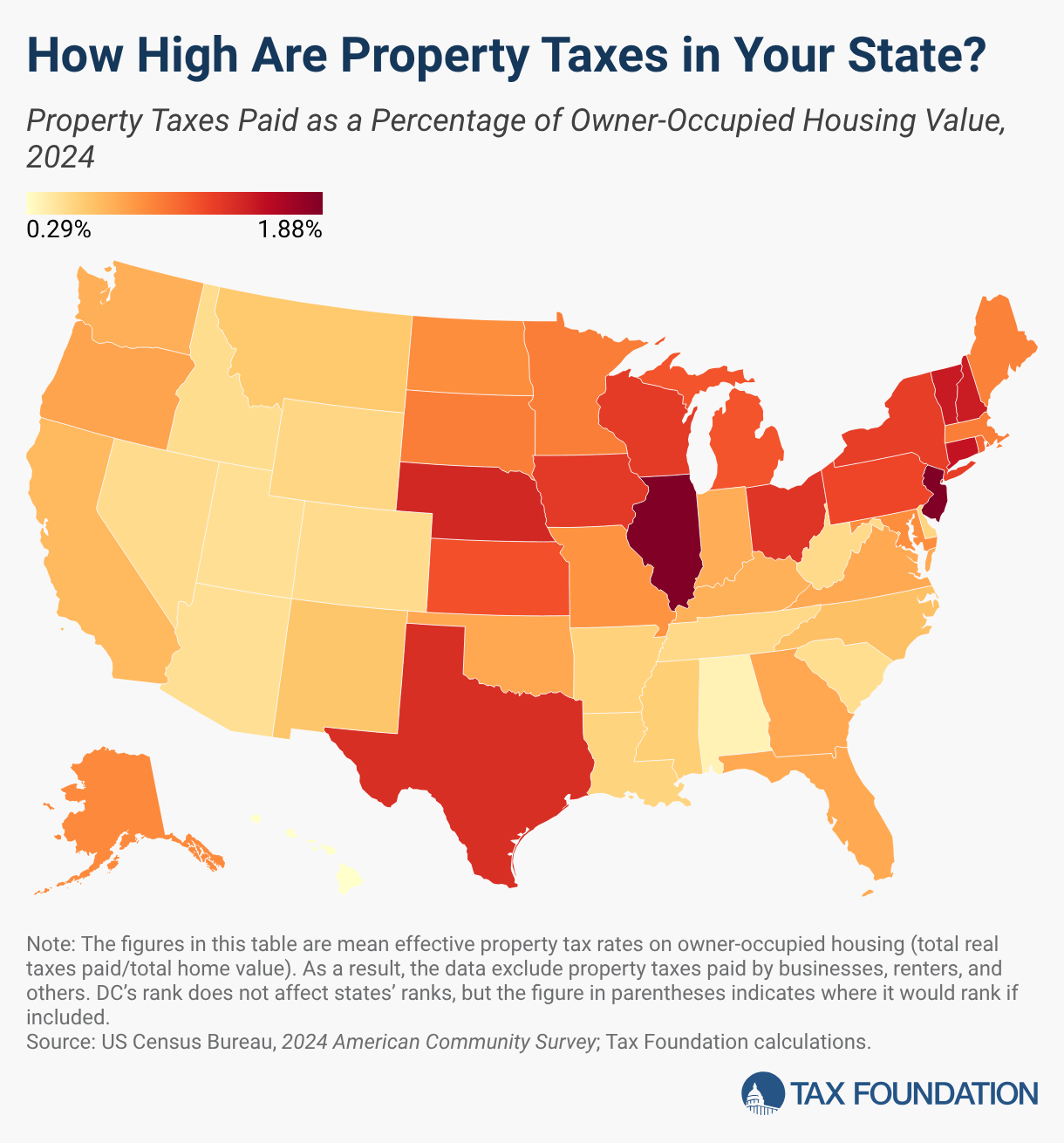
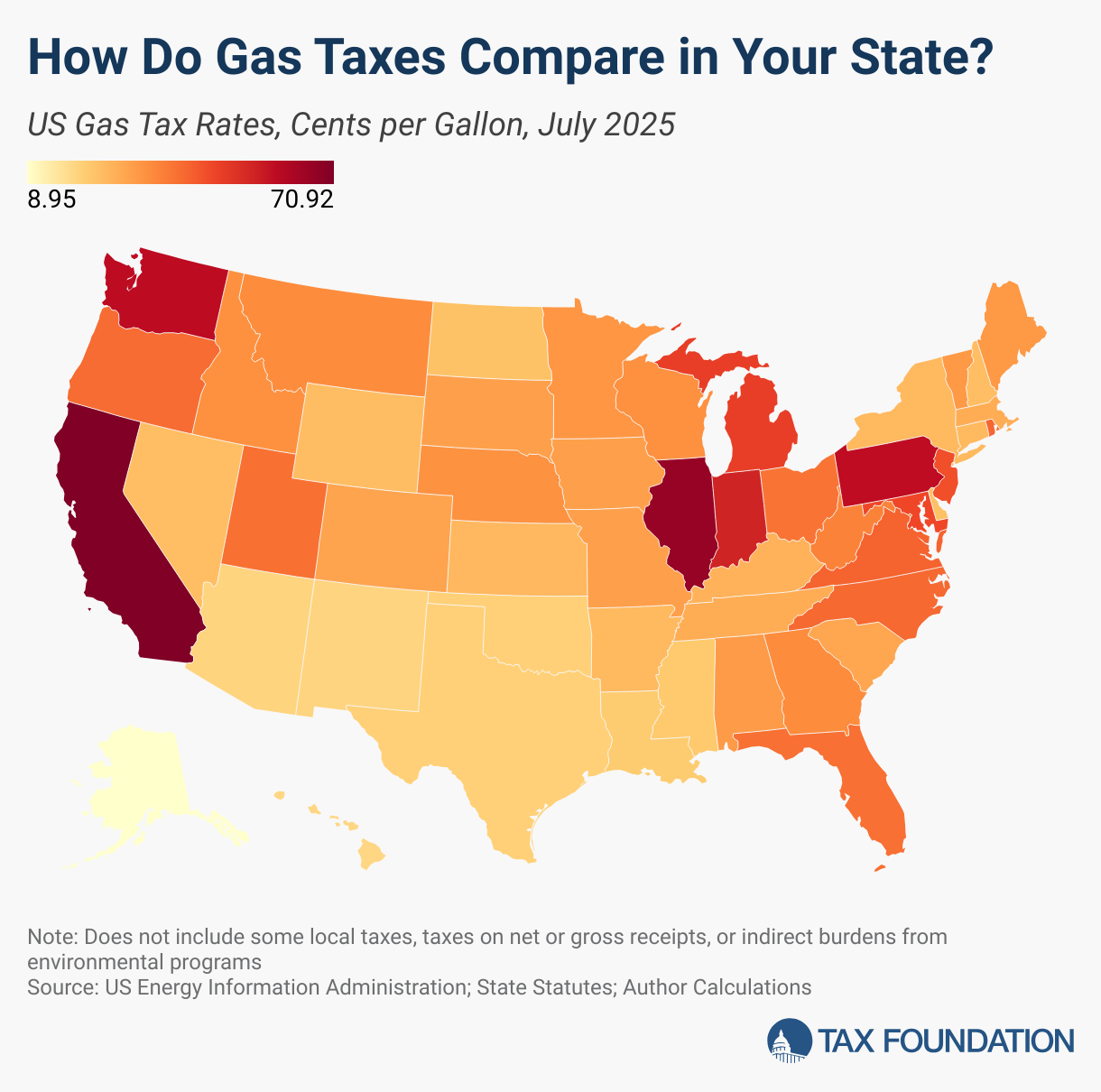
Kansas has a graduated state individual income tax, with rates ranging from 5.2 percent to 5.58 percent. Kansas has a graduated corporate income tax with a top rate of 7 percent, a 6.50 percent state sales tax rate, and an average combined state and local sales tax rate of 8.69 percent. Kansas has a 1.21 percent effective property tax rate on owner-occupied housing value. Kansas does not have an estate tax or inheritance tax. Kansas’s gas tax is 25.03 cents per gallon, and its cigarette excise tax is $1.29 per pack of 20 cigarettes.

Kansas Tax Rankings, Debt, and Tax Revenue

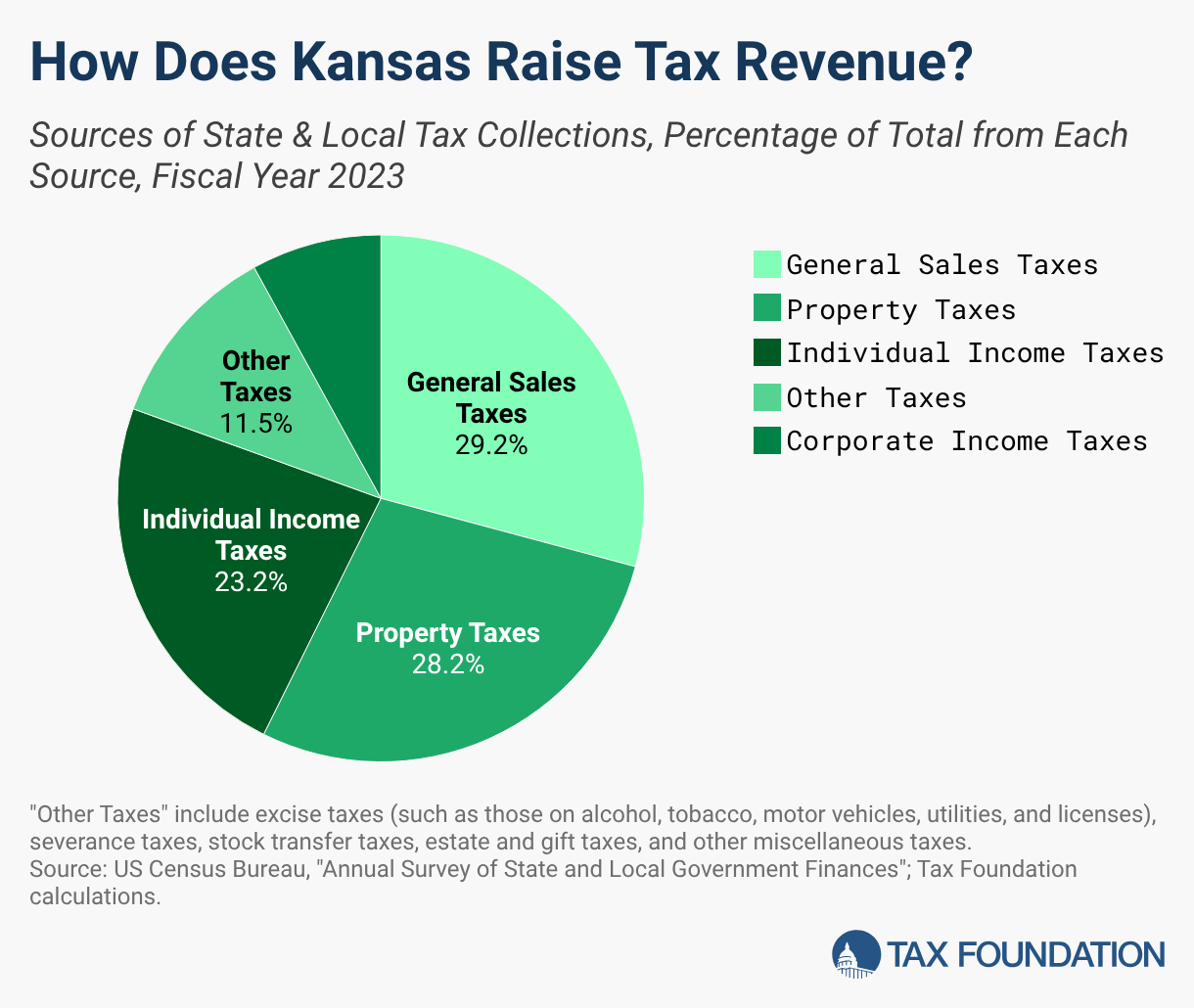
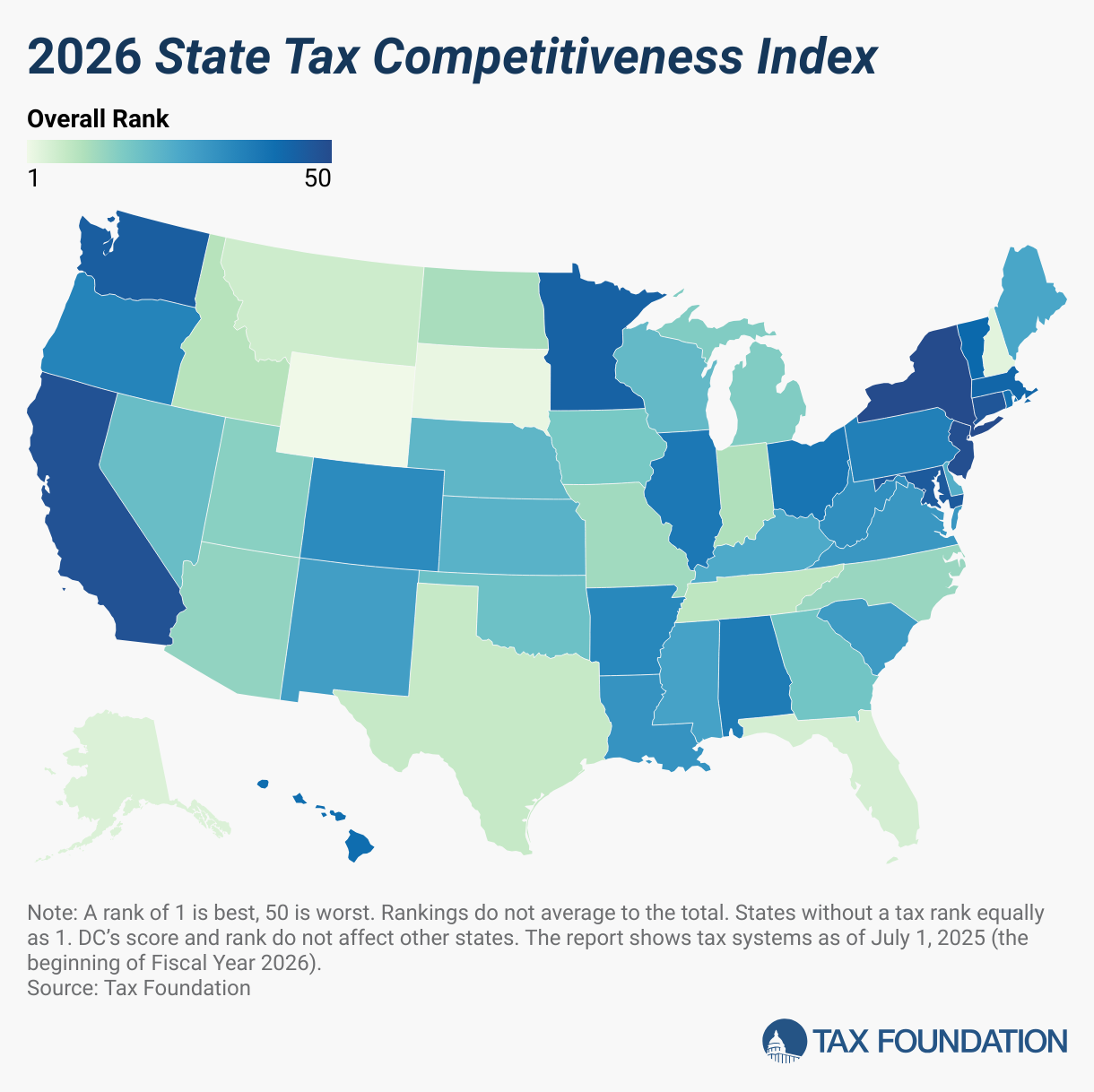
Kansas raises tax revenue primarily through general sales taxes (29.2 percent of total state and local tax revenue), property taxes (28.2 percent), and individual income taxes (23.2 percent). Kansas collects $6,609 in state and local tax collections per capita, carries $8,106 in state and local debt per capita, and has an 84 percent funded ratio of public pension plans. Kansas’s tax system ranks 23rd overall on the 2026 State Tax Competitiveness Index.

Understanding Kansas’s Tax System

Each state’s tax code is a multifaceted system with many moving parts, and Kansas is no exception. Use the tabs below to compare Kansas taxes with other states and to see how Kansas raises tax revenue. You can also browse our tax maps, which are compiled from our annual publication, Facts & Figures 2026: How Does Your State Compare?

See Related Articles

Tax Data by State

Get facts about taxes in your state and around the US

Explore Data

How Do Taxes in Kansas Compare?

How Does Kansas Collect Revenue?

How Does Kansas' Tax System Rank?


All Related Articles

Premium cigar taxes by state 2024

Premium Cigar Taxes by State, 2024

Over 500 million premium cigars were sold in the United States in 2023. With each sale comes a complex tax landscape.

4 min read
Property Tax Relief and Reforms include Property Tax Levy Limits not Assessment Limits Property Tax Revolt

Confronting the New Property Tax Revolt

Policymakers can and should address taxpayers’ legitimate grievances about out-of-control property tax bills, but they should do so without upending a system of taxation that is more efficient, fair, and pro-growth, and better suited to municipal finance, than any of the alternatives.

39 min read
2025 State Tax Competitiveness Index

2025 State Tax Competitiveness Index

The State Tax Competitiveness Index enables policymakers, taxpayers, and business leaders to gauge how their states’ tax systems compare. While there are many ways to show how much state governments collect in taxes, the Index evaluates how well states structure their tax systems and provides a road map for improvement.

115 min read
GILTI Tax Treatment by State, 2024 GILTI state tax rates

GILTI Tax Treatment by State, 2024

States that tax GILTI increase filing complexity, drive up the cost of tax compliance, and introduce unnecessary economic uncertainty and legal risk. 21 states and DC continue to tax GILTI despite these challenges.

6 min read
Taxpayers Shoulder a Heavy Burden for Sports Stadium Subsidies

Taxpayers Shoulder a Heavy Burden for Sports Stadium Subsidies

Sports stadium subsidies are salient political gimmicks designed to appear as if politicians are providing tangible benefits to taxpayers. The empirical evidence shows repeatedly that stadium subsidies fail to generate new tax revenue and new jobs or attract new businesses.

6 min read
Online sports betting tax rates by state 2024

Online Sports Betting Taxes by State, 2024

Legal sports betting has grown rapidly since the Supreme Court granted states the ability to establish online sports betting markets in Murphy vs. NCAA in 2018.

3 min read
Taxes and interstate migration data from IRS and Census state migration trends show Americans moving to low-tax states 2024 interstate migration by state

Taxes and Interstate Migration: 2024 Update

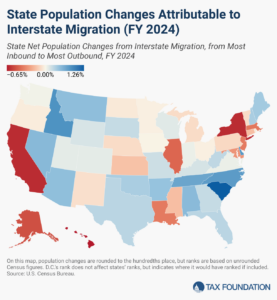
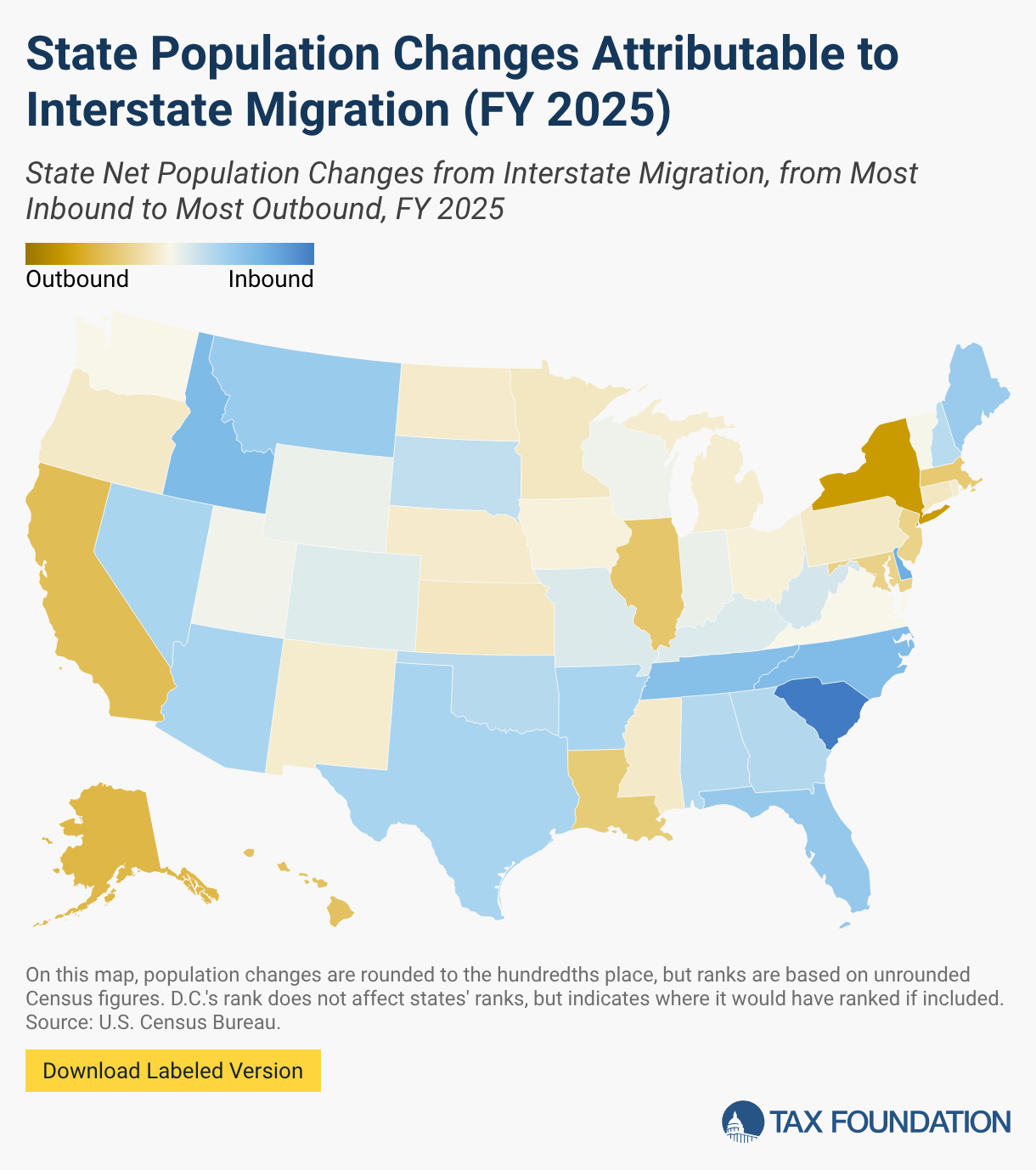
The latest IRS and Census data show that people and businesses favor states with low and structurally sound tax systems, which can impact the state’s economic growth and governmental coffers.

8 min read