Skip to content

Taxes In Kansas

2026 Kansas Tax Rates, Collections, and Burdens

How Do Kansas Taxes Compare to Other States?

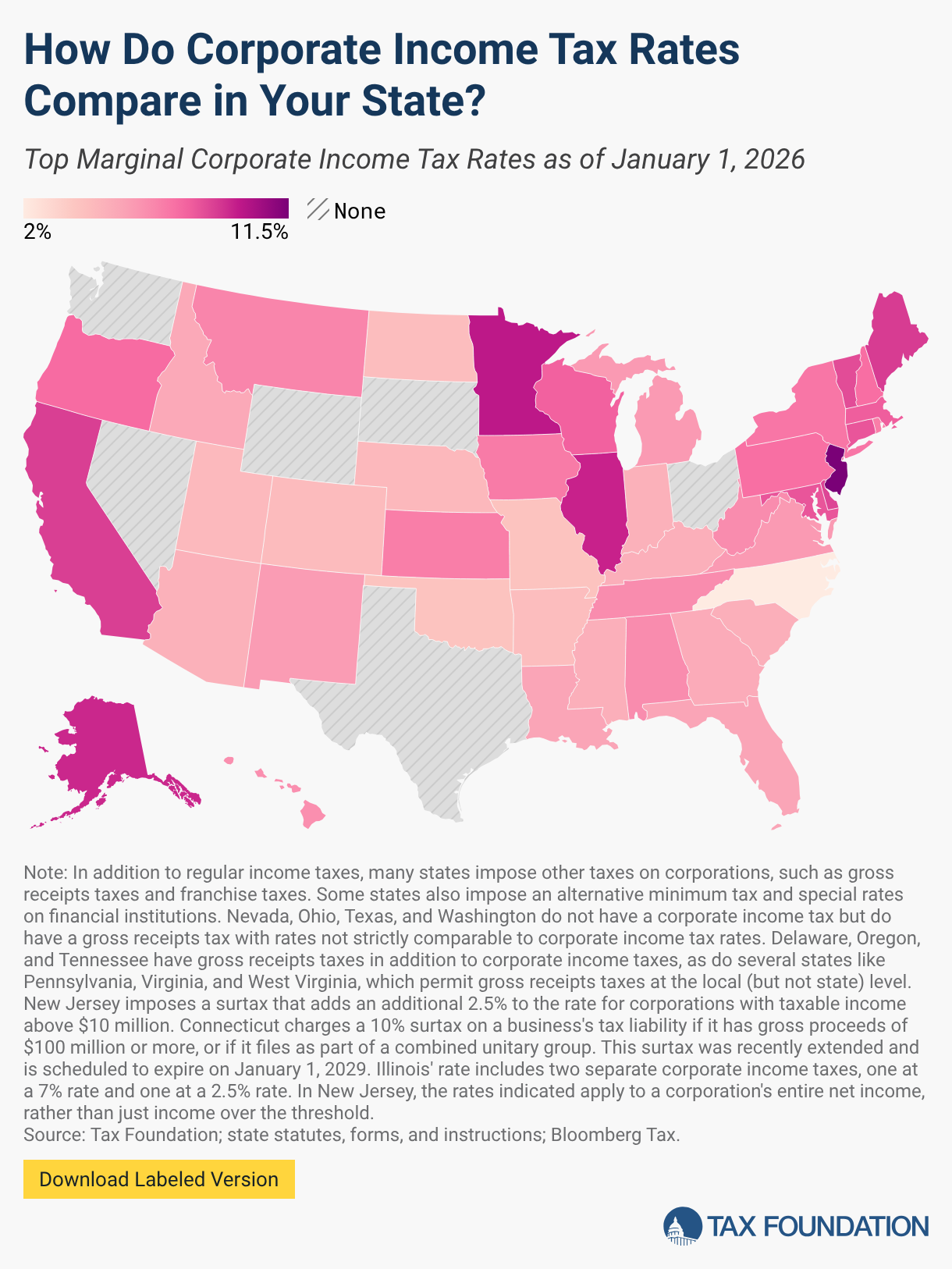
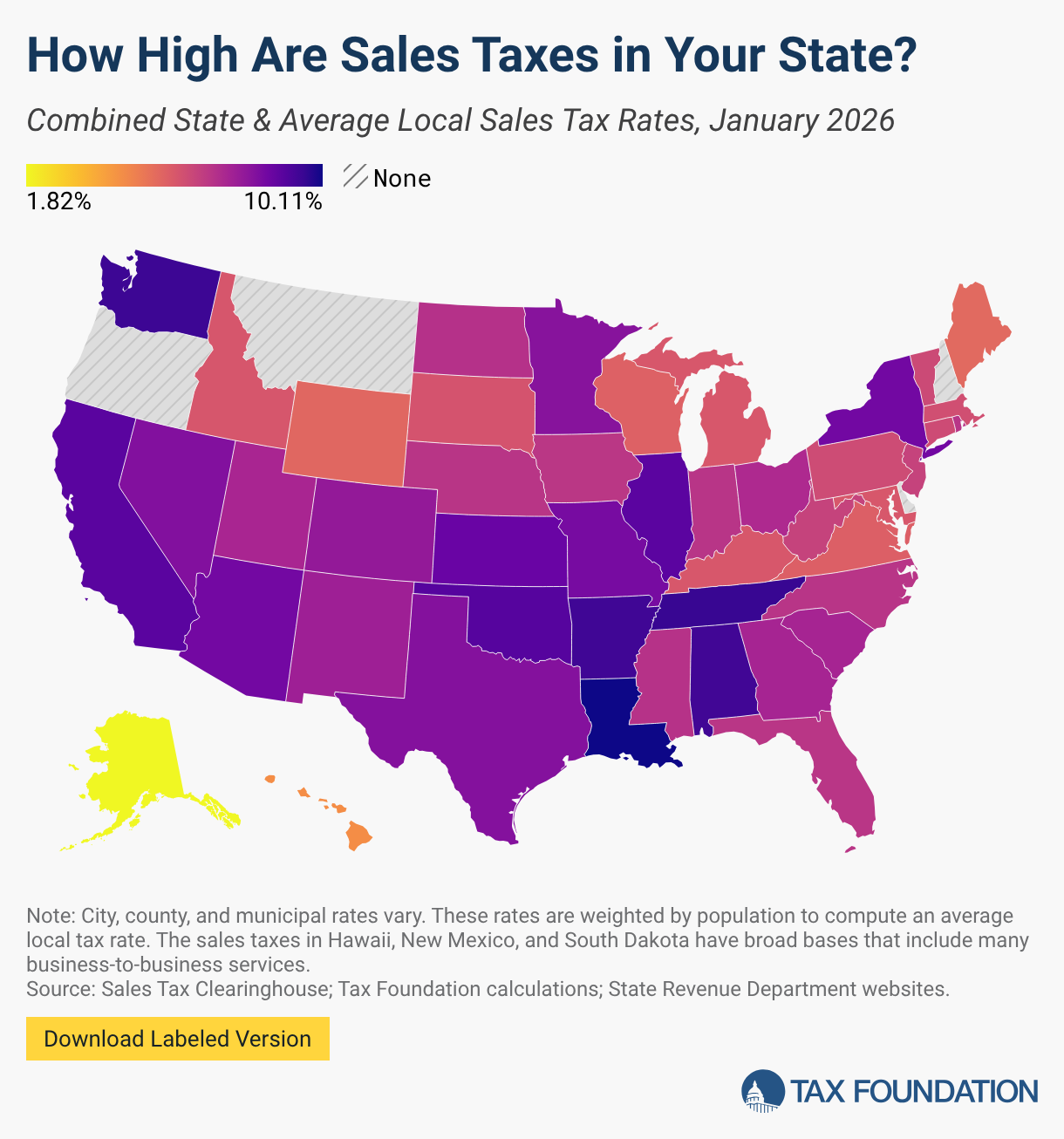
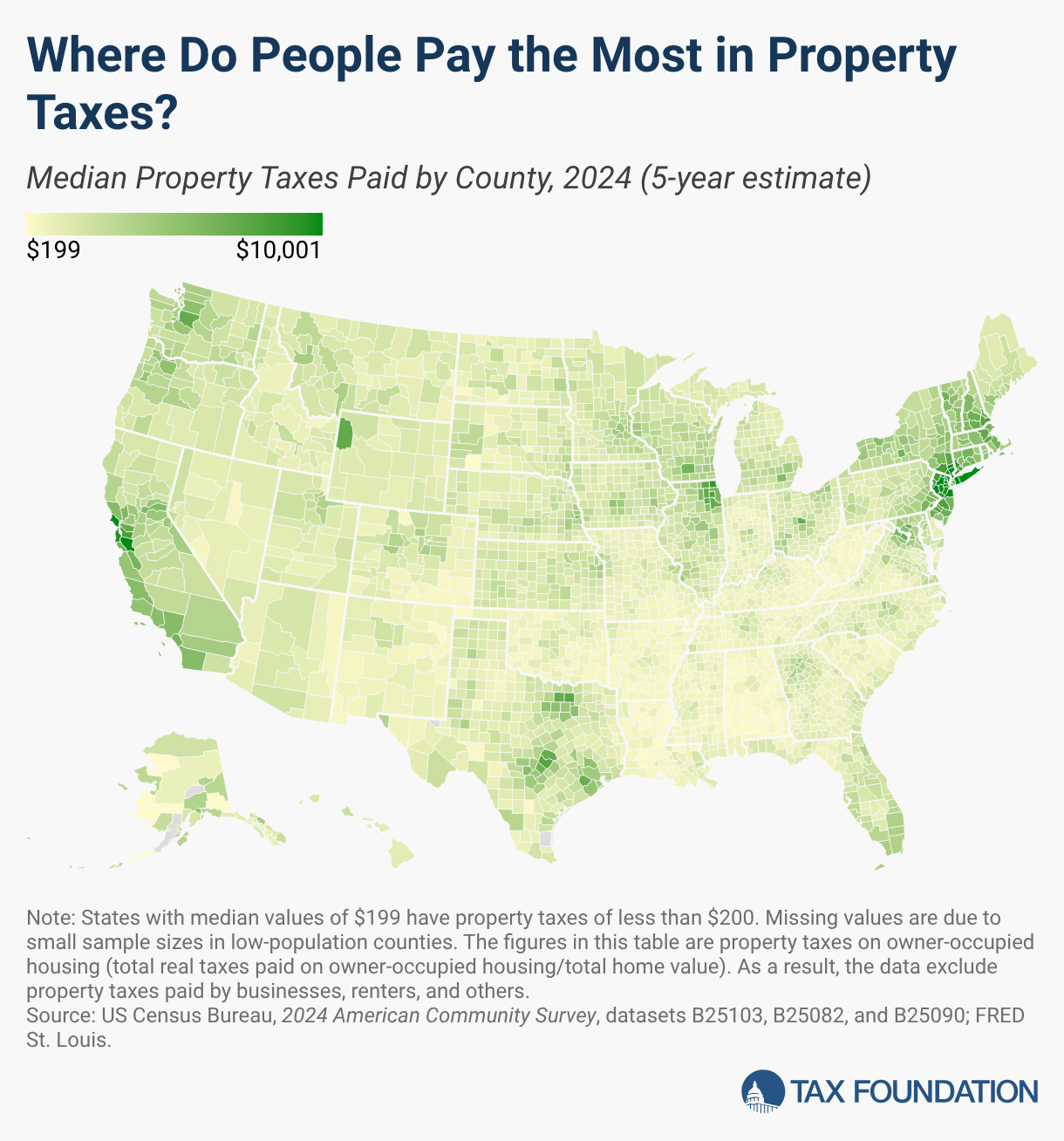
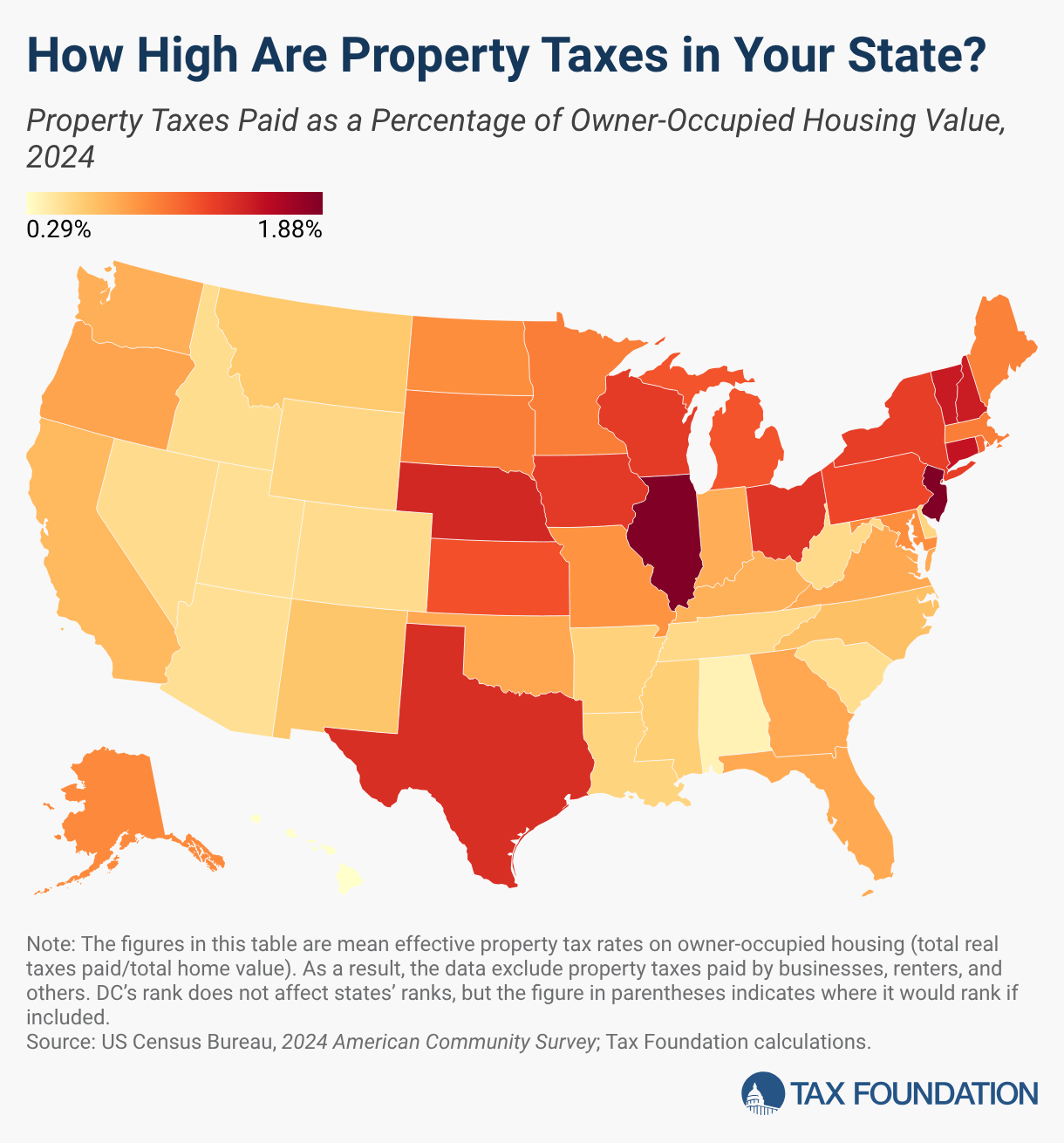
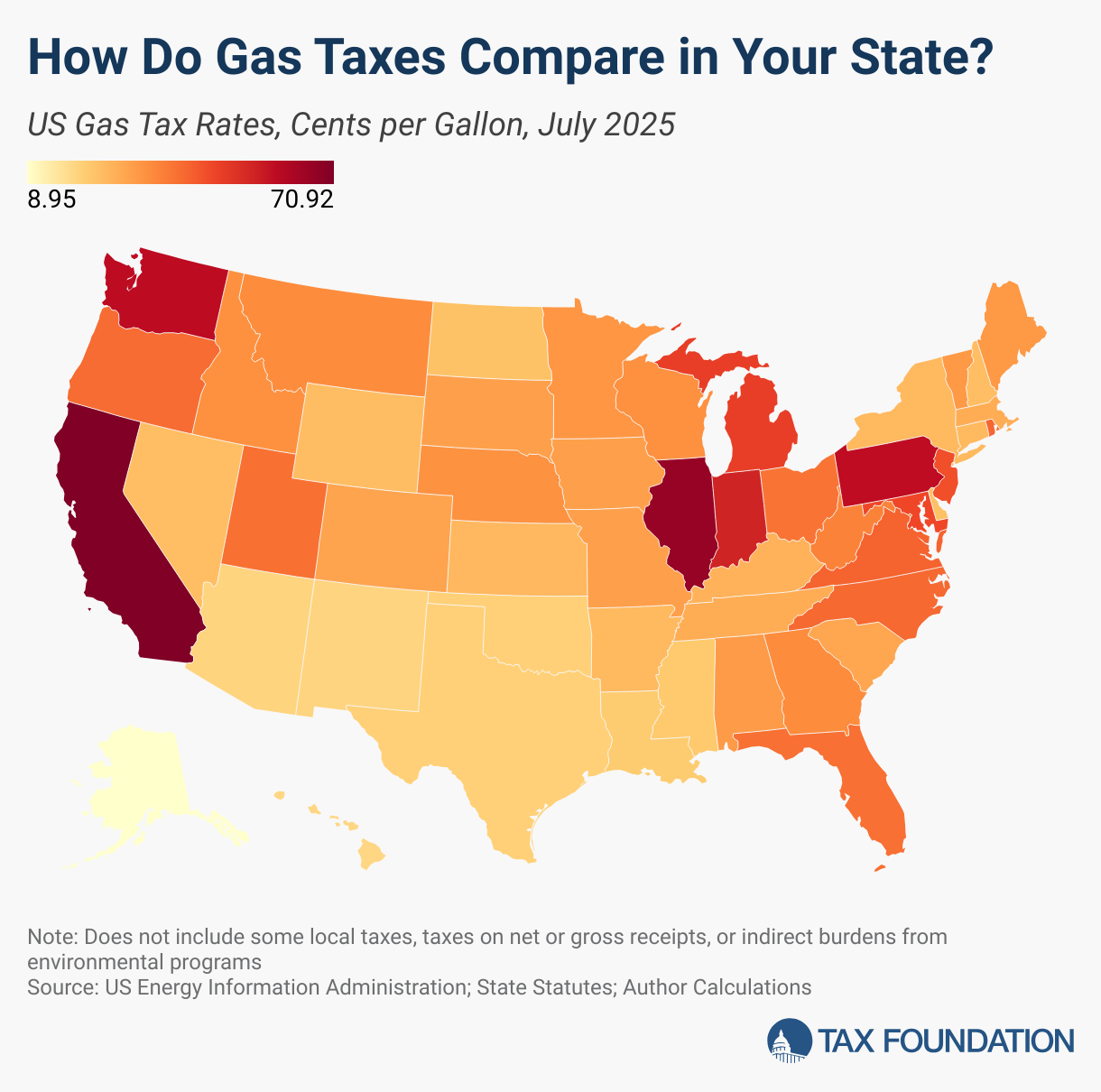
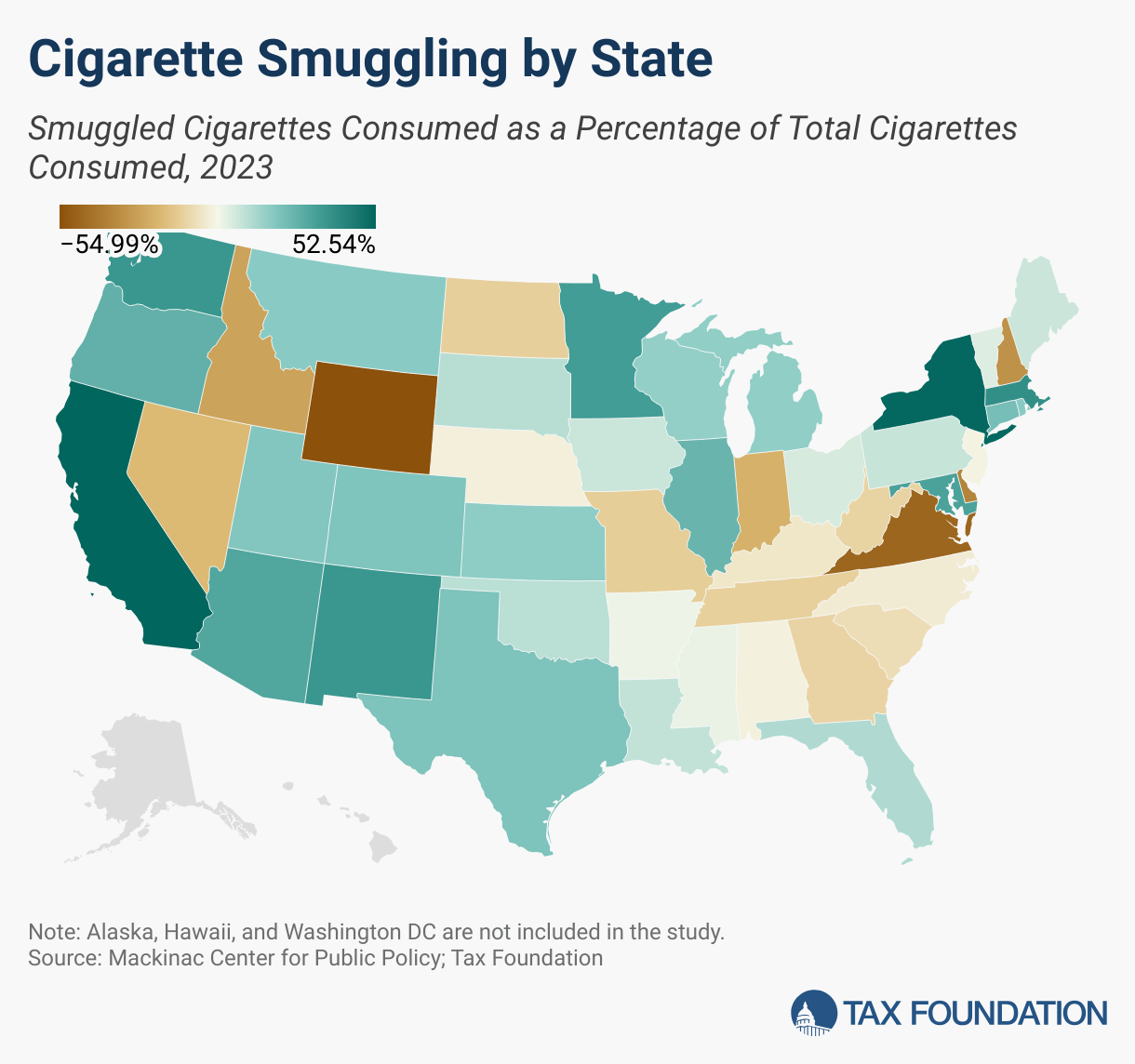
Kansas has a graduated state individual income tax, with rates ranging from 5.2 percent to 5.58 percent. Kansas has a graduated corporate income tax with a top rate of 7 percent, a 6.50 percent state sales tax rate, and an average combined state and local sales tax rate of 8.69 percent. Kansas has a 1.21 percent effective property tax rate on owner-occupied housing value. Kansas does not have an estate tax or inheritance tax. Kansas’s gas tax is 25.03 cents per gallon, and its cigarette excise tax is $1.29 per pack of 20 cigarettes.

Kansas Tax Rankings, Debt, and Tax Revenue

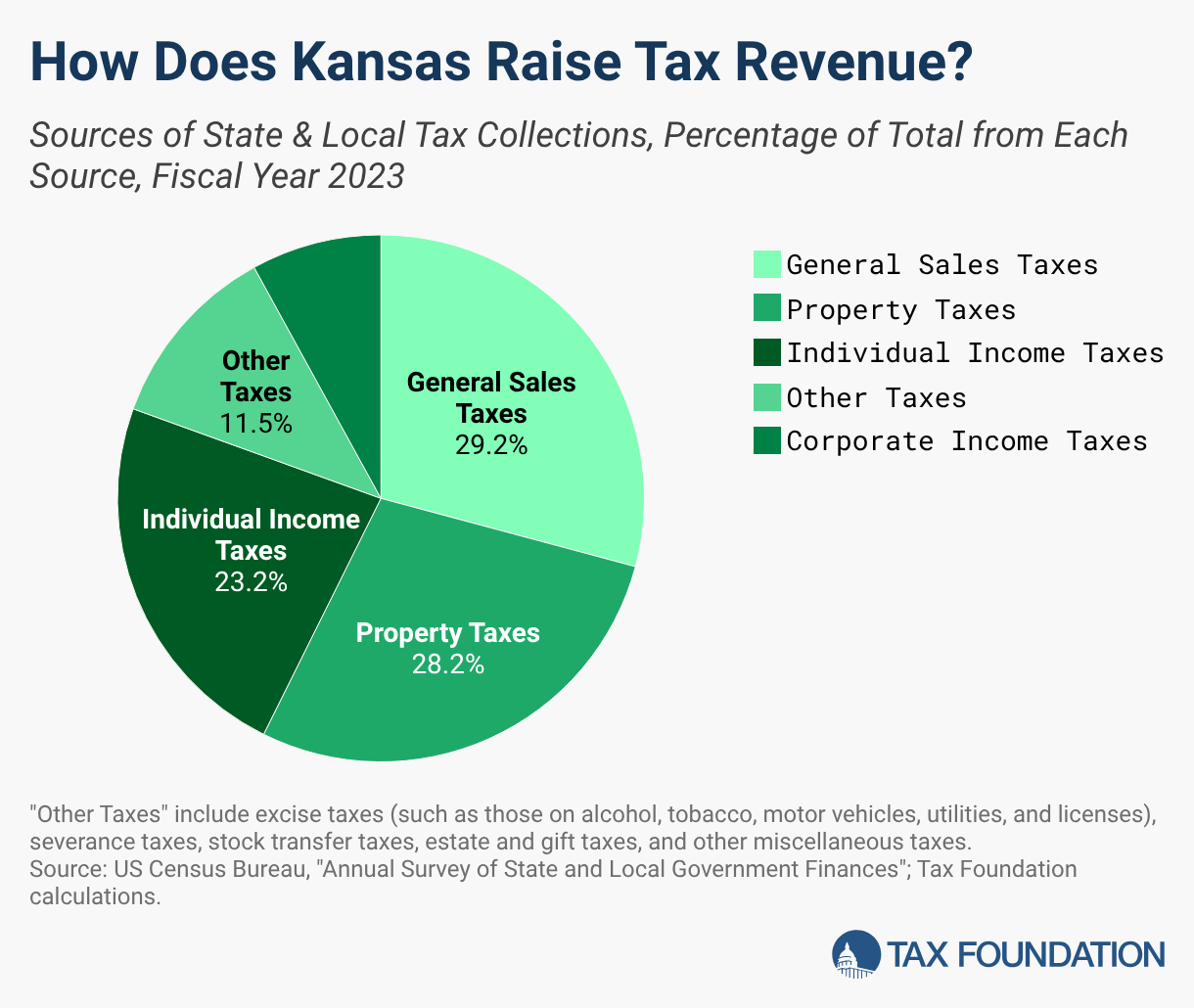
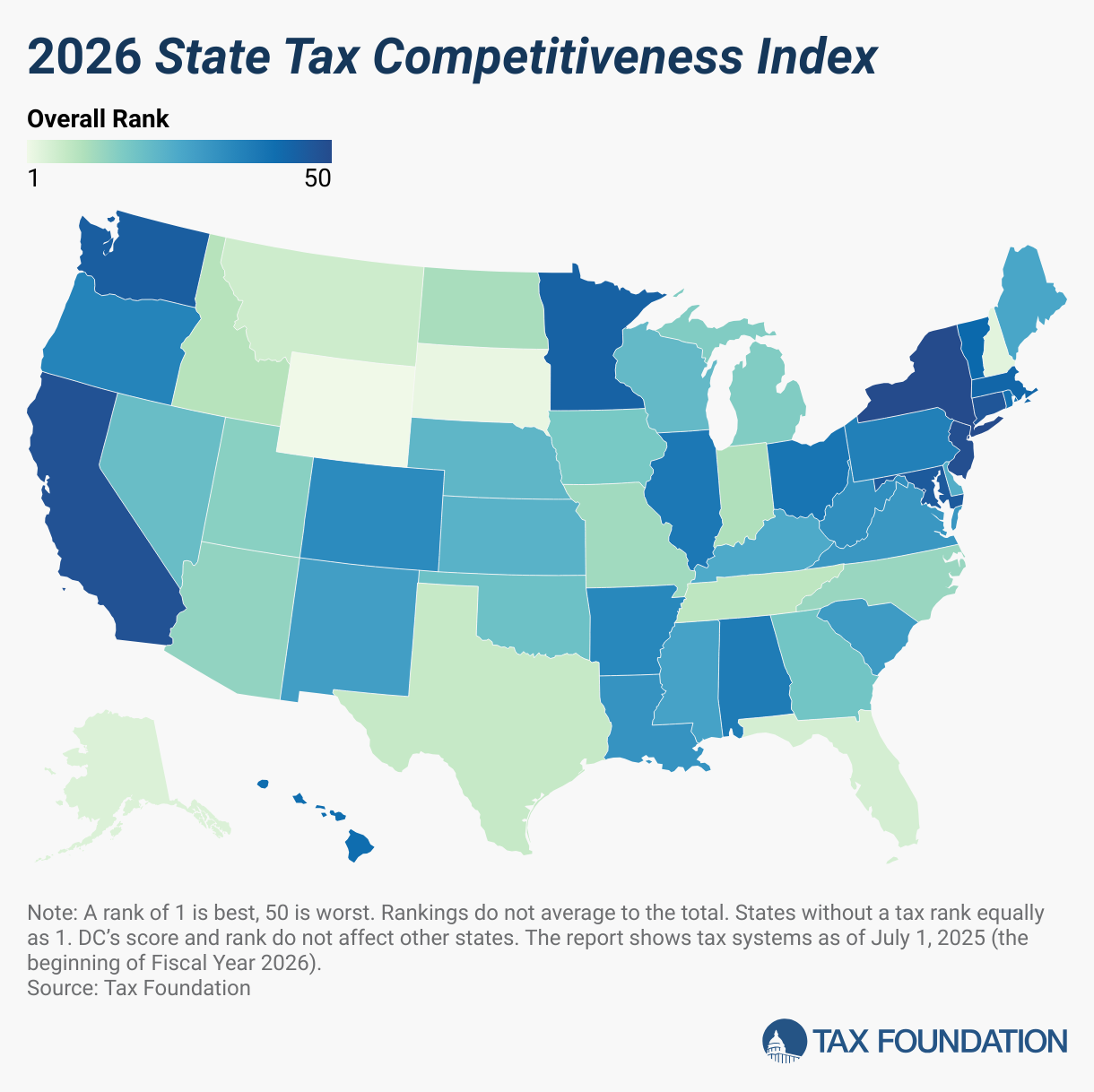
Kansas raises tax revenue primarily through general sales taxes (29.2 percent of total state and local tax revenue), property taxes (28.2 percent), and individual income taxes (23.2 percent). Kansas collects $6,609 in state and local tax collections per capita, carries $8,106 in state and local debt per capita, and has an 84 percent funded ratio of public pension plans. Kansas’s tax system ranks 23rd overall on the 2026 State Tax Competitiveness Index.

Understanding Kansas’s Tax System

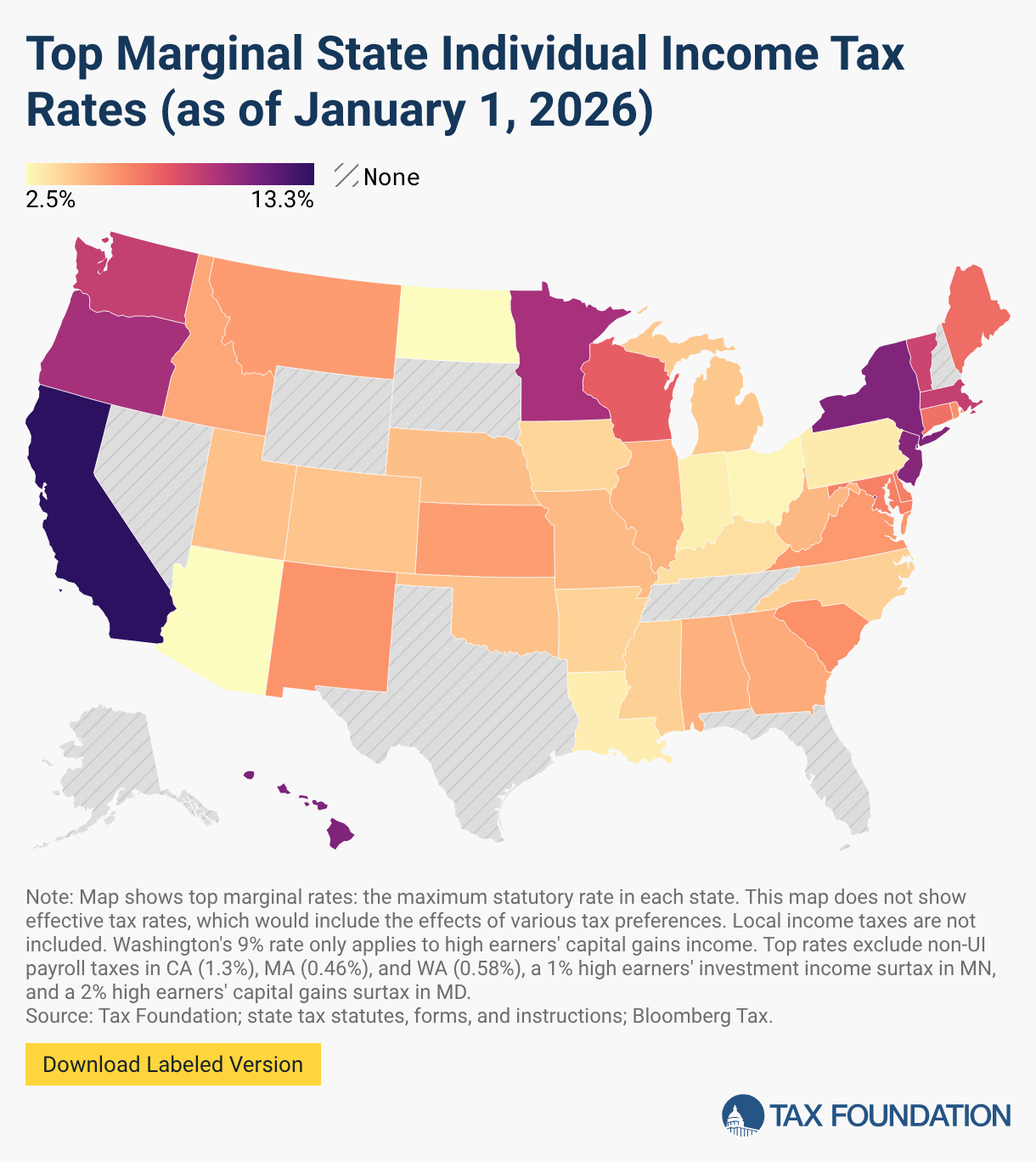
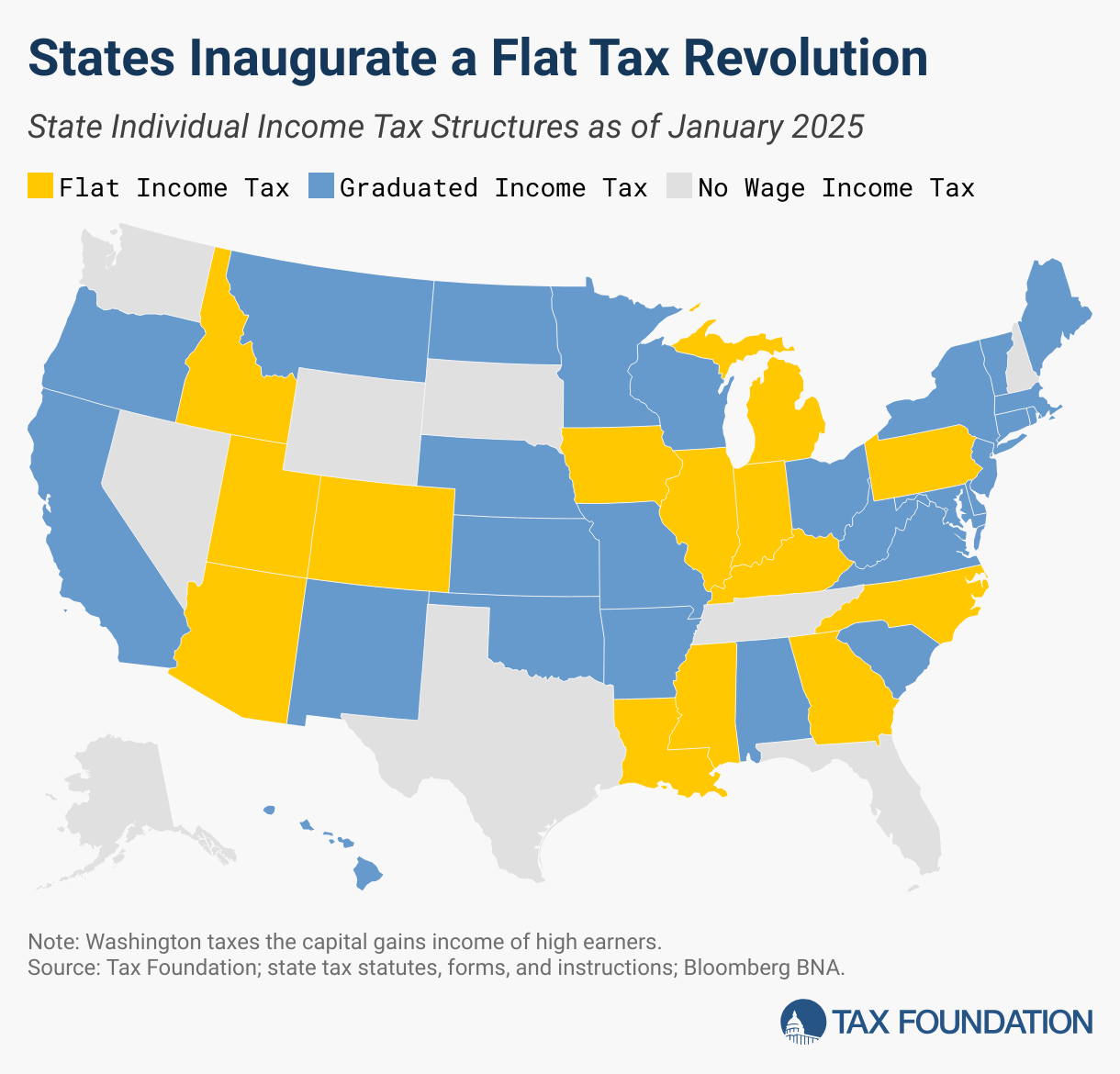
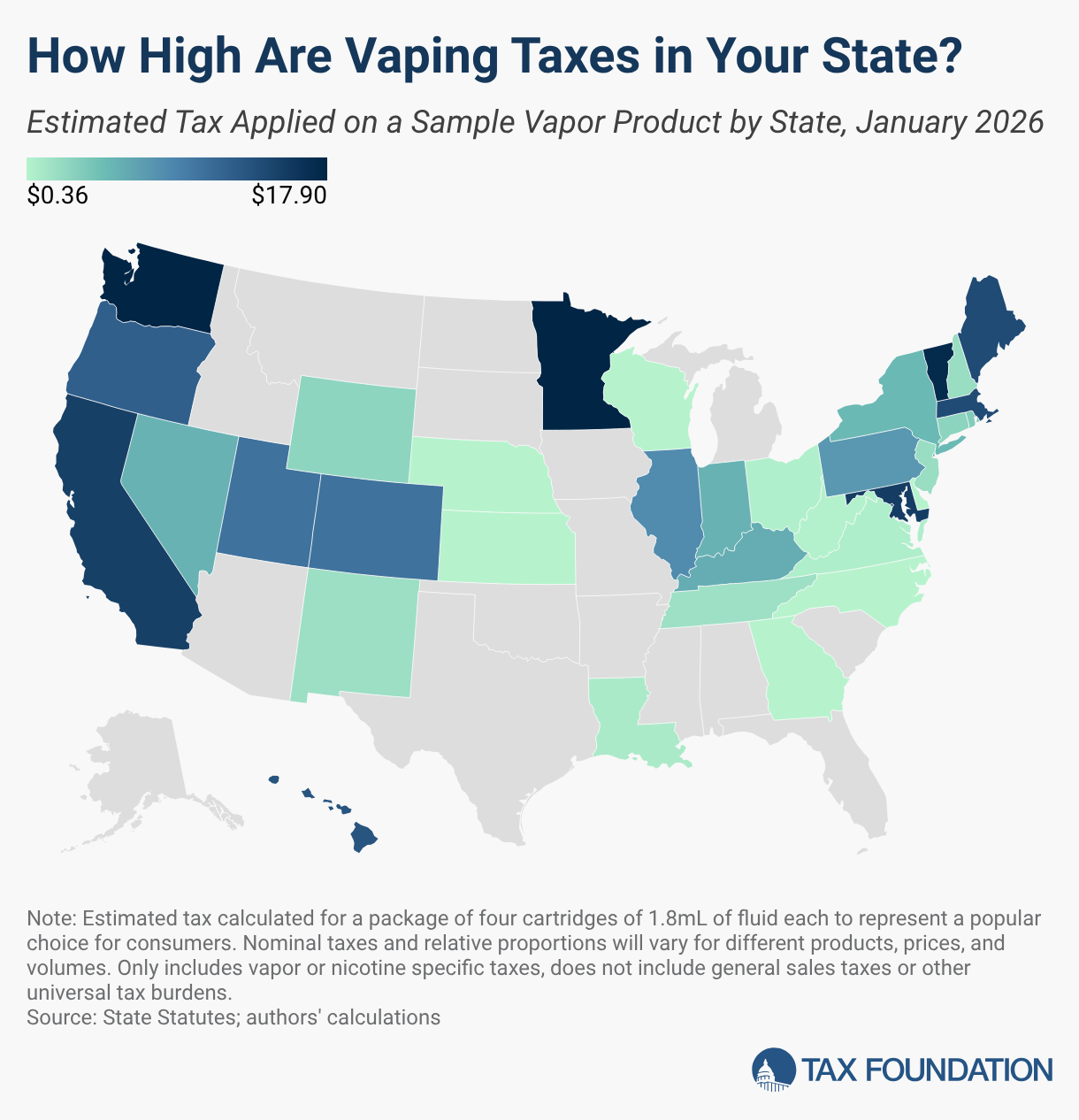
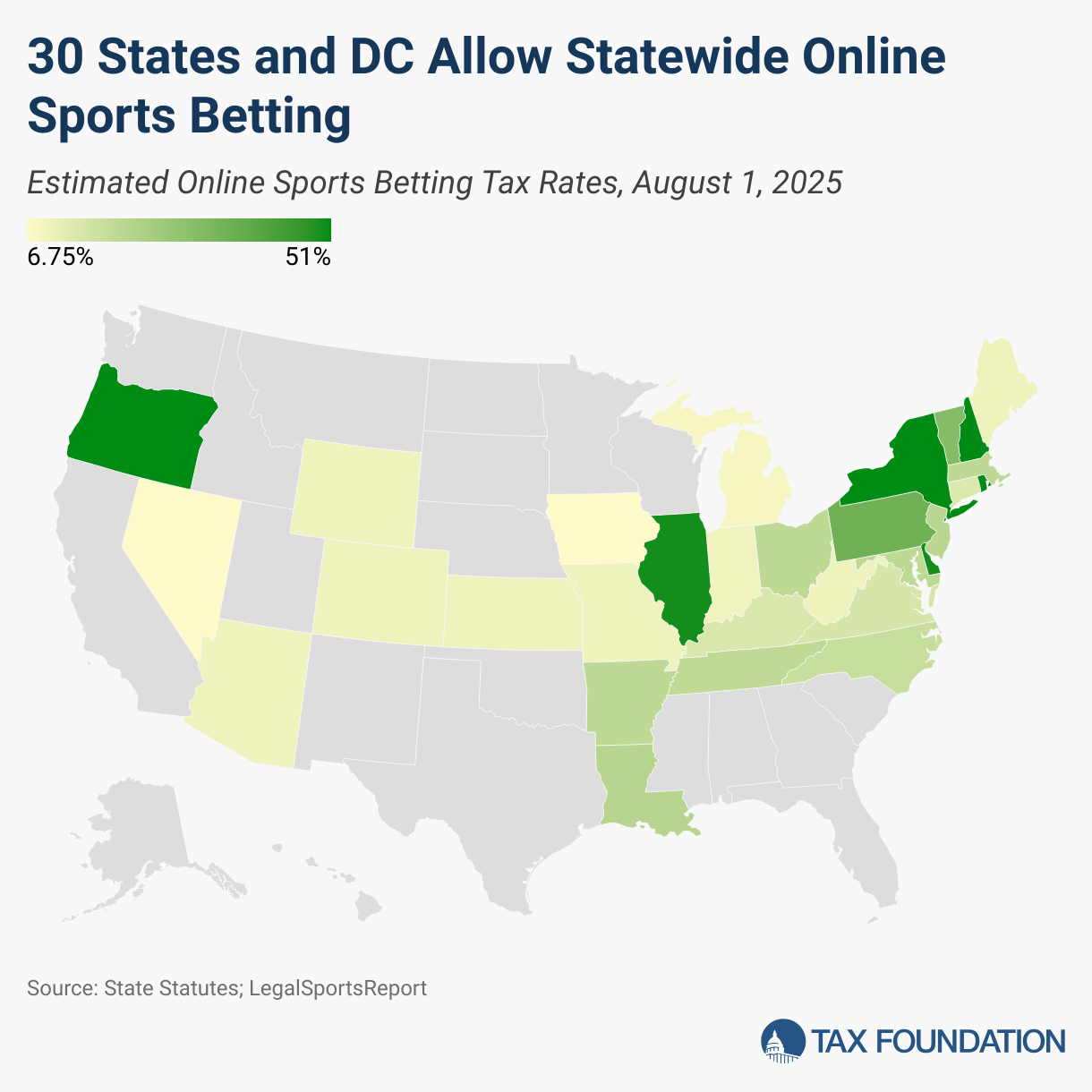
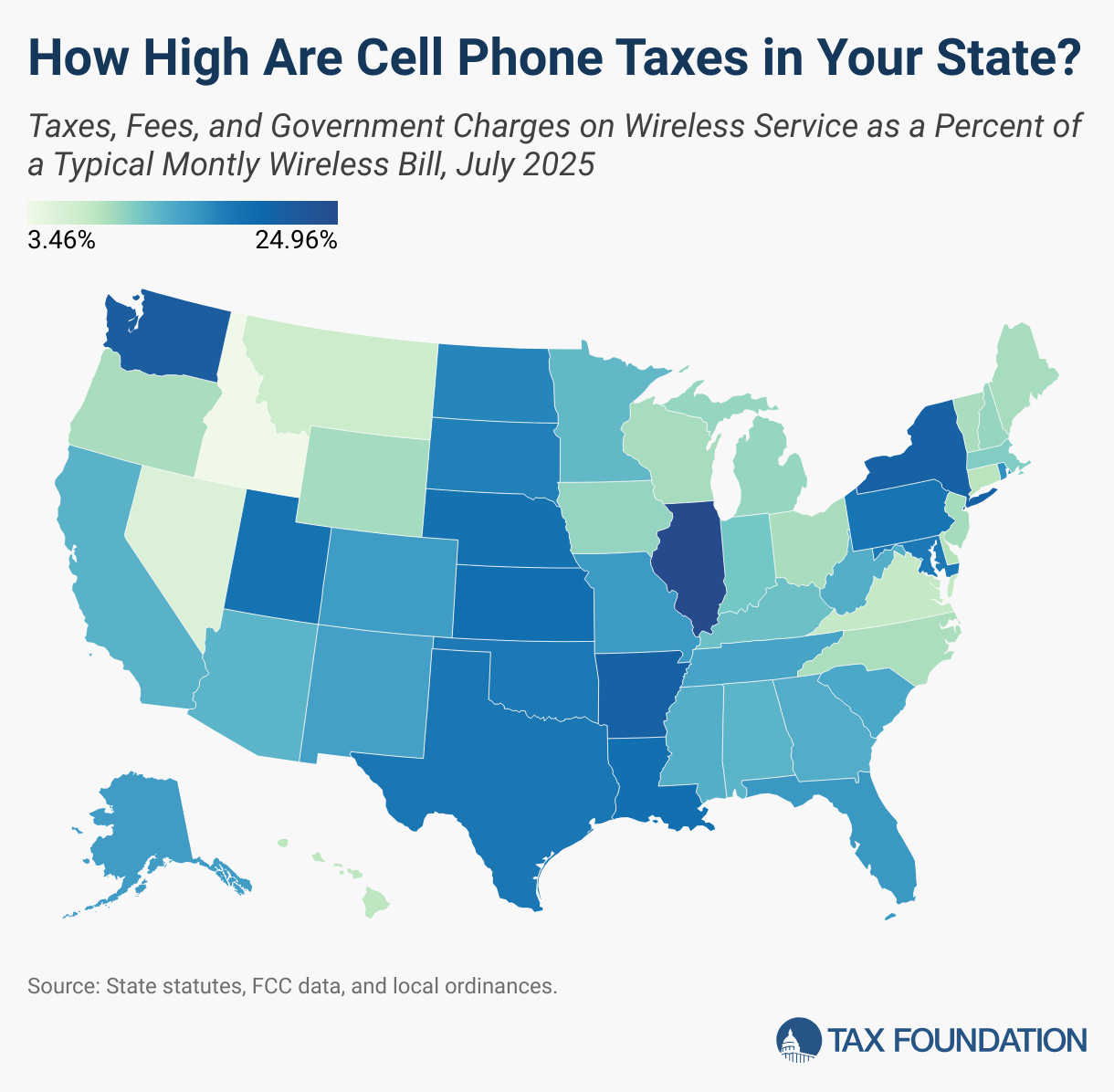
Each state’s tax code is a multifaceted system with many moving parts, and Kansas is no exception. Use the tabs below to compare Kansas taxes with other states and to see how Kansas raises tax revenue. You can also browse our tax maps, which are compiled from our annual publication, Facts & Figures 2026: How Does Your State Compare?

See Related Articles

Tax Data by State

Get facts about taxes in your state and around the US

Explore Data

How Do Taxes in Kansas Compare?

How Does Kansas Collect Revenue?

How Does Kansas' Tax System Rank?


All Related Articles

2022 state tax resource center offers leading 2022 state tax resources and 2022 state tax policy resources

Location Matters 2021: The State Tax Costs of Doing Business

A landmark comparison of corporate tax costs in all 50 states, Location Matters provides a comprehensive calculation of real-world tax burdens, going beyond headline rates to demonstrate how tax codes impact businesses and offering policymakers a road map to improvement.

8 min read
Kansas sales tax groceries Kansas tax reform bill veto override

Kansas Lawmakers to Consider Veto Override on Tax Reform Bill

Kansas has the revenue cushion it needs to provide tax relief to individuals and businesses and improve the structure of its tax code in the process. These pro-growth reforms would not only help taxpayers amid the pandemic but would also promote economic recovery and growth in a state that is lagging behind its competitors.

7 min read
State conformity to federal pandemic relief, state tax conformity to federal COVID-19 relief legislation (CARES Act, American Rescue Plan), including Paycheck Protection Program (PPP) loans and unemployment compensation tax exclusion.

State Conformity to Federal Pandemic-Related Tax Provisions in CARES and ARPA

With so many federal changes occurring in such a short amount of time—including some federal provisions changing more than once and a major change to the treatment of UC income occurring in the middle of tax filing season—state legislators have faced the challenge of responding to these changes quickly in order to provide certainty to taxpayers.

24 min read
State tax burden map, state and local tax burden, state-local tax burden rankings, 2021 state tax burden rankings, state tax burdens map

State and Local Tax Burdens, Calendar Year 2019

New Yorkers faced the highest burden, with 14.1 percent of income in the state going to state and local taxes. Connecticut (12.8 percent) and Hawaii (12.7 percent) followed.

19 min read
PPP state tax PPP loan forgiveness. State tax treatment of PPP loans. States tax forgiven PPP loans August 23 2021

Which States Are Taxing Forgiven PPP Loans?

Congress chose to exempt forgiven Paycheck Protection Program (PPP) loans from federal income taxation. Many states, however, remain on track to tax them by either treating forgiven loans as taxable income, denying the deduction for expenses paid for using forgiven loans, or both.

11 min read