
Skip to content

Taxes In Indiana

2026 Indiana Tax Rates, Collections, and Burdens

How Do Indiana Taxes Compare to Other States?

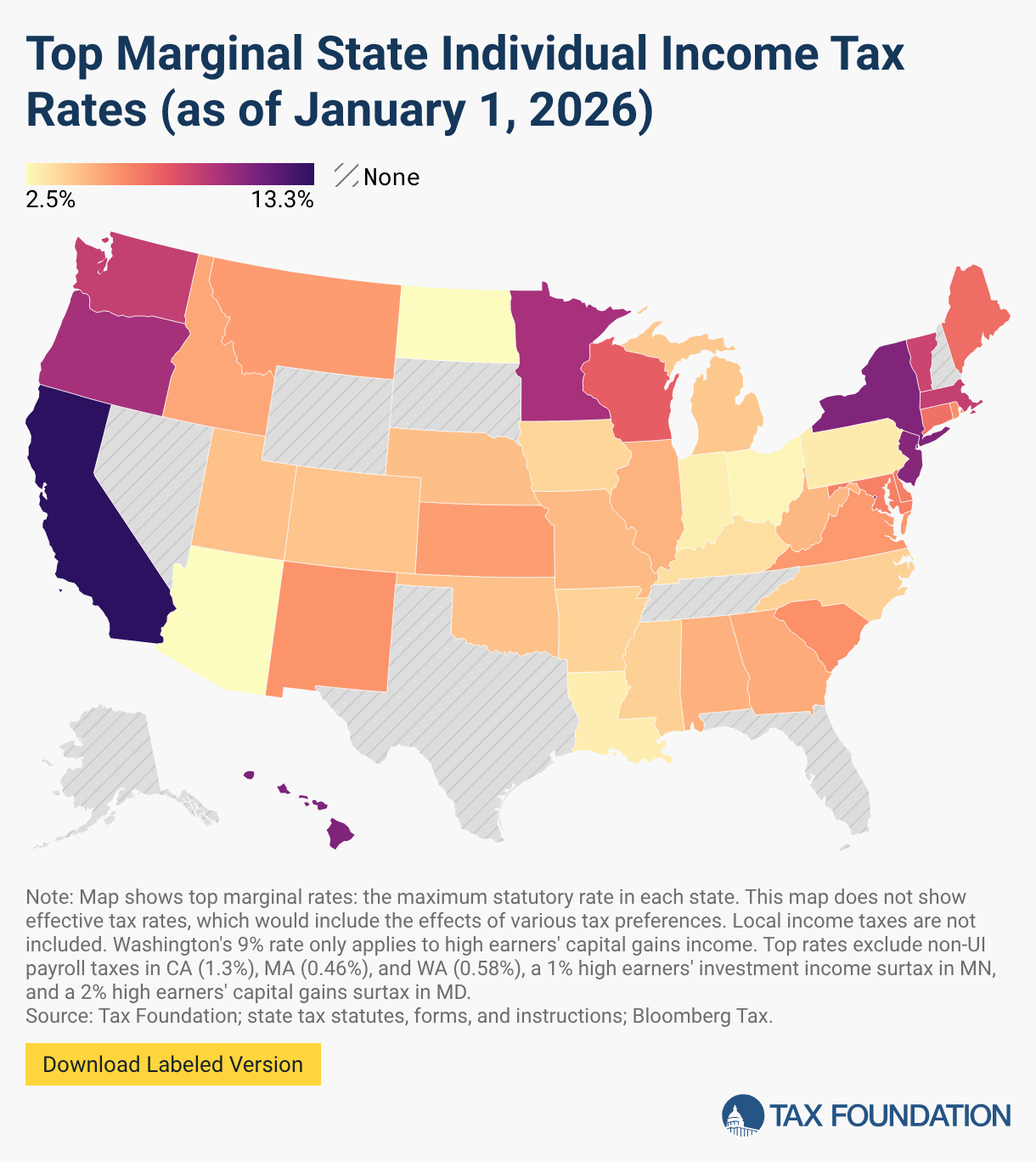
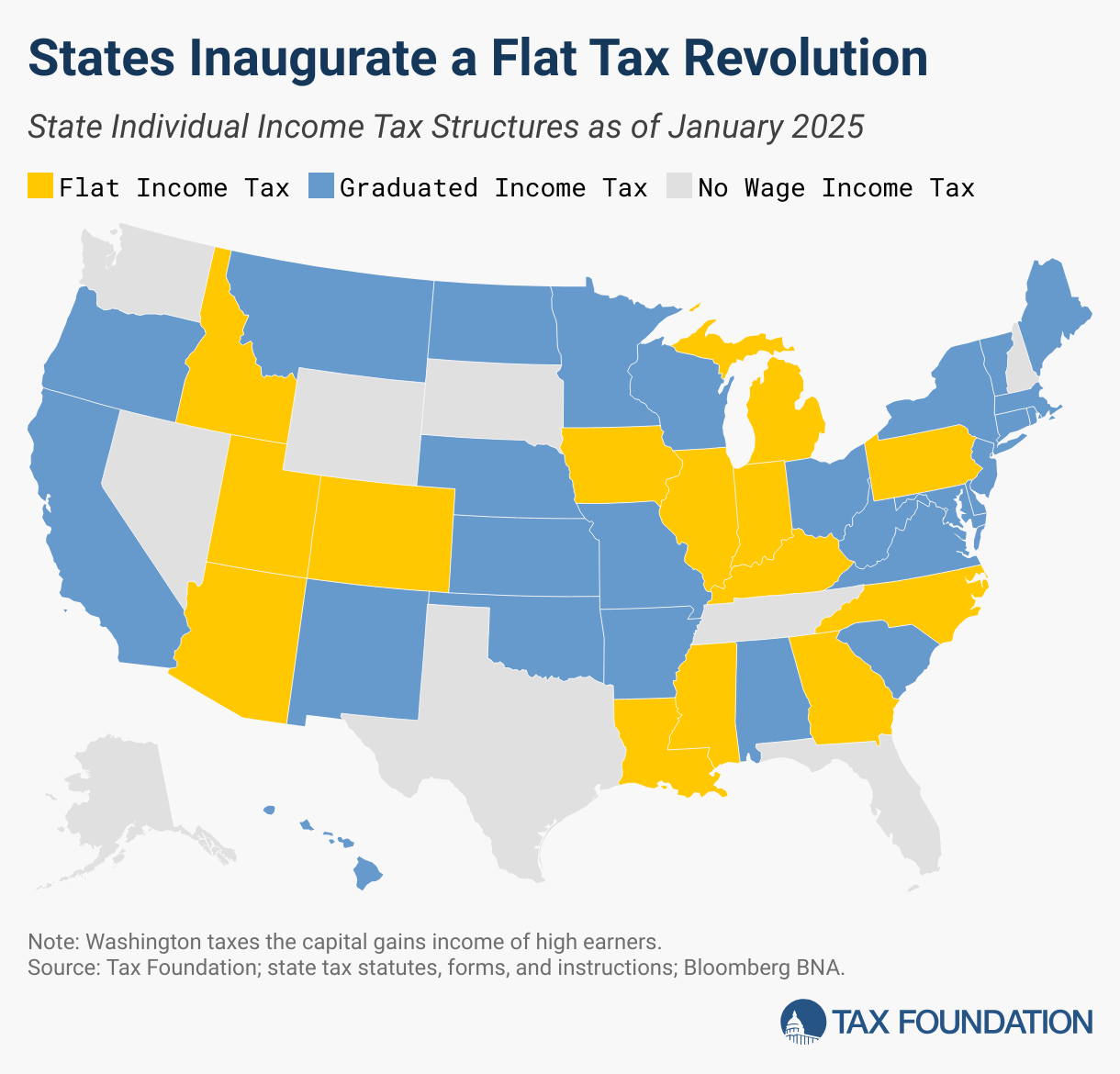
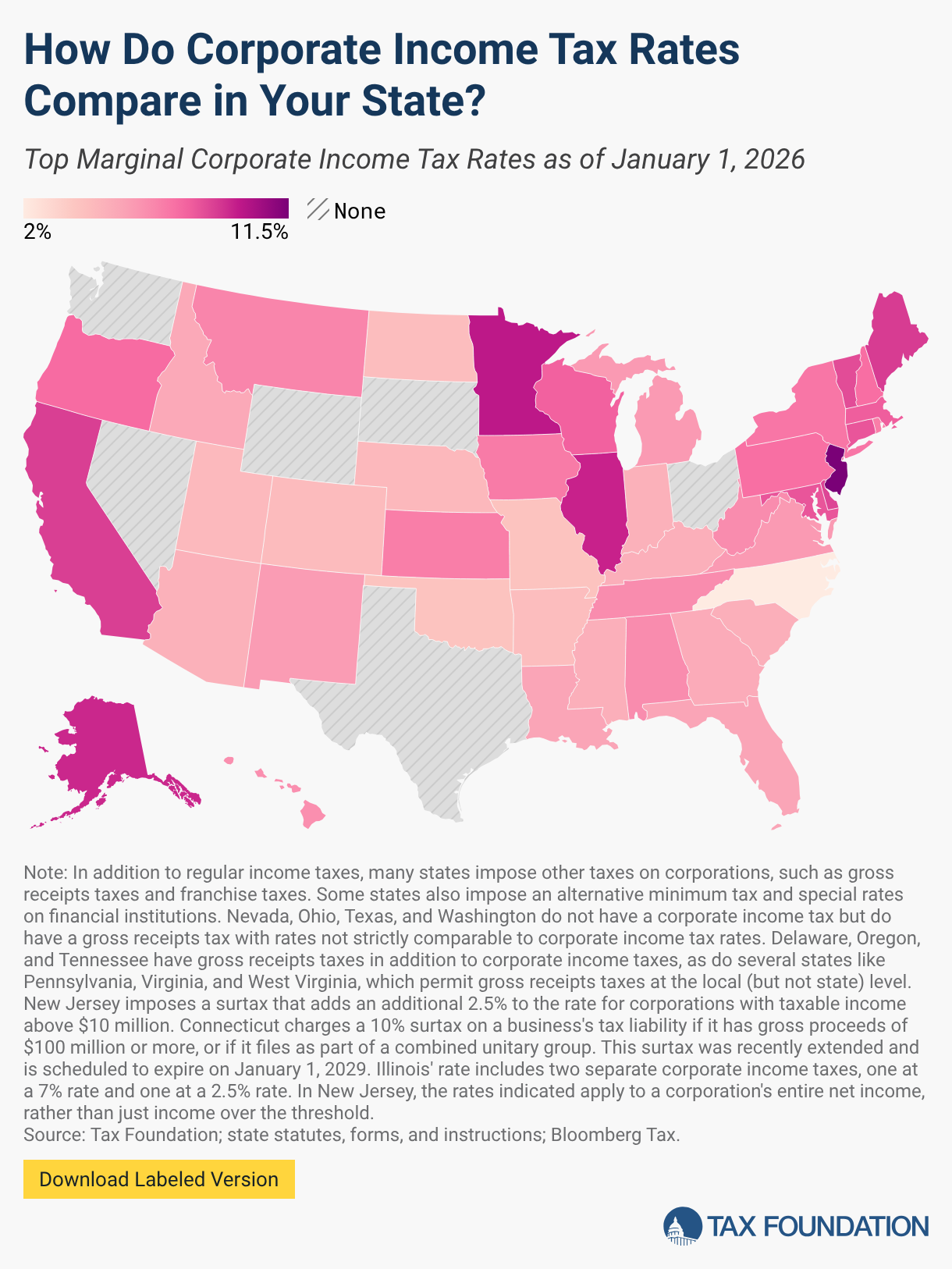
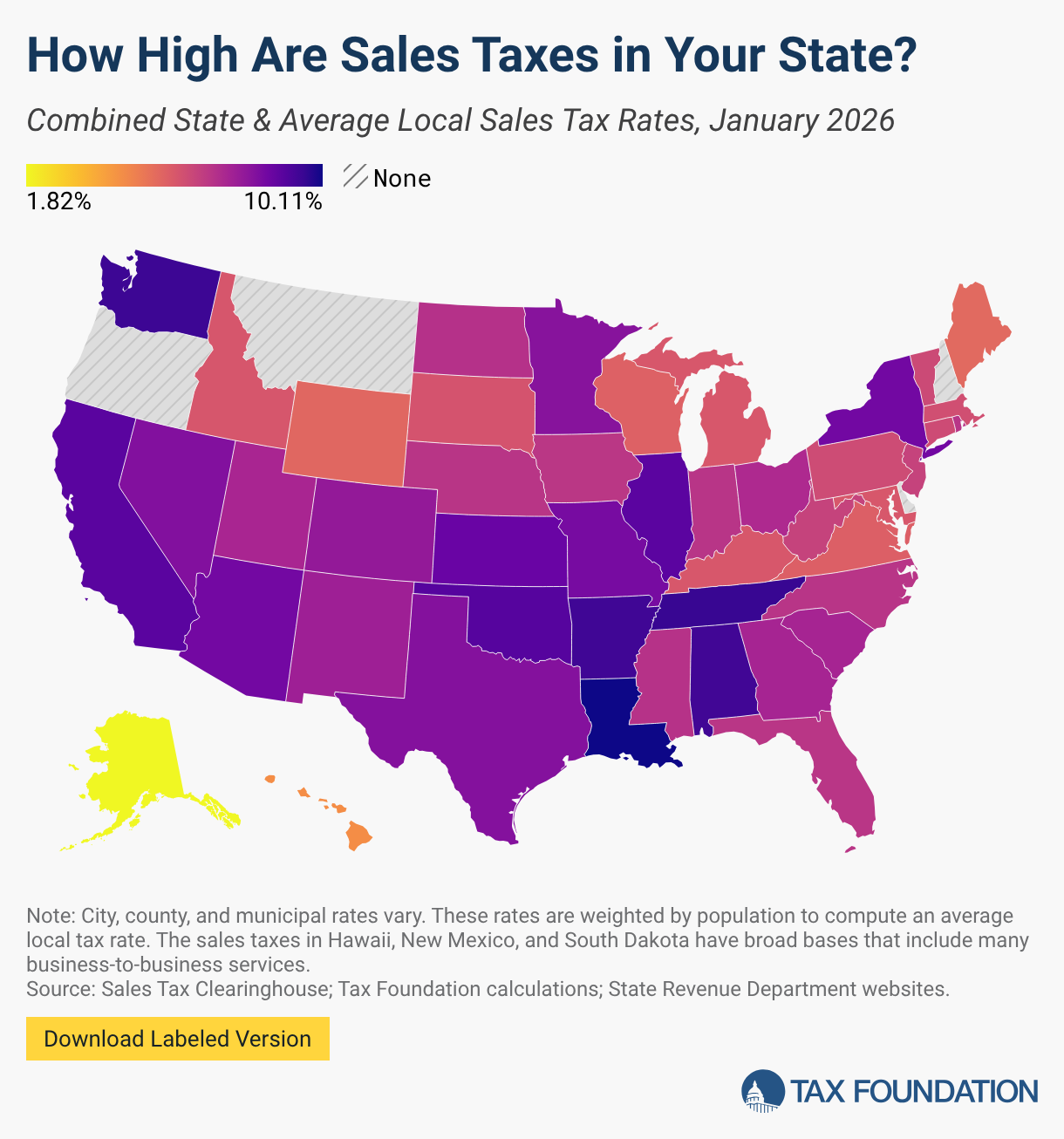
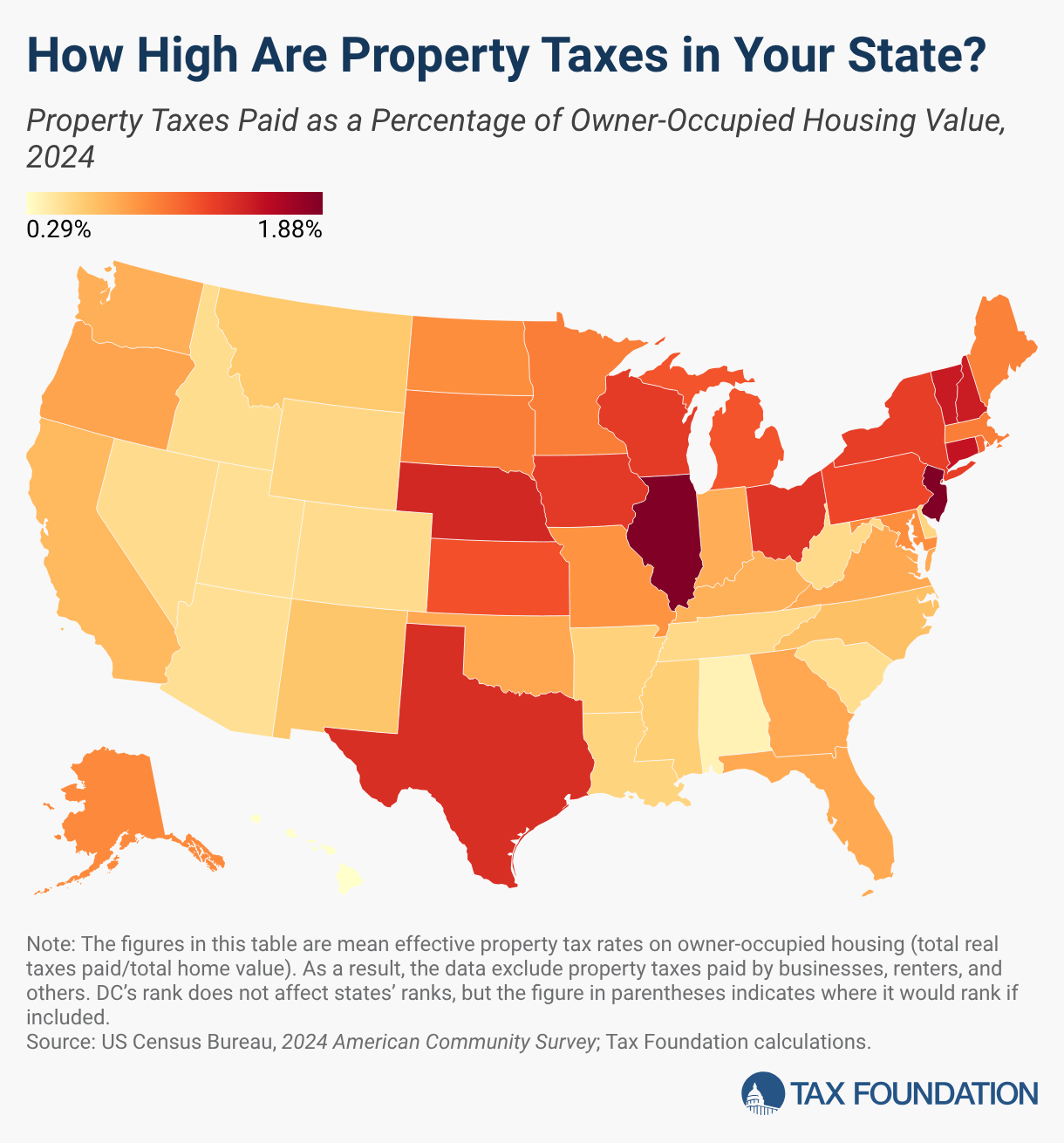
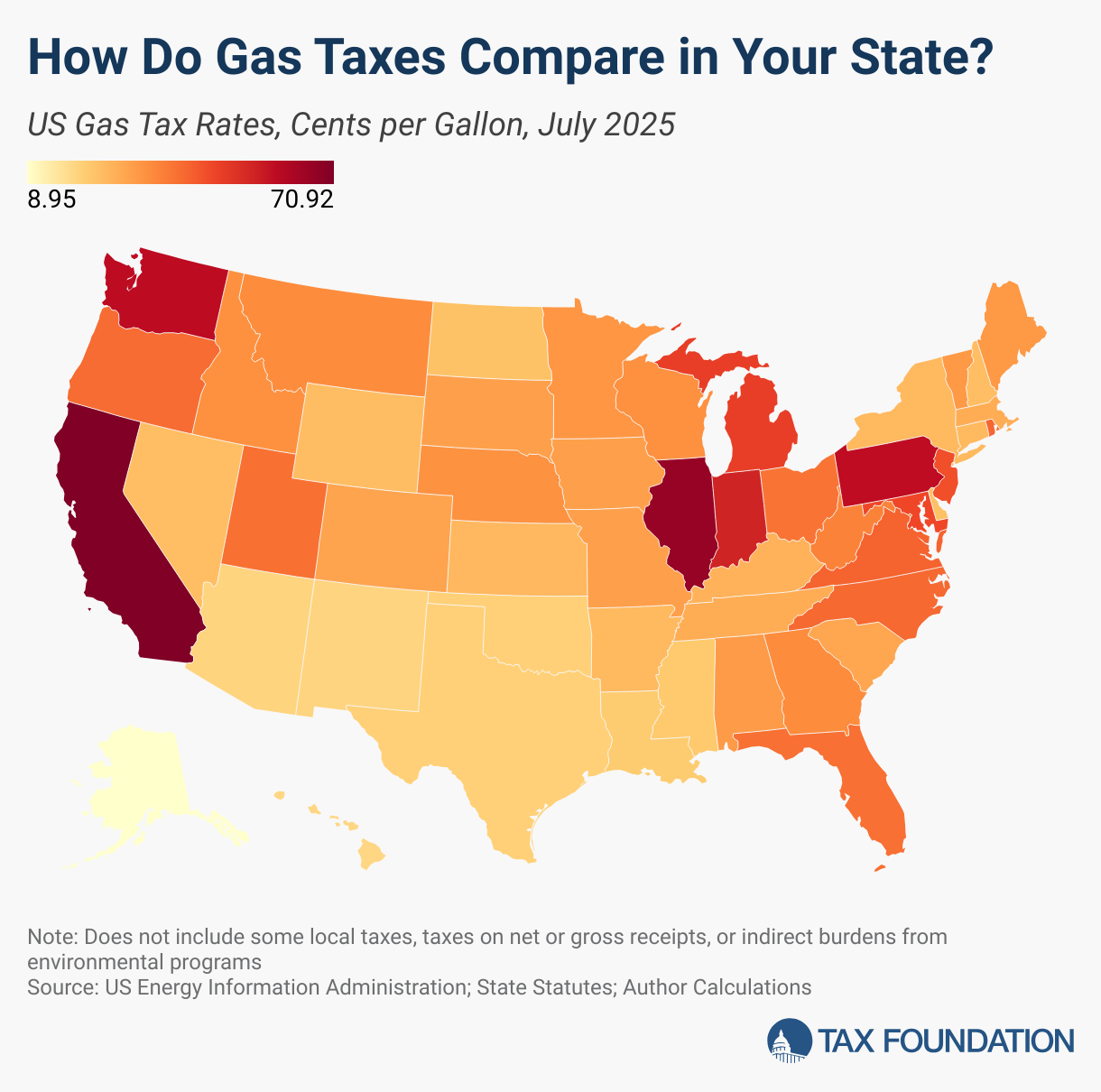
Indiana has a flat 2.95 percent individual income tax rate. There are also jurisdictions that collect local income taxes. Indiana has a flat 4.90 percent corporate income tax rate, a 7.00 percent state sales tax rate, and an average combined state and local sales tax rate of 7.00 percent. Indiana has a 0.76 percent effective property tax rate on owner-occupied housing value. Indiana does not have an estate tax or inheritance tax. Indiana’s gas tax is 52.4 cents per gallon, and its cigarette excise tax is $2.995 per pack of 20 cigarettes.

Indiana Tax Rankings, Debt, and Tax Revenue

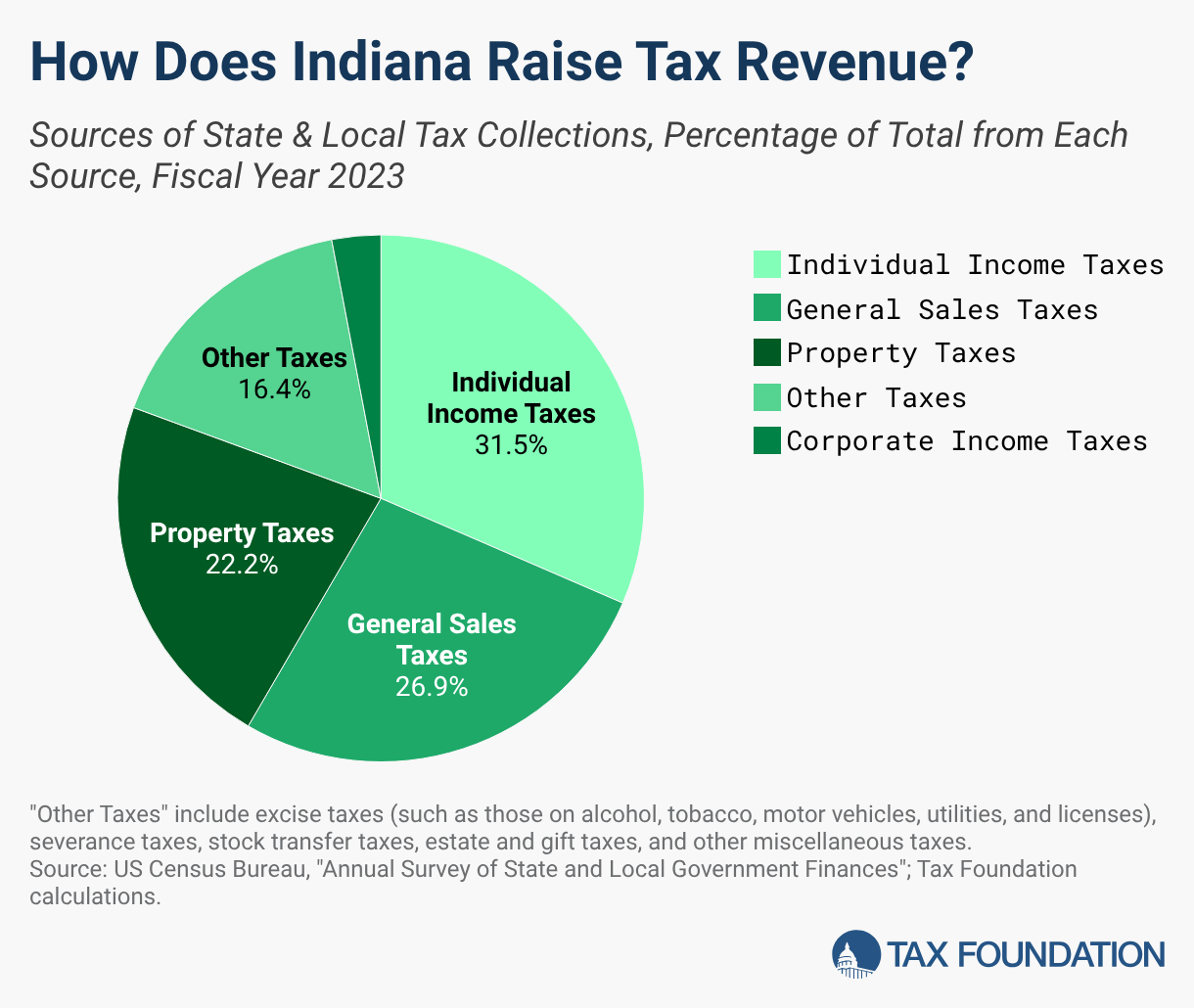
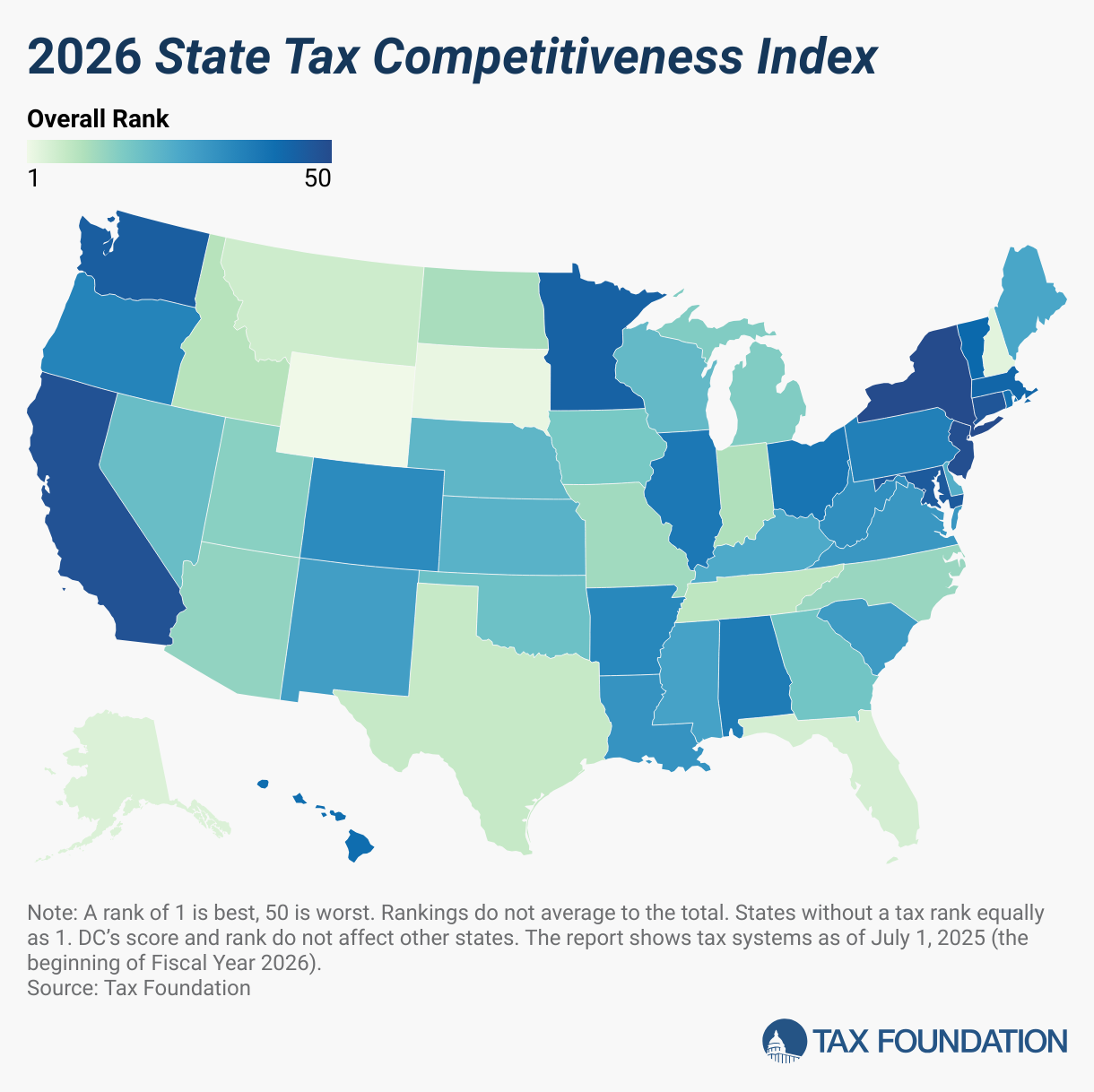
Indiana raises tax revenue primarily through individual income taxes (31.5 percent of total state and local tax revenue), general sales taxes (26.9 percent), and property taxes (22.2 percent). Indiana collects $5,964 in state and local tax collections per capita, carries $6,091 in state and local debt per capita, and has an 84 percent funded ratio of public pension plans. Indiana’s tax system ranks 10th overall on the 2026 State Tax Competitiveness Index.

Understanding Indiana’s Tax System

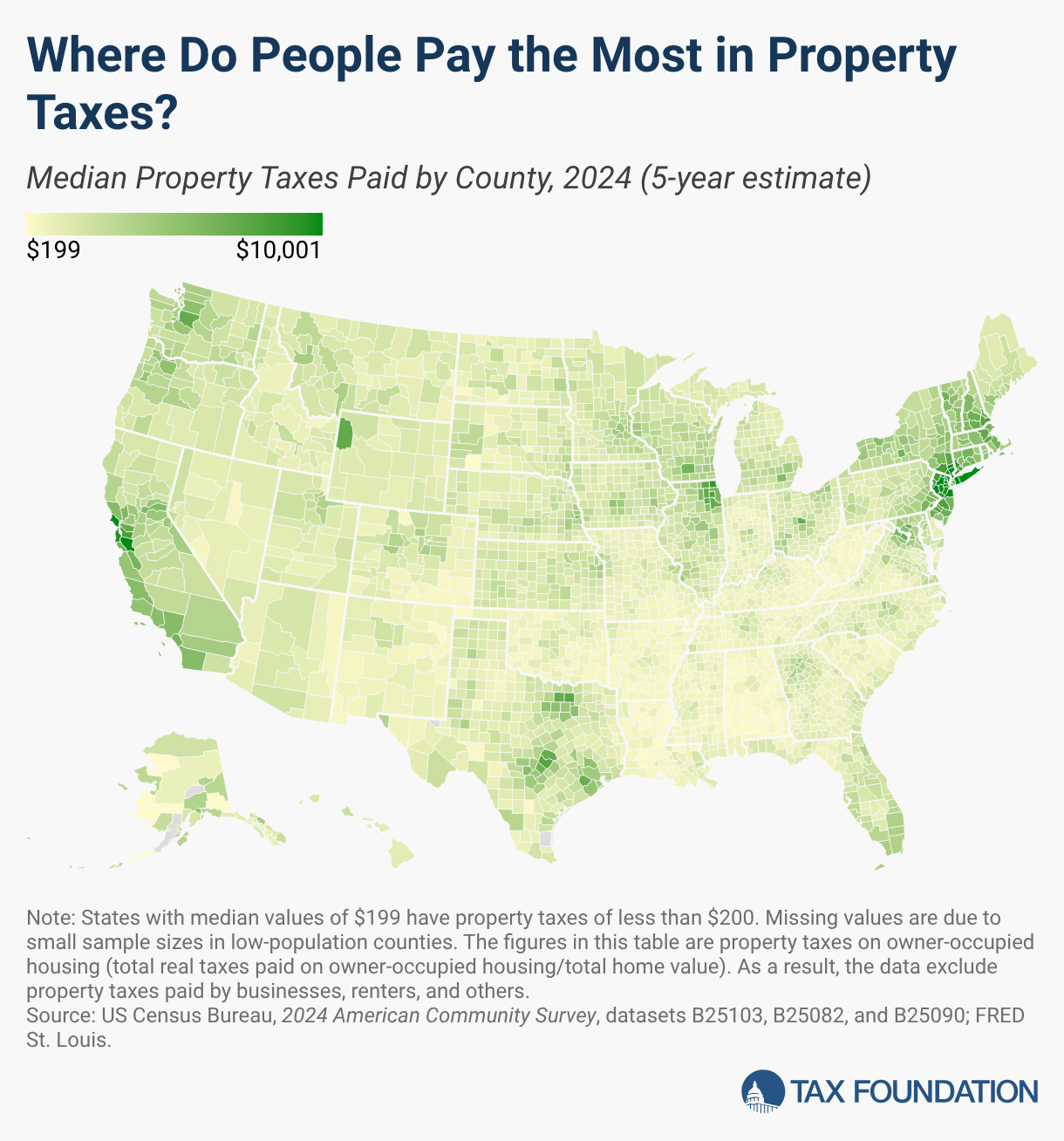
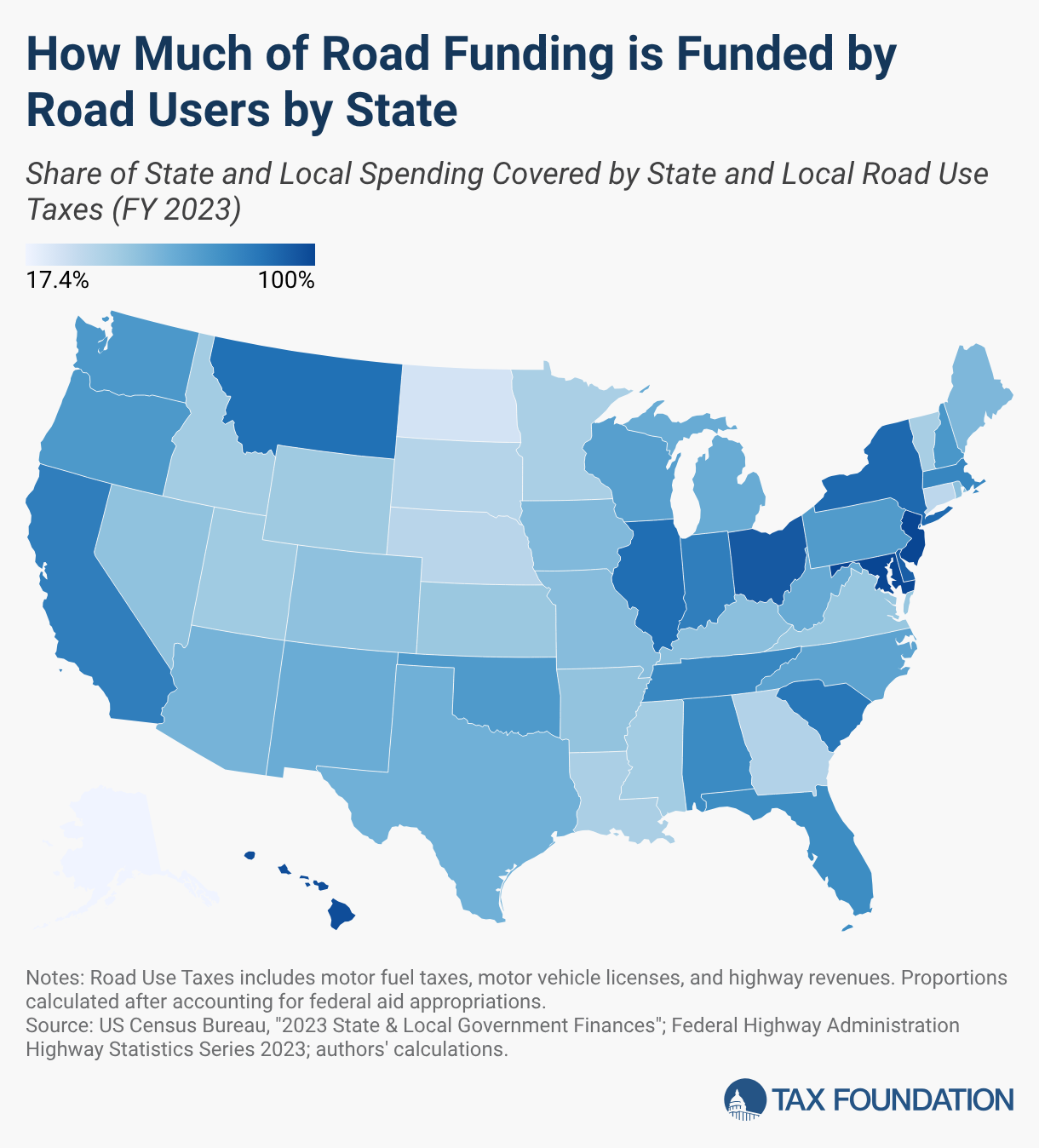
Each state’s tax code is a multifaceted system with many moving parts, and Indiana is no exception. Use the tabs below to compare Indiana taxes with other states and to see how Indiana raises tax revenue. You can also browse our tax maps, which are compiled from our annual publication, Facts & Figures 2026: How Does Your State Compare?

See Related Articles

Tax Data by State

Get facts about taxes in your state and around the US

Explore Data

How Do Taxes in Indiana Compare?

How Does Indiana Collect Revenue?

How Does Indiana's Tax System Rank?


All Related Articles

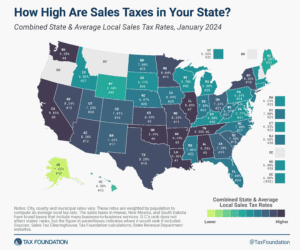
2024 sales taxes including 2024 sales tax rates 2024 state and local sales tax rates

State and Local Sales Tax Rates, 2024

Retail sales taxes are an essential part of most states’ revenue toolkits, responsible for 32 percent of state tax collections and 13 percent of local tax collections (24 percent of combined collections).

9 min read
State population changes in 2023 low-tax states and high-tax states United Van Lines U-Haul and Census data

Americans Moved to Low-Tax States in 2023

The pandemic has accelerated changes to the way we live and work, making it far easier for people to move—and they have. As states work to maintain their competitive advantage, they should pay attention to where people are moving, and try to understand why.

5 min read