Skip to content

Taxes In Montana

2026 Montana Tax Rates, Collections, and Burdens

How Do Montana Taxes Compare to Other States?

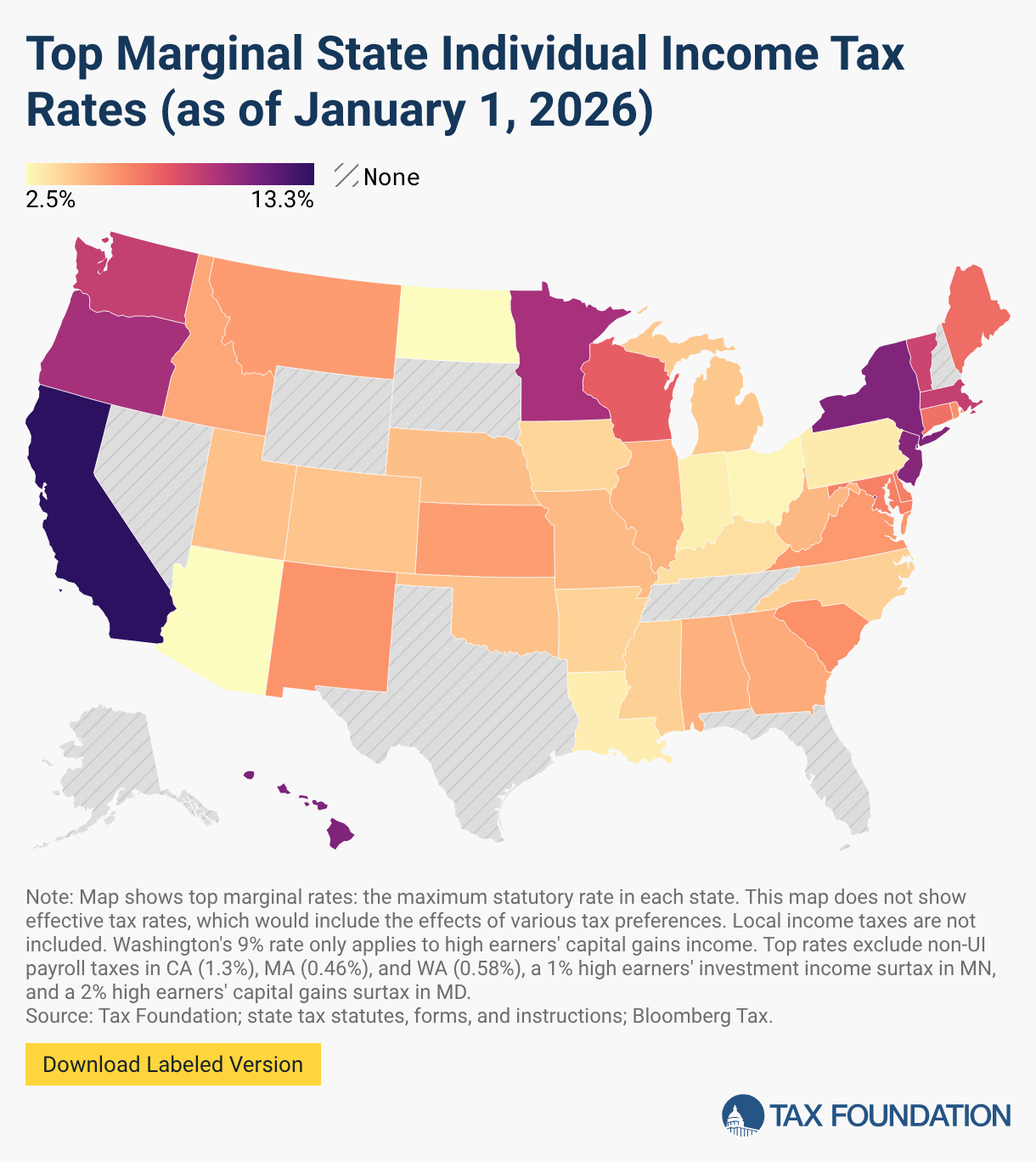
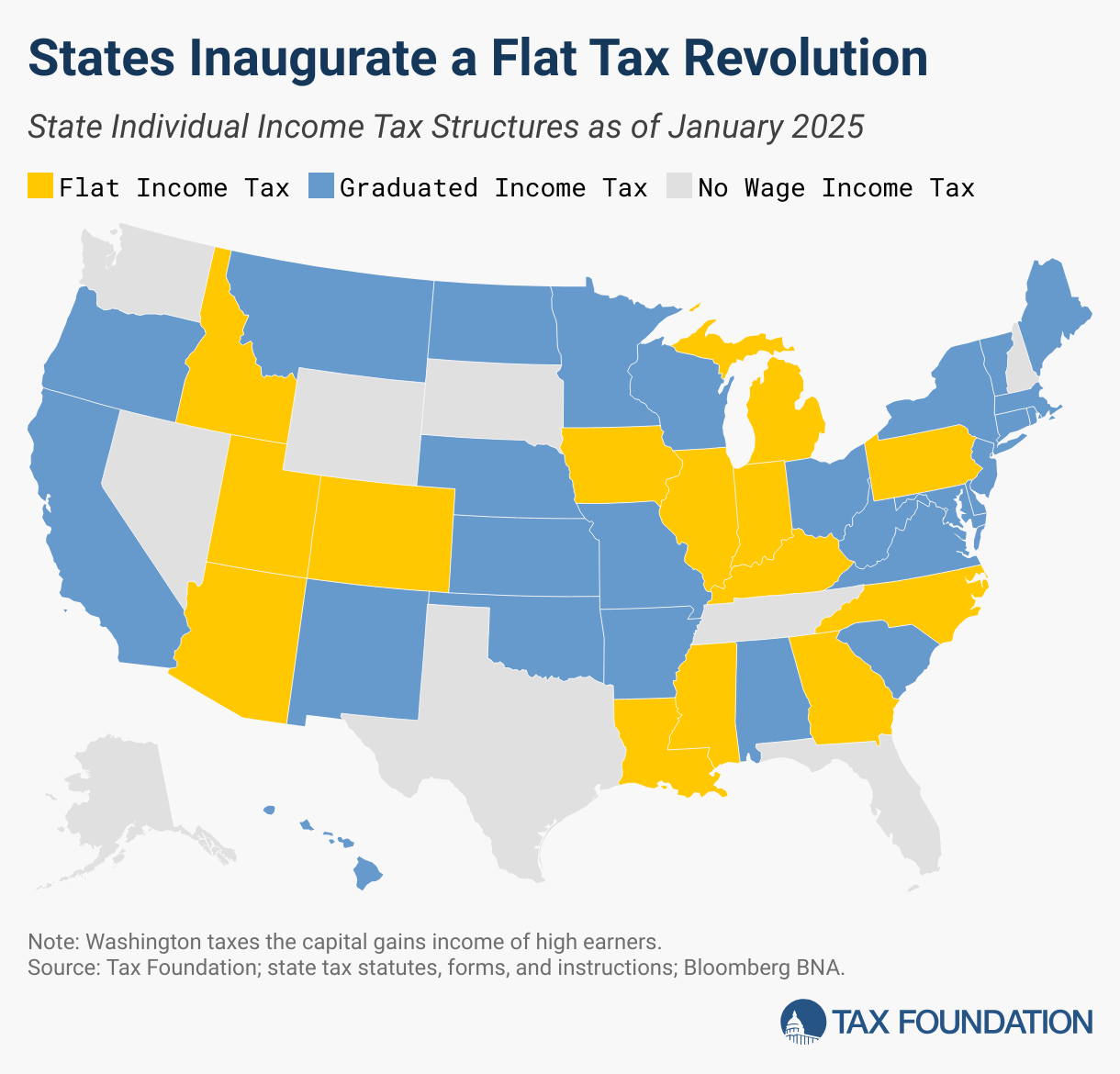
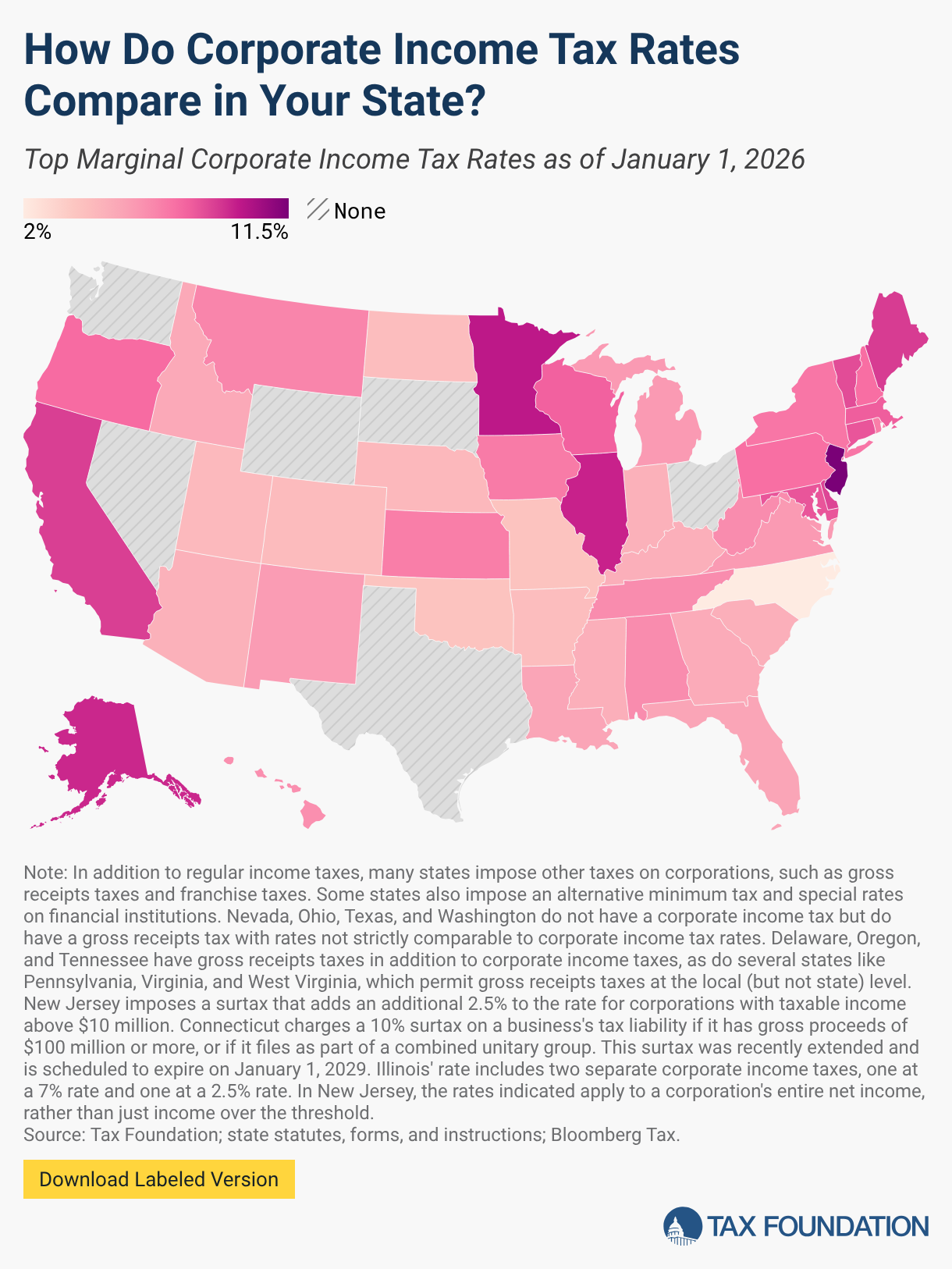
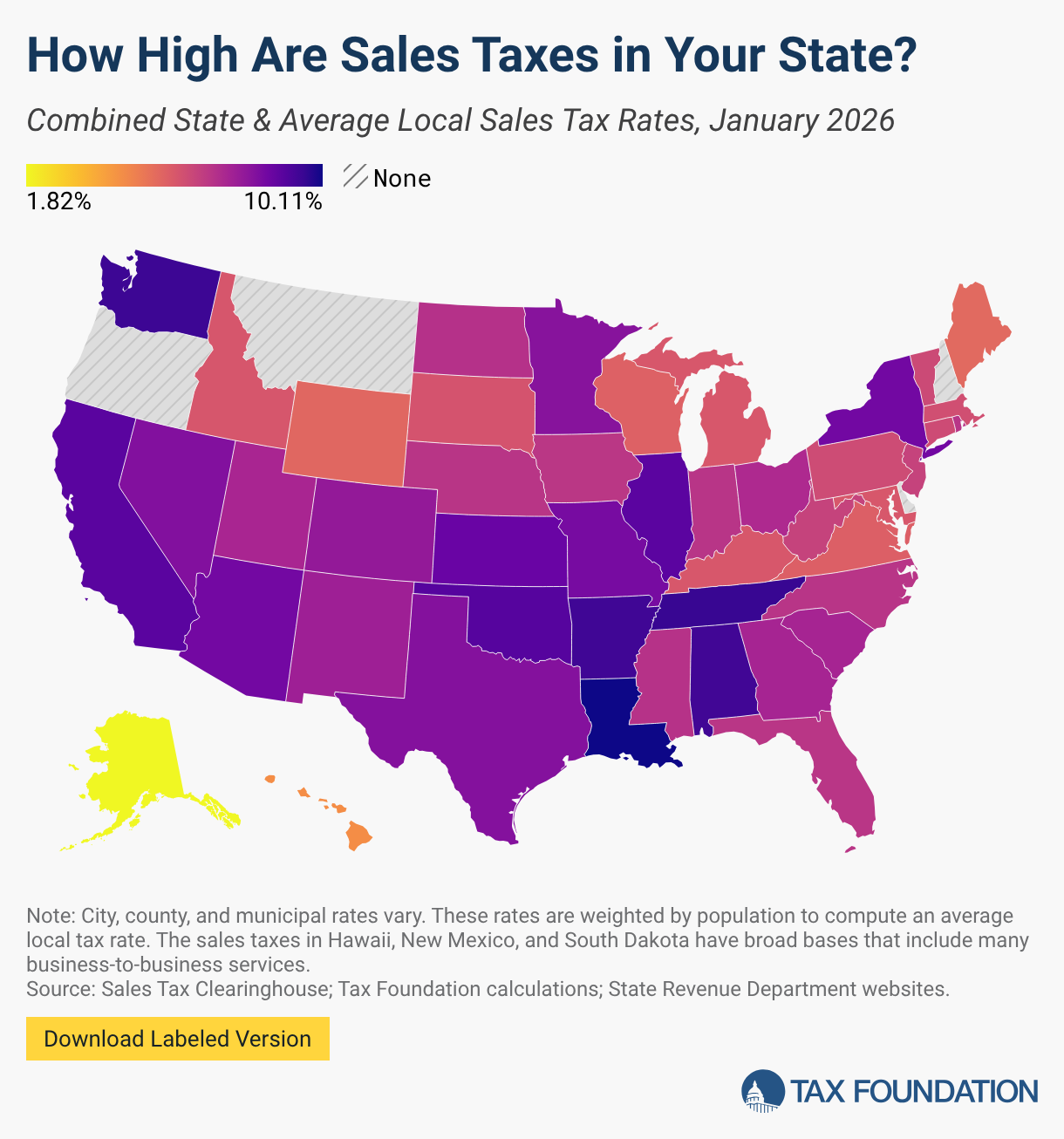
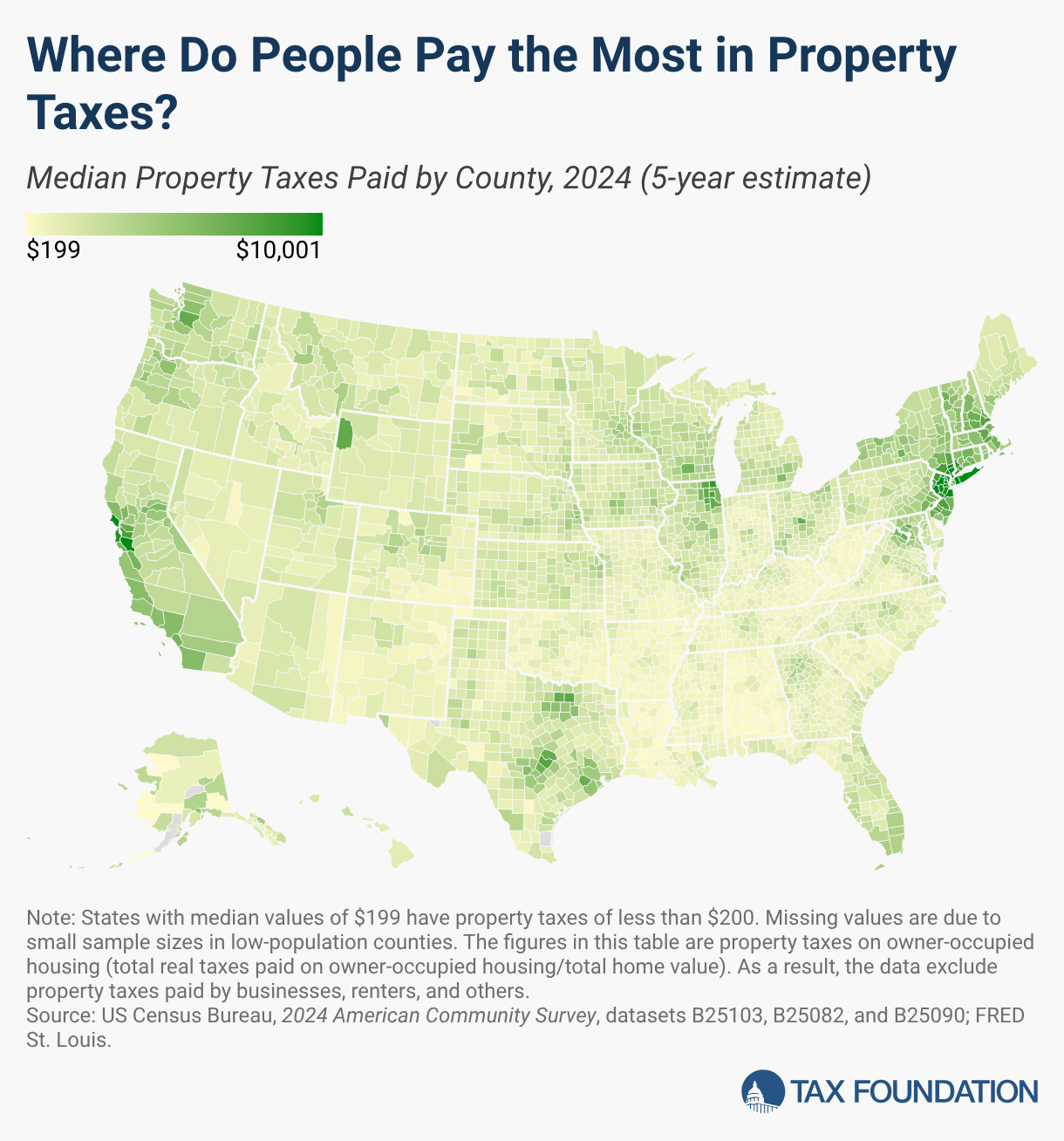
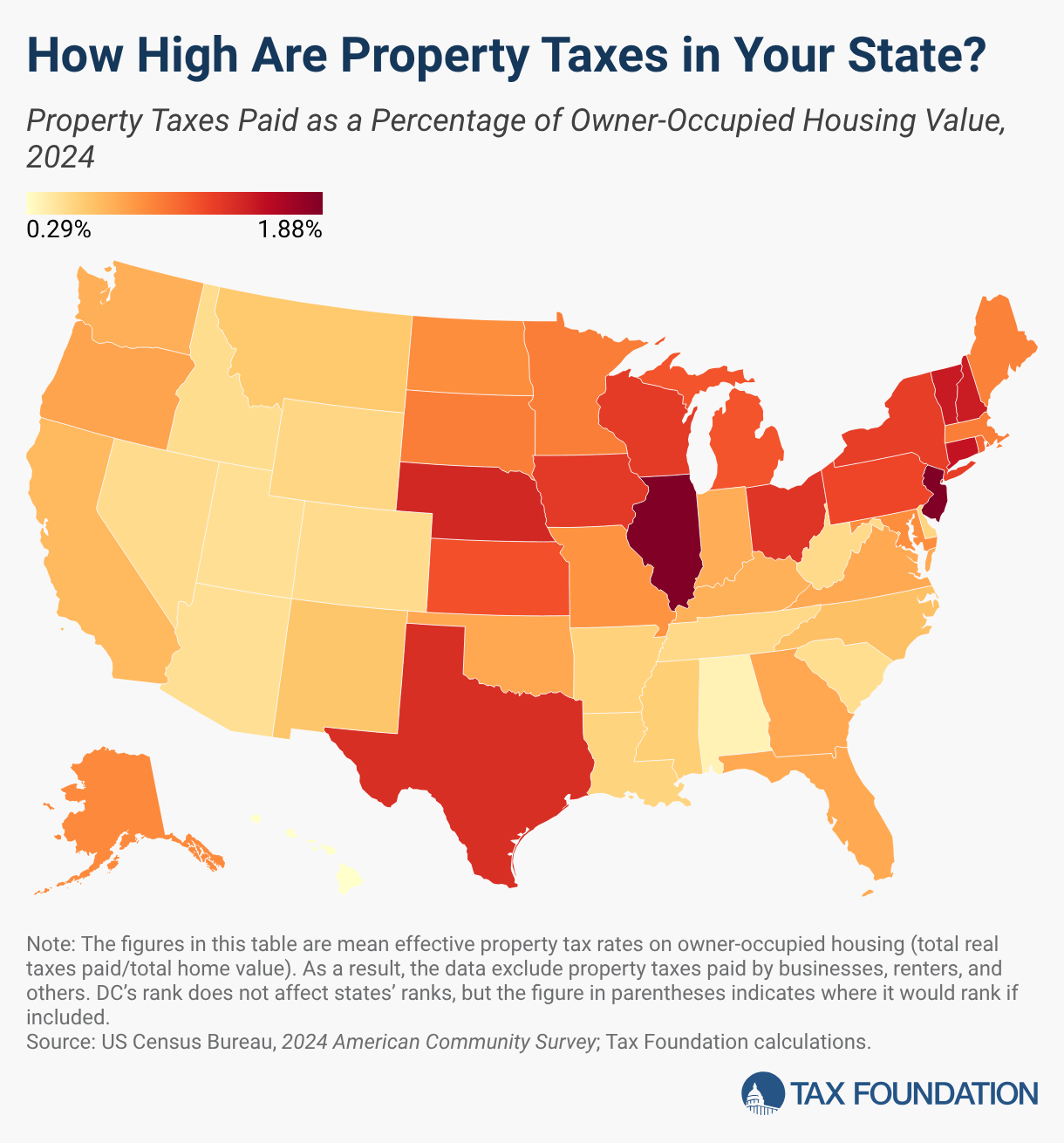
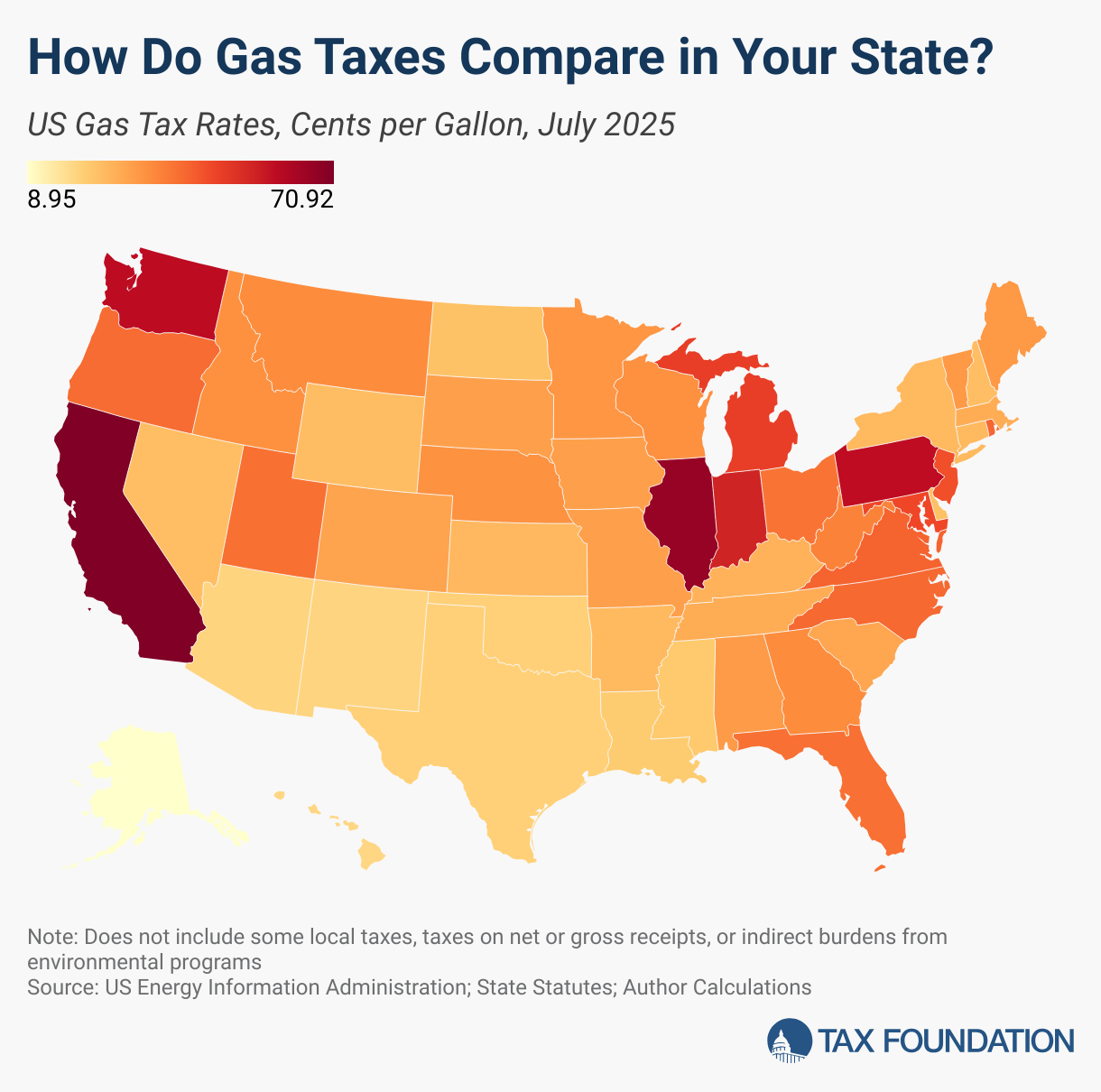
Montana has a graduated state individual income tax, with rates ranging from 4.70 percent to 5.65 percent. Montana has a flat 6.75 percent corporate income tax rate. Montana does not have a state sales tax. Montana has a 0.61 percent effective property tax rate on owner-occupied housing value. Montana does not have an estate tax or inheritance tax. Montana’s gas tax is 33.75 cents per gallon, and its cigarette excise tax is $1.70 per pack of 20 cigarettes.

Montana Tax Rankings, Debt, and Tax Revenue

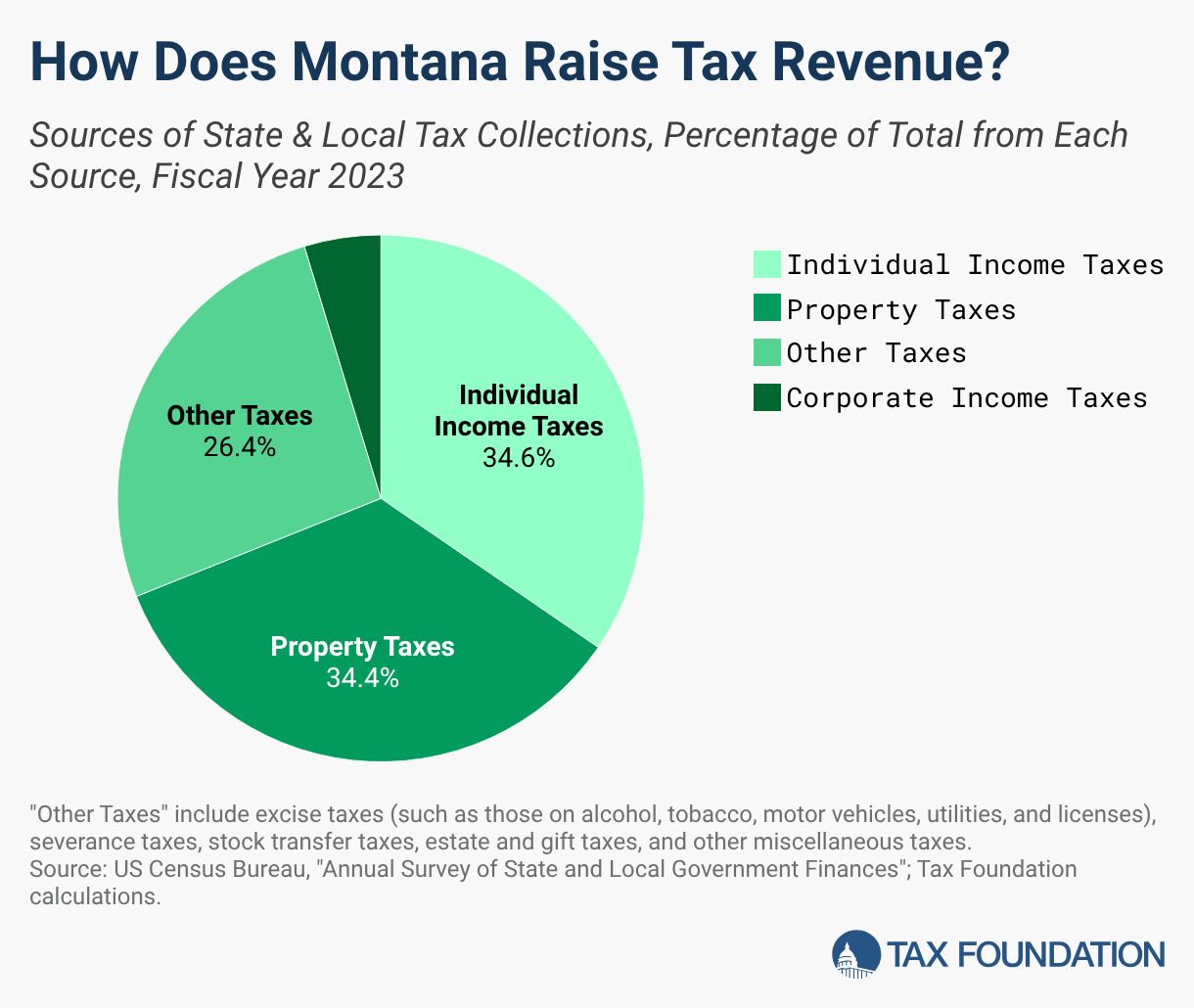
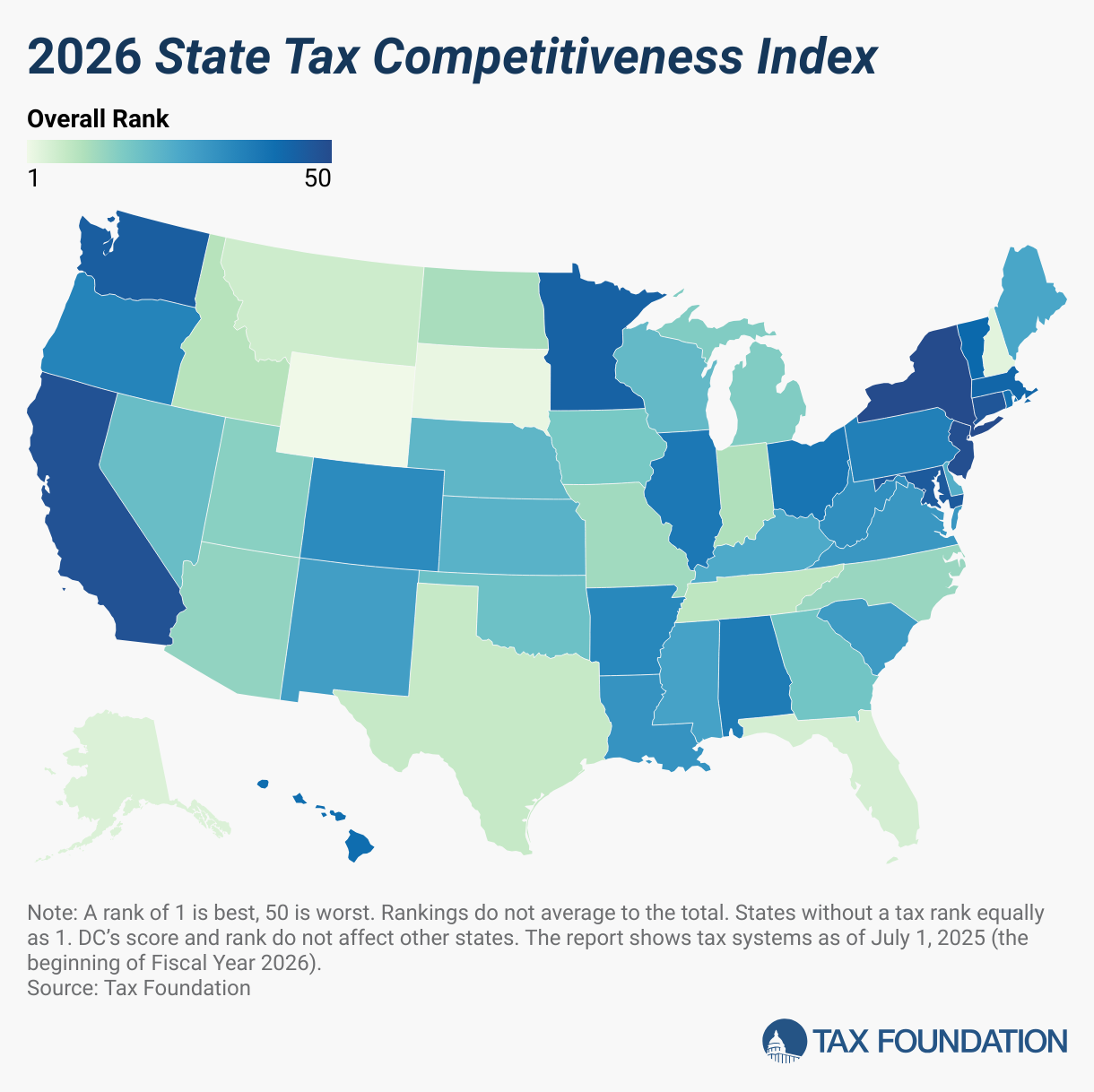
Montana raises tax revenue primarily through individual income taxes (34.6 percent of total state and local tax revenue), property taxes (34.4 percent), and other taxes (26.4 percent). Montana collects $5,870 in state and local tax collections per capita, carries $5,261 in state and local debt per capita, and has a 78 percent funded ratio of public pension plans. Montana’s tax system ranks 6th overall on the 2026 State Tax Competitiveness Index.

Understanding Montana’s Tax System

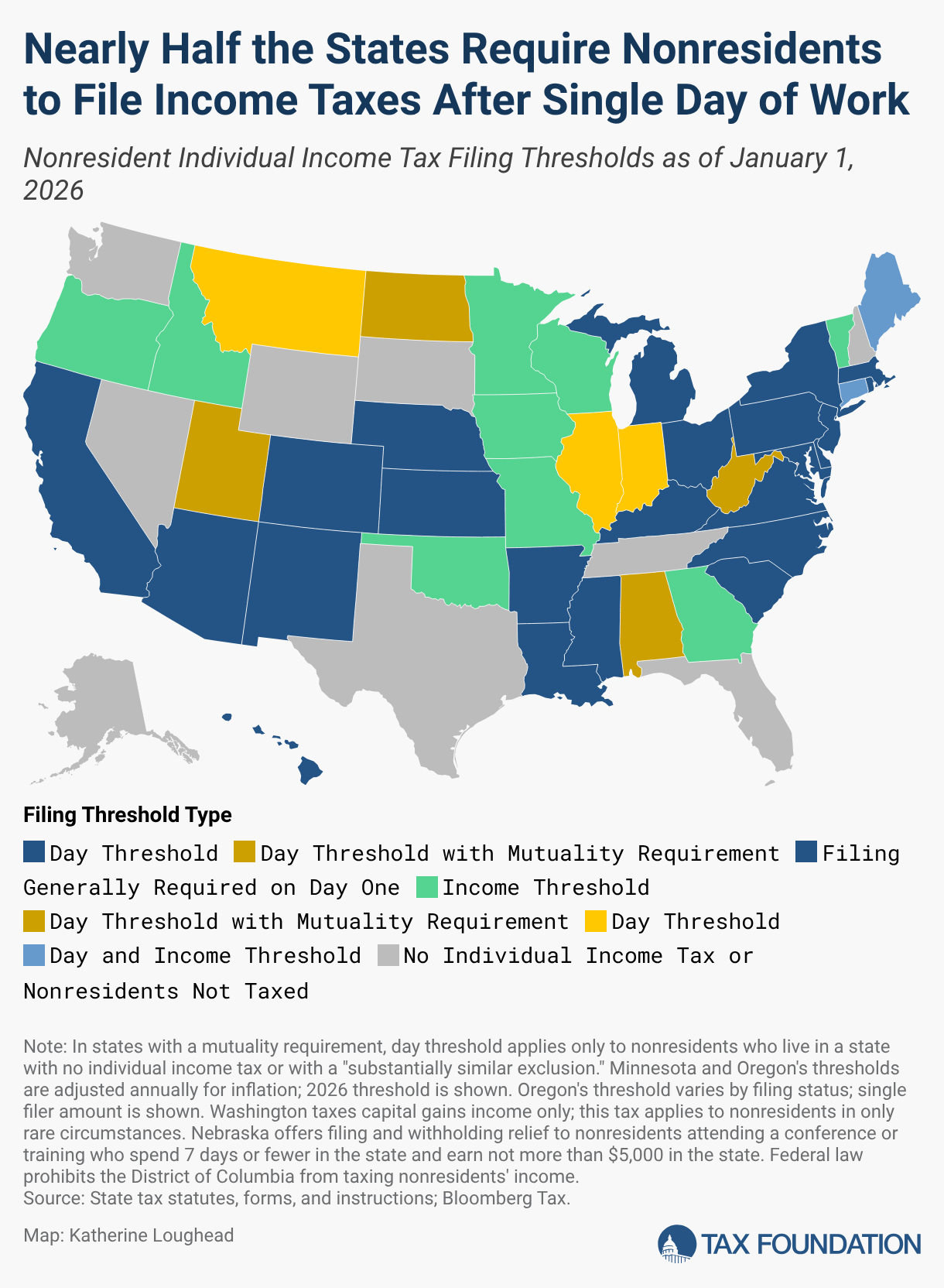
Each state’s tax code is a multifaceted system with many moving parts, and Montana is no exception. Use the tabs below to compare Montana taxes with other states and to see how Montana raises tax revenue. You can also browse our tax maps, which are compiled from our annual publication, Facts & Figures 2026: How Does Your State Compare?

See Related Articles

Tax Data by State

Get facts about taxes in your state and around the US

Explore Data

How Do Taxes in Montana Compare?

How Does Montana Collect Revenue?

How Does Montana's Tax System Rank?


All Related Articles

One Big Beautiful Bill state tax impact including state tax conformity and state tax revenue state tax implications

State Tax Implications of the One Big Beautiful Bill Act

For Congress, work on the One Big Beautiful Bill Act is done. But in state capitols, the work has not yet begun. Many of the tax changes in the federal reconciliation act flow through to state tax codes—automatically in some states, and subject to an update in states’ Internal Revenue Code conformity date in others.

39 min read
OBBBA business expensing state tax codes 2025 One Big Beautiful Bill Business Expensing State Tax Conformity Questions

The OBBBA Gets Expensing Right. States Should Follow Suit.

However states choose to respond to other tax provisions of the One Big Beautiful Bill Act, they should conform to the pro-growth provisions, which represent a marked improvement in the corporate tax code.

12 min read
2025 sales tax holidays 2025 tax free weekends for back to school shopping by state

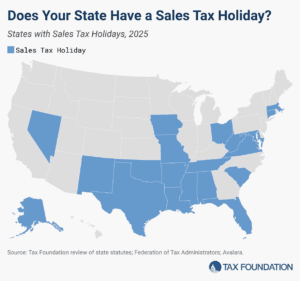
Sales Tax Holidays by State, 2025

However well-intended they may be, sales tax holidays remain the same as they always have been—ineffective and inefficient.

16 min read
State Implications of the GILTI to NCTI Conversion The One, Big, Beautiful Bill’s (OBBB) changes to the taxation of international income

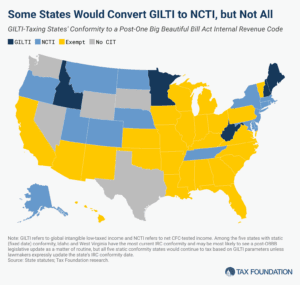
State Implications of the GILTI to NCTI Conversion

The One Big Beautiful Bill’s changes to the taxation of international income have surprising implications for state codes, yielding tax increases and a revised tax base that, through quirks of state incorporation, bears very little resemblance to the federal base and almost nothing of its purpose.

10 min read
2025 midyear sales tax rates by state and local sales taxes as of midyear July 2025

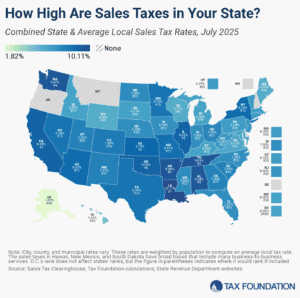
State and Local Sales Tax Rates, Midyear 2025

The five states with the highest average combined state and local sales tax rates are Louisiana (10.11 percent), Tennessee (9.61 percent), Arkansas (9.48 percent), Washington (9.47 percent), and Alabama (9.44 percent).

10 min read
State Implications of the One Big Beautiful Bill No Tax on Car Loan Interest SNAP Cost Sharing No Tax on Tips and Overtime Medicaid Reductions for States Covering Undocumented Immigrants

State Implications of the One, Big, Beautiful Bill

As the US House hashes out its “One, Big, Beautiful Bill,” statehouse lawmakers are watching closely, given the impact of both its tax and spending provisions on state budgets.

12 min read