Skip to content

Taxes In Kansas

2026 Kansas Tax Rates, Collections, and Burdens

How Do Kansas Taxes Compare to Other States?

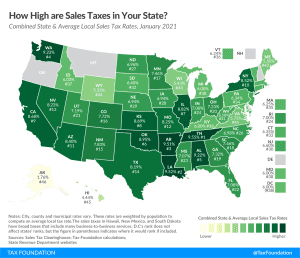
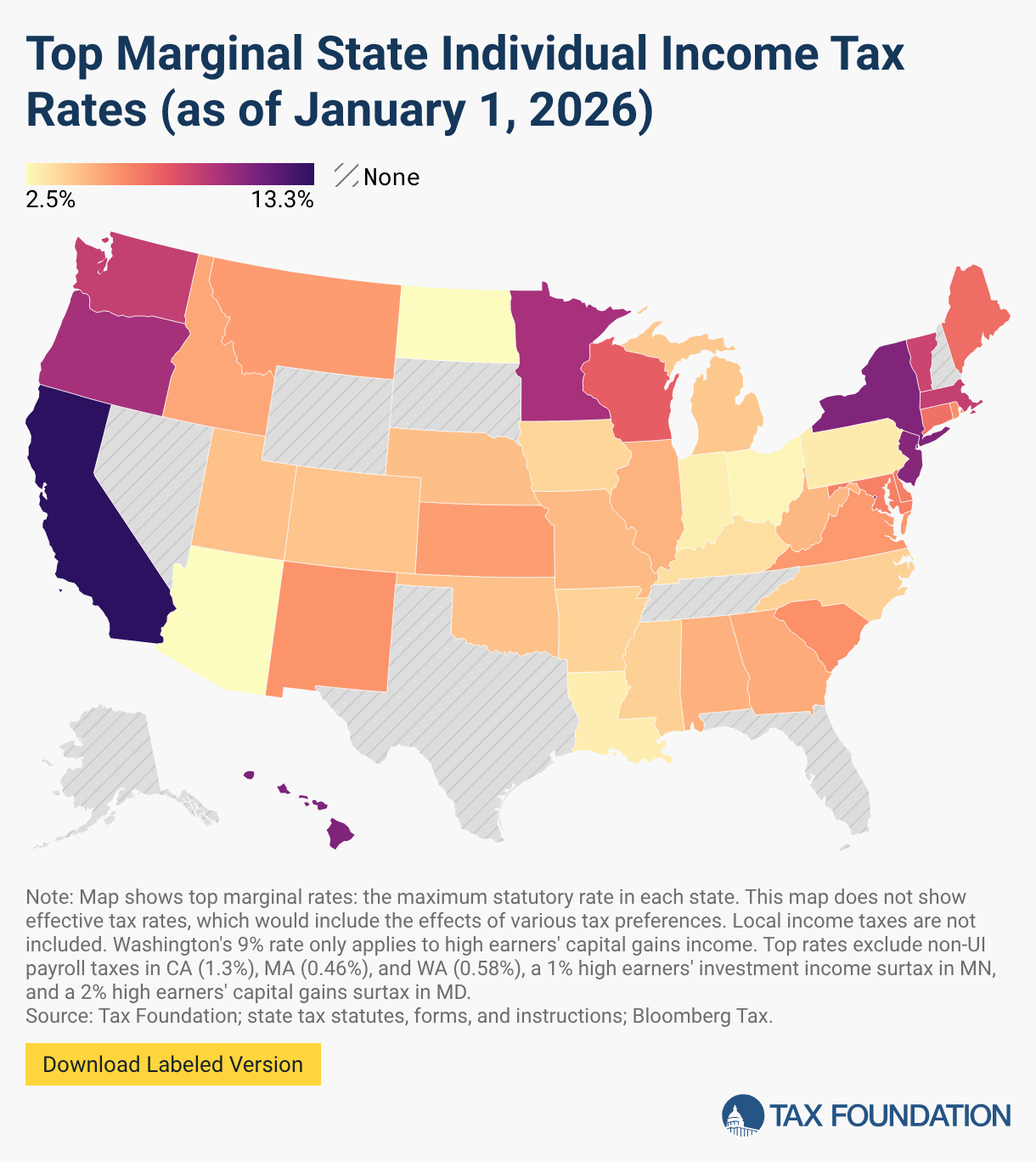
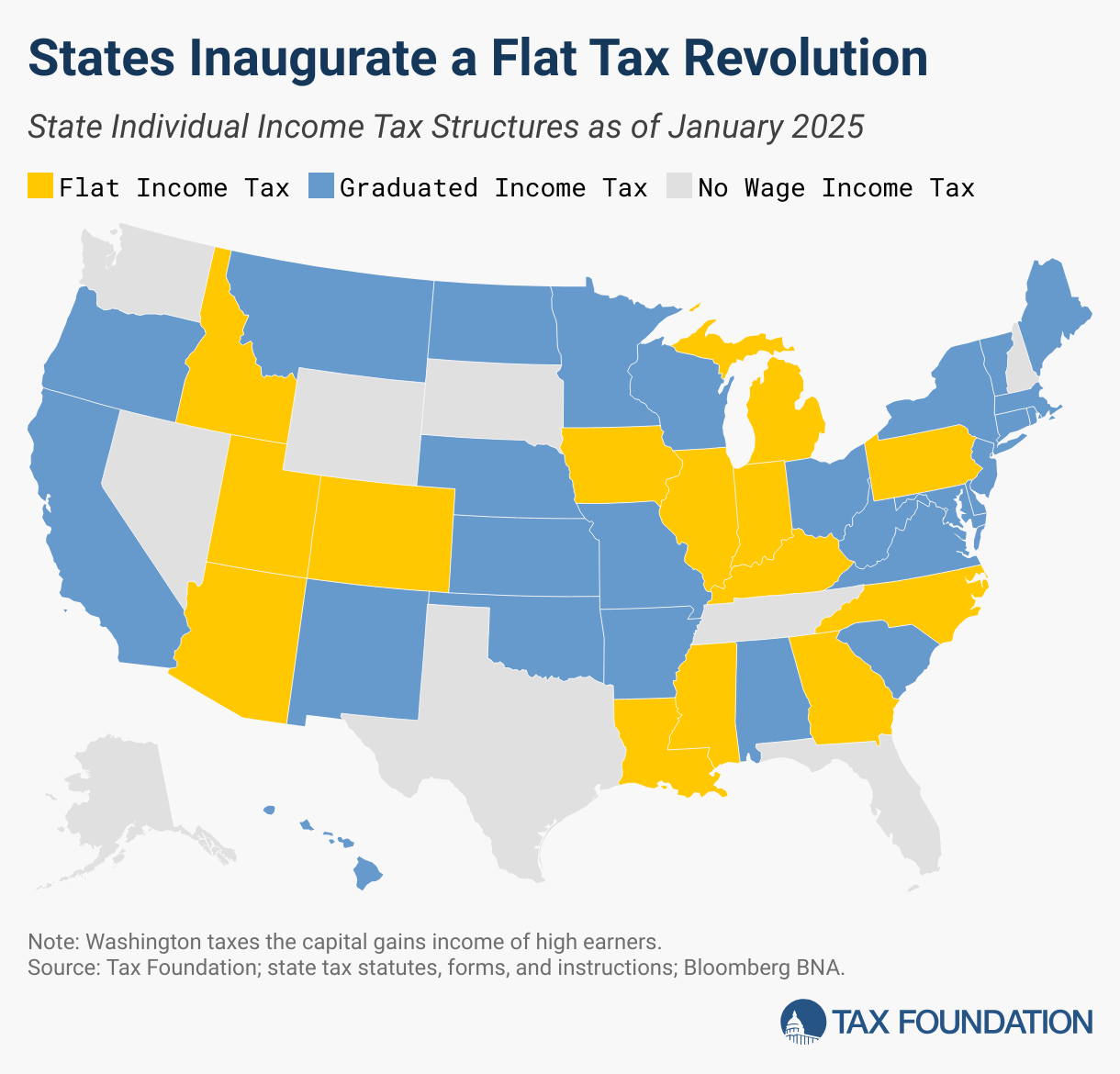
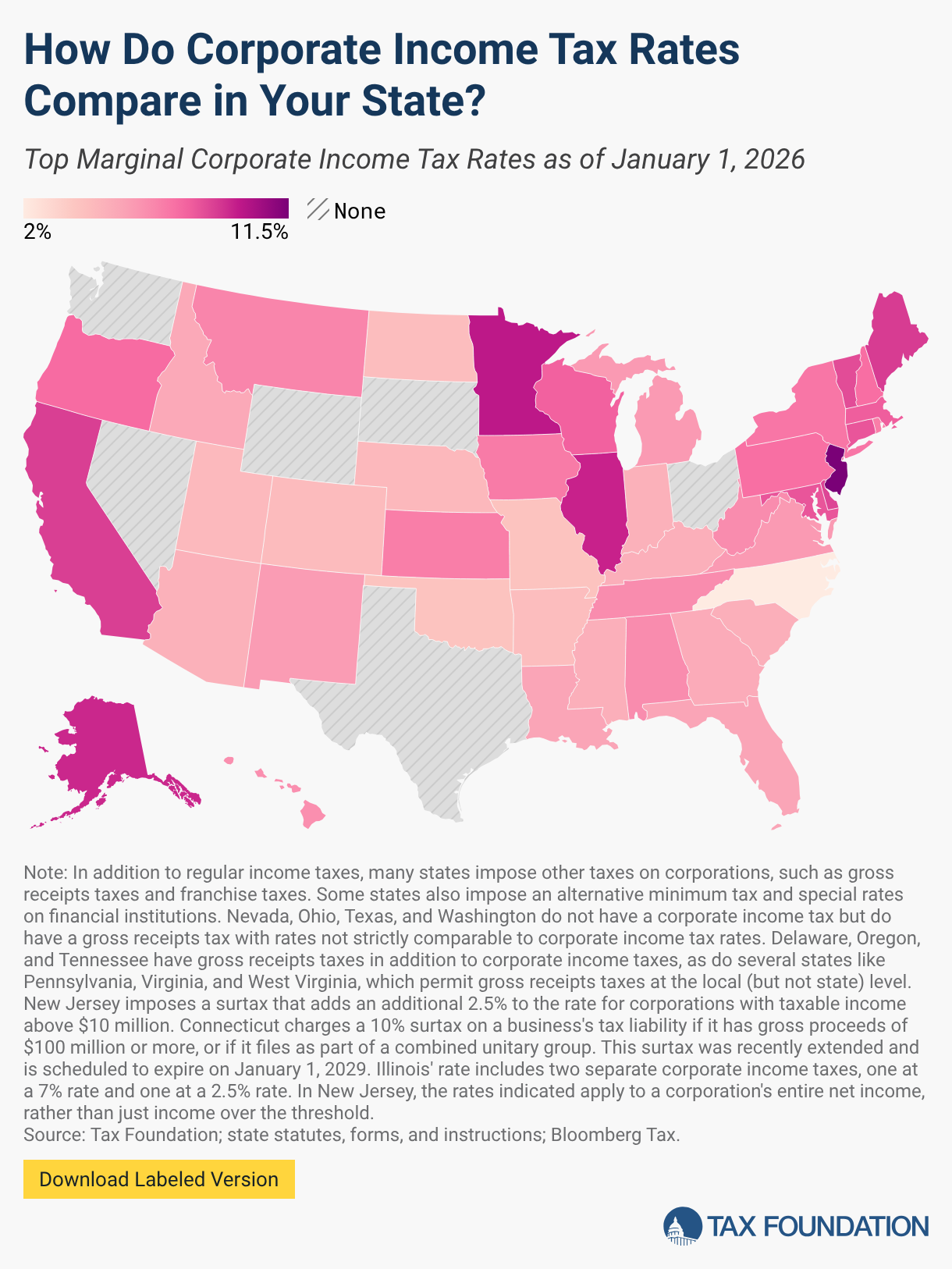
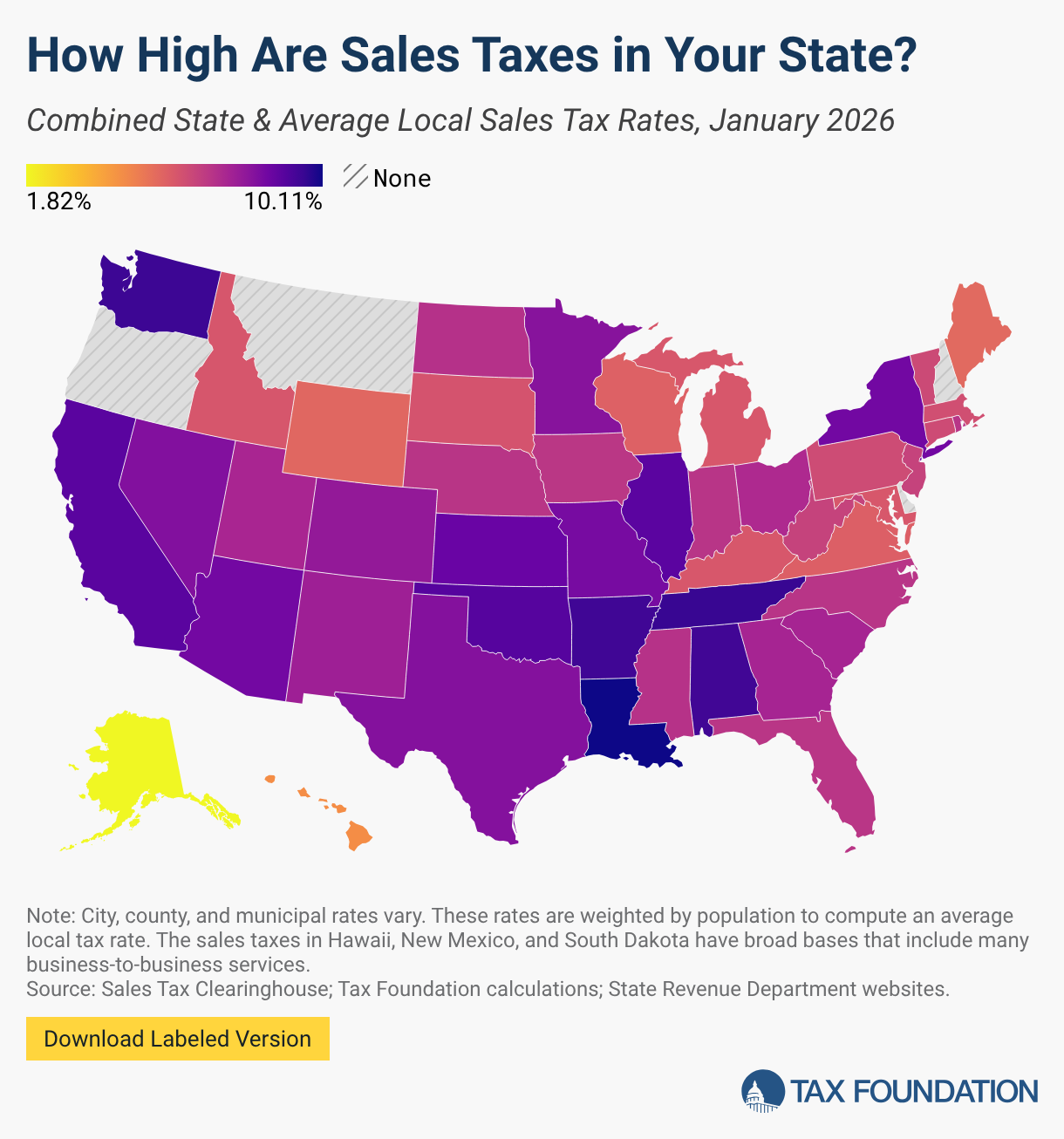
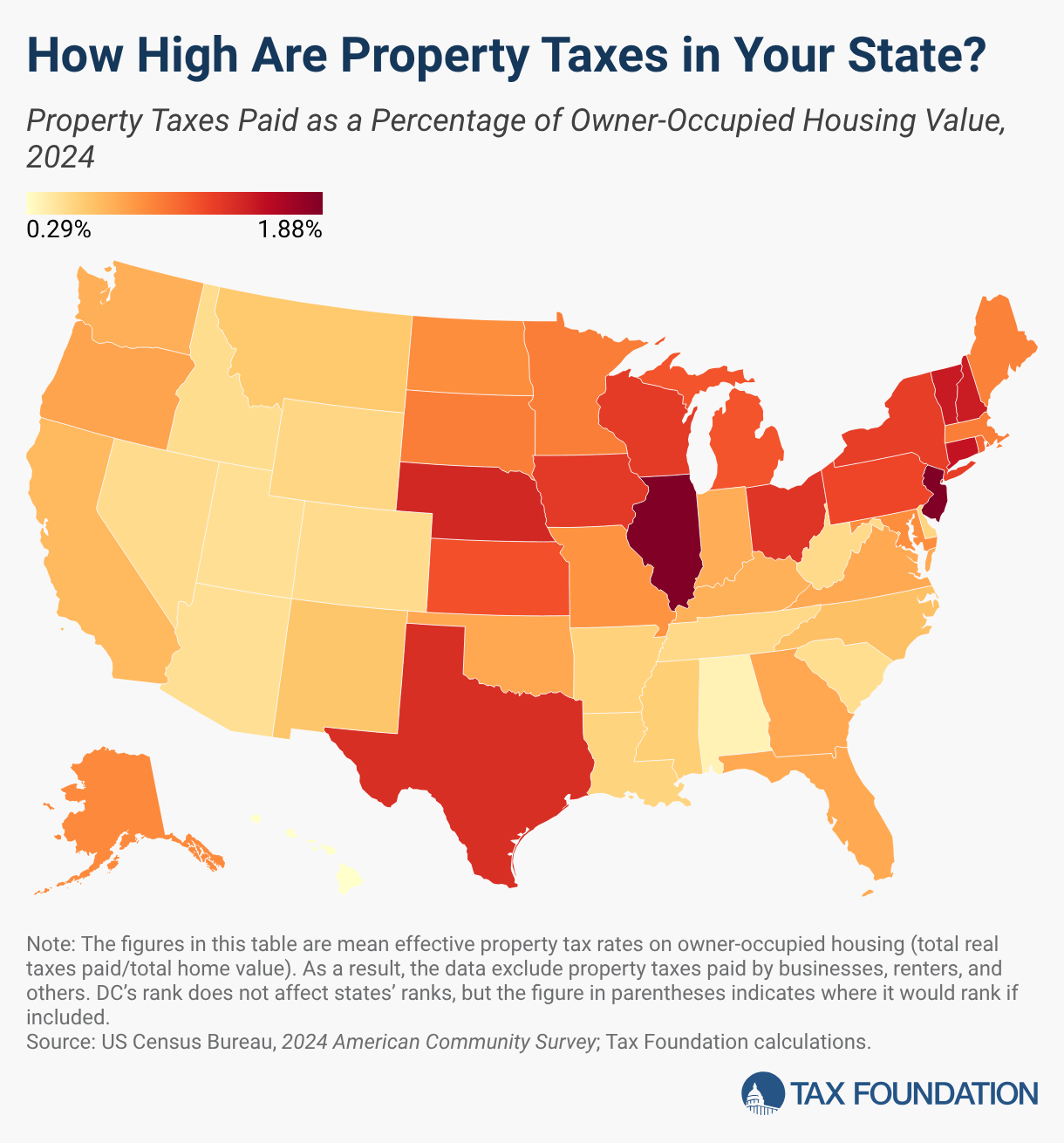
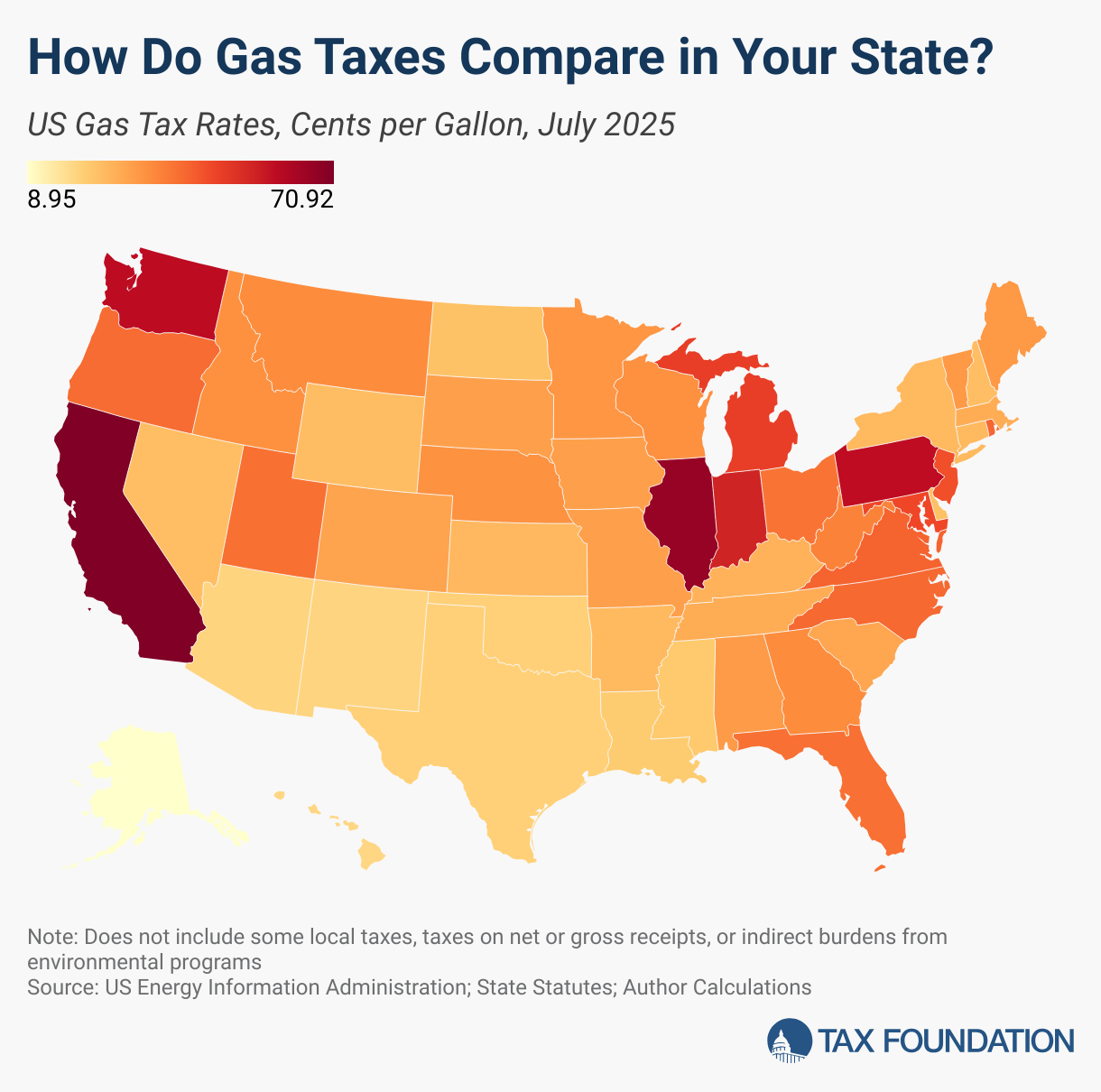
Kansas has a graduated state individual income tax, with rates ranging from 5.2 percent to 5.58 percent. Kansas has a graduated corporate income tax with a top rate of 7 percent, a 6.50 percent state sales tax rate, and an average combined state and local sales tax rate of 8.69 percent. Kansas has a 1.21 percent effective property tax rate on owner-occupied housing value. Kansas does not have an estate tax or inheritance tax. Kansas’s gas tax is 25.03 cents per gallon, and its cigarette excise tax is $1.29 per pack of 20 cigarettes.

Kansas Tax Rankings, Debt, and Tax Revenue

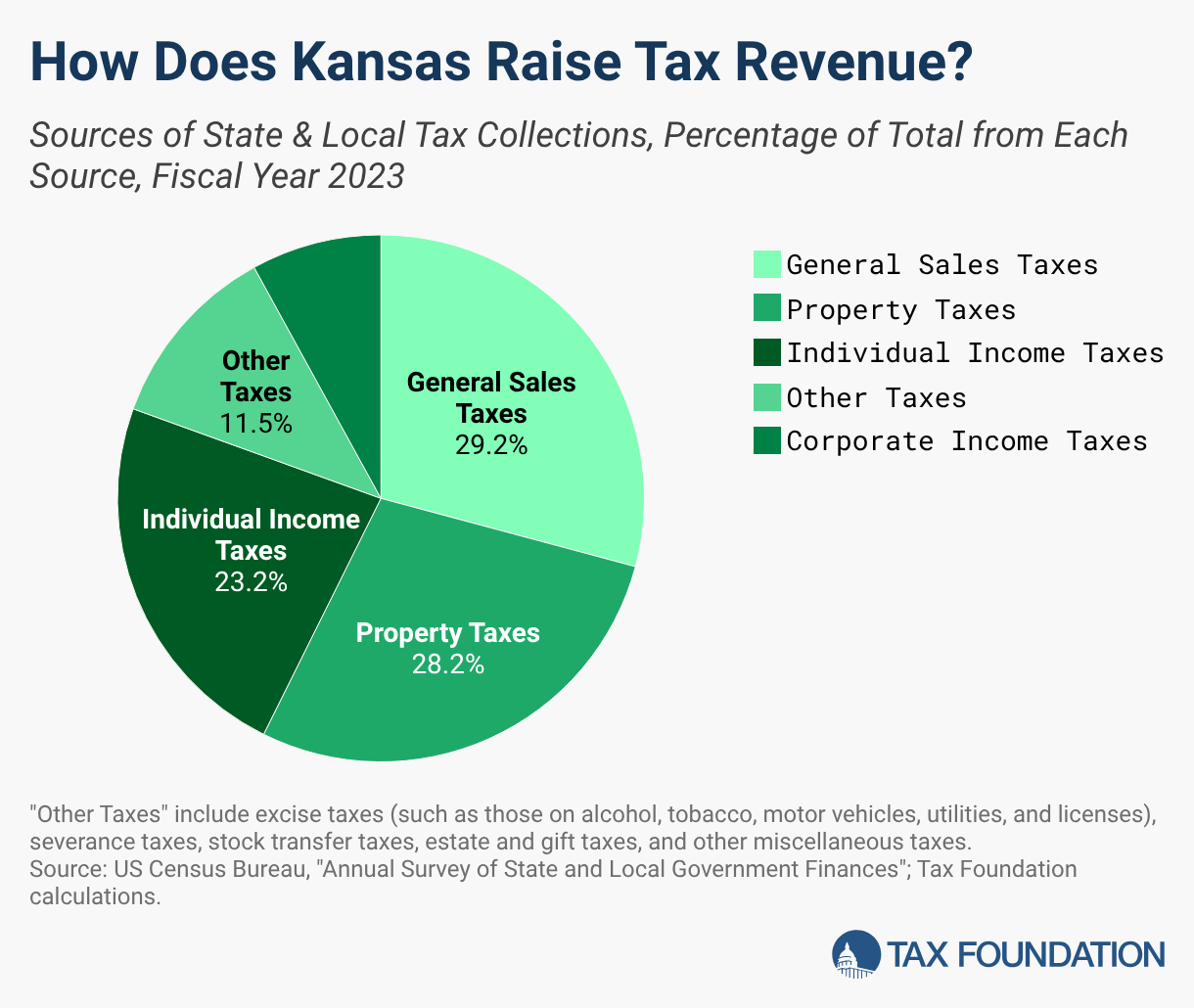
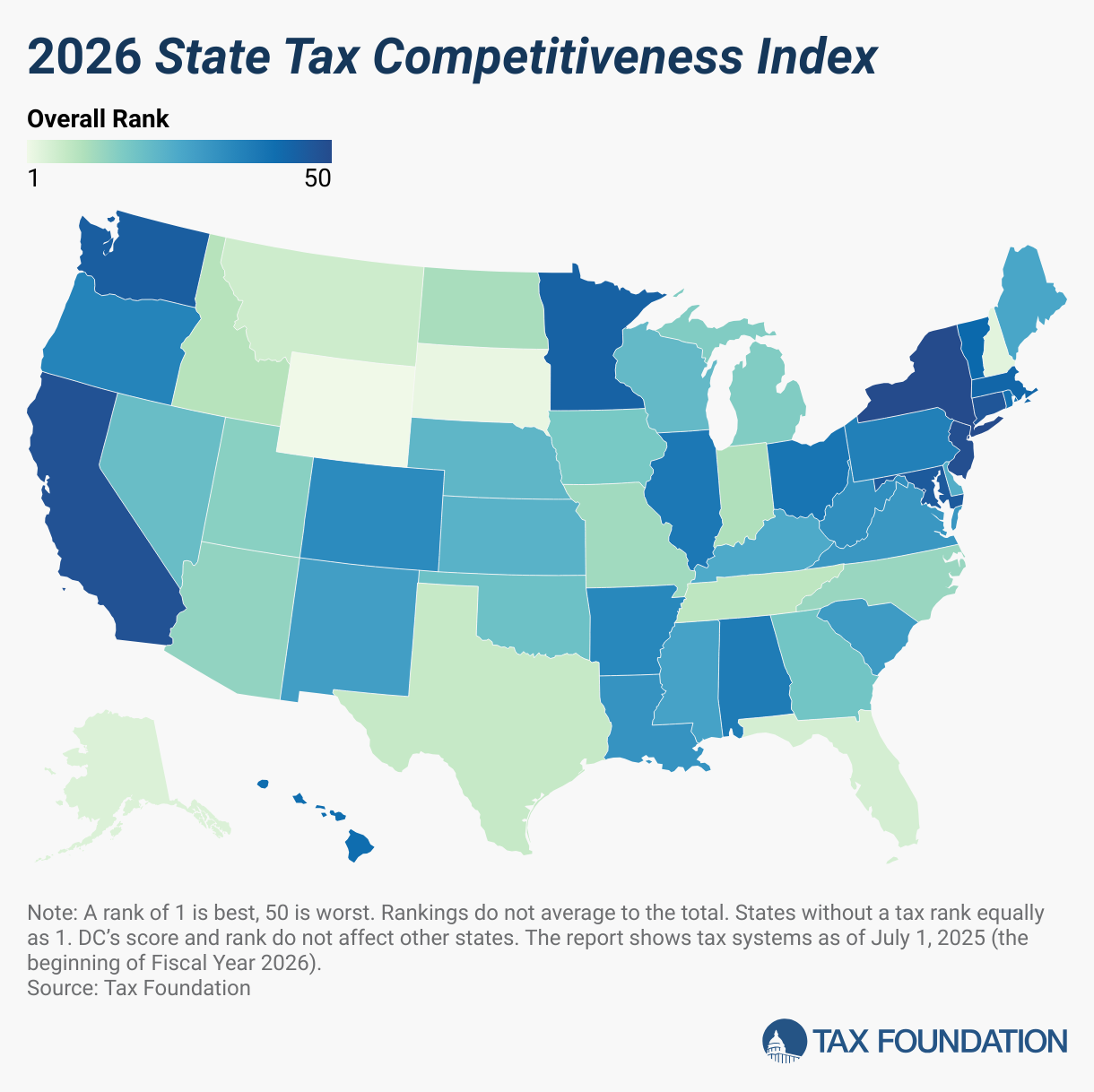
Kansas raises tax revenue primarily through general sales taxes (29.2 percent of total state and local tax revenue), property taxes (28.2 percent), and individual income taxes (23.2 percent). Kansas collects $6,609 in state and local tax collections per capita, carries $8,106 in state and local debt per capita, and has an 84 percent funded ratio of public pension plans. Kansas’s tax system ranks 23rd overall on the 2026 State Tax Competitiveness Index.

Understanding Kansas’s Tax System

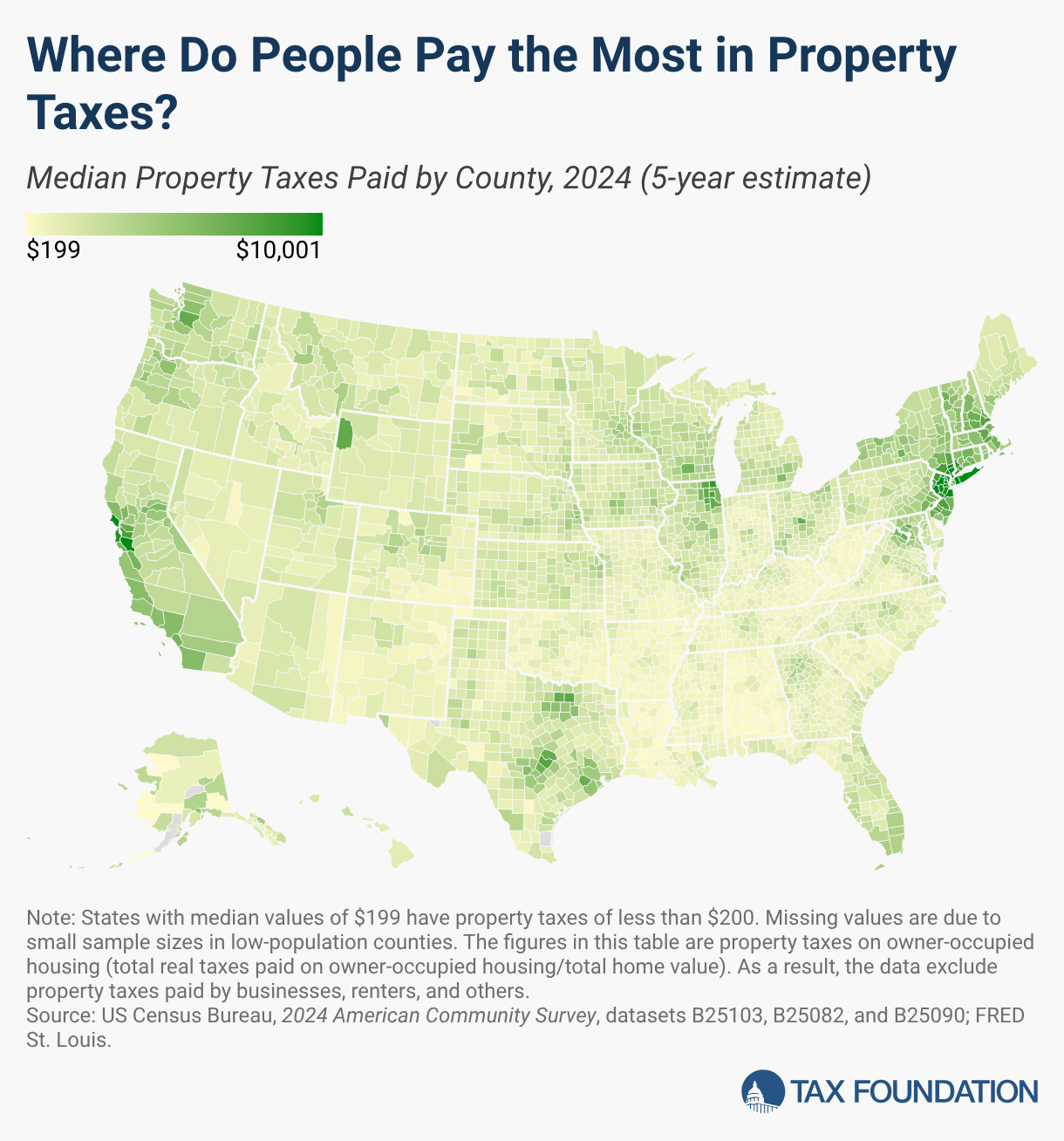
Each state’s tax code is a multifaceted system with many moving parts, and Kansas is no exception. Use the tabs below to compare Kansas taxes with other states and to see how Kansas raises tax revenue. You can also browse our tax maps, which are compiled from our annual publication, Facts & Figures 2026: How Does Your State Compare?

See Related Articles

Tax Data by State

Get facts about taxes in your state and around the US

Explore Data

How Do Taxes in Kansas Compare?

How Does Kansas Collect Revenue?

How Does Kansas' Tax System Rank?


All Related Articles

Top Rates in Each State Under Joe Biden’s Tax Plan

President Joe Biden’s tax plan would yield combined top marginal state and local rates in excess of 60 percent in three states: California, Hawaii, and New Jersey (also New York City).

4 min read
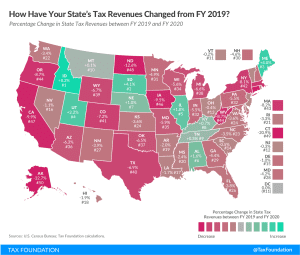
How have your state's tax revenues changed in FY 2020 compared to FY 2019? State revenue collections beat state revenue expectations in FY 2020 despite coronavirus pandemic and economic downturn

New Census Data Shows States Beat Revenue Expectations in FY 2020

State tax revenue collections were down 5.5 percent in FY 2020, driven by a dismal final quarter (April through June) as states began to feel the impact of the COVID-19 pandemic. While these early losses are certainly not desirable, they are manageable and far better than many feared.

16 min read
Virginia local option sales tax

April 24th Afternoon State Tax Update

Virginia enacted a biennial budget, which includes a new excise tax on “skill games.” Meanwhile, Arizona and Connecticut announced plans to convene in special sessions later this year while Oklahoma gets the green light to use rainy day fund money to close budget gaps.

4 min read
California

April 2nd Evening State Tax Update

California extends tax filing and payment deadline to July 31 for a broad spectrum of business taxes as Virginia keeps May 1st tax filing deadline.

4 min read

A Visual Guide to Unemployment Benefit Claims

Another 1.4 million Americans filed initial regular unemployment benefit claims, the eleventh week of a decline in the rate of new claims, but still among the highest levels in U.S. history. The total number of new and continued claims now stands at 19.3 million, a marked decline from the peak of 24.9 million a month ago.

7 min read