
Skip to content

Taxes In Illinois

2026 Illinois Tax Rates, Collections, and Burdens

How Do Illinois Taxes Compare to Other States?

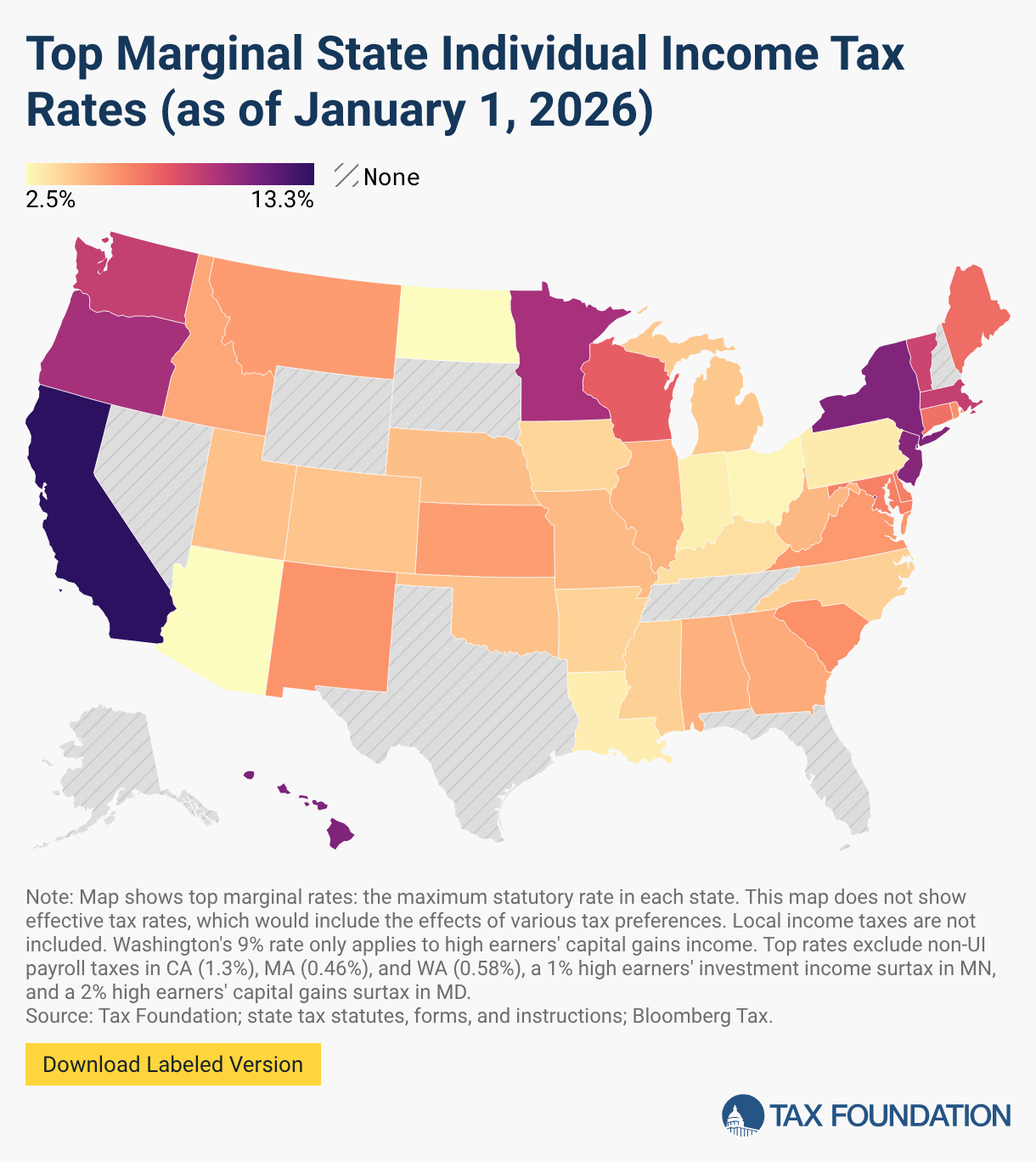
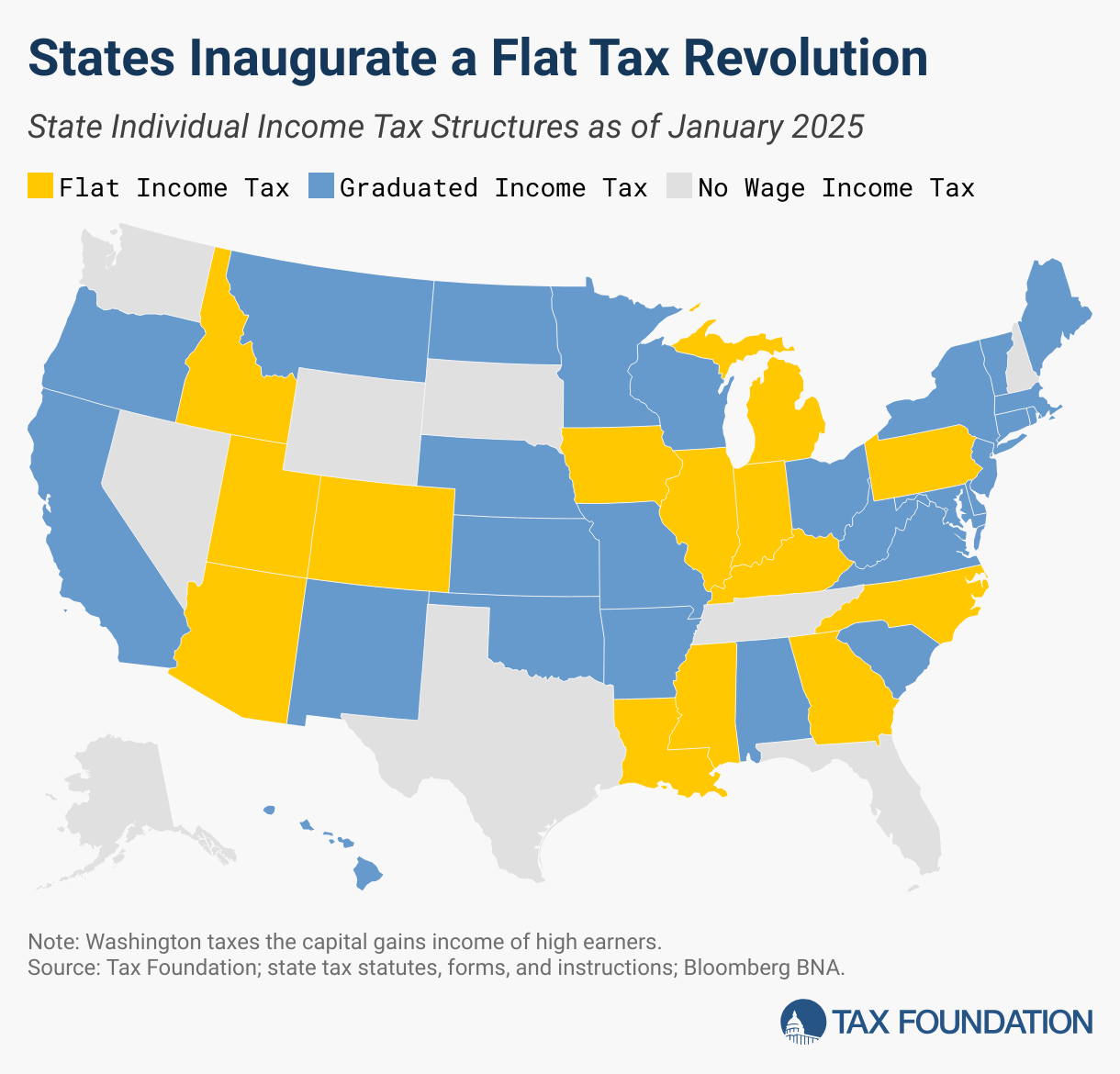
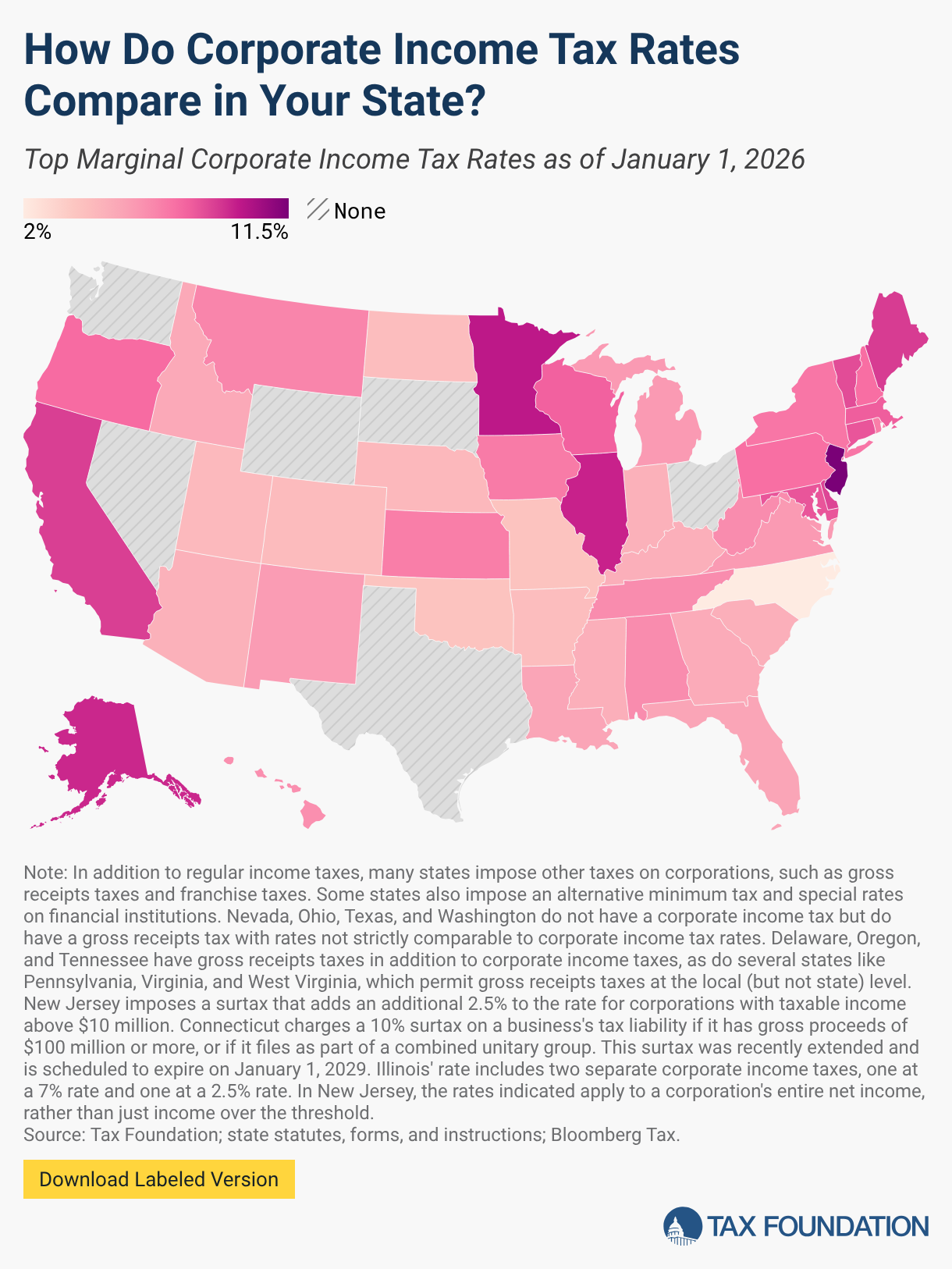
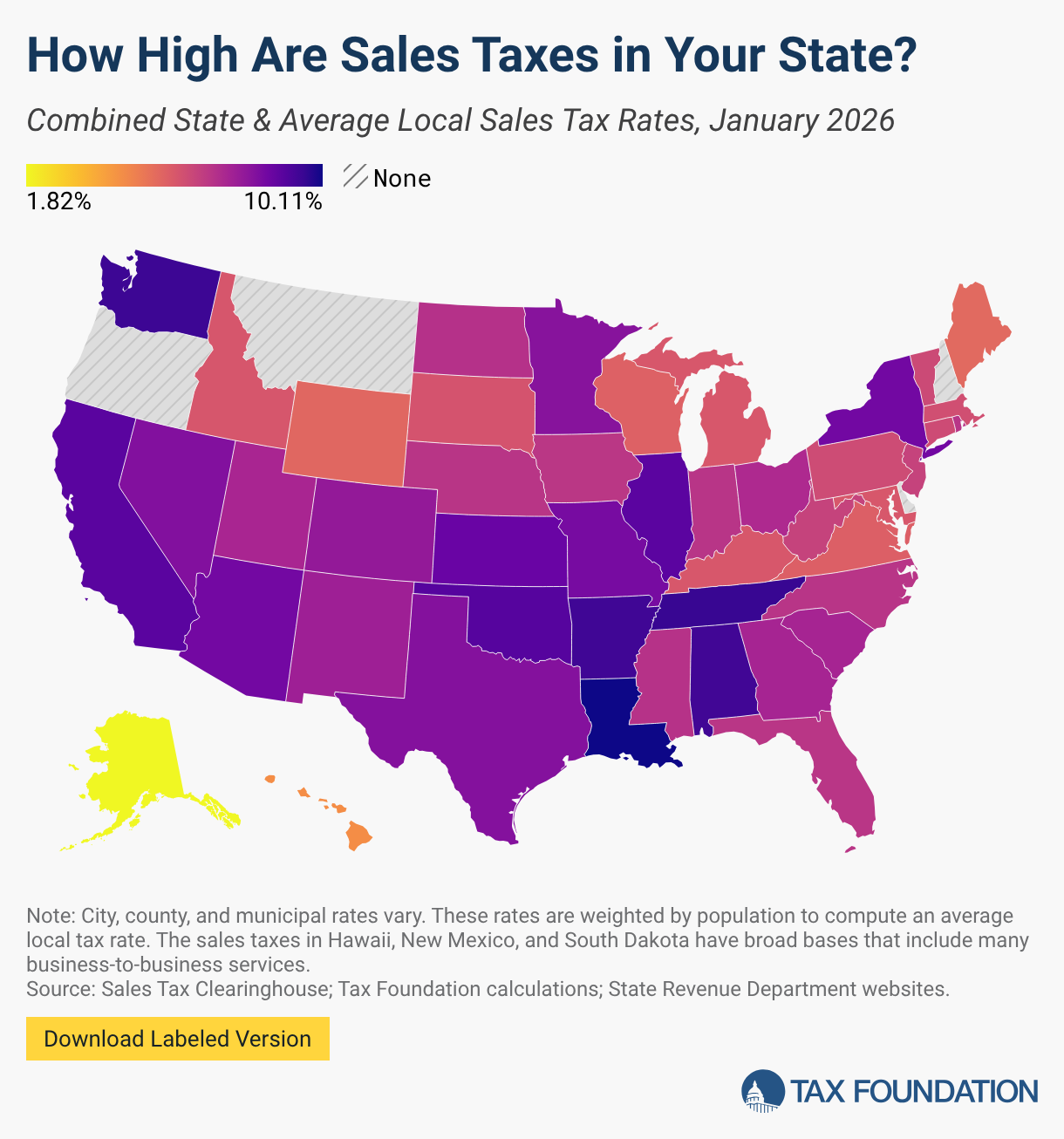
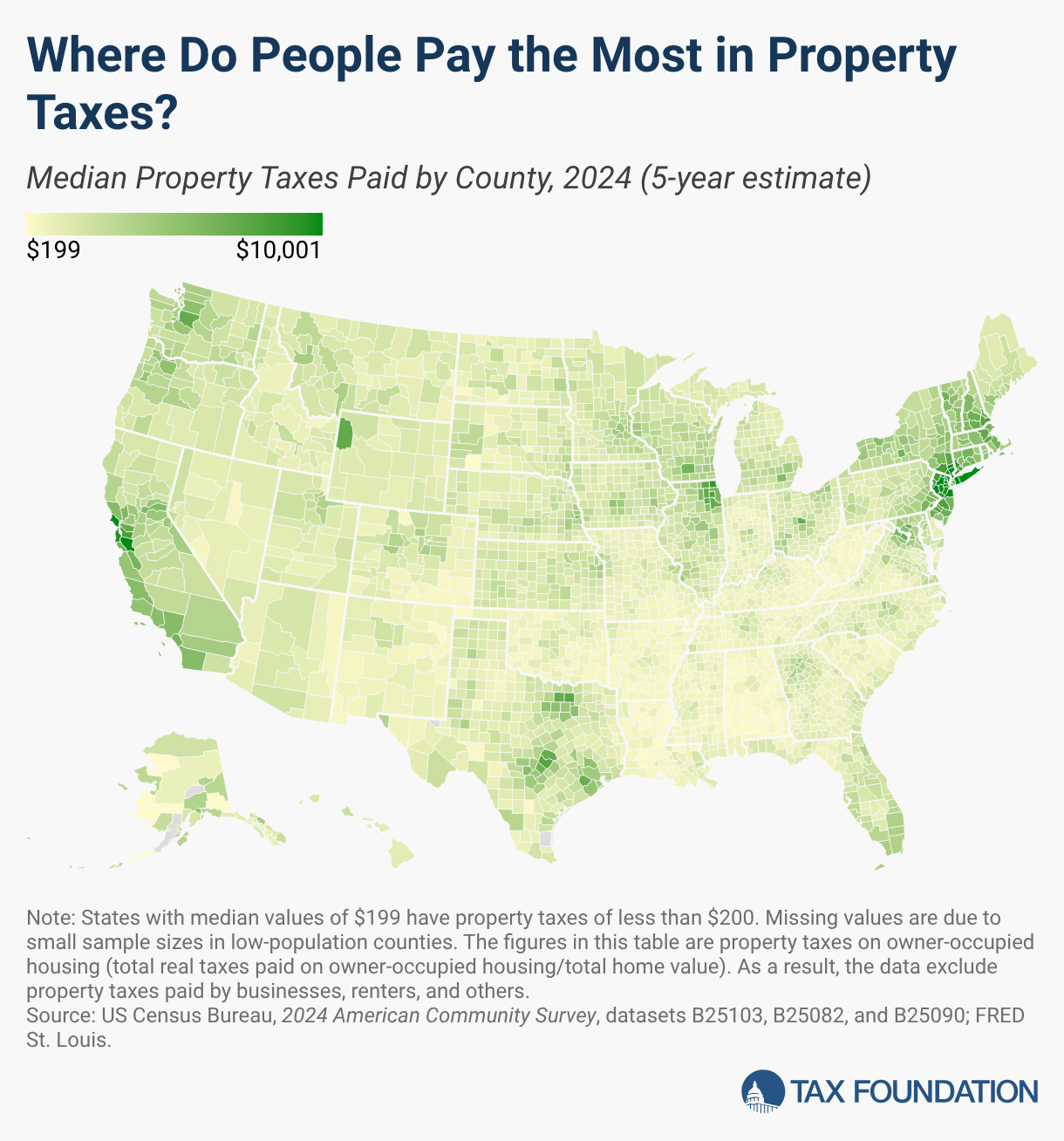
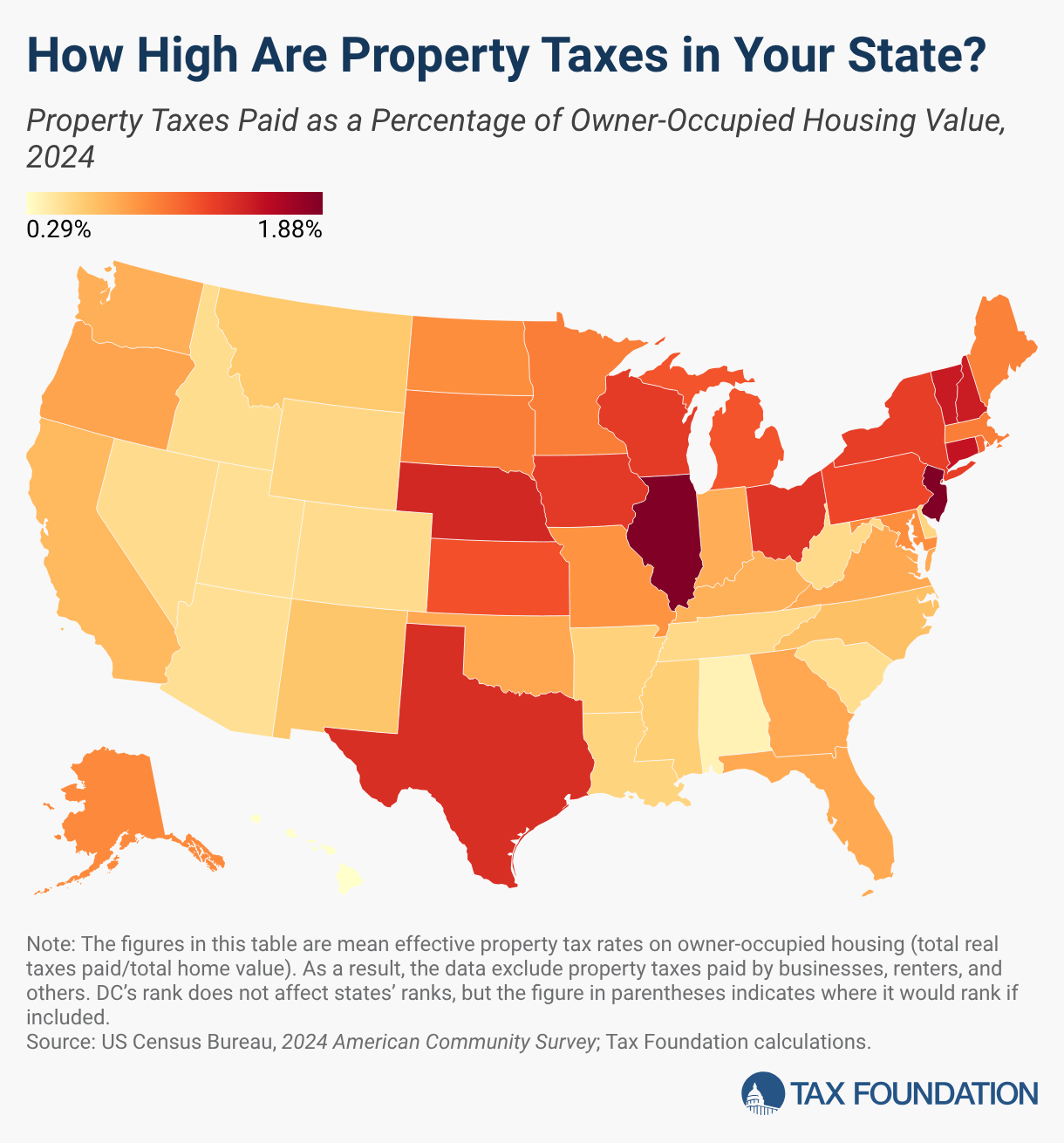
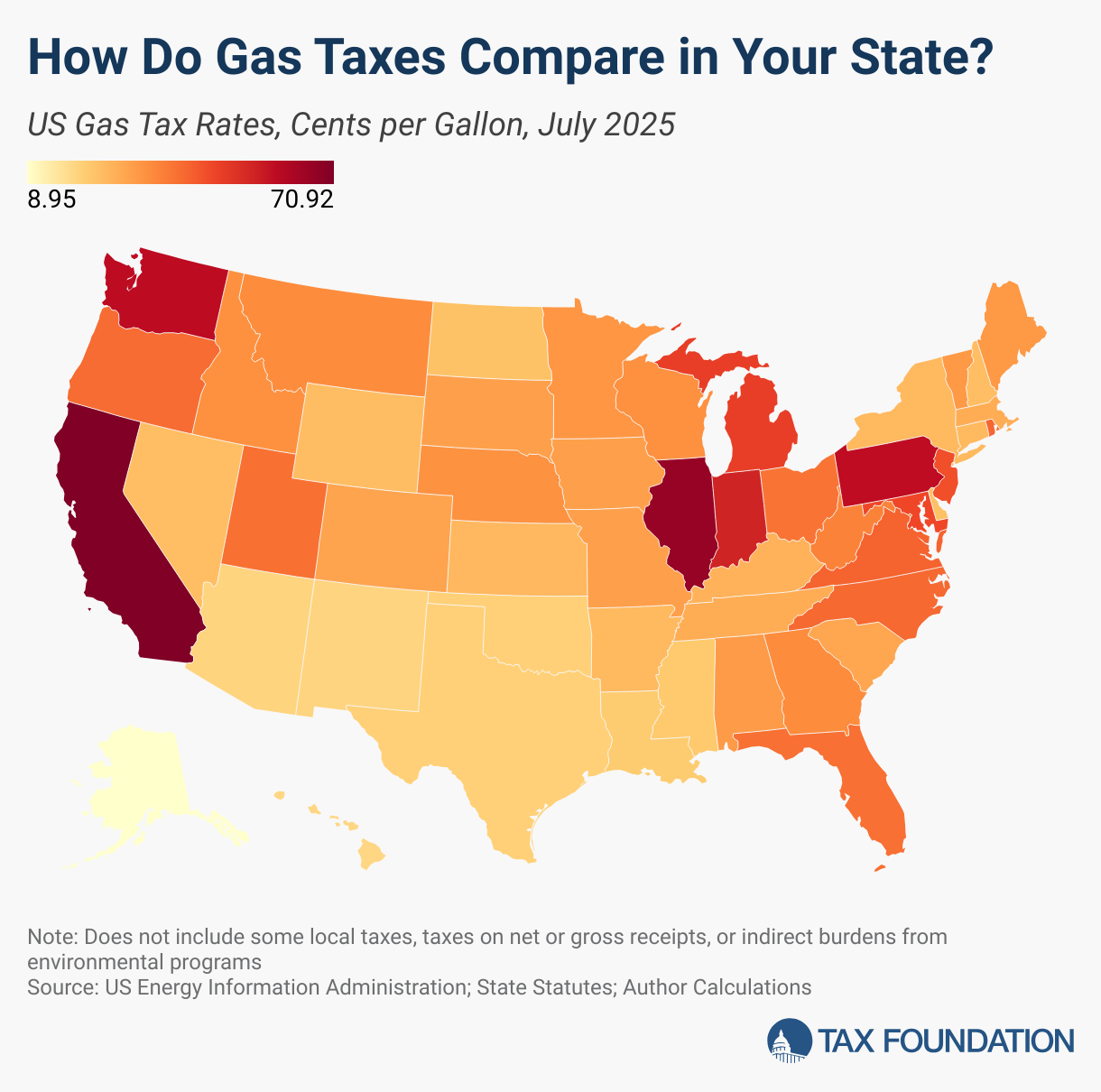
Illinois has a flat 4.95 percent individual income tax rate. Illinois has a 9.50 percent corporate income tax rate (7 percent plus a 2.5 percent personal property replacement tax), a 6.25 percent state sales tax rate, and an average combined state and local sales tax rate of 8.96 percent. Illinois has a 1.88 percent effective property tax rate on owner-occupied housing value. Illinois has an estate tax. Illinois’s gas tax is 66.4 cents per gallon, and its cigarette excise tax is $2.98 per pack of 20 cigarettes.

Illinois Tax Rankings, Debt, and Tax Revenue

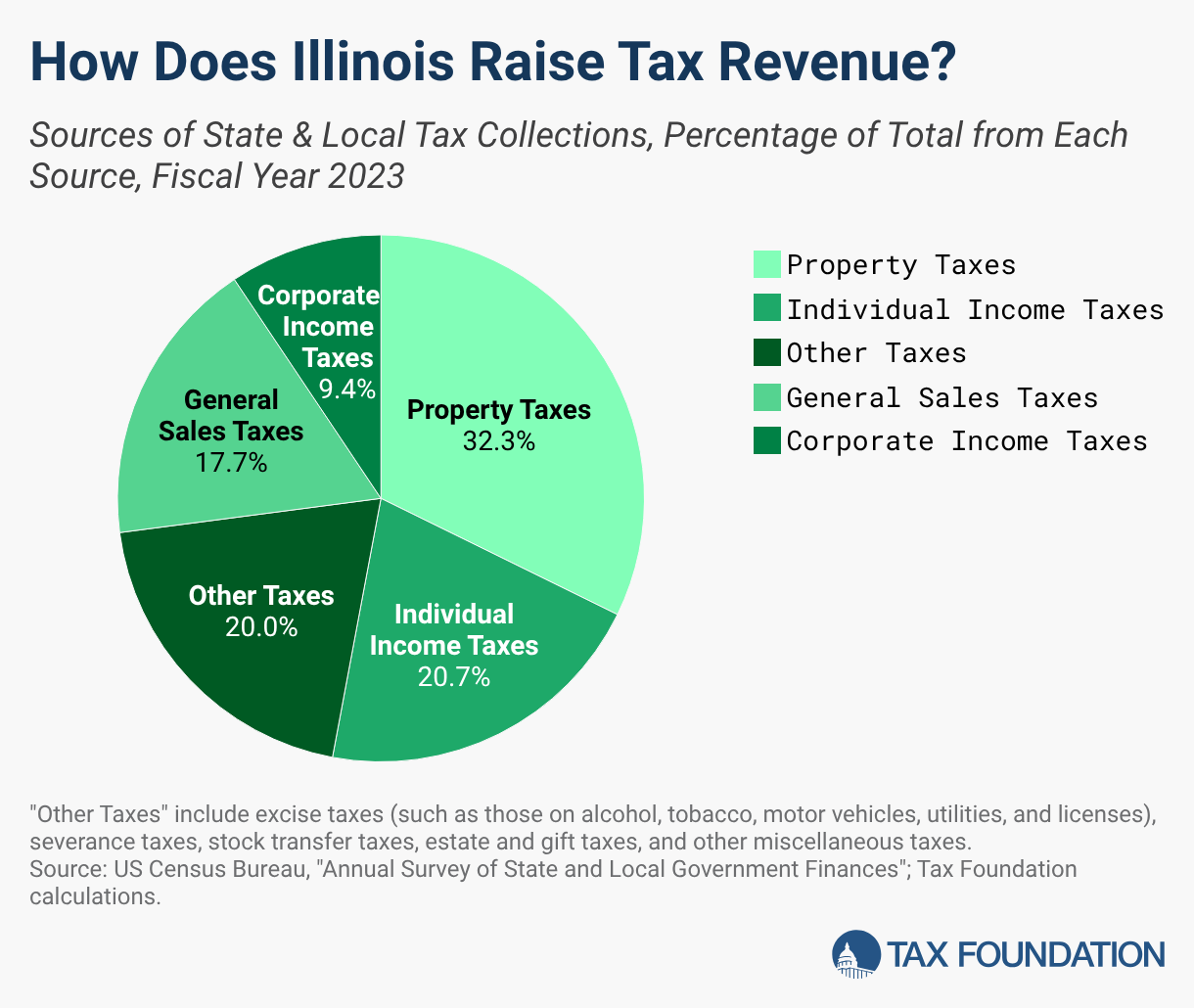
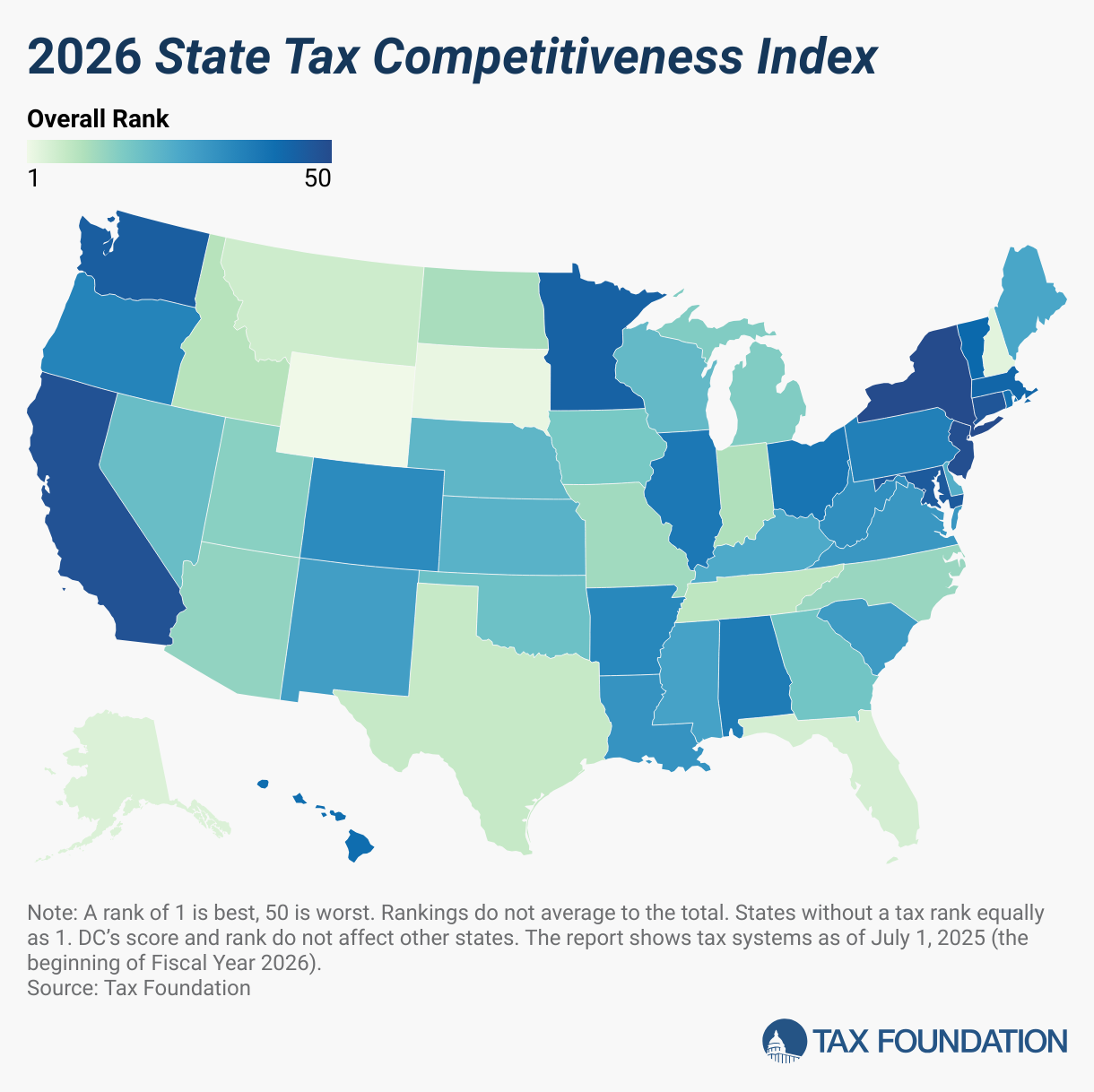
Illinois raises tax revenue primarily through property taxes (32.3 percent of total state and local tax revenue), individual income taxes (20.7 percent), and other taxes (20.0 percent). Illinois collects $8,339 in state and local tax collections per capita, carries $10,363 in state and local debt per capita, and has a 54 percent funded ratio of public pension plans. Illinois’s tax system ranks 38th overall on the 2026 State Tax Competitiveness Index.

Understanding Illinois’s Tax System

Each state’s tax code is a multifaceted system with many moving parts, and Illinois is no exception. Use the tabs below to compare Illinois taxes with other states and to see how Illinois raises tax revenue. You can also browse our tax maps, which are compiled from our annual publication, Facts & Figures 2026: How Does Your State Compare?

See Related Articles

Tax Data by State

Get facts about taxes in your state and around the US

Explore Data

How Do Taxes in Illinois Compare?

How Does Illinois Collect Revenue?

How Does Illinois' Tax System Rank?


All Related Articles

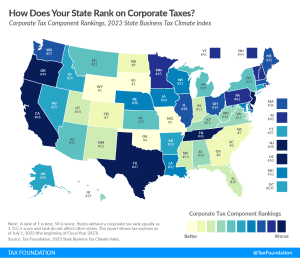
How does your state rank on corporate taxes Compare state corporate tax component on the 2023 State Business Tax Climate Index. Explore 2023 state corporate tax rank by state and year

Ranking State Tax Systems: Corporate Taxes

All corporate income taxes fall on capital investment, but the structure should not make matters worse, and policymakers should take care not to distort investment decisions through the use of targeted incentives for select firms or activities instead of a lower rate for all businesses.

2 min read
State reciprocity agreements including state income tax reciprocity agreements

Do Unto Others: The Case for State Income Tax Reciprocity

Remote and flexible work opportunities are here to stay, whether states like it or not. With enhanced opportunities to take their job with them wherever they please, more workers can factor tax burdens into their decision of where to live.

15 min read
State recreational marijuana taxes 2022 legalization and taxation by state recreational marijuana tax status

Recreational Marijuana Taxes by State, 2022

Recreational marijuana taxation is one of the hottest policy issues in the U.S. Currently, 19 states have implemented legislation to legalize and tax recreational marijuana sales.

6 min read
north carolina tax competitiveness North Carolina tax reform North Carolina business tax reform

2023 State Business Tax Climate Index

While there are many ways to show how much is collected in taxes by state governments, our Index is designed to show how well states structure their tax systems by focusing on the how more than the how much in recognition of the fact that there are better and worse ways to raise revenue.

129 min read
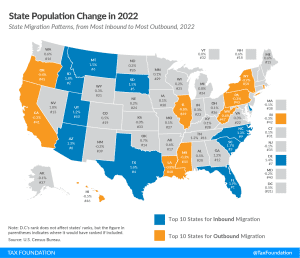
Taxes and interstate migration data from IRS and Census state migration trends show Americans moving to low-tax states

Taxes and Interstate Migration: 2022 Update

IRS and Census data show that people and businesses favor states with low and structurally sound tax systems, which can impact the state’s economic growth and governmental coffers.

12 min read
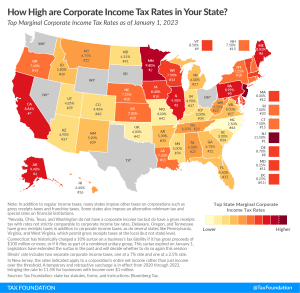
2022 combined federal and state corporate tax rates in 2022 combined corporate tax rates by state

Combined Federal and State Corporate Income Tax Rates in 2022

When examining tax burdens on businesses, it is important to consider both federal and state corporate taxes. Corporate taxes are one of the most economically damaging ways to raise revenue and are a promising area of reform for states to increase competitiveness and promote economic growth, benefiting both companies and workers.

3 min read