Skip to content

Taxes In Connecticut

2026 Connecticut Tax Rates, Collections, and Burdens

How Do Connecticut Taxes Compare to Other States?

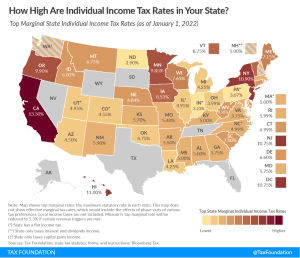
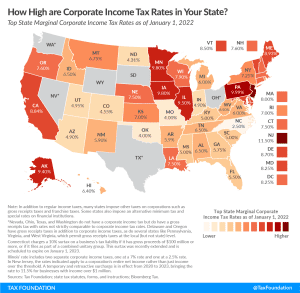
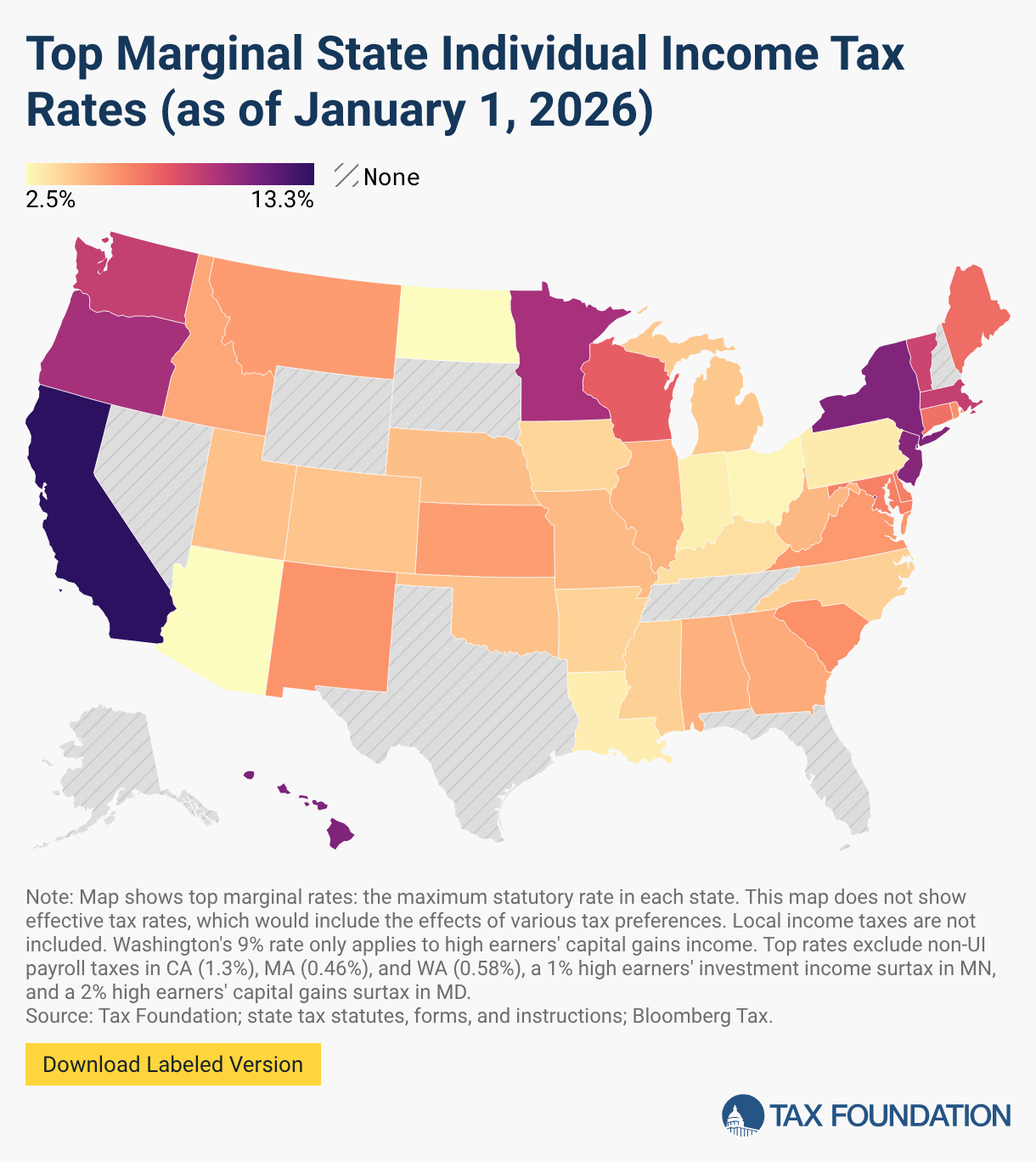
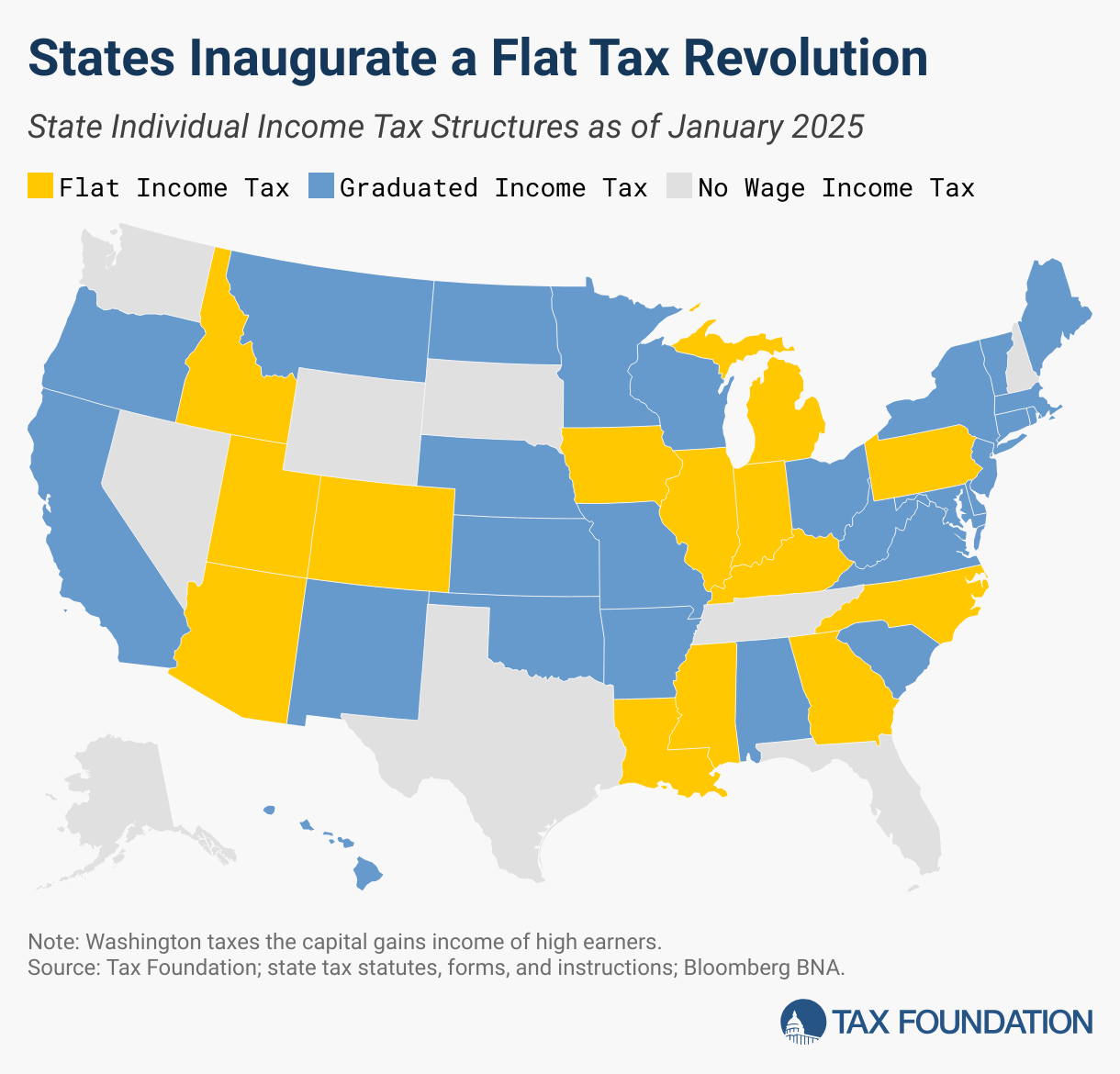
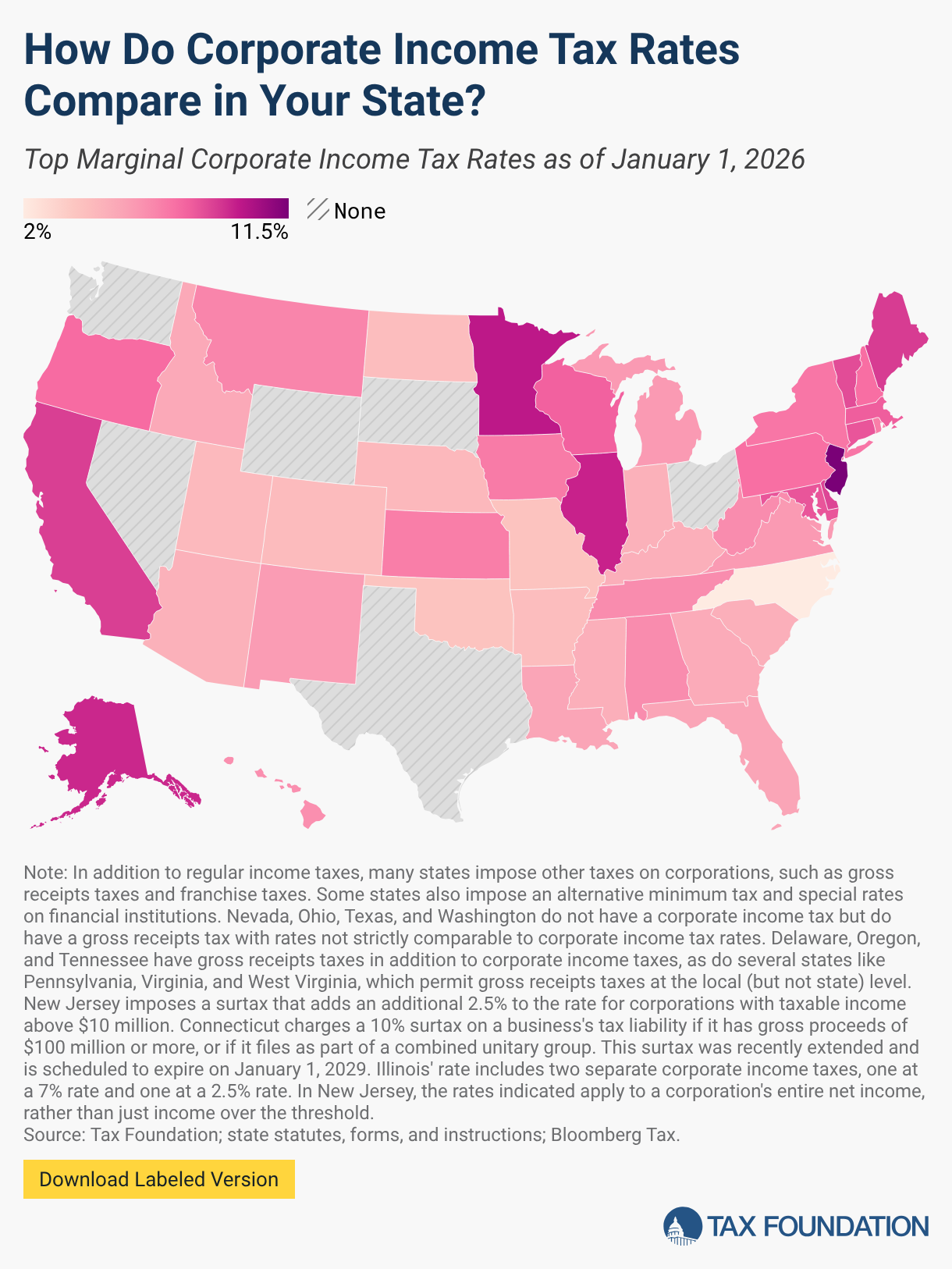
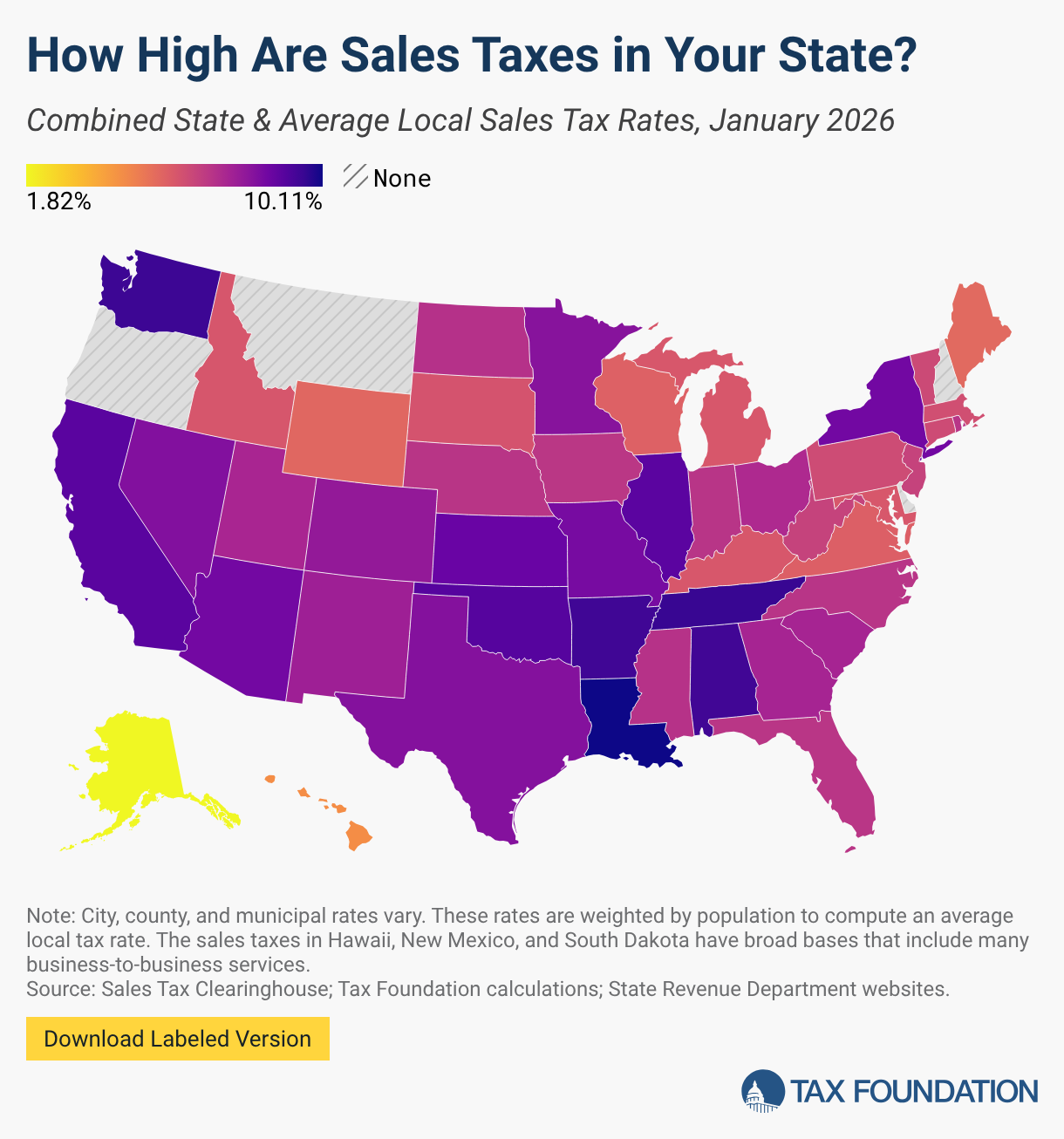
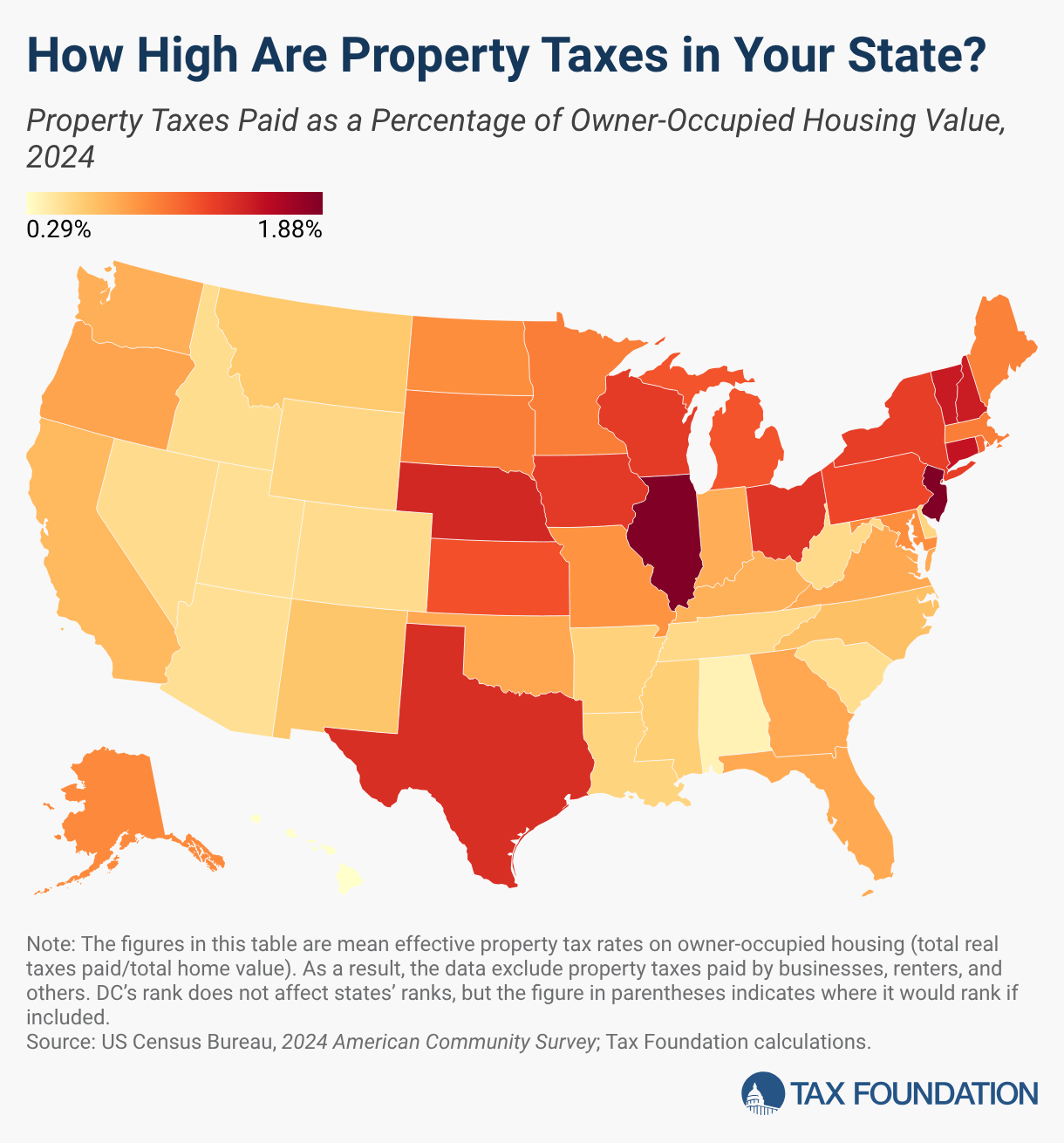
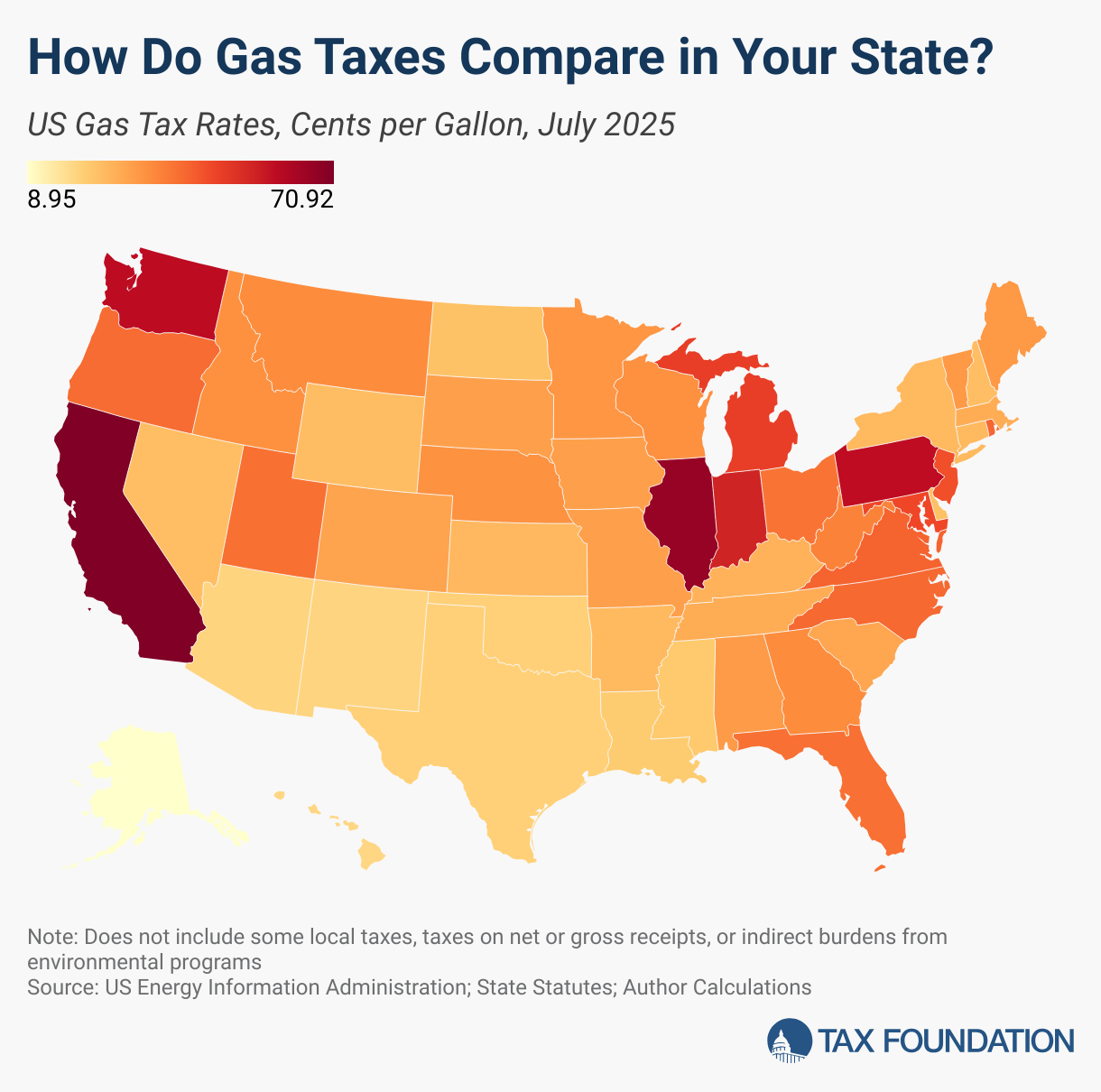
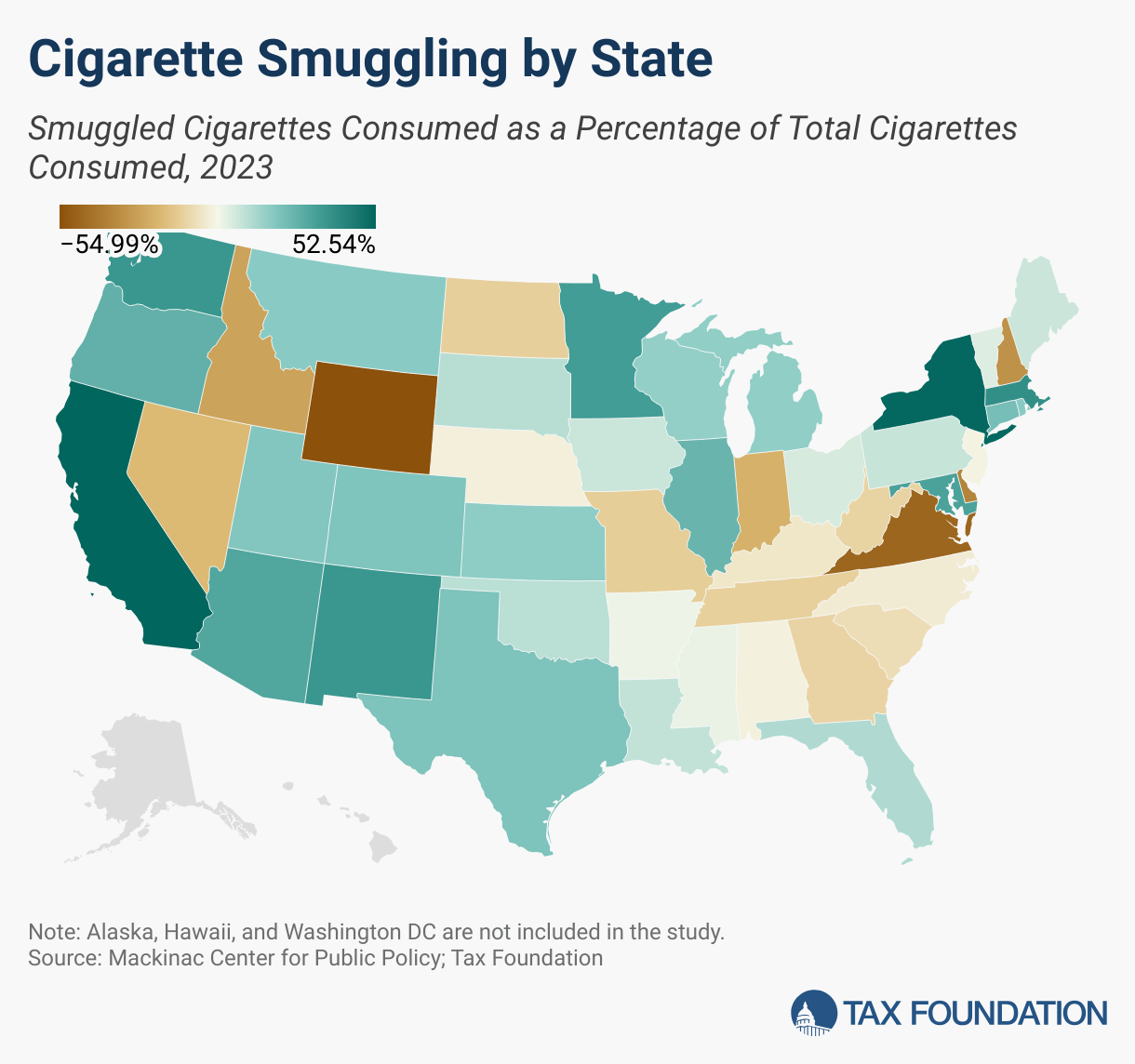
Connecticut has a graduated state individual income tax, with rates ranging from 2.00 percent to 6.99 percent. Connecticut has a 7.50 percent corporate income tax rate, a 6.35 percent state sales tax rate, and an average combined state and local sales tax rate of 6.35 percent. The Connecticut corporate income tax includes a 10 percent surtax that effectively results in a top rate of 8.25 percent for businesses with $100 million or more in annual income. Connecticut has a 1.54 percent effective property tax rate on owner-occupied housing value. Connecticut has an estate tax. Connecticut’s gas tax is 25 cents per gallon, but the state additionally levies an 8.1 percent petroleum gross earnings tax. Connecticut’s cigarette excise tax is $4.35 per pack of 20 cigarettes.

Connecticut Tax Rankings, Debt, and Tax Revenue

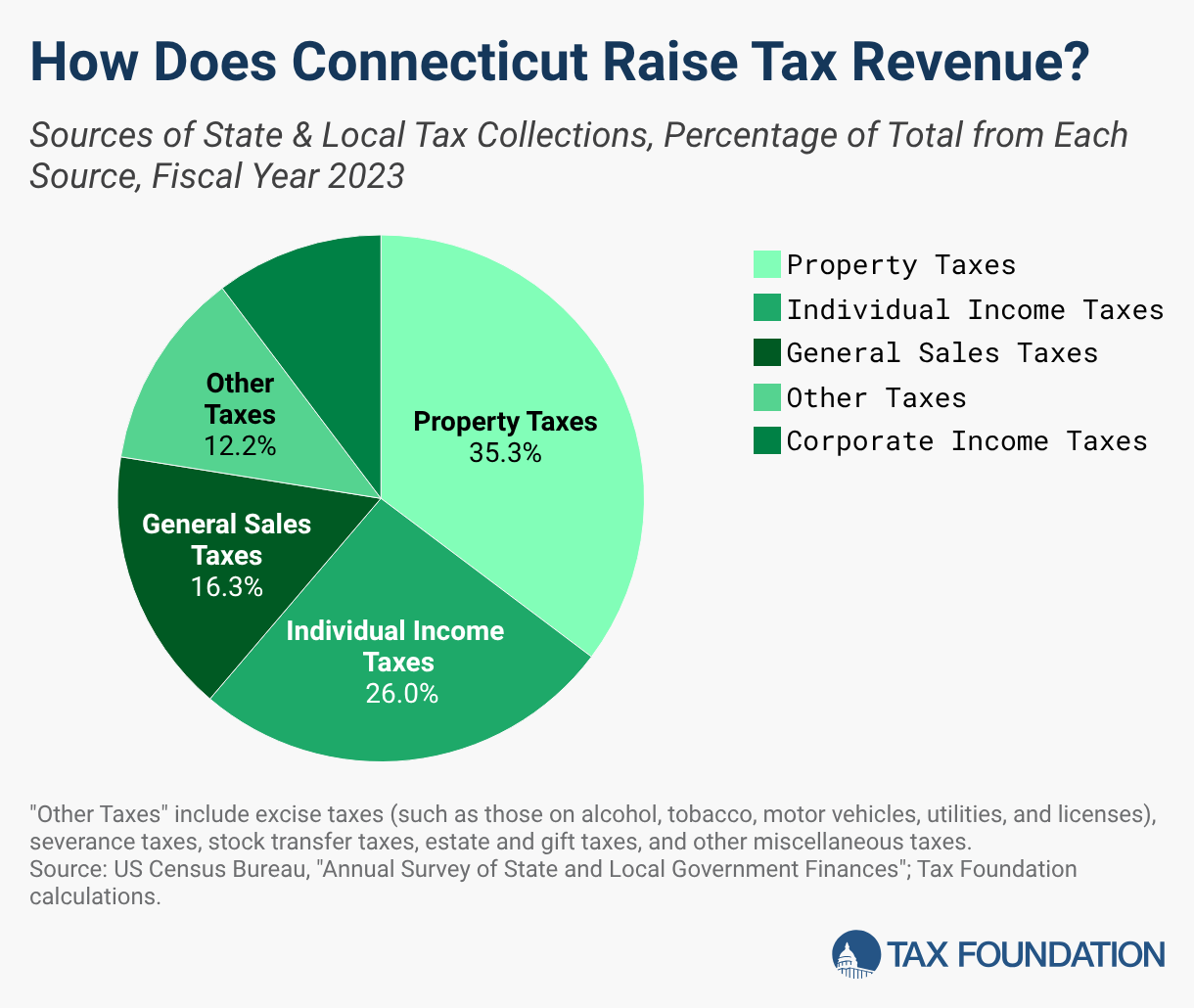
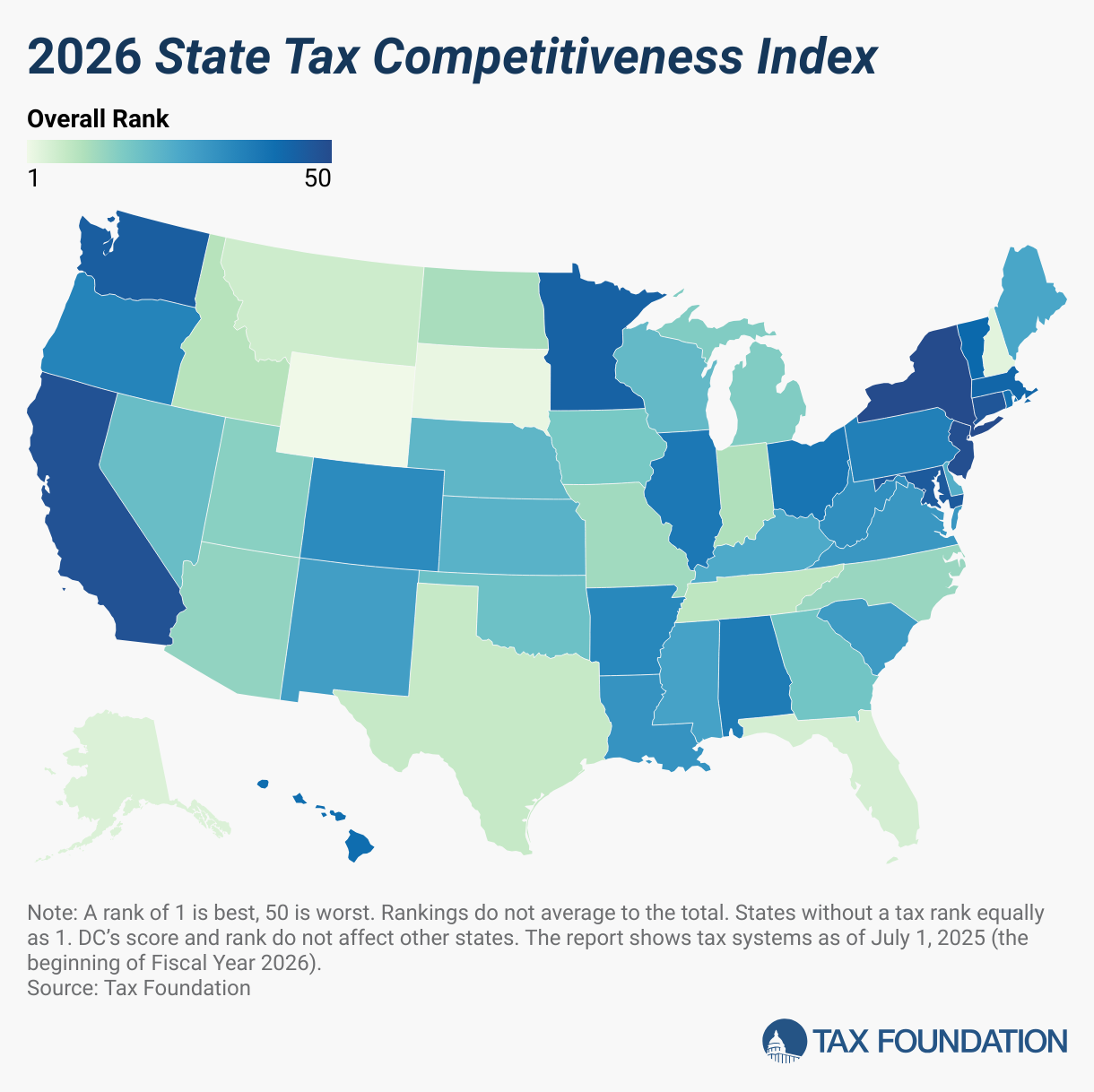
Connecticut raises tax revenue primarily through property taxes (35.3 percent of total state and local tax revenue), individual income taxes (26.0 percent), and general sales taxes (16.3 percent). Connecticut collects $9,388 in state and local tax collections per capita, carries $12,052 in state and local debt per capita, and has a 66 percent funded ratio of public pension plans. Connecticut’s tax system ranks 47th overall on the 2026 State Tax Competitiveness Index.

Understanding Connecticut’s Tax System

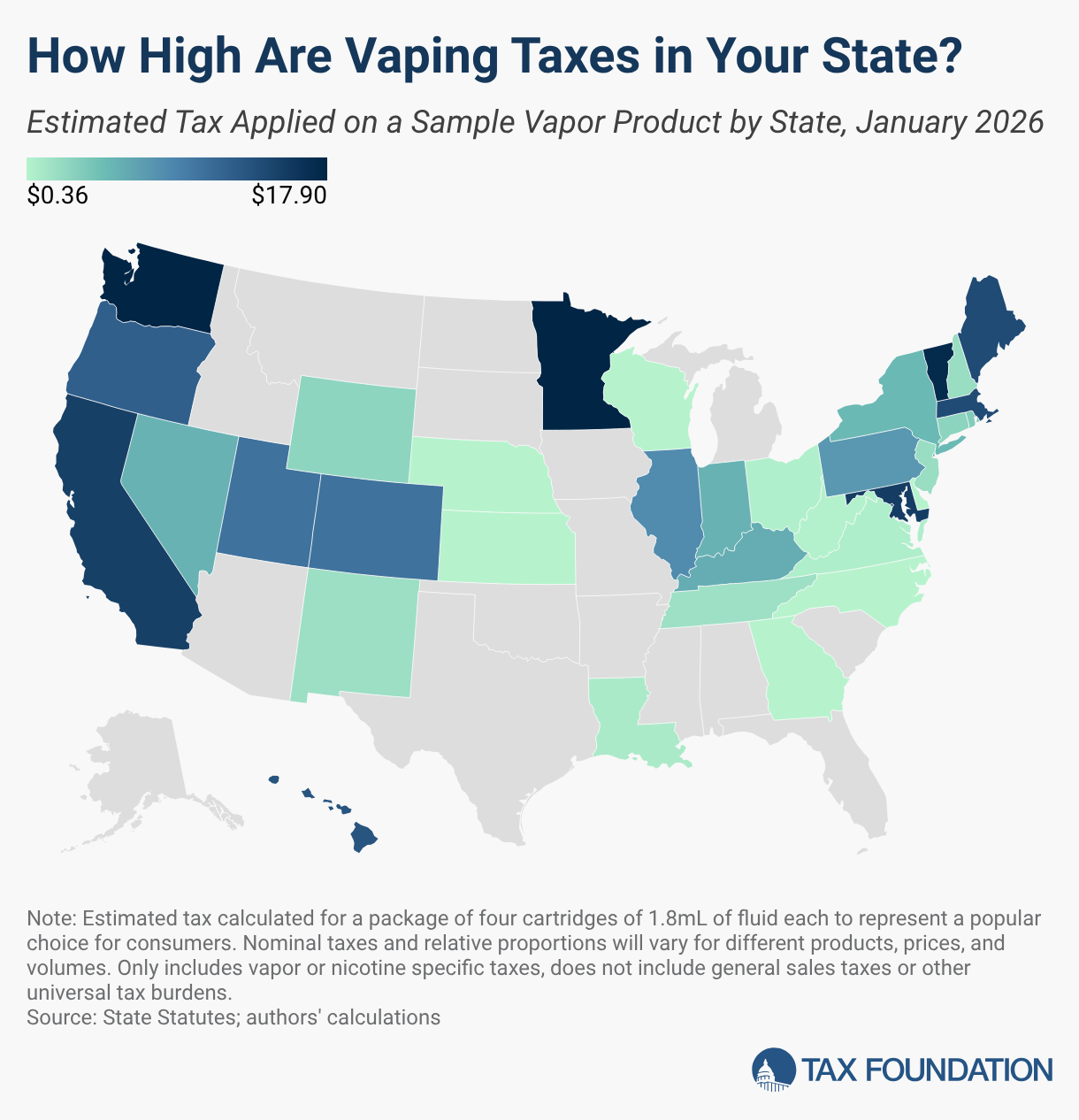
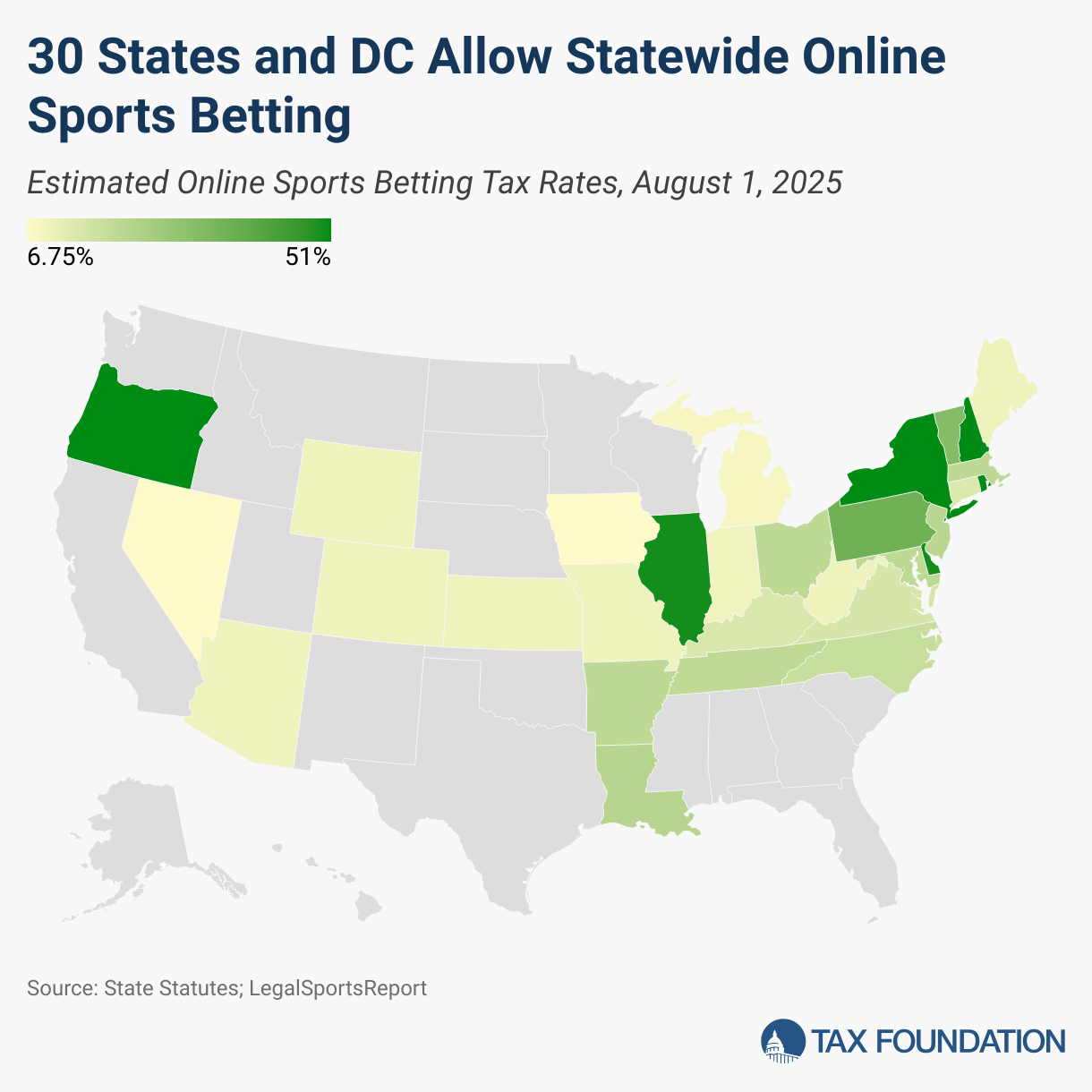
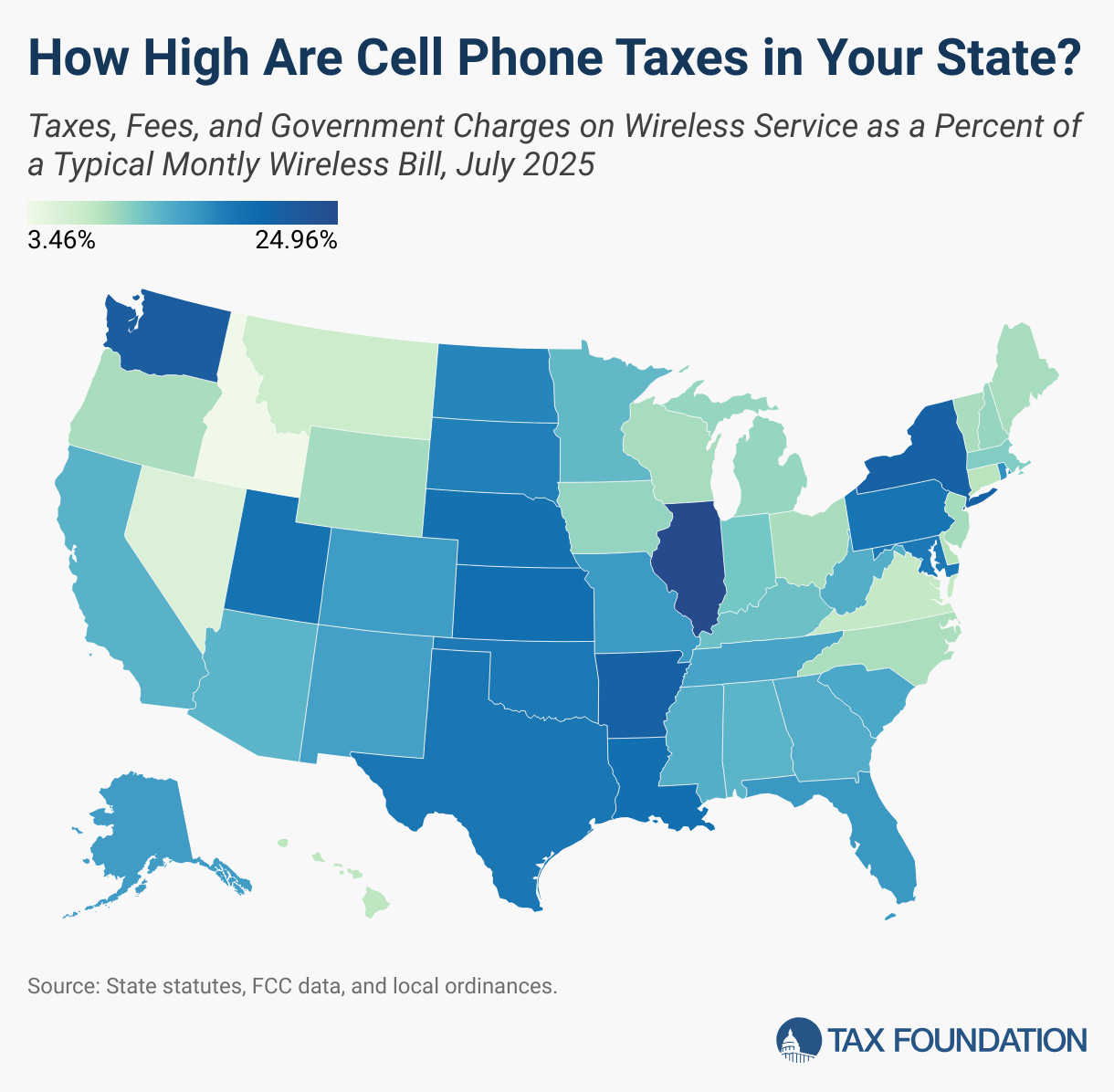
Each state’s tax code is a multifaceted system with many moving parts, and Connecticut is no exception. Use the tabs below to compare Connecticut taxes with other states and to see how Connecticut raises tax revenue. You can also browse our tax maps, which are compiled from our annual publication, Facts & Figures 2026: How Does Your State Compare?

See Related Articles

Tax Data by State

Get facts about taxes in your state and around the US

Explore Data

How Do Taxes in Connecticut Compare?

How Does Connecticut Collect Revenue?

How Does Connecticut's Tax System Rank?


All Related Articles

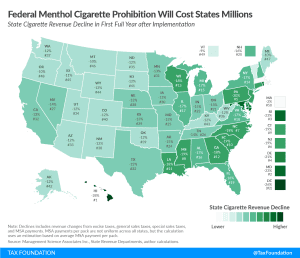
Federal Menthol Cigarette Ban Will Cost States Millions. State Cigarette Revenue Impact Due to Federal Cigarette Ban

Federal Menthol Cigarette Ban May Cost Governments $6.6 Billion

The FDA’s expected announcement of a national ban on menthol-flavored cigarettes and cigars with a characterizing flavor would carry significant revenue implications for both the federal government and state governments, with likely limited benefits in smoking cessation.

6 min read
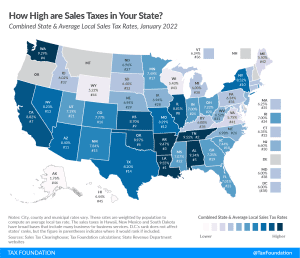
2022 sales taxes including 2022 sales tax rates 2022 state and local sales tax rates

State and Local Sales Tax Rates, 2022

While many factors influence business location and investment decisions, sales taxes are something within policymakers’ control that can have immediate impacts.

12 min read
Remote work tax reform options to improve state tax mobility and state tax modernization 2022

Eight State Tax Reforms for Mobility and Modernization

States are unprepared for the ongoing shift to remote and flexible work arrangements, or for the industries and activities of today, to say nothing of tomorrow. In some states, moreover, existing tax provisions exacerbate the impact of high inflation and contribute to the supply chain crisis.

40 min read
2021 State Population Change 2021 state migration trends. Where are Americans moving to low-tax states. Which is the fastest growing state What state is losing population the fastest

Americans Moved to Low-Tax States in 2021

The pandemic has accelerated changes in the way we live and work, making it far easier for people to move—and they have. As states work to maintain their competitive advantage, they should pay attention to where people are moving, and try to understand why.

6 min read
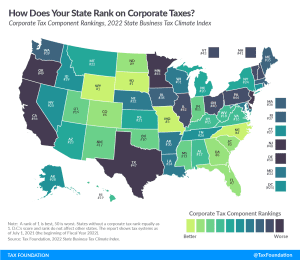
2022 State Business Tax Climate Index 2022 State Tax Rankings and 2022 State Business Rankings

2022 State Business Tax Climate Index

While there are many ways to show how much is collected in taxes by state governments, our State Business Tax Climate Index is designed to show how well states structure their tax systems and provides a road map for improvement.

169 min read