Skip to content

Taxes In South Dakota

2026 South Dakota Tax Rates, Collections, and Burdens

How Do South Dakota Taxes Compare to Other States?

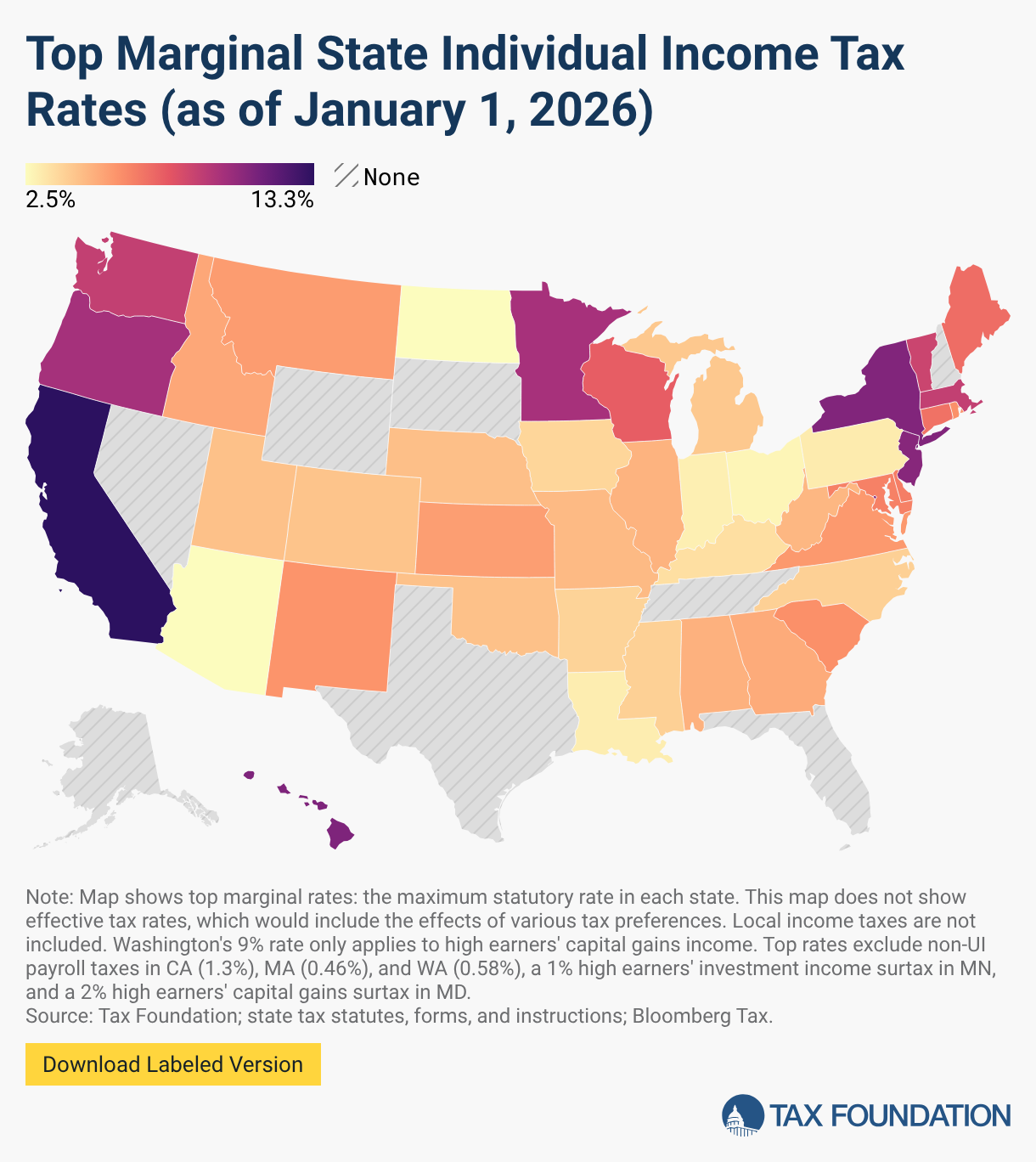
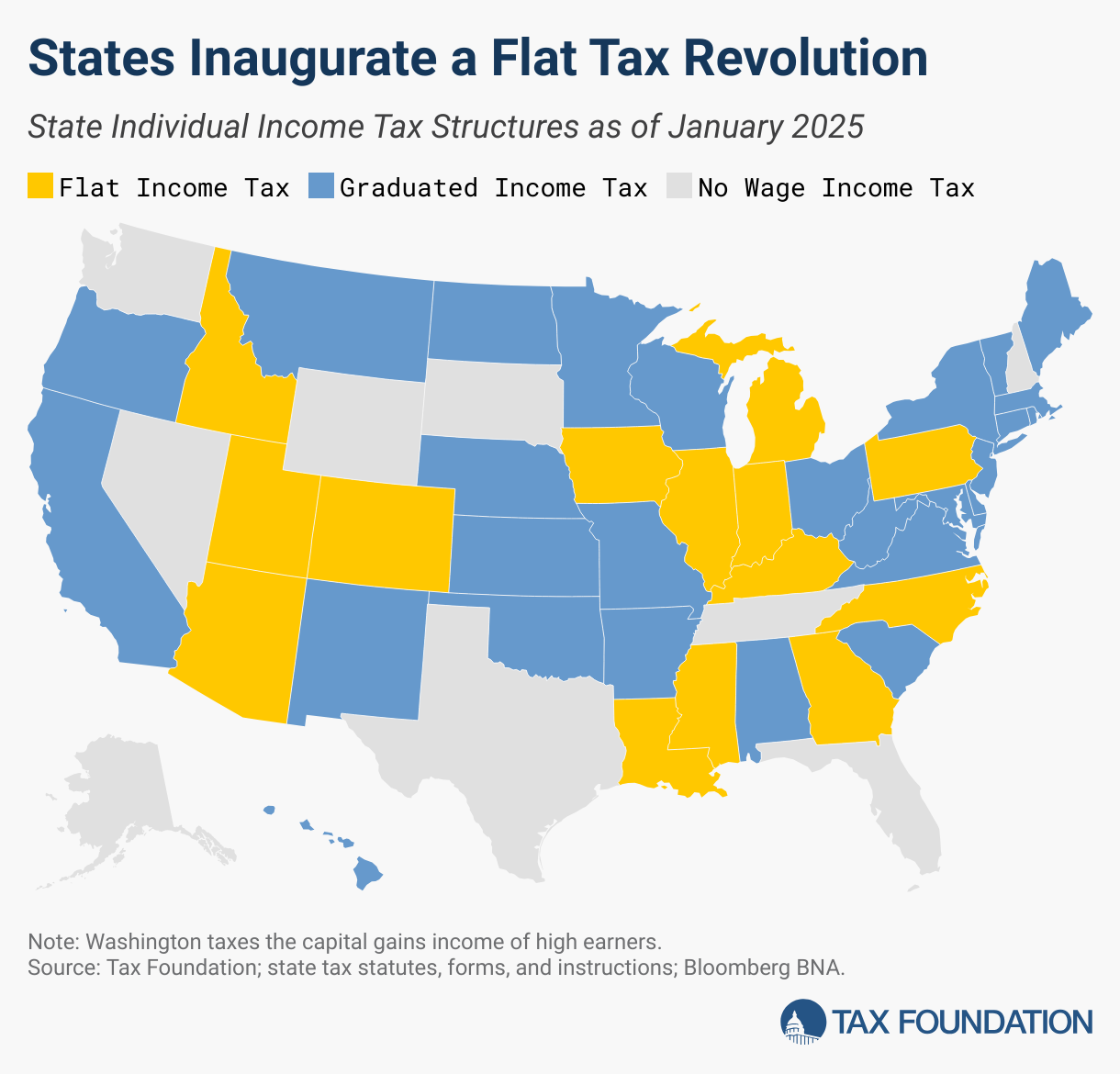
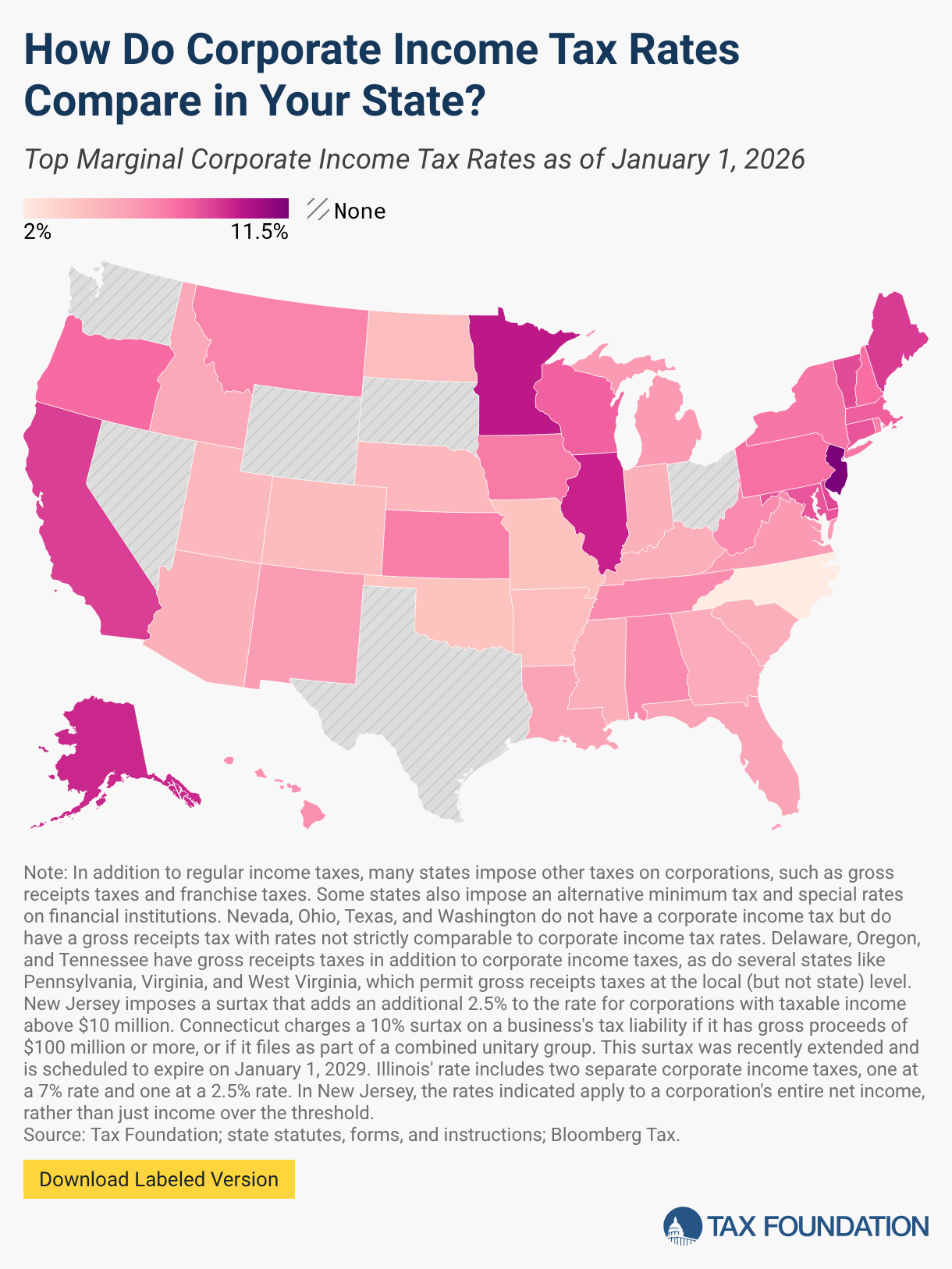
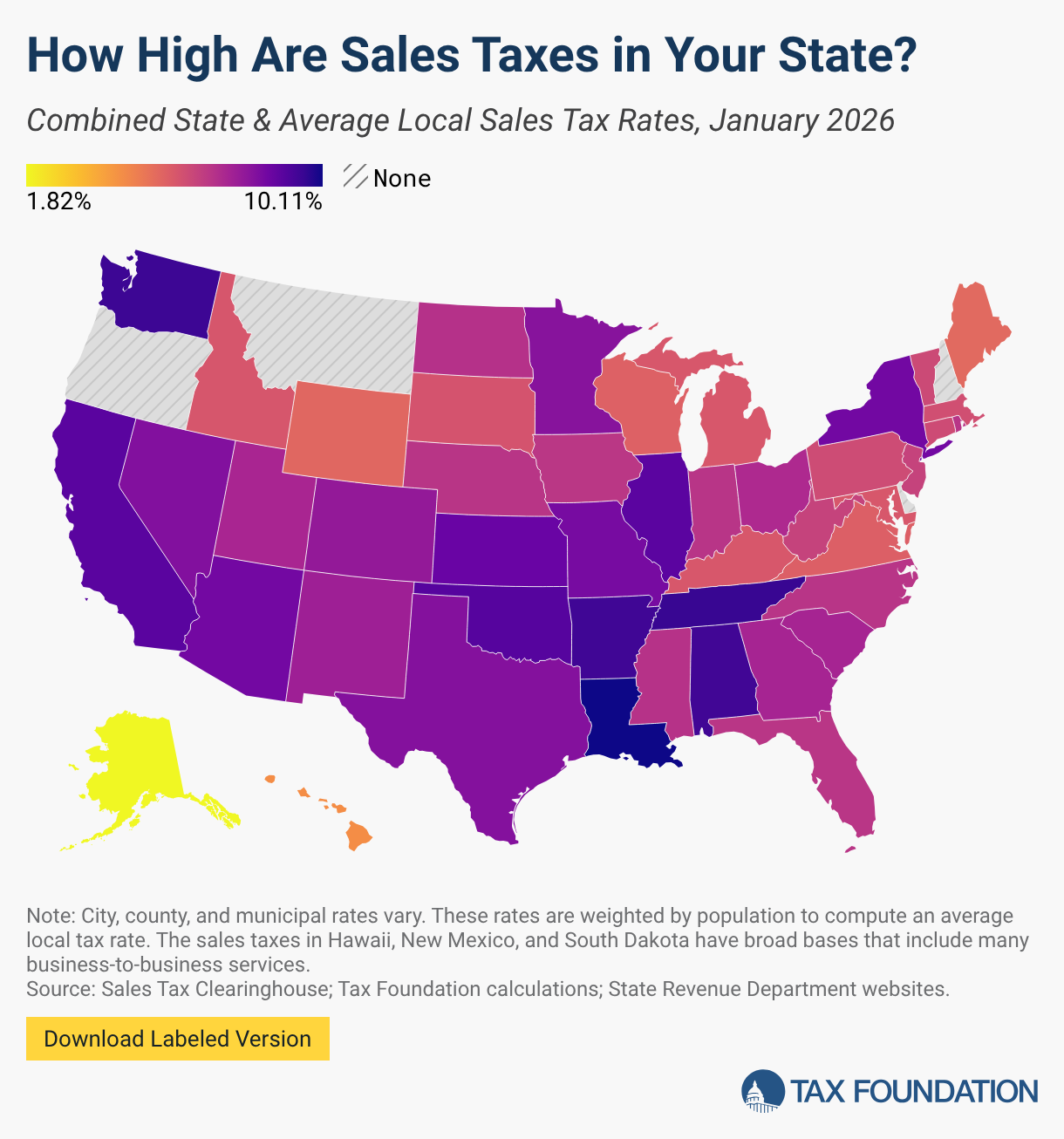
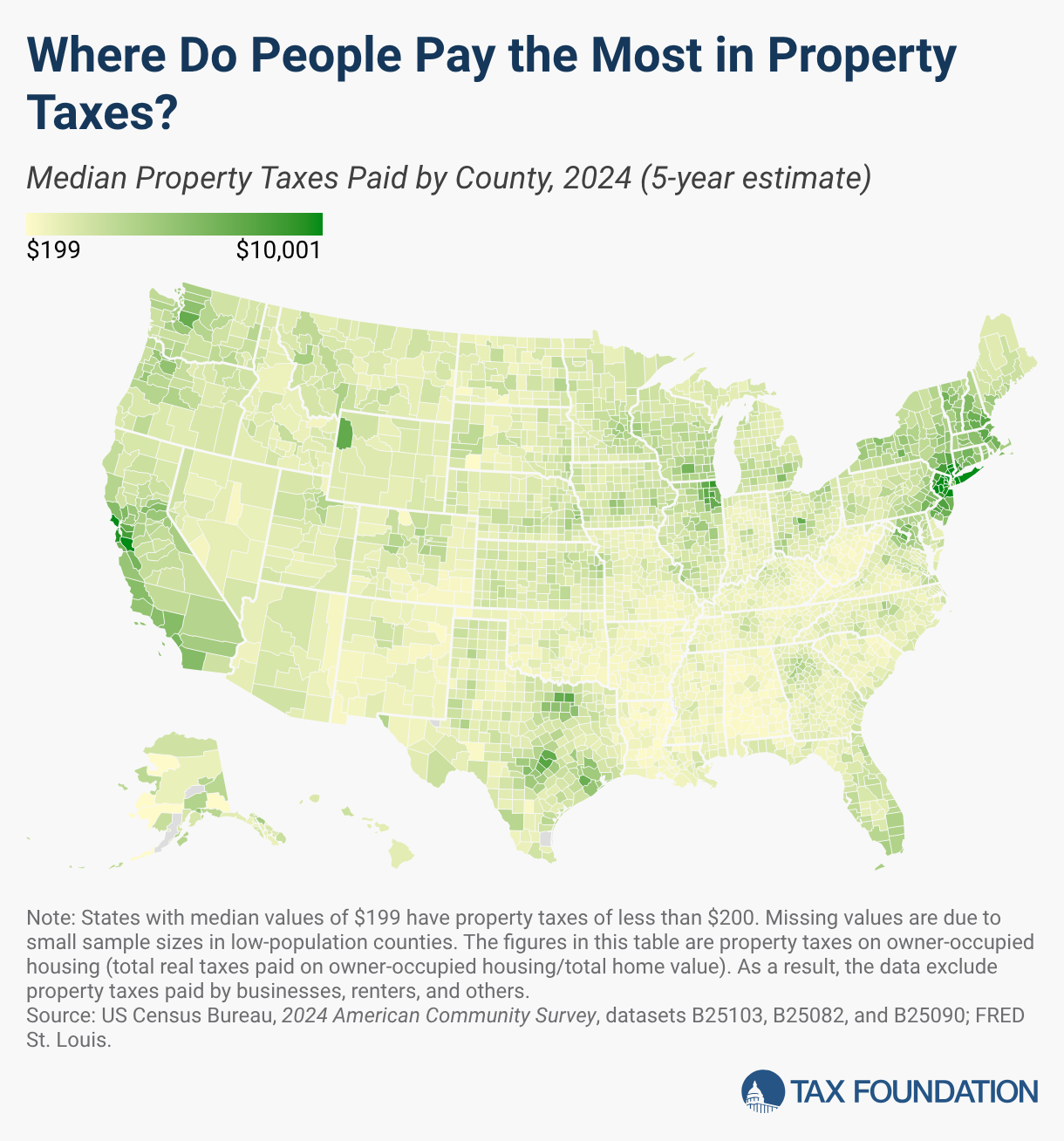
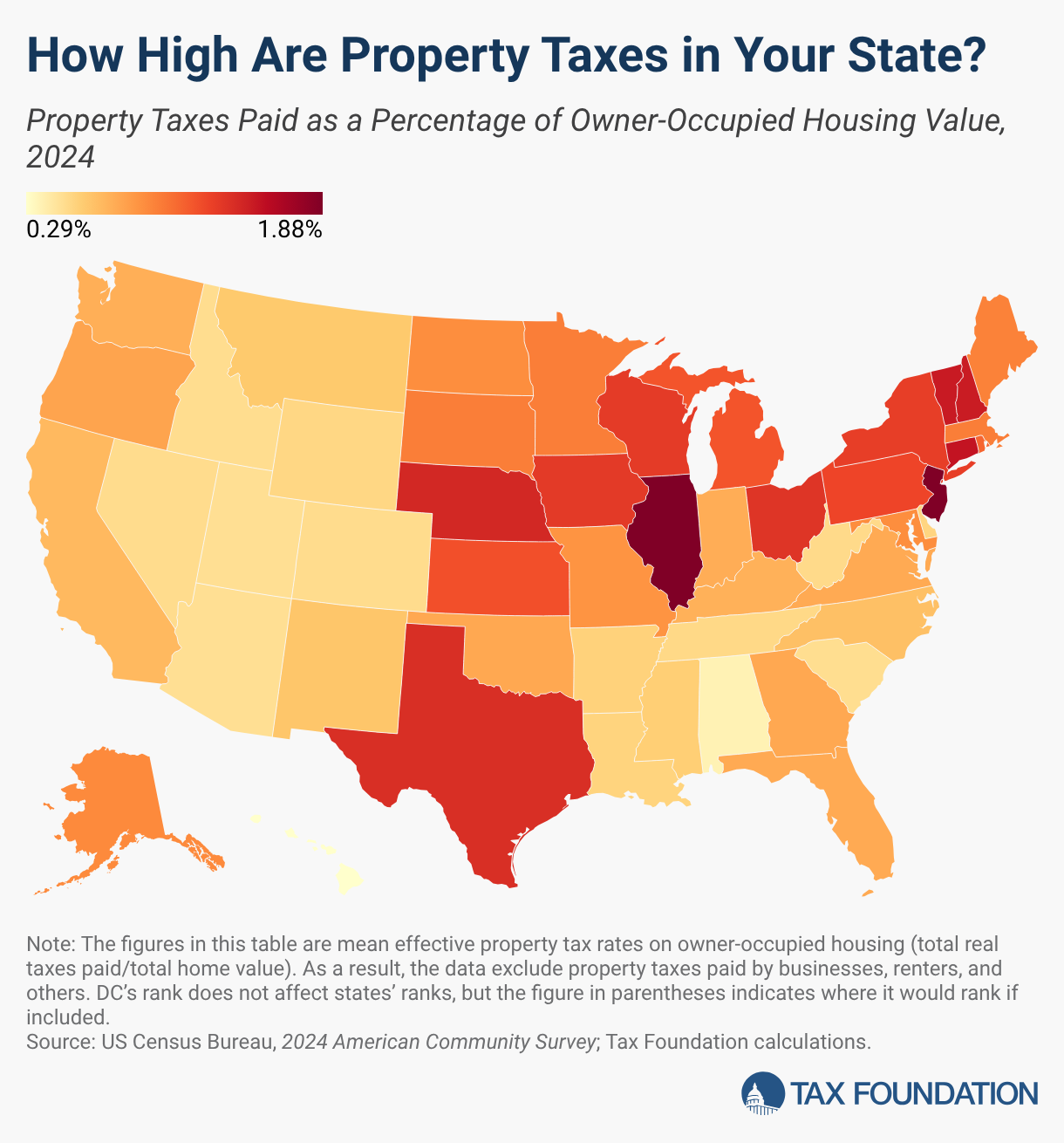
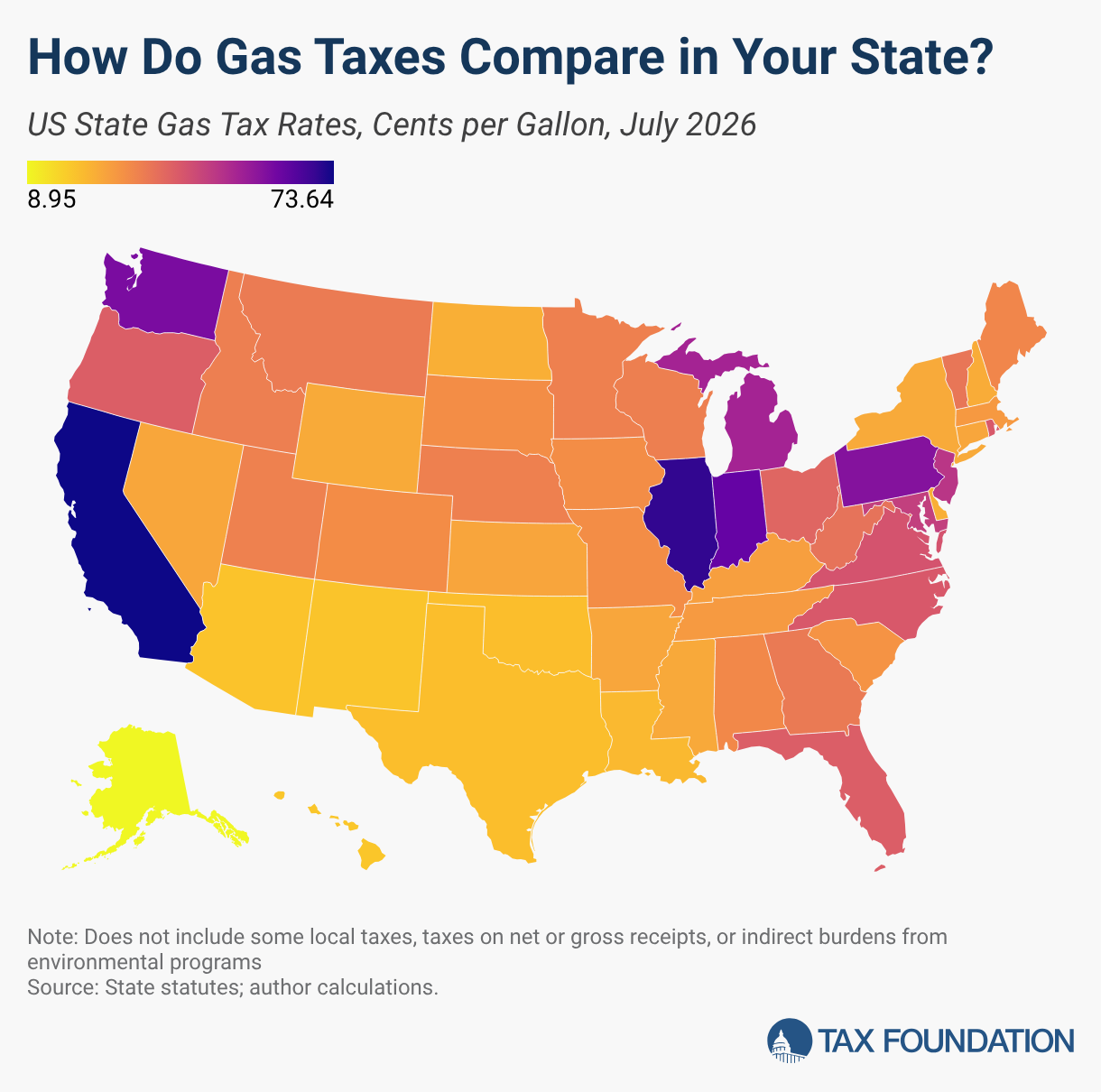
South Dakota does not have an individual income tax. South Dakota does not have a corporate income tax but has a 4.20 percent state sales tax rate and an average combined state and local sales tax rate of 6.11 percent. South Dakota has a 1.00 percent effective property tax rate on owner-occupied housing value. South Dakota does not have an estate tax or inheritance tax. South Dakota’s gas tax is 30 cents per gallon, and its cigarette excise tax is $1.53 per pack of 20 cigarettes.

South Dakota Tax Rankings, Debt, and Tax Revenue

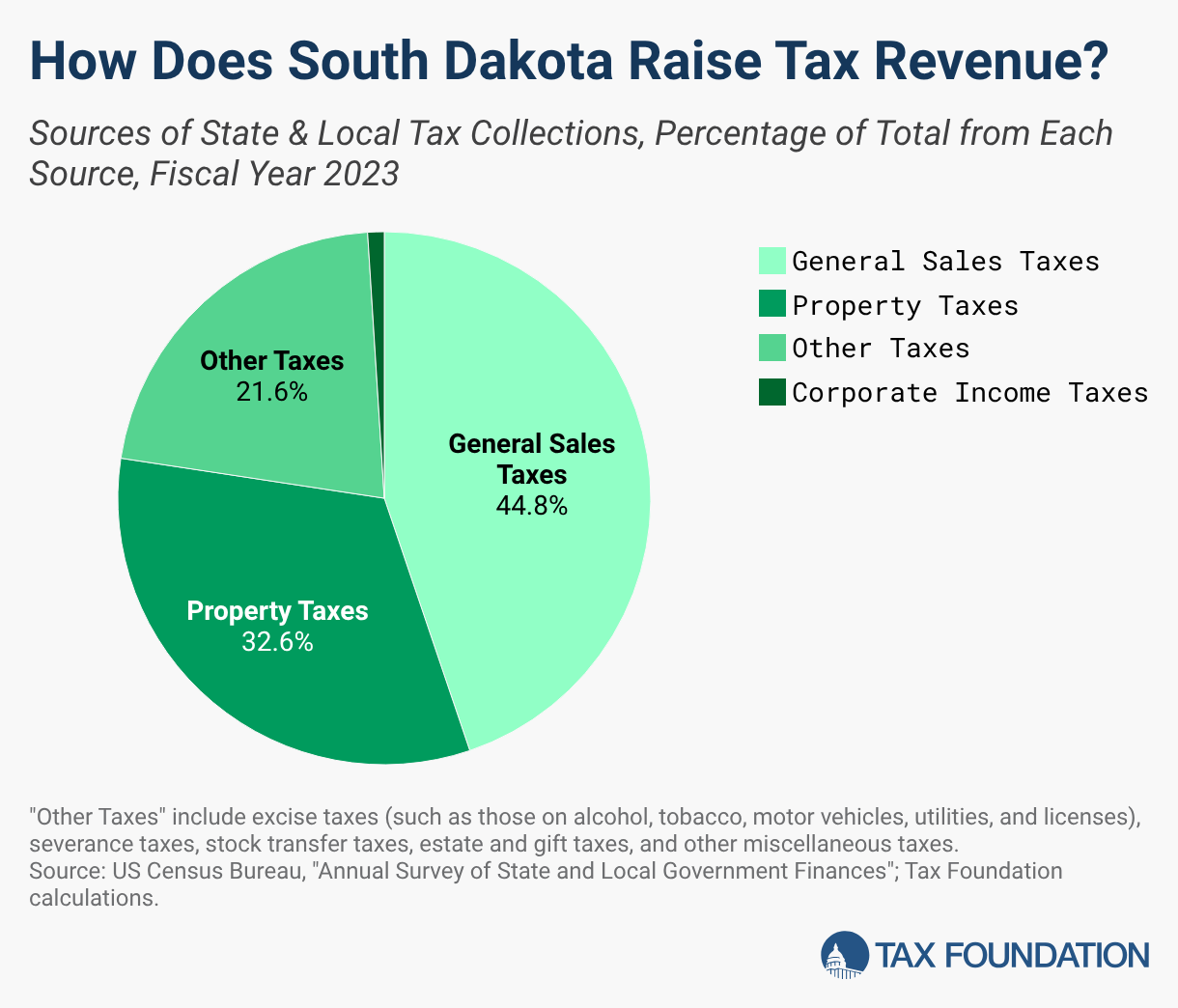
South Dakota raises tax revenue primarily through general sales taxes (44.8 percent of total state and local tax revenue), property taxes (32.6 percent), and other taxes (21.6 percent). South Dakota collects $5,298 in state and local tax collections per capita, carries $7,978 in state and local debt per capita, and has a 100 percent funded ratio of public pension plans. South Dakota’s tax system ranks 2nd overall on the 2027 State Tax Competitiveness Index.

Understanding South Dakota’s Tax System

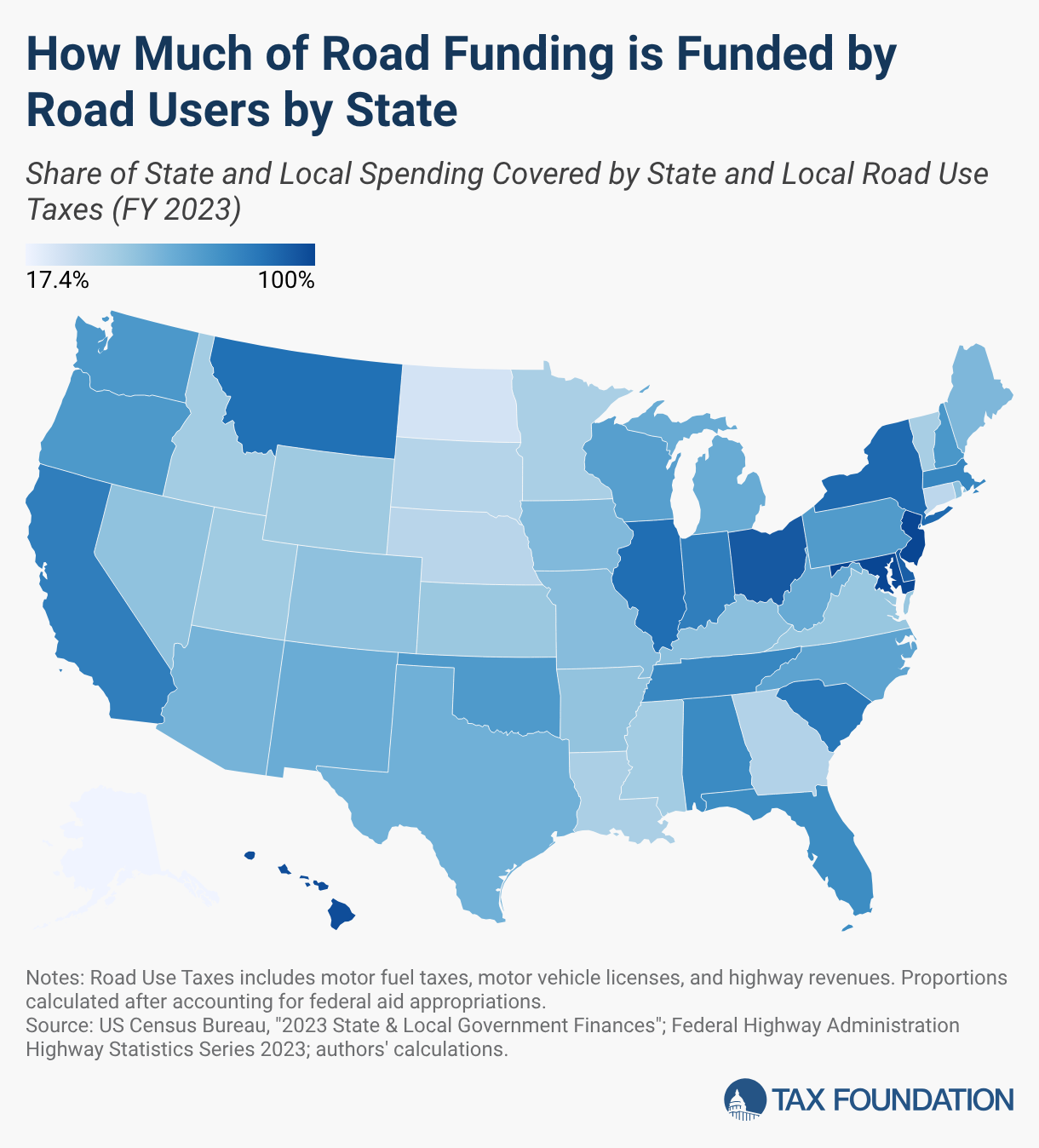
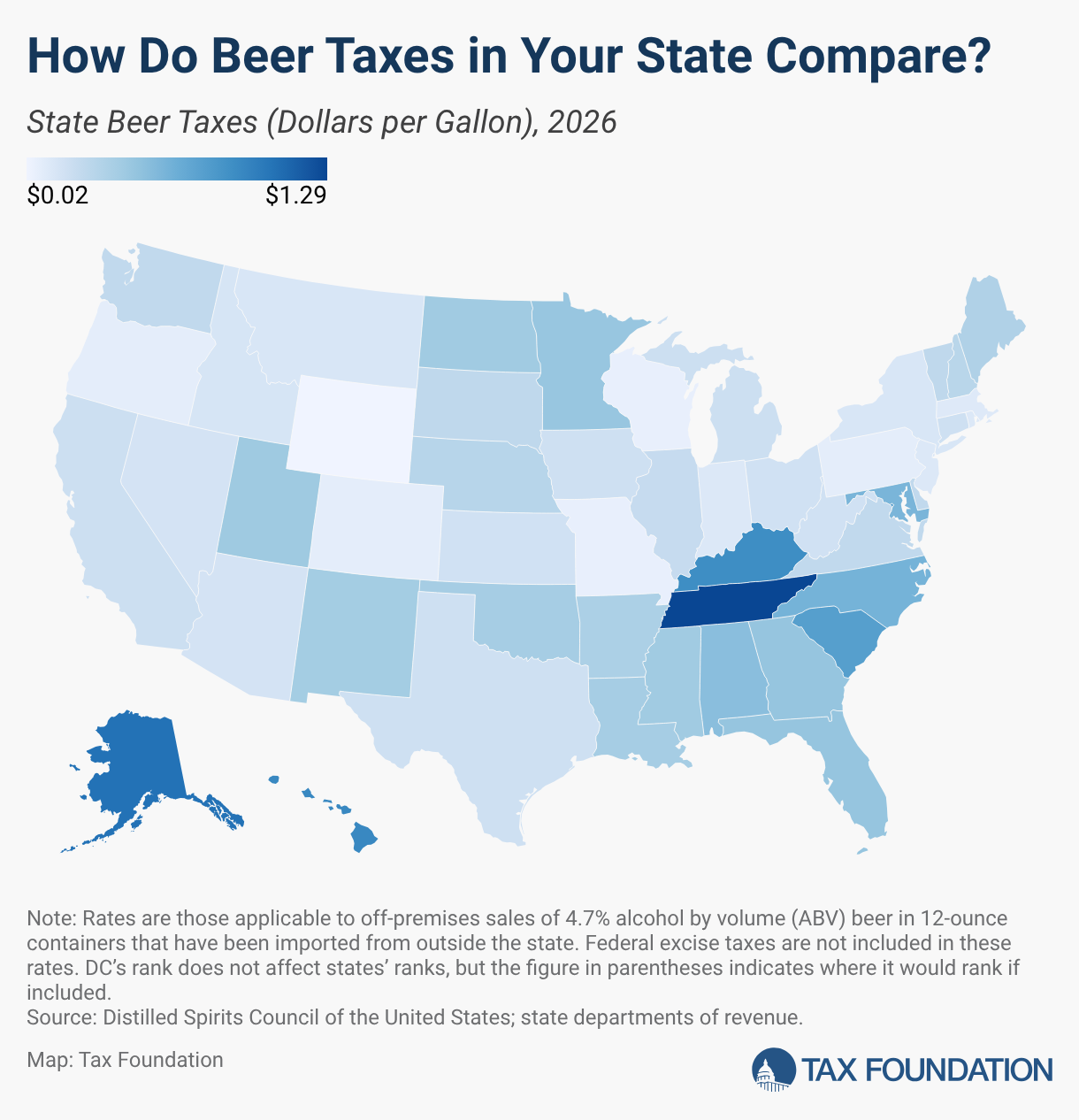
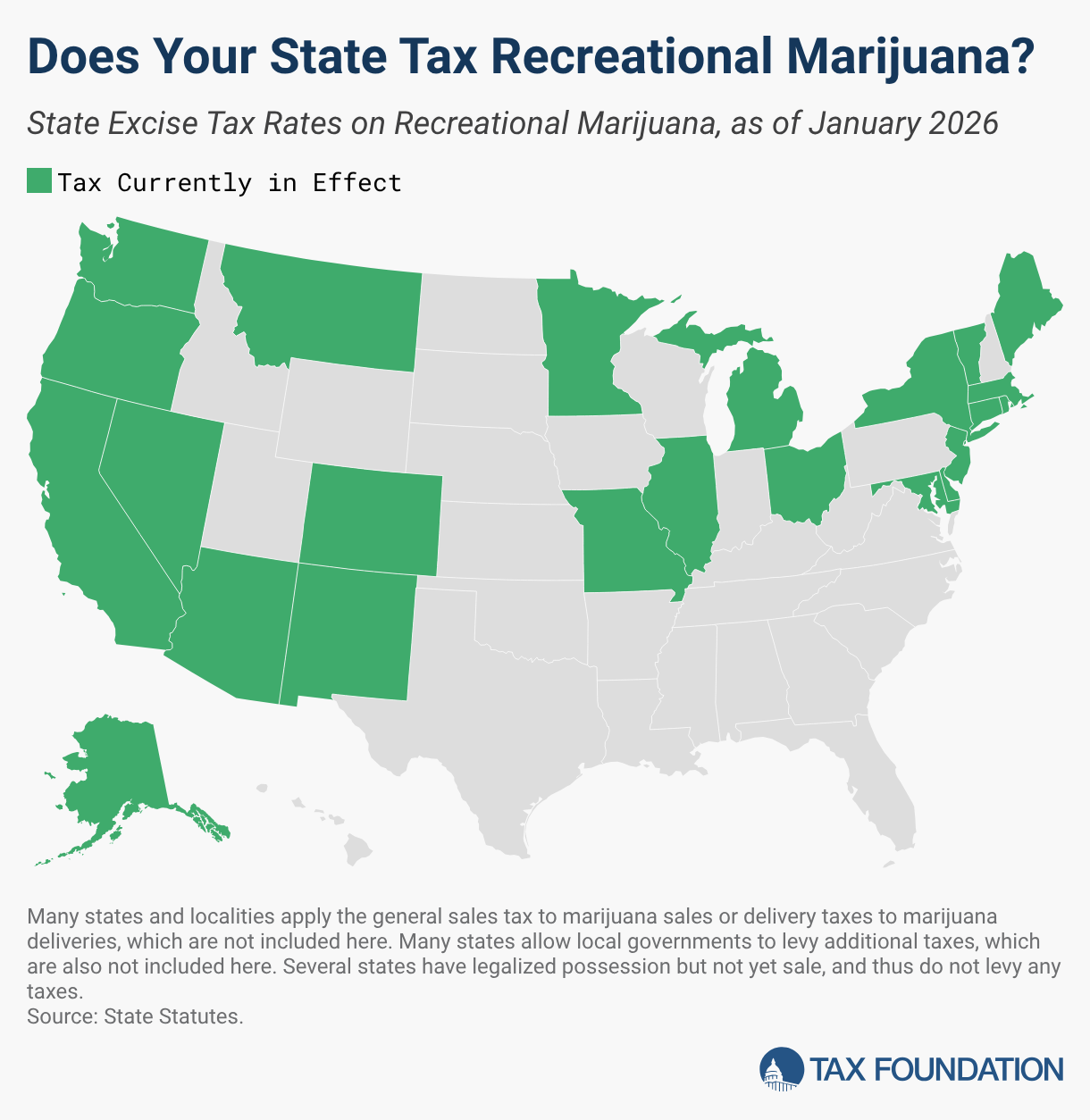
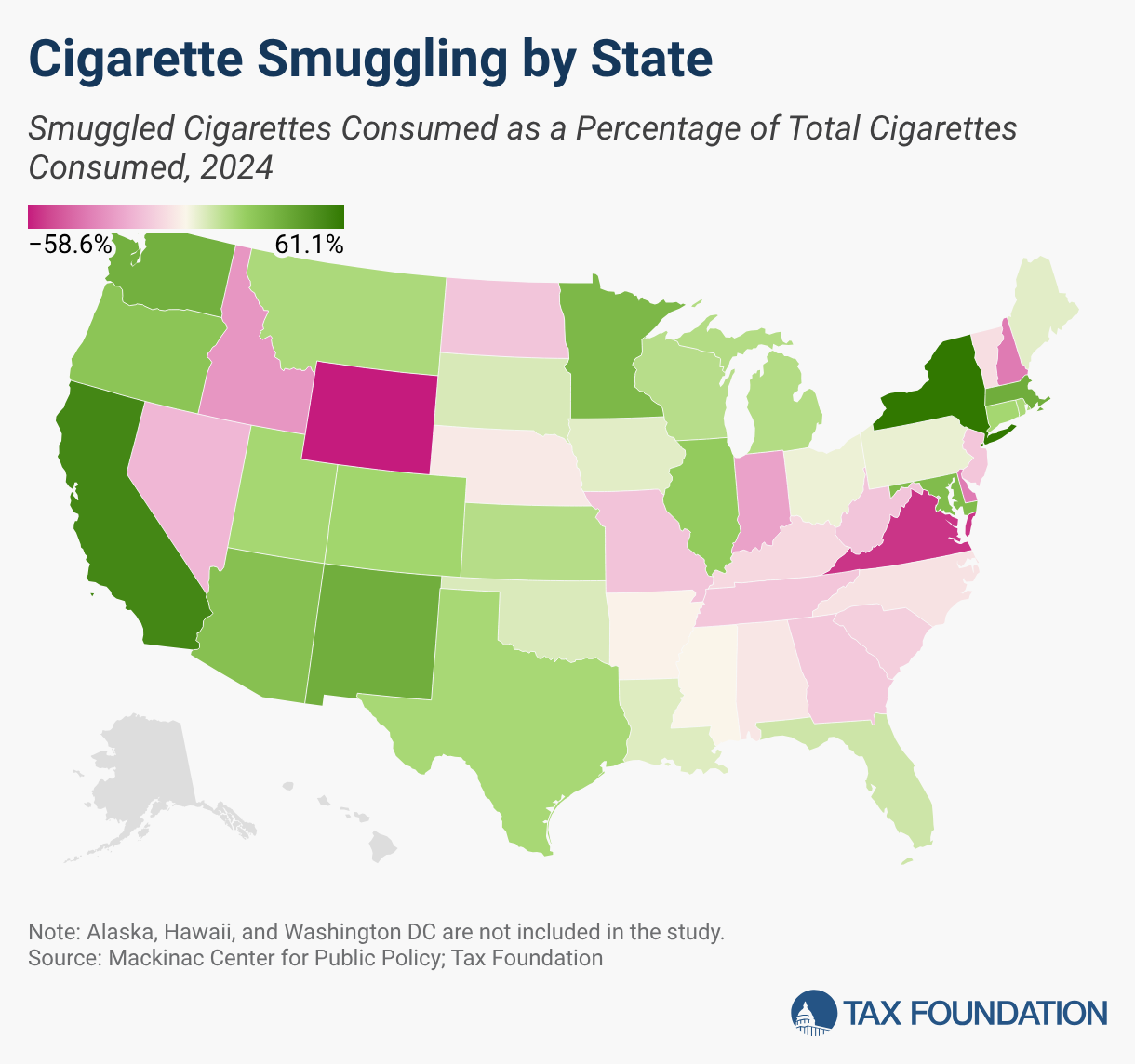
Each state’s tax code is a multifaceted system with many moving parts, and South Dakota is no exception. Use the tabs below to compare South Dakota taxes with other states and to see how South Dakota raises tax revenue. You can also browse our tax maps, which are compiled from our annual publication, Facts & Figures 2026: How Does Your State Compare?

See Related Articles

Tax Data by State

Get facts about taxes in your state and around the US

Explore Data

How Do Taxes in South Dakota Compare?

How Does South Dakota Collect Revenue?

How Does South Dakota's Tax System Rank?


All Related Articles

sales tax rates by city, cities with highest sales tax rate, city highest sales tax rate, cities with the highest sales tax

Sales Tax Rates in Major Cities, Midyear 2021

Neither Anchorage, Alaska, nor Portland, Oregon, impose any state or local sales taxes. Honolulu, Hawaii, has a low rate of 4.5 percent and several other major cities, including Milwaukee and Madison, Wisconsin, keep overall rates modest.

13 min read
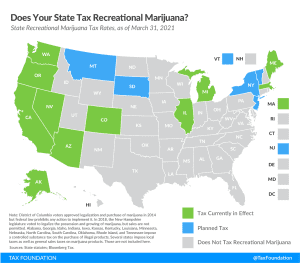
state sports betting tax legislation sports betting legislation state trends

States Continue to Bet on Sports

With many state legislative sessions wrapping up for this year, and a new fiscal year about to begin, it’s a good time to examine some of the 2021 legislative trends—and sports betting taxes are among the more prominent.

5 min read
2022 state tax resource center offers leading 2022 state tax resources and 2022 state tax policy resources

Location Matters 2021: The State Tax Costs of Doing Business

A landmark comparison of corporate tax costs in all 50 states, Location Matters provides a comprehensive calculation of real-world tax burdens, going beyond headline rates to demonstrate how tax codes impact businesses and offering policymakers a road map to improvement.

8 min read
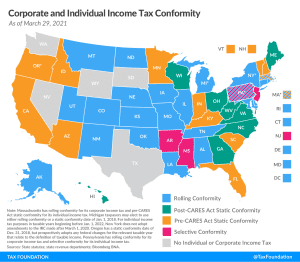
State conformity to federal pandemic relief, state tax conformity to federal COVID-19 relief legislation (CARES Act, American Rescue Plan), including Paycheck Protection Program (PPP) loans and unemployment compensation tax exclusion.

State Conformity to Federal Pandemic-Related Tax Provisions in CARES and ARPA

With so many federal changes occurring in such a short amount of time—including some federal provisions changing more than once and a major change to the treatment of UC income occurring in the middle of tax filing season—state legislators have faced the challenge of responding to these changes quickly in order to provide certainty to taxpayers.

24 min read
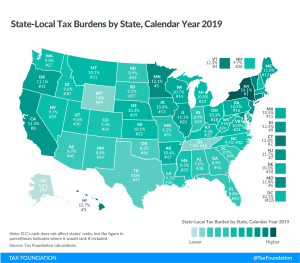
State tax burden map, state and local tax burden, state-local tax burden rankings, 2021 state tax burden rankings, state tax burdens map

State and Local Tax Burdens, Calendar Year 2019

New Yorkers faced the highest burden, with 14.1 percent of income in the state going to state and local taxes. Connecticut (12.8 percent) and Hawaii (12.7 percent) followed.

19 min read