Skip to content

Taxes In Michigan

2026 Michigan Tax Rates, Collections, and Burdens

How Do Michigan Taxes Compare to Other States?

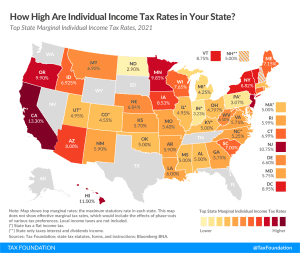
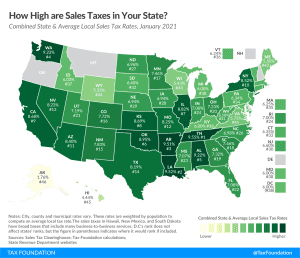
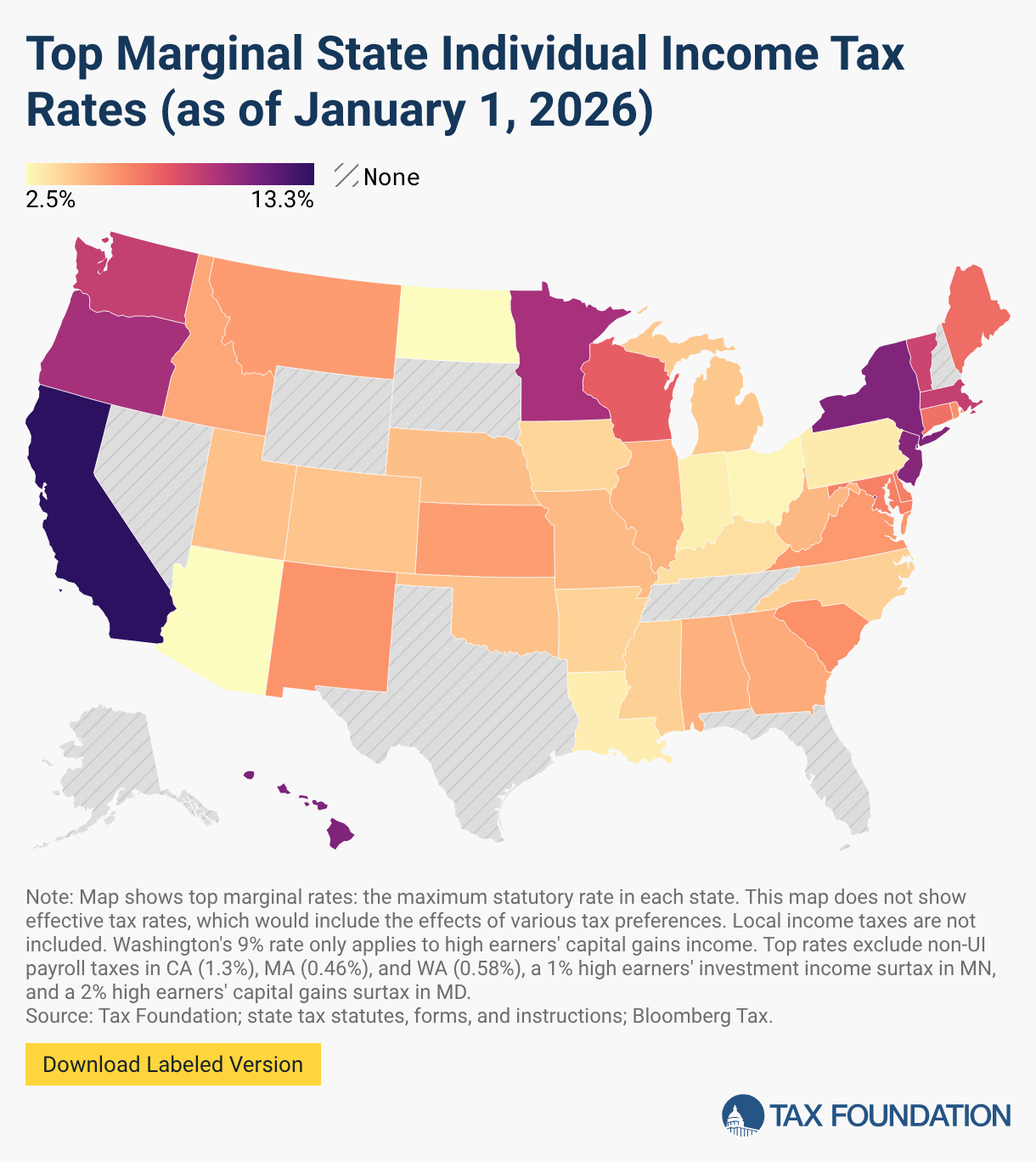
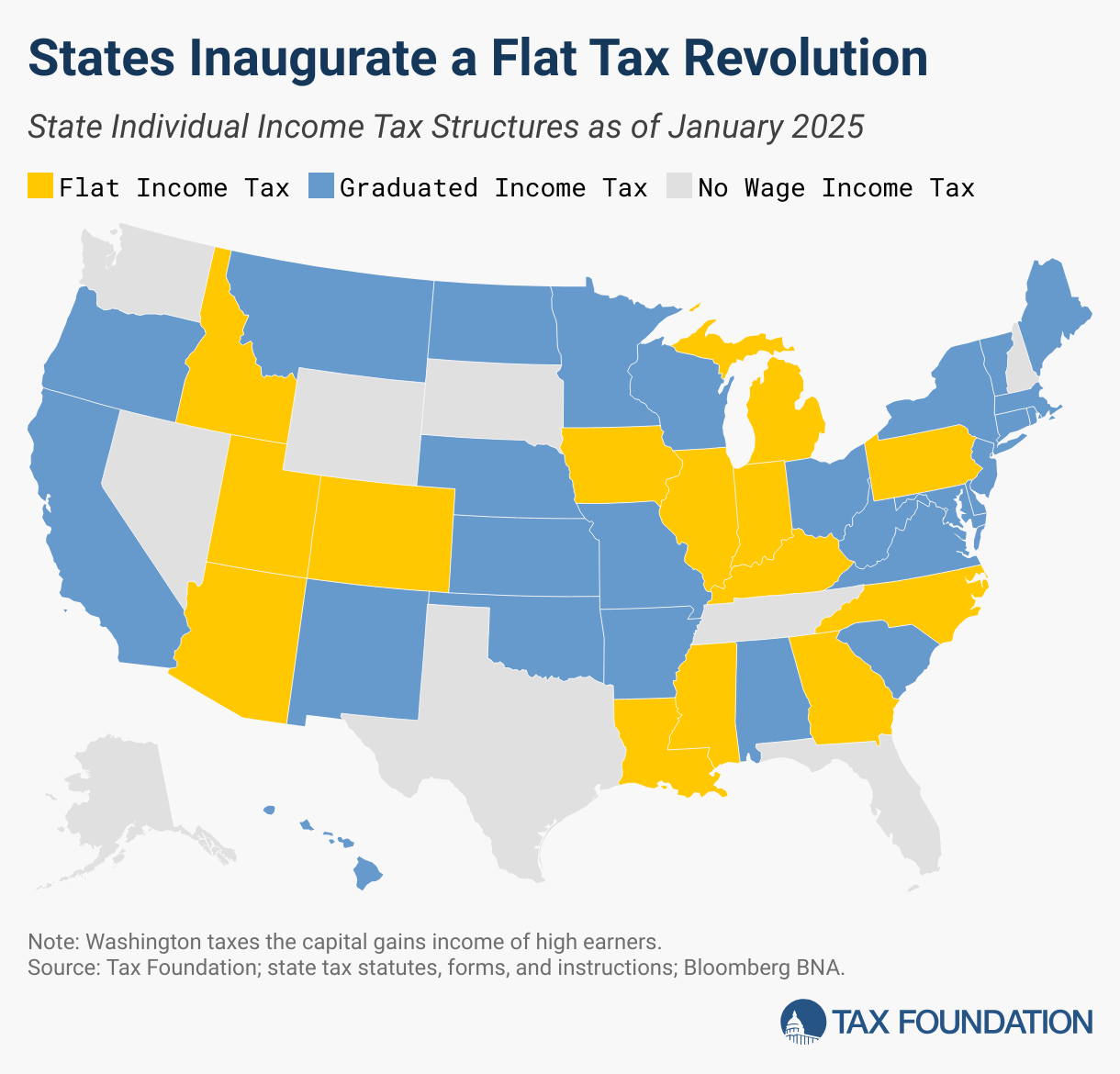
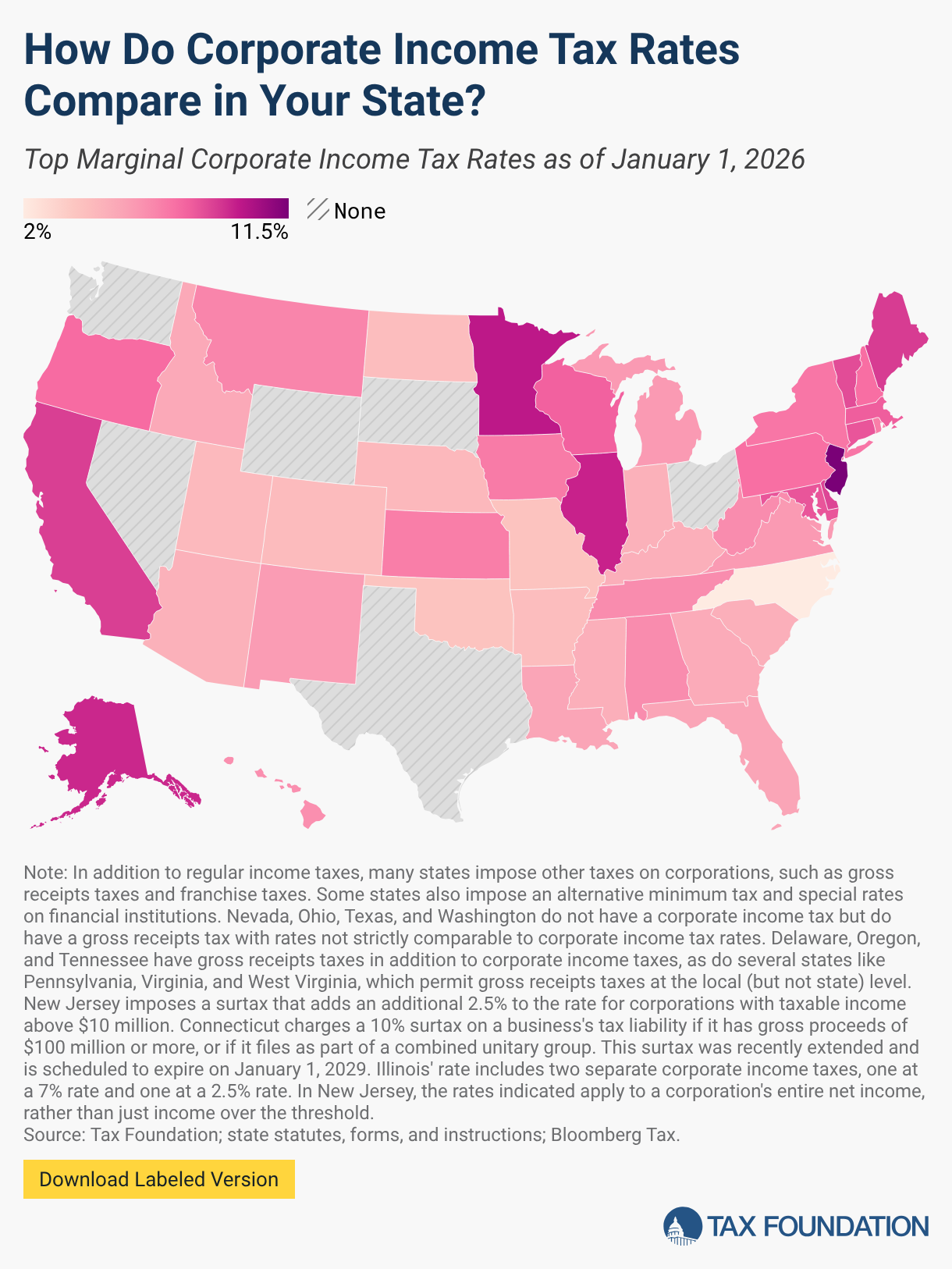
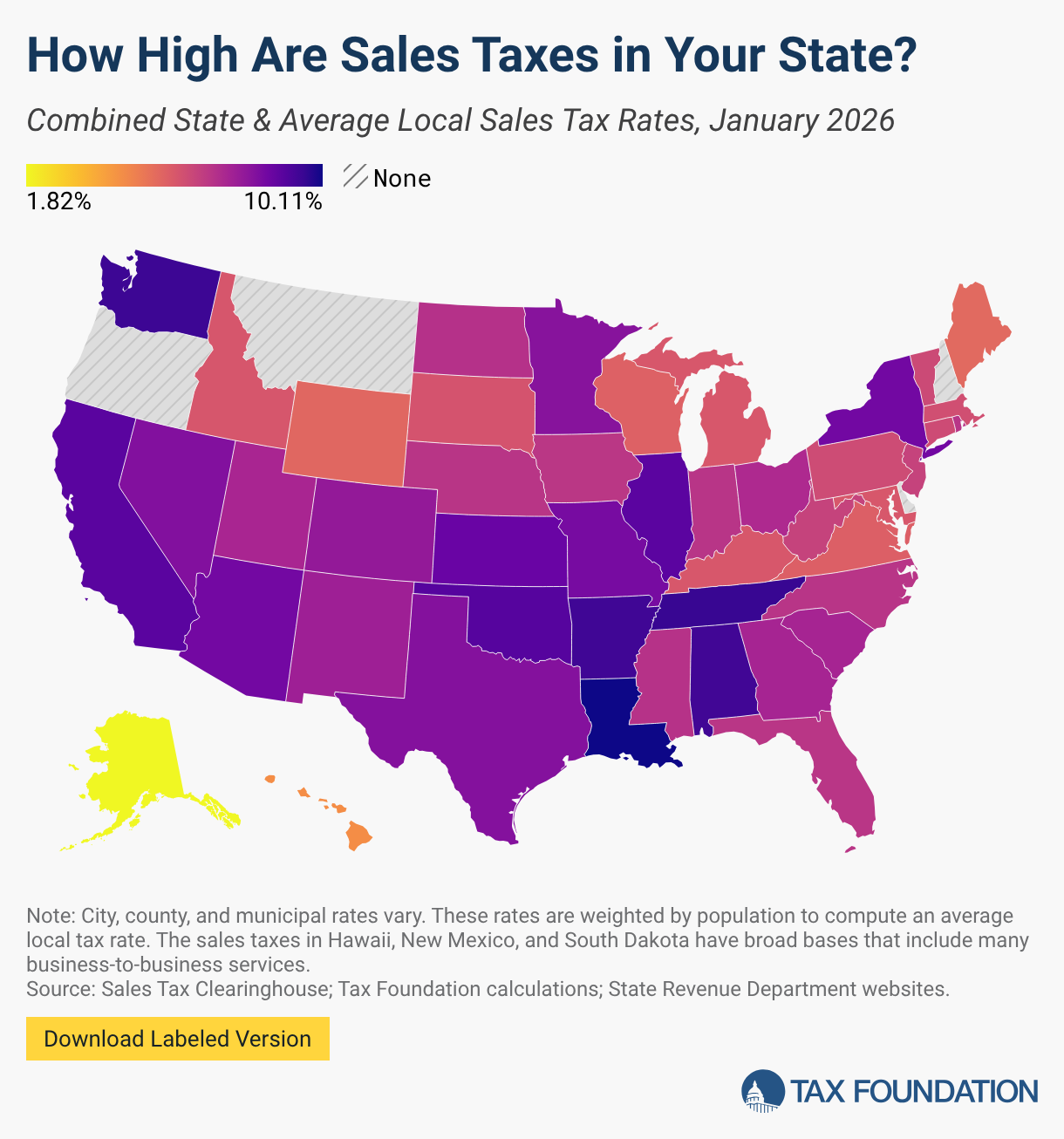
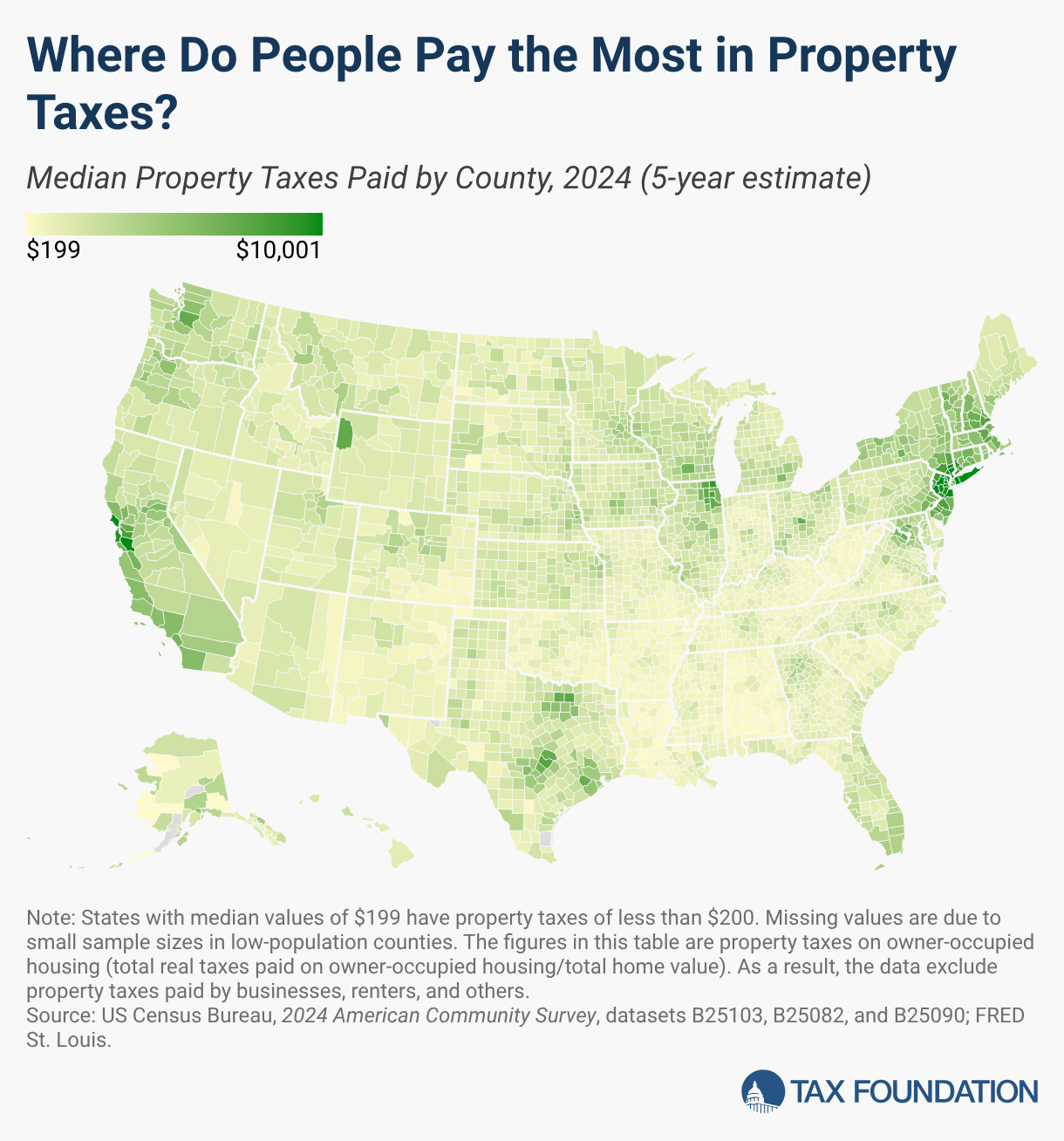
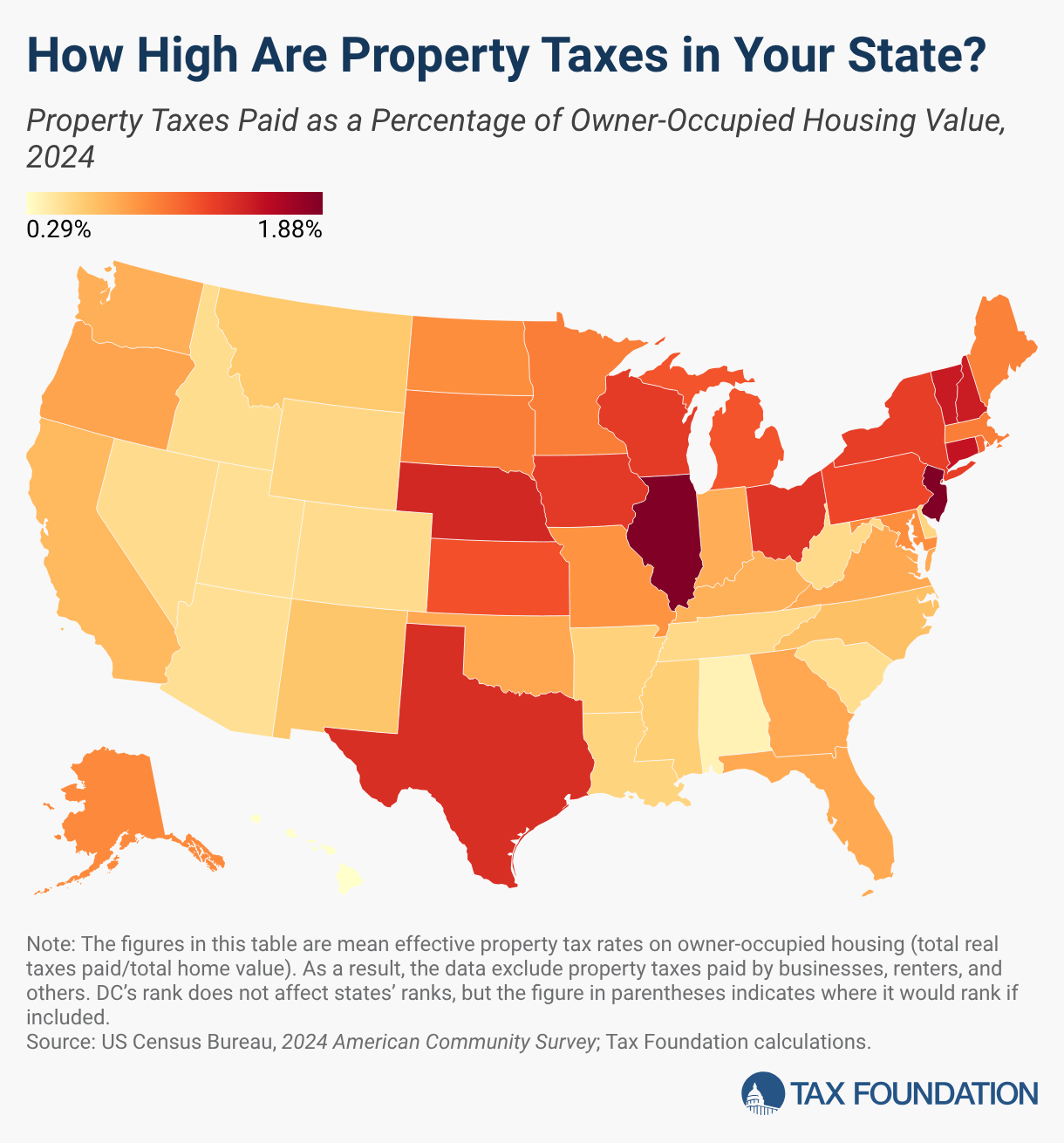
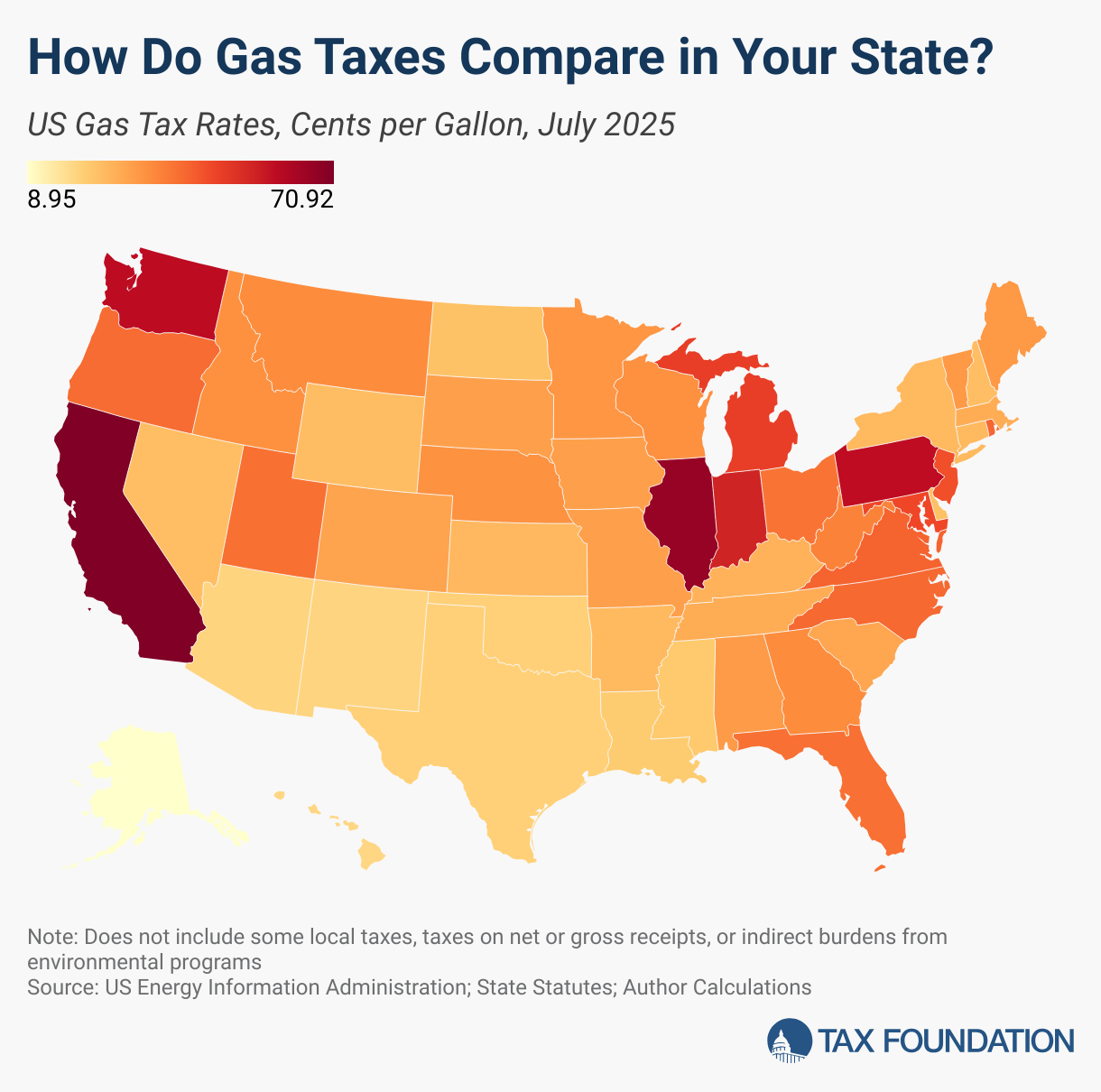
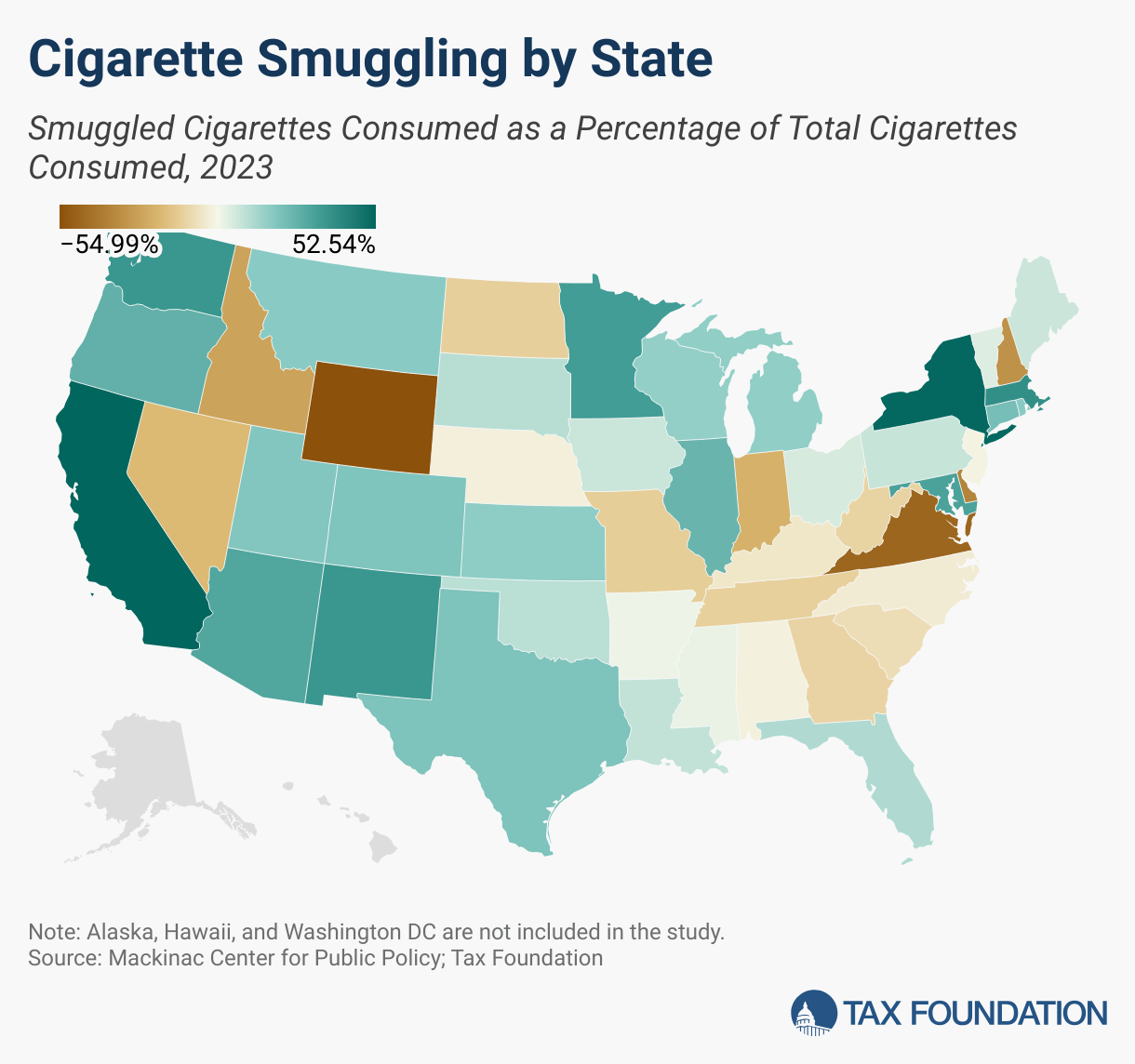
Michigan has a flat 4.25 percent individual income tax rate. There are also jurisdictions that collect local income taxes. Michigan has a flat 6.00 percent corporate income tax rate, a 6.00 percent state sales tax rate, and an average combined state and local sales tax rate of 6.00 percent. Michigan has a 1.19 percent effective property tax rate on owner-occupied housing value. Michigan does not have an estate tax or inheritance tax. Michigan’s gas tax is 53.4 cents per gallon, and its cigarette excise tax is $2.00 per pack of 20 cigarettes.

Michigan Tax Rankings, Debt, and Tax Revenue

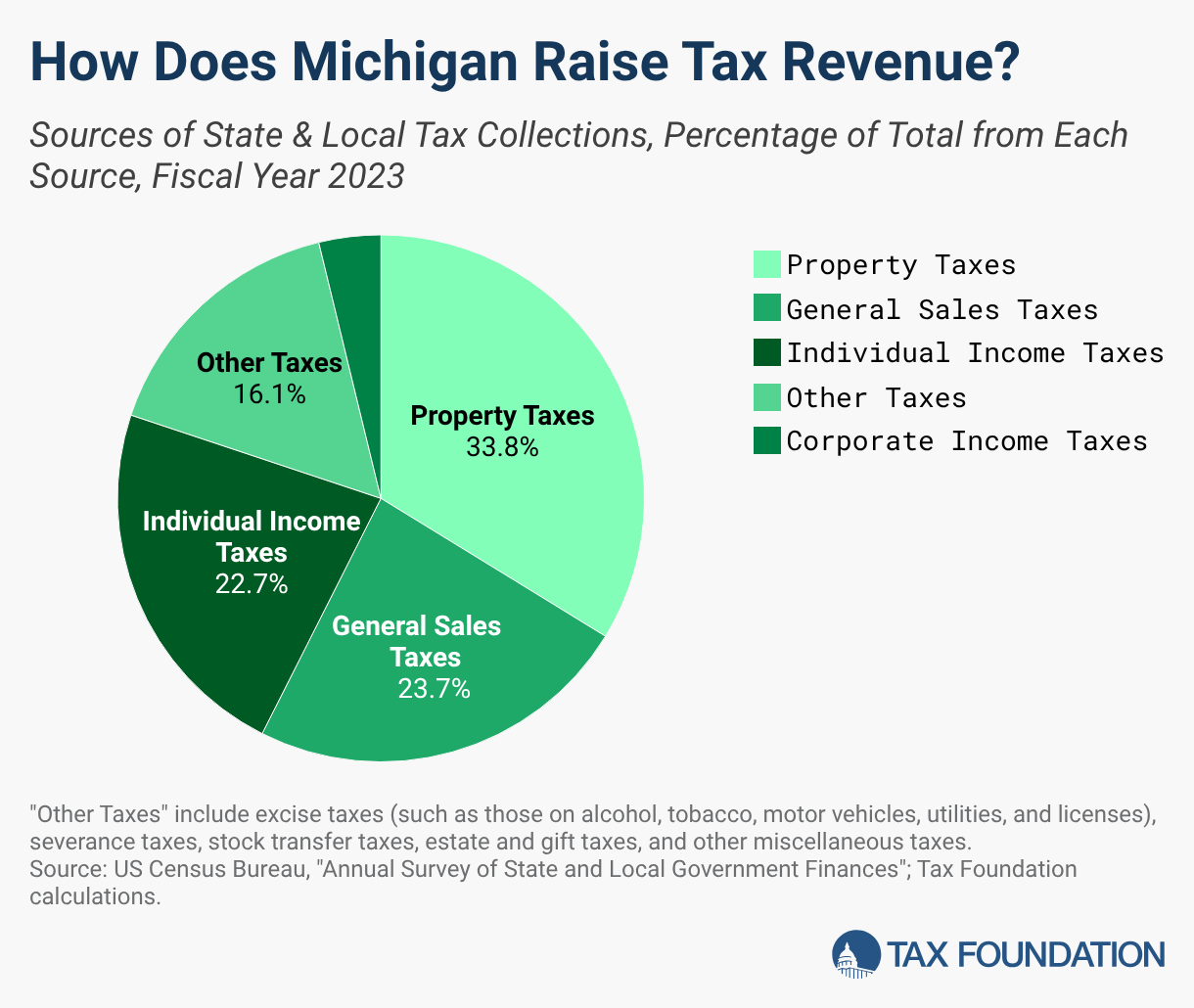
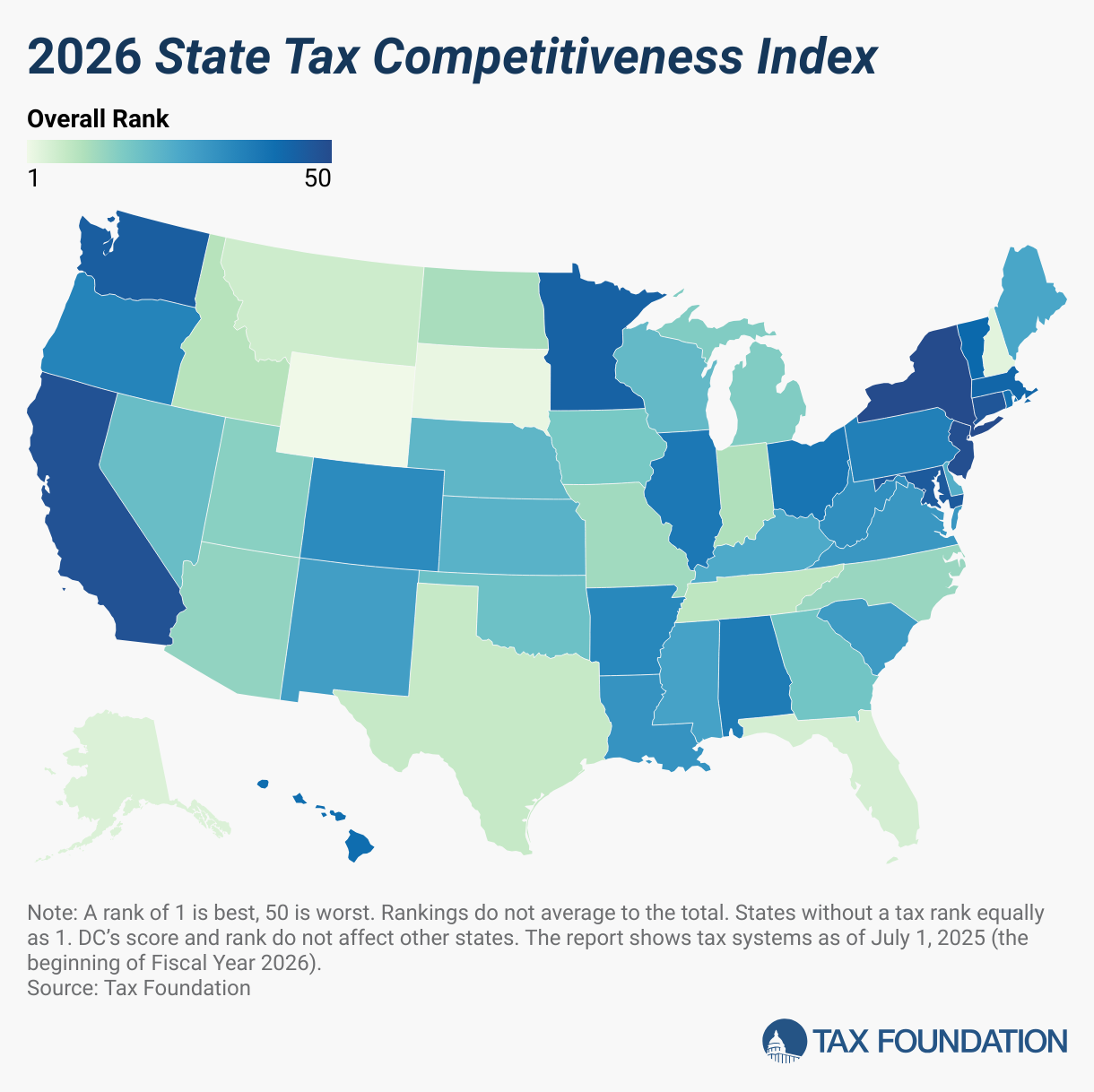
Michigan raises tax revenue primarily through property taxes (33.8 percent of total state and local tax revenue), general sales taxes (23.7 percent), and individual income taxes (22.7 percent). Michigan collects $5,413 in state and local tax collections per capita, carries $7,460 in state and local debt per capita, and has an 82 percent funded ratio of public pension plans. Michigan’s tax system ranks 16th overall on the 2026 State Tax Competitiveness Index.

Understanding Michigan’s Tax System

Each state’s tax code is a multifaceted system with many moving parts, and Michigan is no exception. Use the tabs below to compare Michigan taxes with other states and to see how Michigan raises tax revenue. You can also browse our tax maps, which are compiled from our annual publication, Facts & Figures 2026: How Does Your State Compare?

Taxes make more sense with us in your inbox.

Subscribe to our newsletter for tax insights that cut through the noise—and make sense of it.

Sign Up

See Related Articles

Tax Data by State

Get facts about taxes in your state and around the US

Explore Data

How Do Taxes in Michigan Compare?

How Does Michigan Collect Revenue?

How Does Michigan's Tax System Rank?


All Related Articles

Top Rates in Each State Under Joe Biden’s Tax Plan

President Joe Biden’s tax plan would yield combined top marginal state and local rates in excess of 60 percent in three states: California, Hawaii, and New Jersey (also New York City).

4 min read
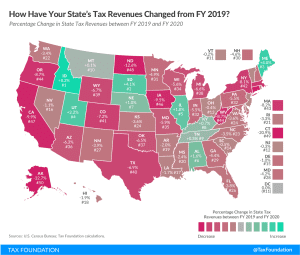
How have your state's tax revenues changed in FY 2020 compared to FY 2019? State revenue collections beat state revenue expectations in FY 2020 despite coronavirus pandemic and economic downturn

New Census Data Shows States Beat Revenue Expectations in FY 2020

State tax revenue collections were down 5.5 percent in FY 2020, driven by a dismal final quarter (April through June) as states began to feel the impact of the COVID-19 pandemic. While these early losses are certainly not desirable, they are manageable and far better than many feared.

16 min read
Michigan income tax reform Michigan tax reform 2022 Michigan corporate income tax proposal Michigan corporate tax cut Michigan corporate income tax cut Michigan business tax cut

Michigan Vapor Tax Bill Gets It Half-Right

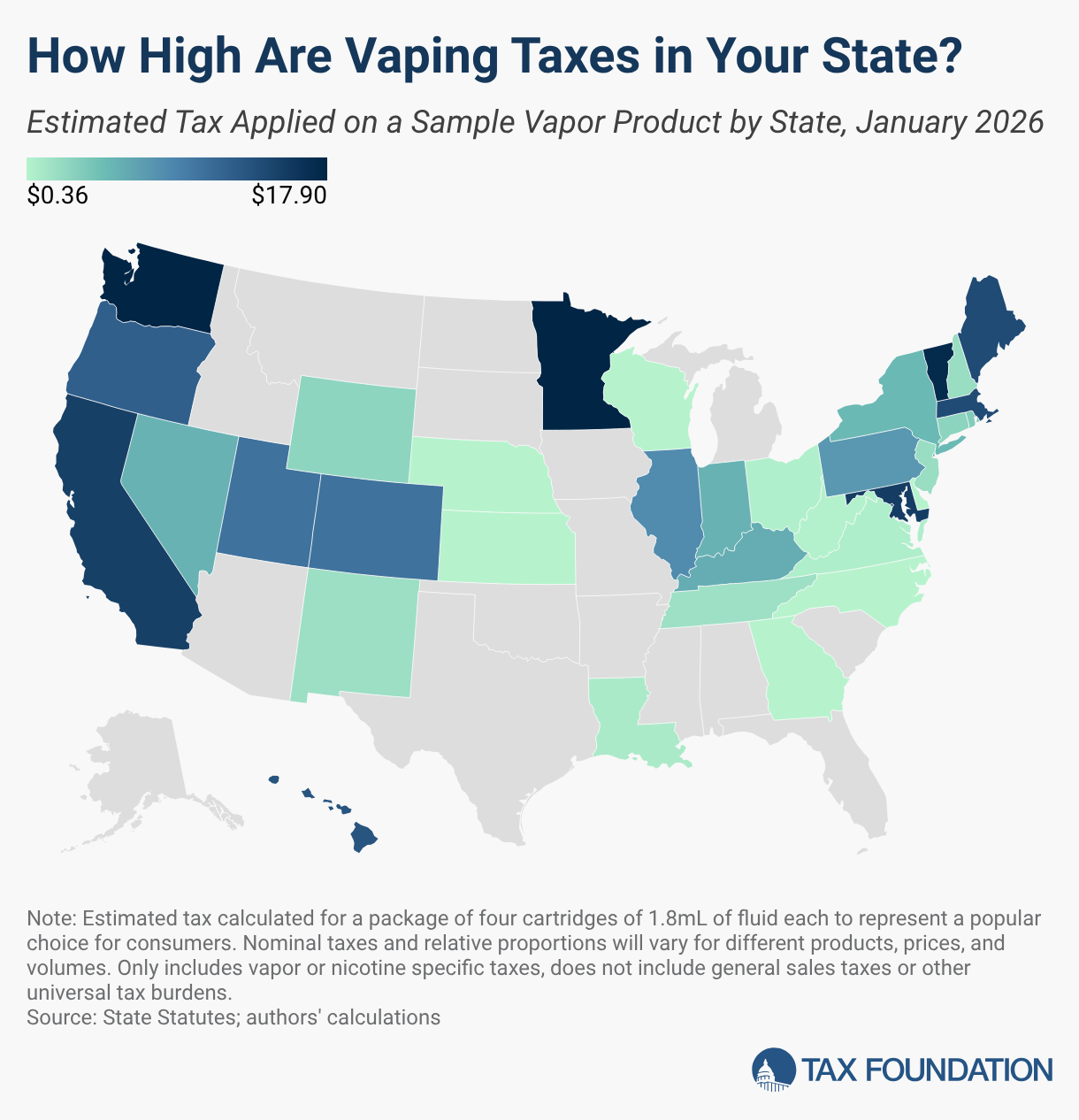
In line with the nationwide trend of taxing vapor products, the Michigan Senate has passed a new 18 percent tax on vapor products. These taxes are often intended to achieve a two-fold goal: deterring youth use and raising revenue. The Michigan bill is no exception.

4 min read

A Visual Guide to Unemployment Benefit Claims

Another 1.4 million Americans filed initial regular unemployment benefit claims, the eleventh week of a decline in the rate of new claims, but still among the highest levels in U.S. history. The total number of new and continued claims now stands at 19.3 million, a marked decline from the peak of 24.9 million a month ago.

7 min read
Massachusetts gross receipts tax

March 27th Afternoon State Tax Update

Massachusetts, Ohio, and West Virginia have newly extended their income tax filing and payment deadlines to match the July 15 federal deadline.

3 min read
How high are vapor taxes in your state? State nicotine tax rates, state taxes on nicotine products

Excise Taxes on Vapor Products Are Trending

While lawmakers are working through the design of vapor tax proposals, they must thread the needle between protecting adult smokers’ ability to switch and barring minors’ access to nicotine products. A good first step is creating appropriate definitions for the new nicotine products to avoid unintended disproportionate taxation based on design differences or bundling.

7 min read