Skip to content

Taxes In Maryland

2026 Maryland Tax Rates, Collections, and Burdens

How Do Maryland Taxes Compare to Other States?

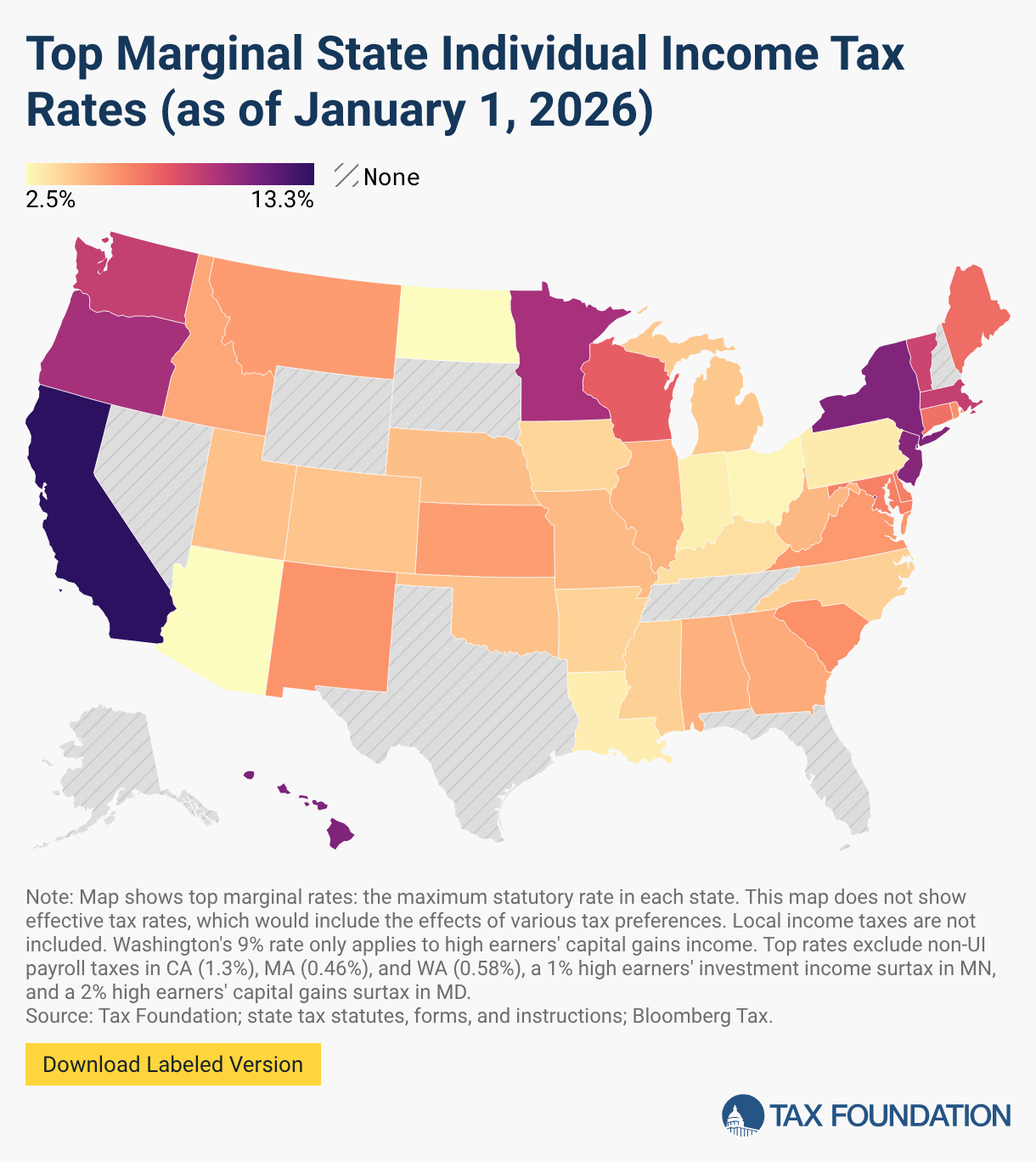
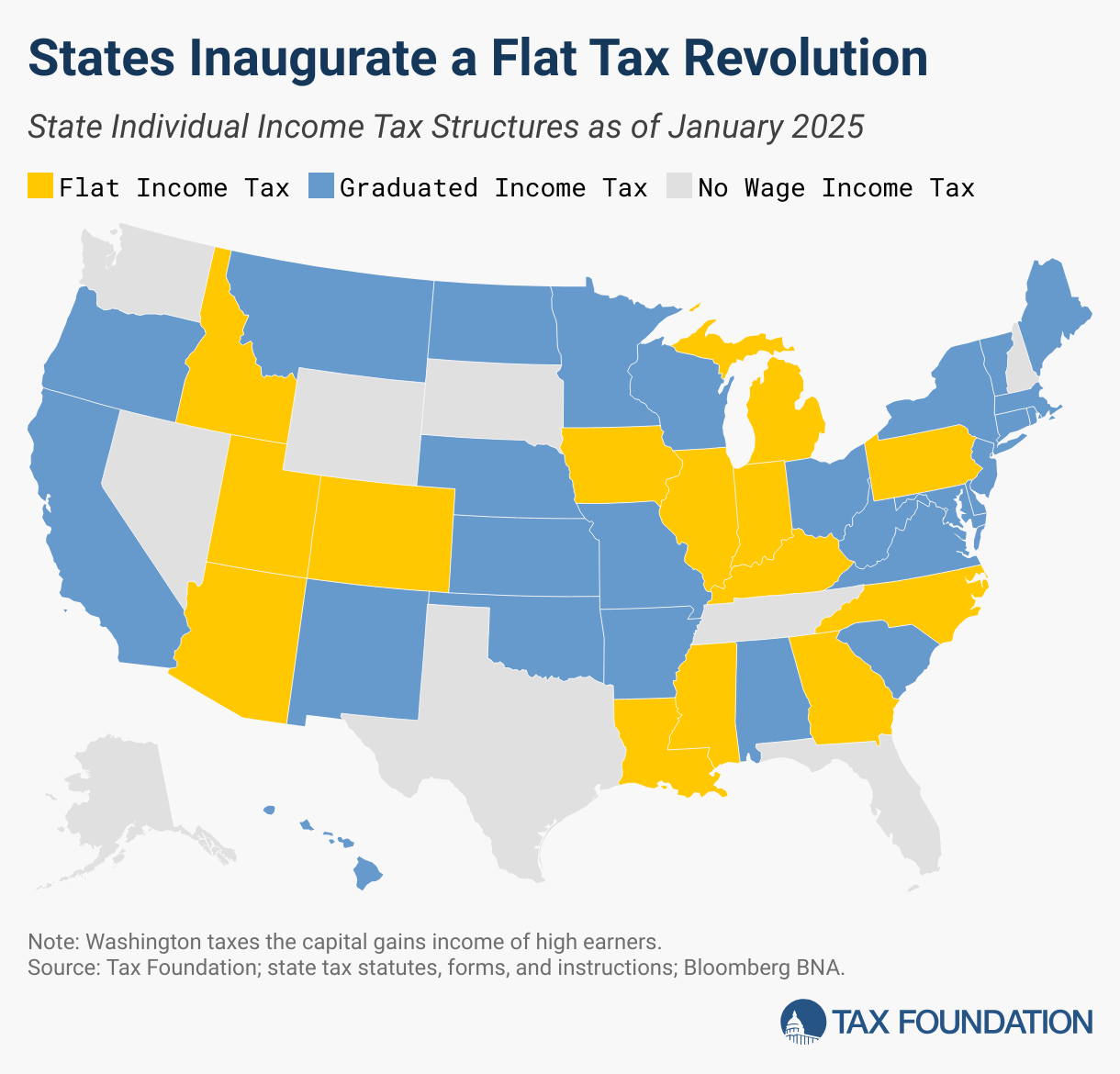
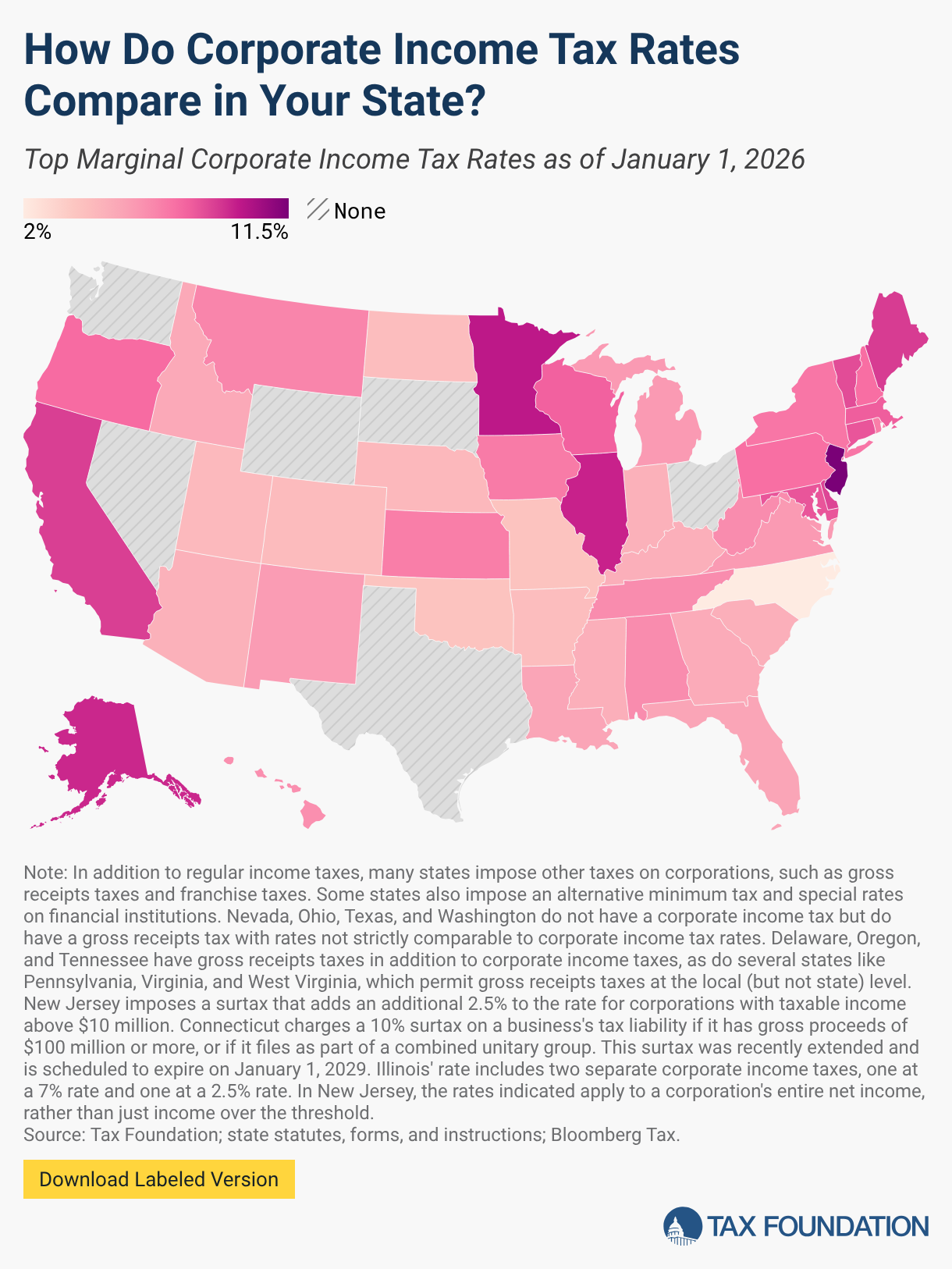
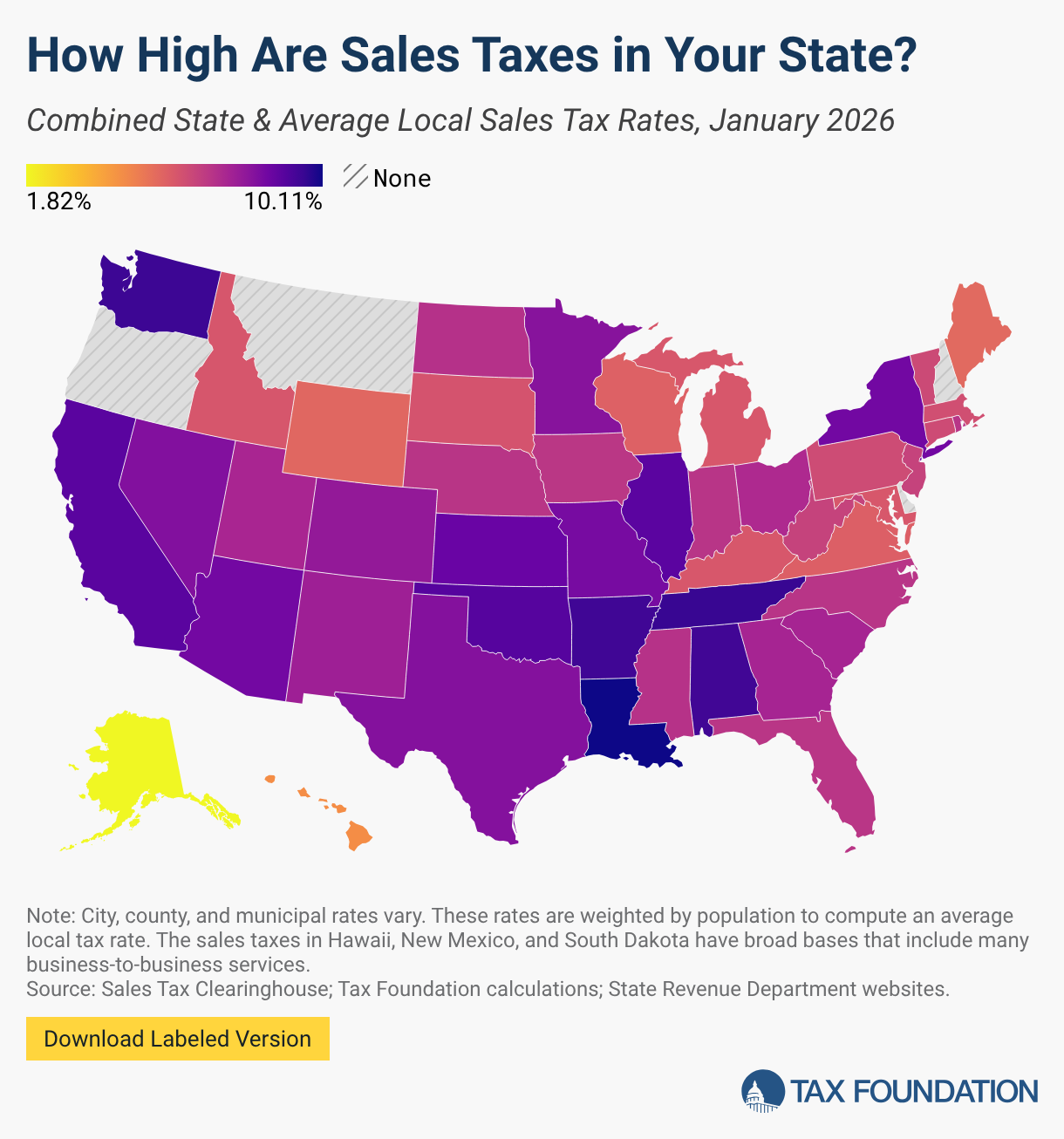
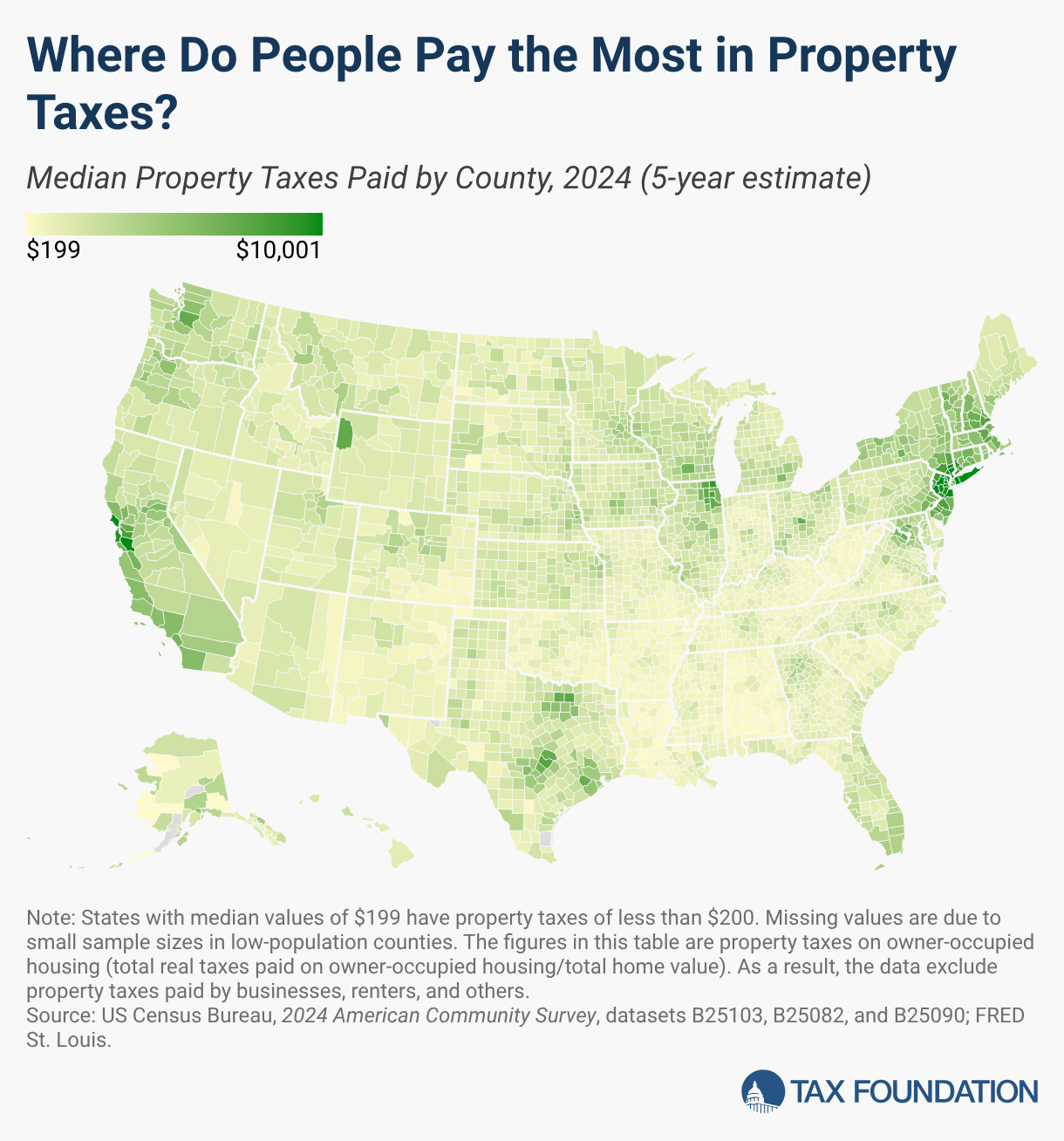
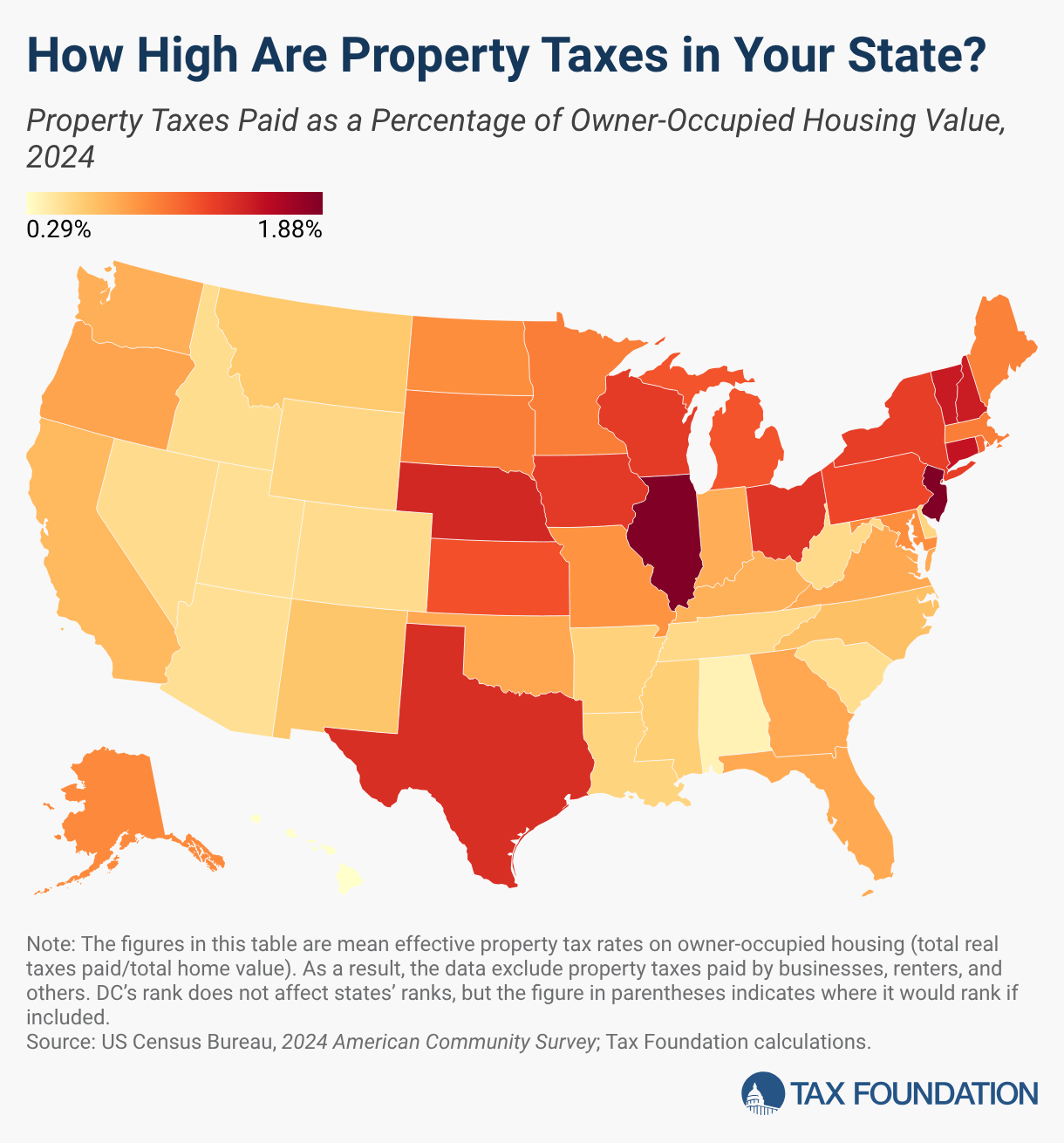
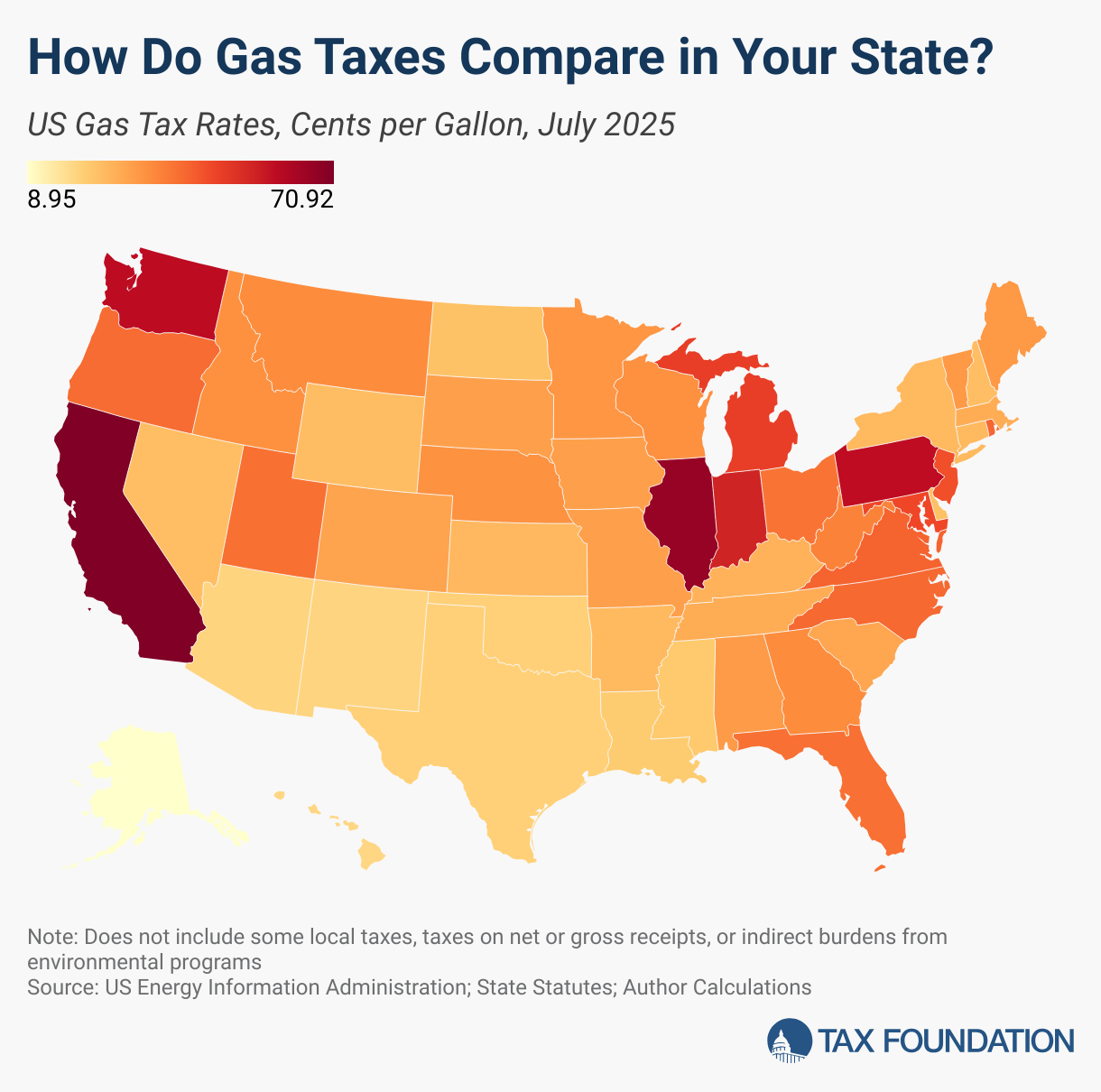
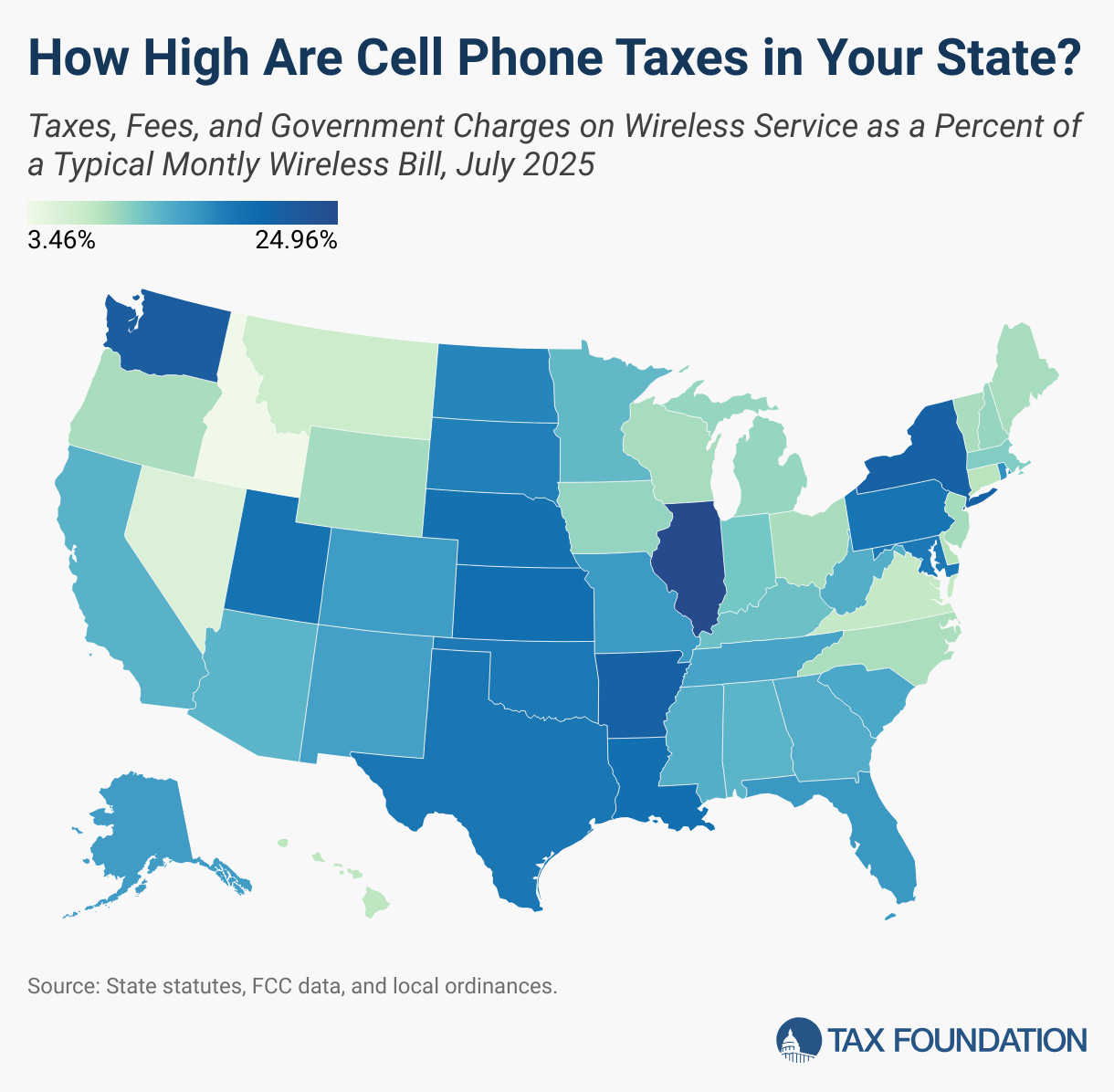
Maryland has a graduated state individual income tax, with rates ranging from 2.00 percent to 6.50 percent, plus local income taxes that can add up to 3.3 percent. Maryland has a flat 8.25 percent corporate income tax rate, a 6.00 percent state sales tax rate, and an average combined state and local sales tax rate of 6.00 percent. Maryland has a 0.92 percent effective property tax rate on owner-occupied housing value. Maryland has both an estate tax and an inheritance tax. Maryland’s gas tax is 46.21 cents per gallon, and its cigarette excise tax is $5.00 per pack of 20 cigarettes.

Maryland Tax Rankings, Debt, and Tax Revenue

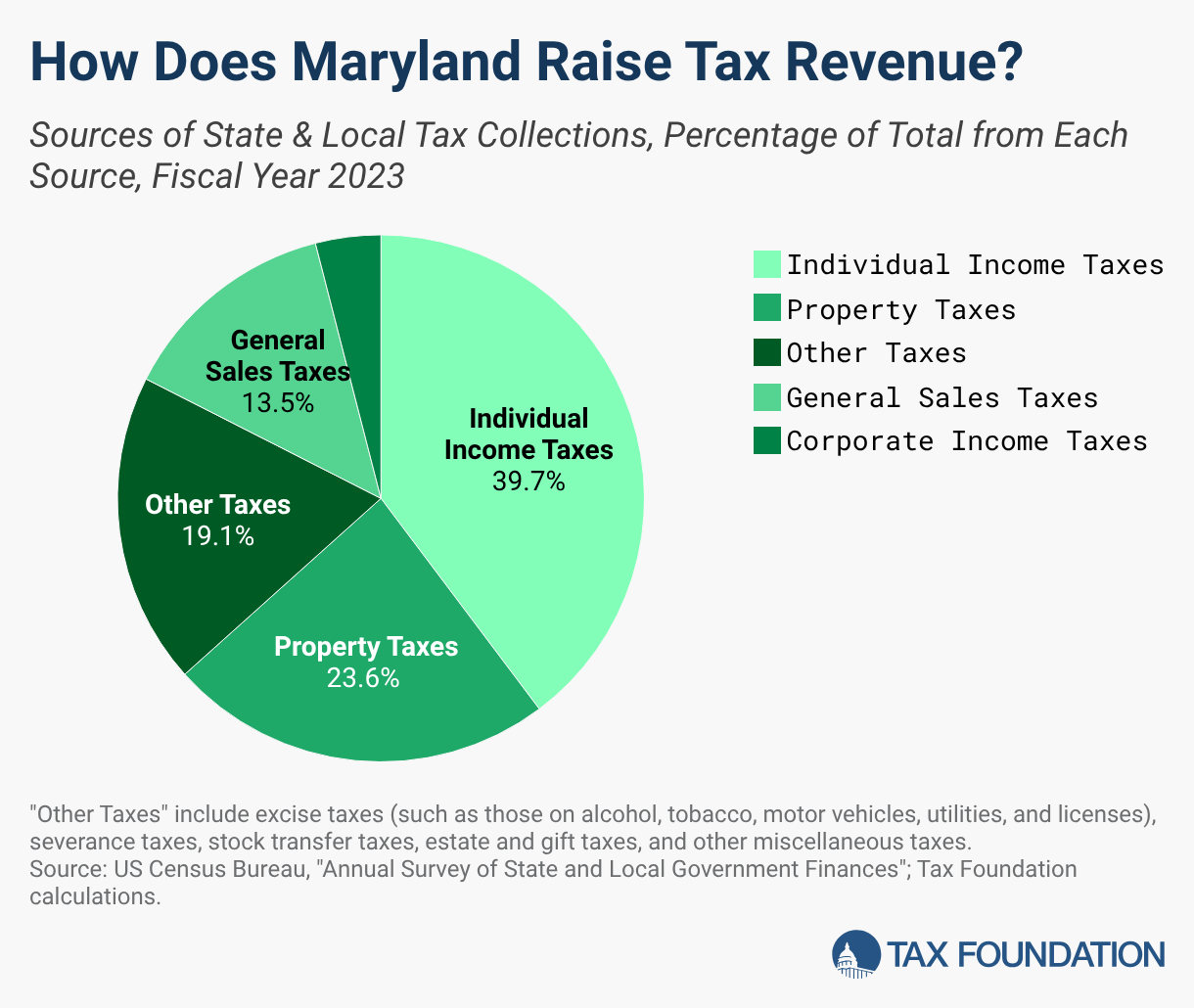
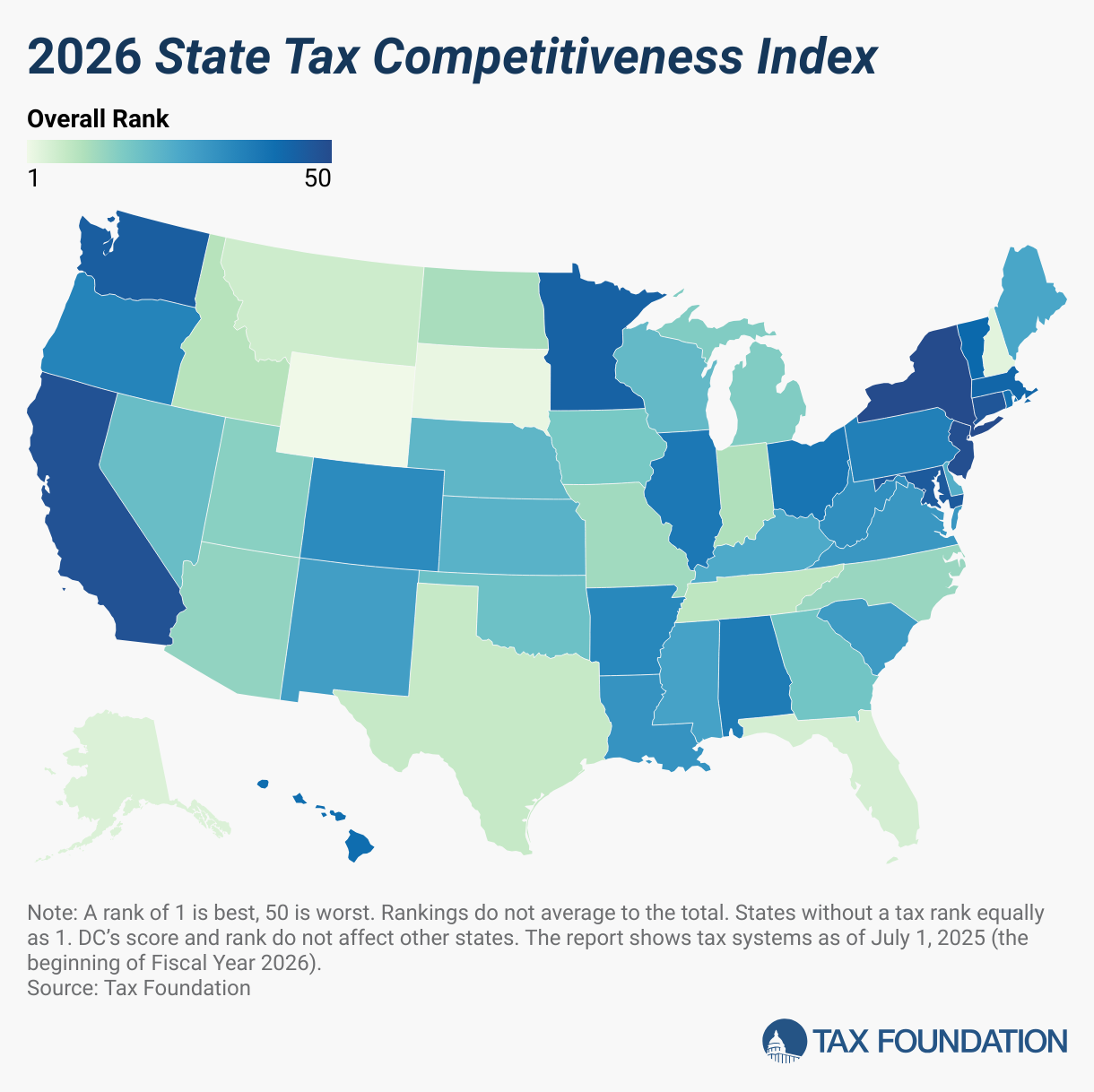
Maryland raises tax revenue primarily through individual income taxes (39.7 percent of total state and local tax revenue), property taxes (23.6 percent), and other taxes (19.1 percent). Maryland collects $8,139 in state and local tax collections per capita, carries $9,884 in state and local debt per capita, and has a 75 percent funded ratio of public pension plans. Maryland’s tax system ranks 46th overall on the 2026 State Tax Competitiveness Index.

Understanding Maryland’s Tax System

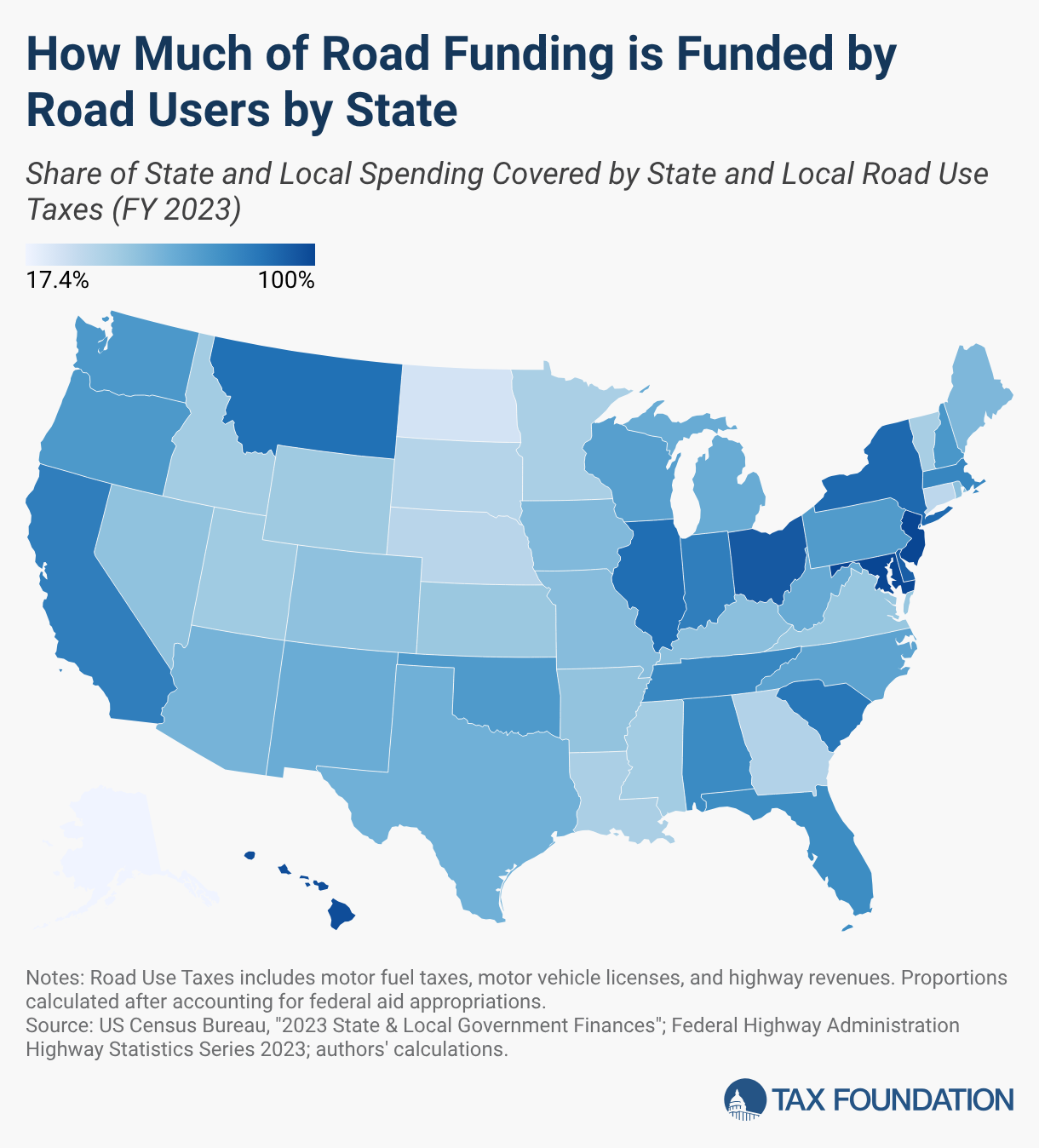
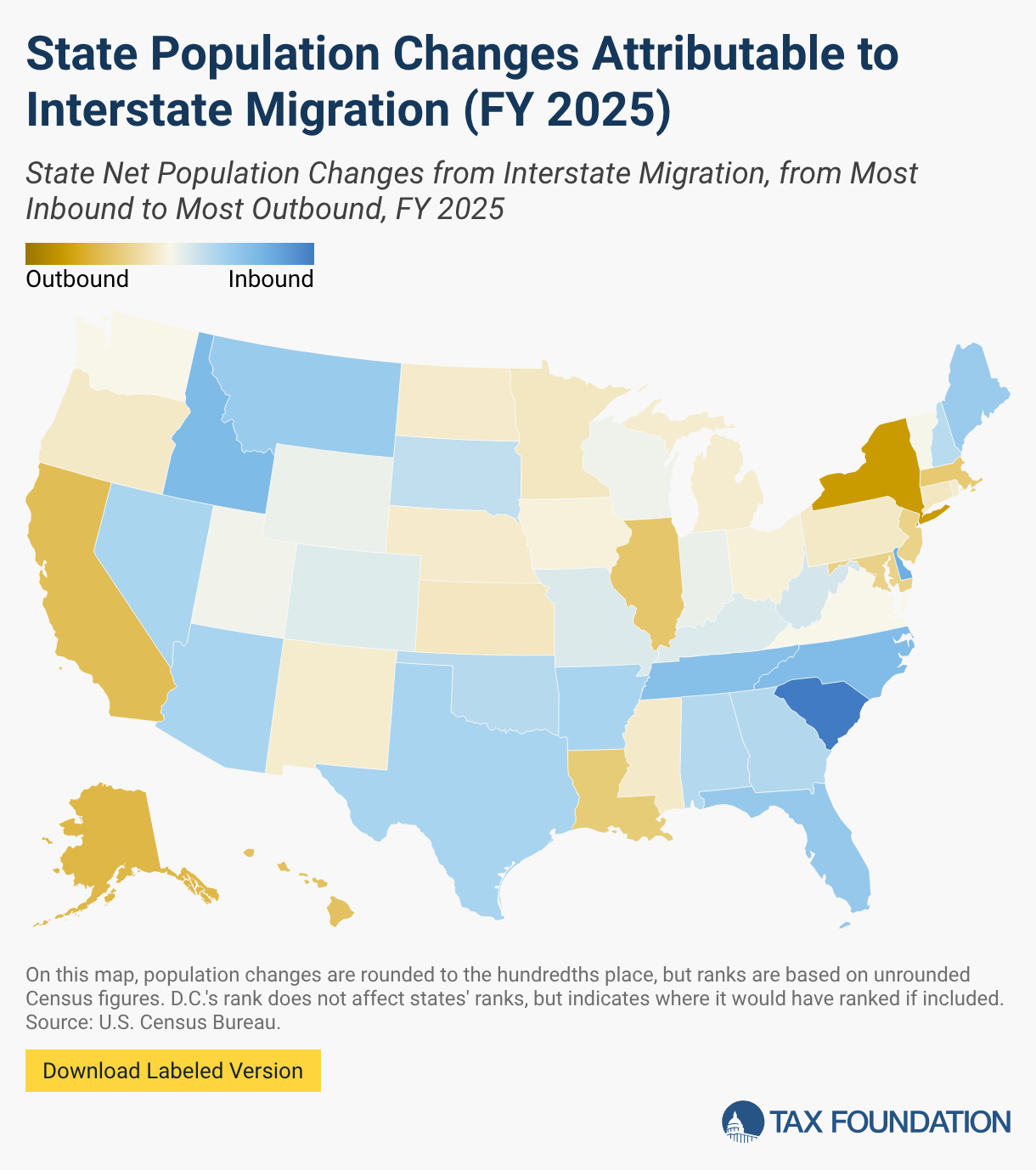
Each state’s tax code is a multifaceted system with many moving parts, and Maryland is no exception. Use the tabs below to compare Maryland taxes with other states and to see how Maryland raises tax revenue. You can also browse our tax maps, which are compiled from our annual publication, Facts & Figures 2026: How Does Your State Compare?

See Related Articles

Tax Data by State

Get facts about taxes in your state and around the US

Explore Data

How Do Taxes in Maryland Compare?

How Does Maryland Collect Revenue?

How Does Maryland's Tax System Rank?


All Related Articles

Maryland digital advertising tax litigation internet tax, Maryland digital ad tax, Maryland tax increases and Maryland tax proposals 2021

Maryland Legislature Seeks Revenue with Risky Proposals

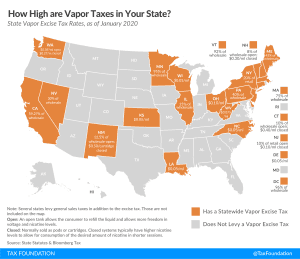
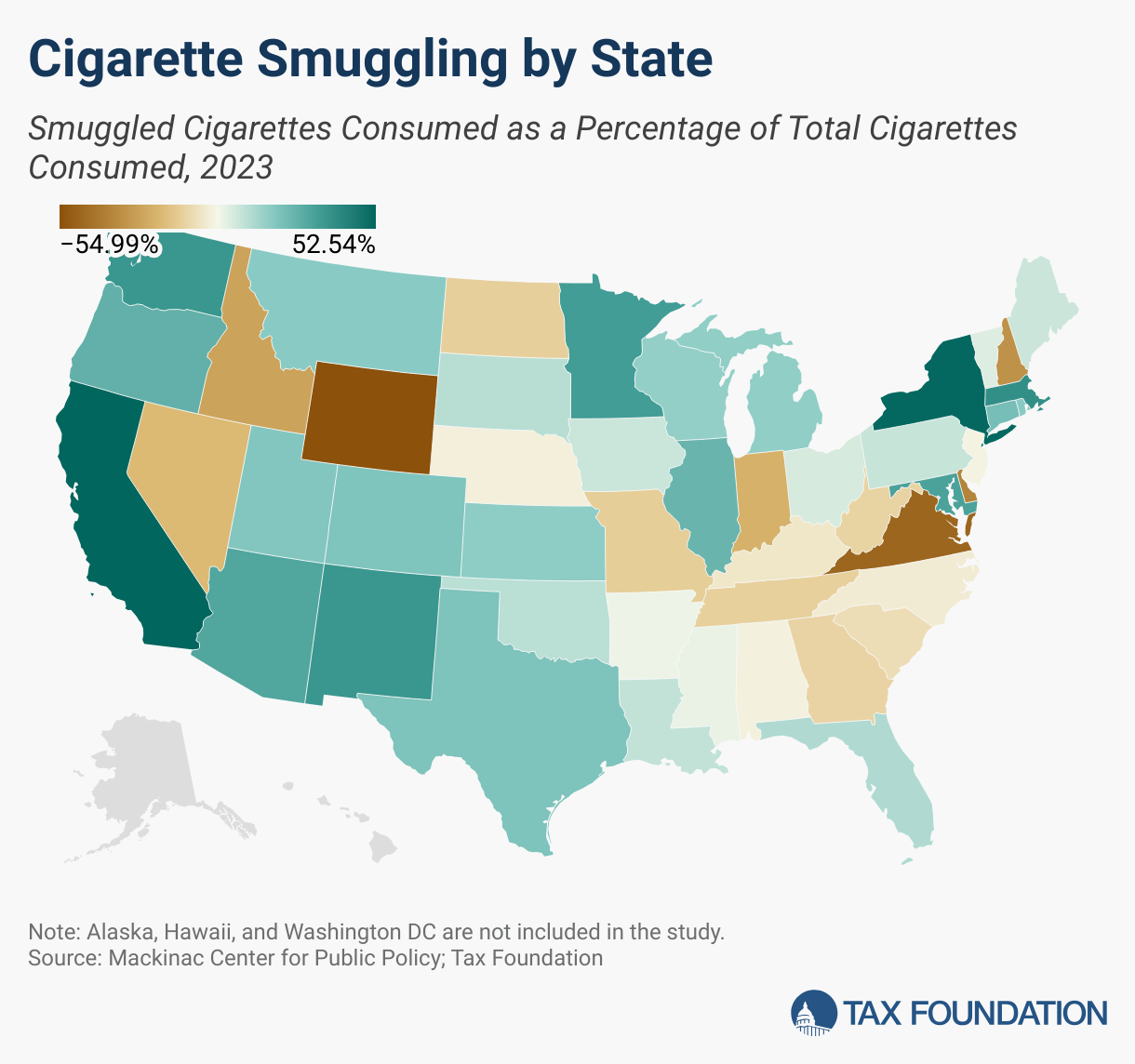
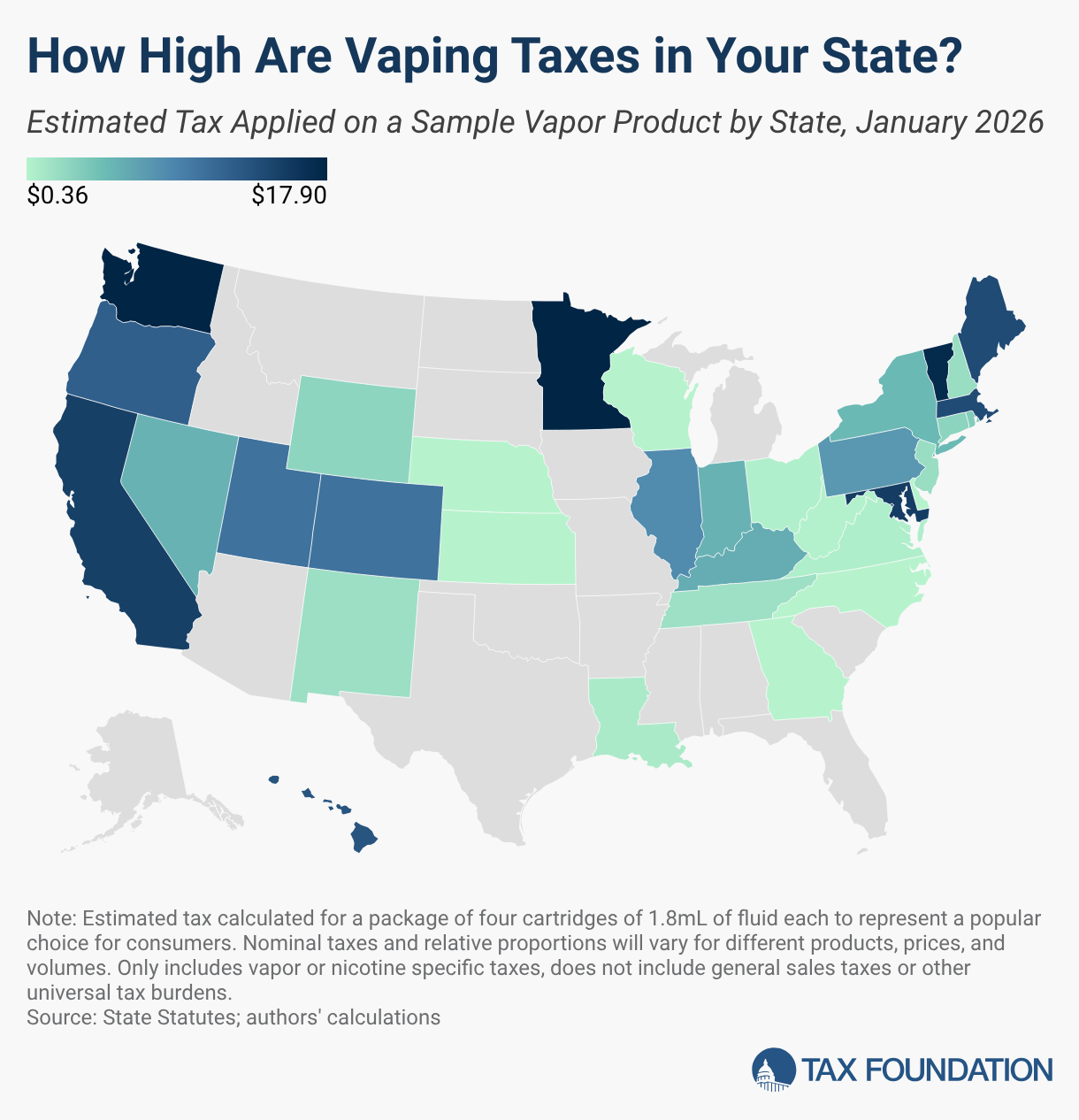
One notable consequence of high state tobacco excise tax rates is increased smuggling as people procure discounted products from low-tax states and sell them in high-tax states. Smugglers wouldn’t have to look far to find cheaper smokes. All of Maryland’s neighboring states have rates lower than $4 per pack, including Virginia ($1.20) and West Virginia ($0.30). Such an increase would impact the many small business owners operating vape shops around the state and convenience stores relying heavily on vapers as well as tobacco sales.

7 min read
e-cigarette tax, taxing nicotine products, nicotine tax, vaping, vapor

Banning Flavored Tobacco Could Have Unintended Consequences

The prospect of a ban on flavored tobacco and nicotine products highlights the complications of contradictory tax and regulatory policy, the instability of excise taxes that go beyond pricing in the cost of externalities, and the public risks of driving consumers into the black market through excessive taxation or regulation.

6 min read
trends in state tax policy, 2019 state tax trends

Tax Trends at the Dawn of 2020

From remote sales tax collection to taxes on marijuana and vaping products, we recap the top state tax trends from 2019 and break down which ones you should watch for in 2020.

38 min read
2019 sales tax holiday, tax-free weeks, tax-free weekends, back-to-school tax-free weeks, back-to-school tax-free weekends

Sales Tax Holidays by State, 2019

If a state must offer a “holiday” from its tax system, it is an implicit recognition that the state’s tax system is uncompetitive.

44 min read