
All Related Articles

Testimony: Temporary Policy in the Federal Tax Code
Tax policy can increase the size of the economy by having a positive impact on the incentives to work and invest. However, when tax policy is temporary or retroactive, these positive effects are muted, and policies do not effectively incentivize the intended activity.

Analysis of the Cost-of-Living Refund Act of 2019
We estimate that a new proposal to expand the EITC would reduce federal revenue by $1.8 trillion and decrease long-run GDP by 0.29 percent, while boosting labor force participation for low-income tax filers by 822,788 full-time equivalent jobs.
10 min read
The Case for Universal Savings Accounts
21 min read
Evaluating Education Tax Provisions
Research shows that the current menu of education-related tax benefits is not effectively promoting affordability or the decision to attend college. Lawmakers wishing to provide education assistance should reconsider whether the tax code is the best tool to achieve that goal.
21 min read
Wisconsin Tax Options: A Guide to Fair, Simple, Pro-Growth Reform
Despite tax cuts in recent years, Wisconsin’s overall tax structure lags behind competitor states in simplicity, tax rates, and business climate for residents and investment. Explore our new comprehensive guide to see how the Badger State can achieve meaningful tax reform.
11 min read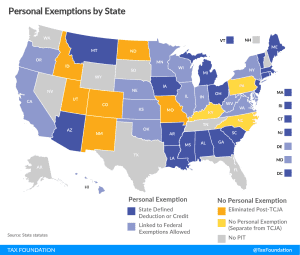

Amortizing Research and Development Expenses Under the Tax Cuts and Jobs Act
Expensing, or the immediate write-off of R&D costs, is a valuable component of the current tax system. The TCJA’s change to amortization in 2022, requiring firms to write off their business costs over time rather than immediately, would raise the cost of investment, discourage R&D, and reduce economic output.
12 min read
The Real Lesson of 70 Percent Tax Rates on Entrepreneurial Income
The fall and then rise of entrepreneurial income claimed on the wealthy’s 1040 tax returns clearly tracks the seeming decline of inequality from 1950 to 1980, followed by the sudden rise in inequality since 1986. The shifting composition of income claimed by the rich due to changes in tax laws explains this illusion.
12 min readToward a State of Conformity: State Tax Codes a Year After Federal Tax Reform
States incorporate provisions of the federal tax code into their own codes in varying degrees, meaning that federal tax reform has implications for state revenue beyond any broader economic effects of tax reform.
73 min read
Opportunity Zones: What We Know and What We Don’t
Research suggests place-based incentive programs redistribute rather than generate new economic activity, subsidize investments that would have occurred anyway, and displace low-income residents.
20 min read
Tax Trends Heading Into 2019
In 2019, key trends in state tax policy include reductions in corporate tax rates, updating sales tax systems to include remote online sales, taxes on marijuana and sports betting, gross receipts taxes, and more. Explore our new 2019 guide!
32 min read

Wireless Taxes and Fees Climb Again in 2018
A typical family with four cell phones paying $100 per month for service can expect to pay about $229 per year in wireless taxes, fees, and surcharges. Nationally, these impositions make up about 19.1 percent of the average customer’s cell phone bill.
35 min read
The Economic and Distributional Impact of the Trump Administration’s Tariff Actions
The Trump administration has imposed $42 billion worth of new taxes on Americans by levying tariffs on thousands of products. Outstanding threats to impose further tariffs mean additional tax increases up to $129 billion.
8 min read
South Carolina: A Road Map For Tax Reform
South Carolina is by no means a high tax state, though it can feel that way for certain taxpayers. The problems with South Carolina’s tax code come down to poor tax structure. Explore our new comprehensive guide to see how South Carolina can achieve meaningful tax reform.
16 min read
Family Provisions in the New Tax Code
22 min read
Permanence for Alcohol Excise Tax Reforms
14 min read