

Essential Questions:
- What are taxes and why do we pay them?
- What are some of the common types of taxes and where will you encounter them?
- What are the levels of taxation?
What Is a Tax?
A tax is a mandatory payment or charge collected by local, state, and national governments from individuals or businesses to cover the costs of general government services, goods, and activities. Taxes are a direct link between citizens and their government.
What Is the Purpose of a Tax?
The main purpose of taxes is to generate government revenue. Taxes allow for government projects and services that most people benefit from frequently: roads and infrastructure, emergency services, education, and national defense, just to name a few.
Taxes are the main connection between citizens and their government and have been a staple of civilization for over 5,000 years.
Who Pays Taxes?
The simple answer is that everyone pays taxes. The reality of how much people pay is more complicated.
The amount of taxes an individual pays is highly dependent on where they live, how much they earn, what they buy, and what they own, among other factors.
Levels of Taxation
In the US, taxes are levied by federal, state, and local governments. However, this isn’t evidence of double taxation; rather, it reflects that each level of government provides different services. Federal taxes fund services like national defense, infrastructure, and Social Security. State taxes fund things like education, health care, and transportation. Local taxes fund schools, parks, police, and fire departments, as well as other local services.
What Is Taxed?
Generally, there are three types of taxes: taxes on what you earn, what you buy and what you own.
Tax base: the total amount of income, property, assets, consumption, transactions, or other economic activity subject to taxation by a tax authority.
Tax rate: the fraction of the base that is collected by taxation.
The more activity subject to taxation (a broader base), the lower the tax rate can be while raising the same amount of revenue.
Example: Taxing $100 of income at 1 percent and taxing $10 of income at 10 percent both raise $1 of revenue.
Common Taxes
Individual Income Tax
The individual income tax is the largest source of tax revenue in the US. This is a tax on the wages, salaries, and other forms of income an individual or household earns. When you hear about people “filing taxes,” they are referring to the individual income tax.
- The US didn’t always have an income tax. It was formally established by the federal government in 1913 when the 16th Amendment was ratified, allowing for federal taxes on both business and individual income. It was later expanded during the World Wars to boost the national budget.
- The US has a progressive income tax system, which means that tax rates increase as income increases. The range of income that is subject to a certain tax rate is called a tax bracket. The US currently has seven tax brackets, ranging from rates of 10 to 37 percent.
- Most states also have an individual income tax with varying rates.
Sales Tax
A sales tax is a tax on retail goods and services. The US does not have a national sales tax, but 45 states and Washington, DC levy one. Sales taxes are also sometimes levied at the local level.
- Sales taxes are a good example to look at when discussing a tax base. For example, many state sales taxes don’t include groceries, resulting in a narrower amount of economic activity being taxed. If a state allowed groceries to be taxed at the sales tax rate, it could lower the tax rate to raise the same amount of revenue.
Excise Tax
Excise taxes are imposed on a specific good or activity. Excise taxes are commonly levied on cigarettes, alcoholic beverages, soda, gasoline, insurance premiums, amusement activities, and betting. They typically make up a relatively small and volatile portion of state, local and (to a lesser extent) federal tax collections.
- Many excise taxes are imposed to minimize negative externalities, or societal costs associated with certain consumption and activities.
Property Tax
Property taxes are primarily levied on immovable property like land and buildings, as well as on tangible personal property that is movable, like vehicles and equipment. Property taxes are the single largest source of local government revenue in the US and help fun schools, roads, police, and other services.
- Property tax rates vary greatly among localities and tend to be what taxpayers focus most on, but the property tax base—what is and isn’t taxable—can also have a significant impact on business investment and location decisions.
Additional
Taxes can be levied in two ways: directly or indirectly. A direct tax is levied on individuals and organizations and cannot be shifted to another payer, like the individual income tax. Indirect taxes are levied on goods and services, not individual payers, and are collected by the retailer or manufacturer. An indirect tax is imposed on one person or group, then shifted to a different payer, usually the consumer, like with a sales tax.
Taxes can also be progressive or regressive. A tax system that is progressive applies higher tax rates to higher levels of income, like the graduated rate federal income tax system in the US. A regressive tax is one that creates a larger burden on lower-income taxpayers than on middle-or higher-income taxpayers, like a sales tax.
Key Takeaways
- A tax is a mandatory payment or charge collected by local, state, and national governments from individuals or businesses to cover the costs of general government services, goods, and activities. Taxes fund priorities like roads and infrastructure, emergency services, education, and national defense.
- Taxes can be divided into three buckets: taxes on what you earn, buy, and own. Examples include:
- Earn: individual income tax
- Buy: sales taxes and excise taxes
- Own: property taxes
- Taxes are levied by different levels of government to fund their own priorities.
- State and local taxes fund things like transportation, education, health care, police and fire departments, parks, and public libraries
- Federal taxes fund things like national defense, Social Security, Medicare, and infrastructure
Glossary
Podcasts
Videos
-
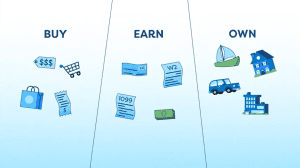
The Three Basic Tax Types
The better you understand taxes, the better equipped you are to make decisions about them. All taxes can be divided into three basic types: taxes on what you buy, taxes on what you earn, and taxes on what you own.
-

Taxes at Every Level
Each level of government provides its own services and therefore levies its own taxes to generate revenue for these services.
-
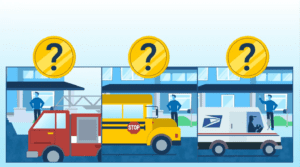
How Do Governments Raise Revenue?
The government provides various services at the federal, state, and local levels. How are they paid for? Taxes.
-

An Introduction to the History of Taxes
Taxes have played a major role throughout history, and even date back to around 5,000 years ago. Taxes will continue to affect our lives and shape our societies just like they have for thousands of years.