Skip to content

Taxes In Tennessee

2026 Tennessee Tax Rates, Collections, and Burdens

How Do Tennessee Taxes Compare to Other States?

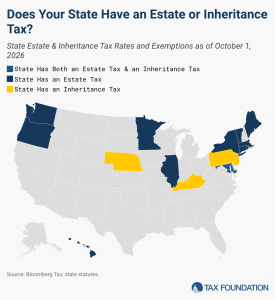
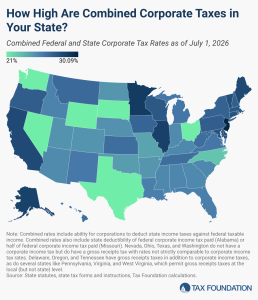
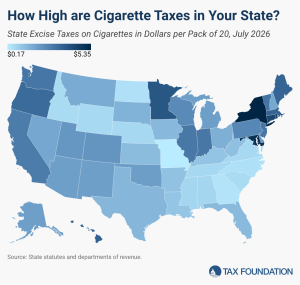
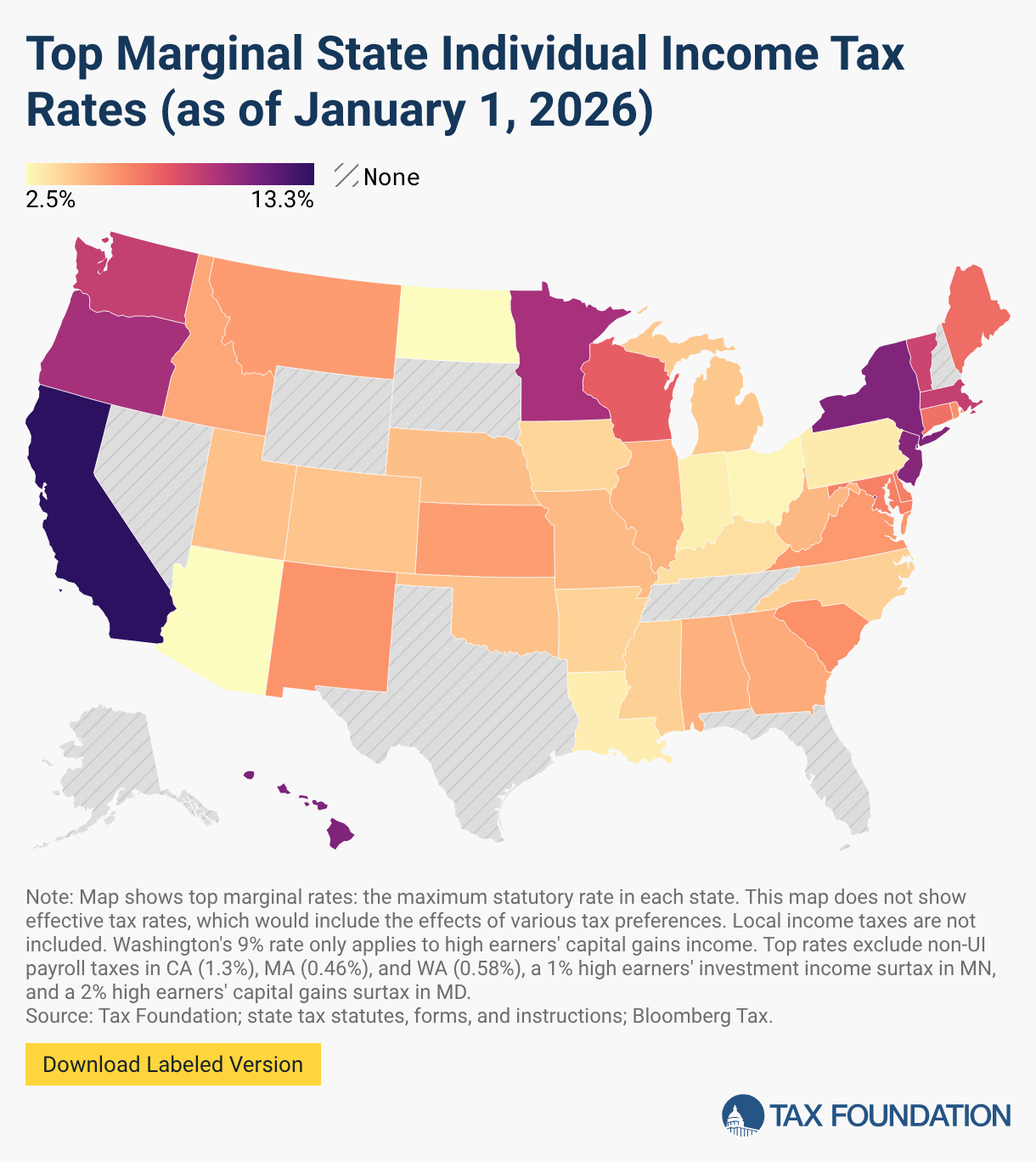
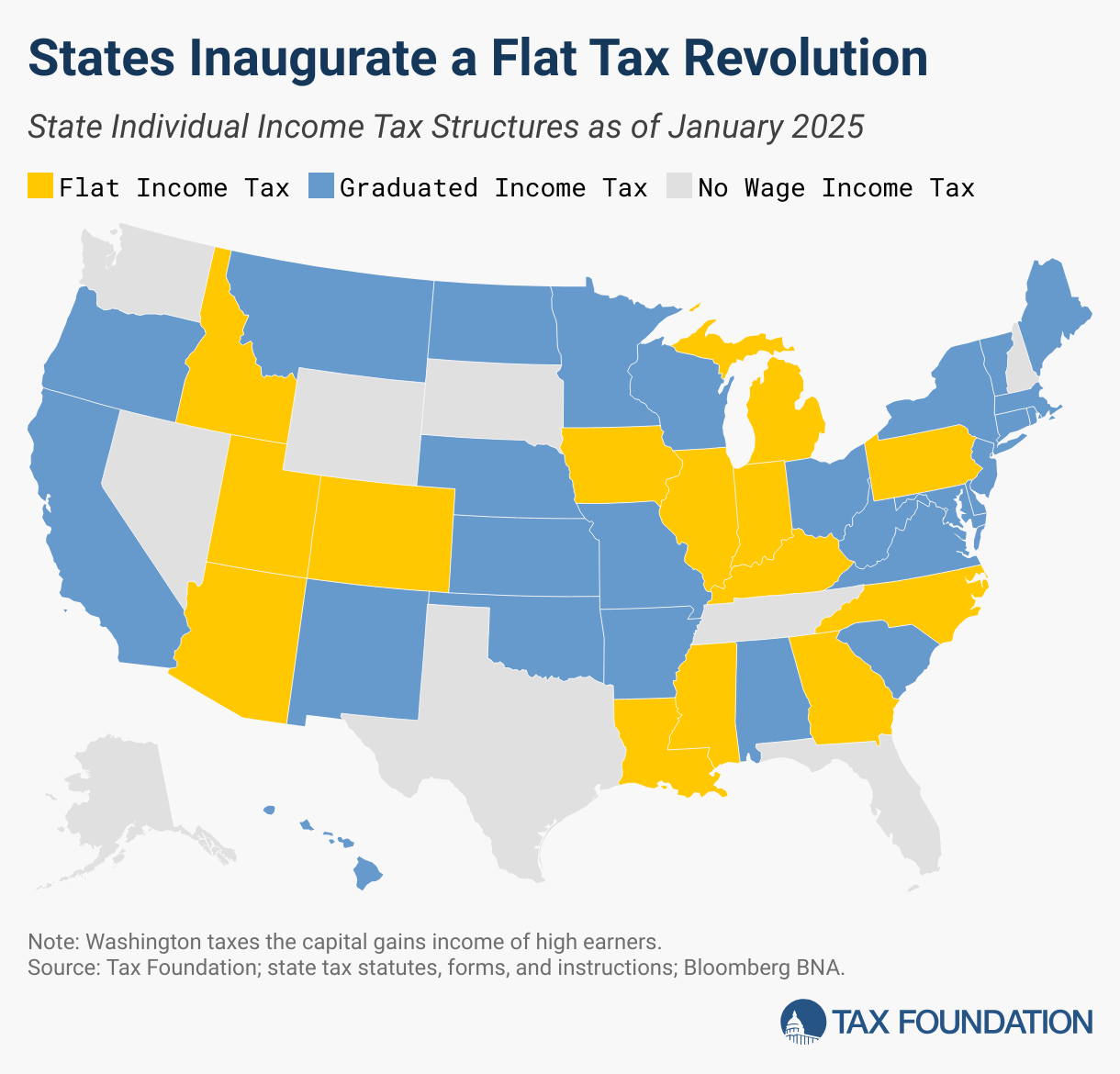
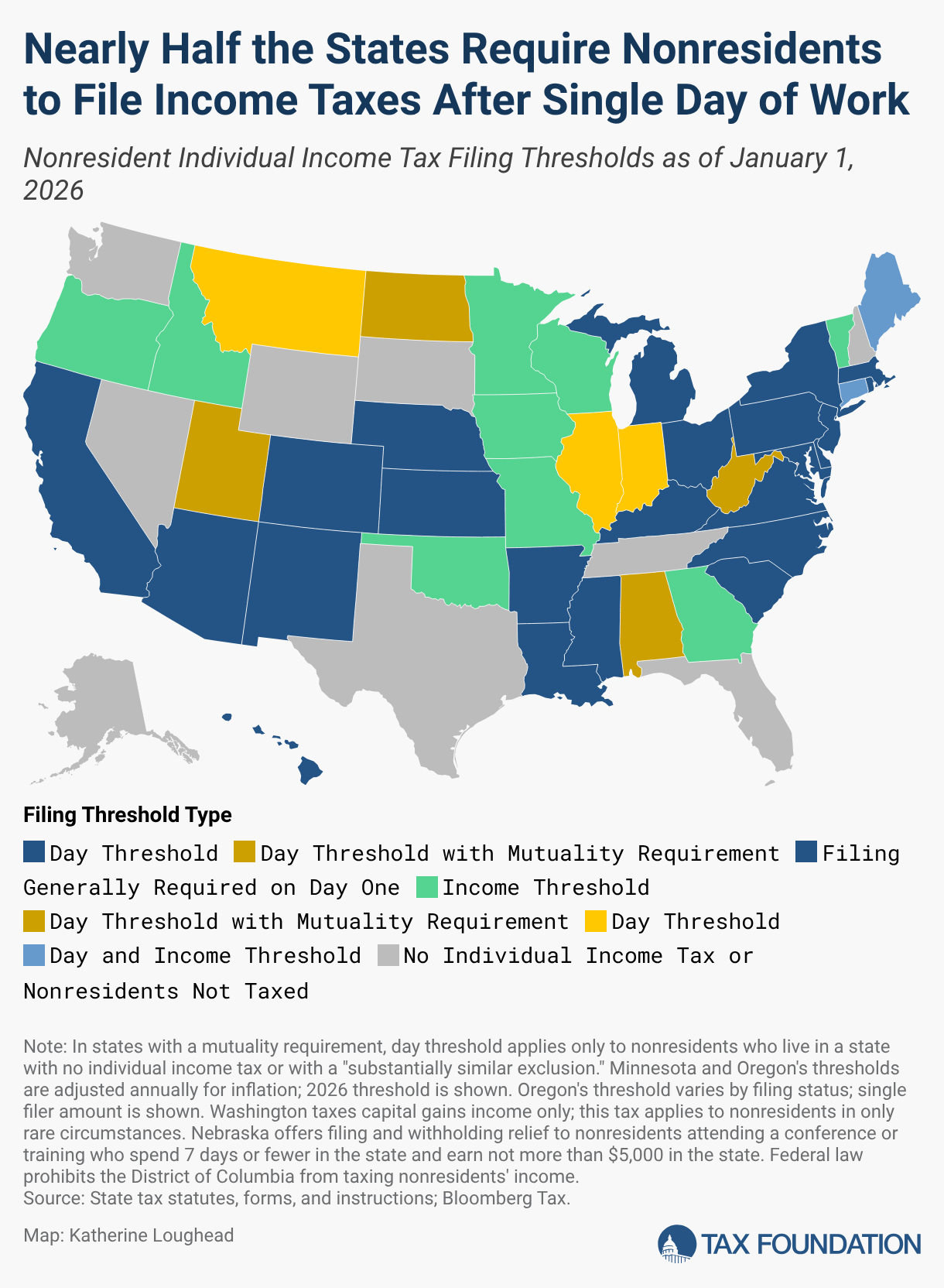
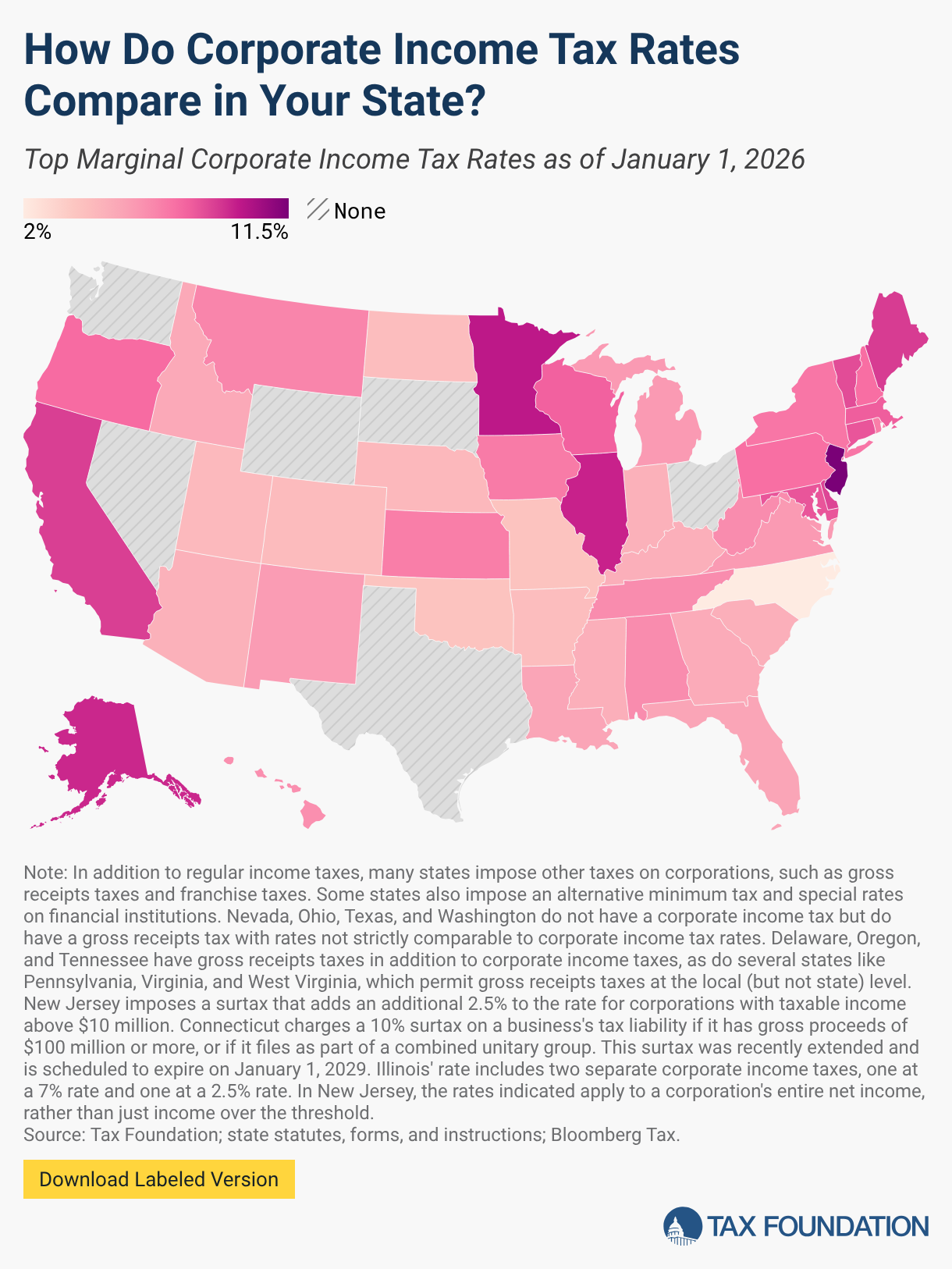
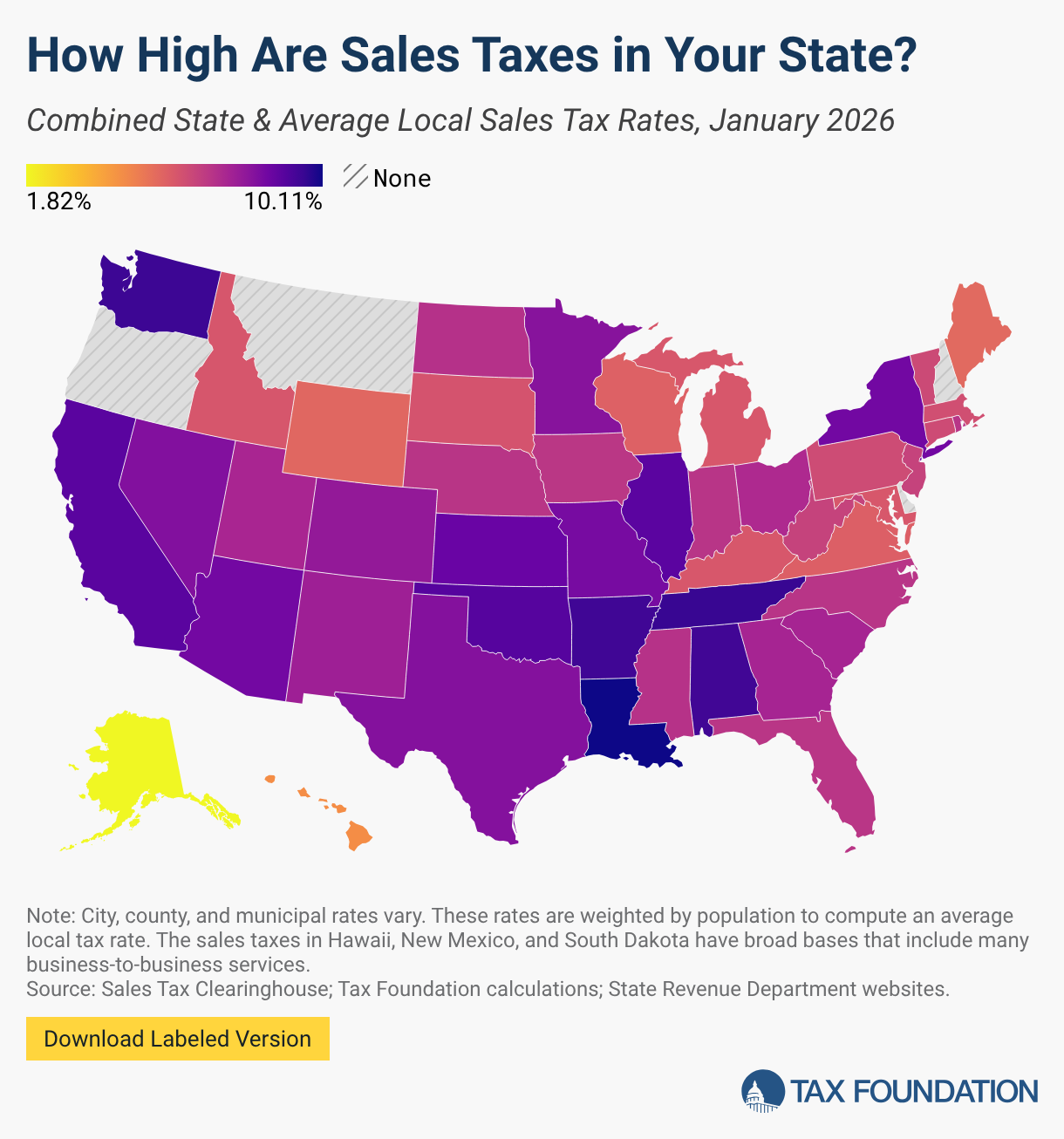
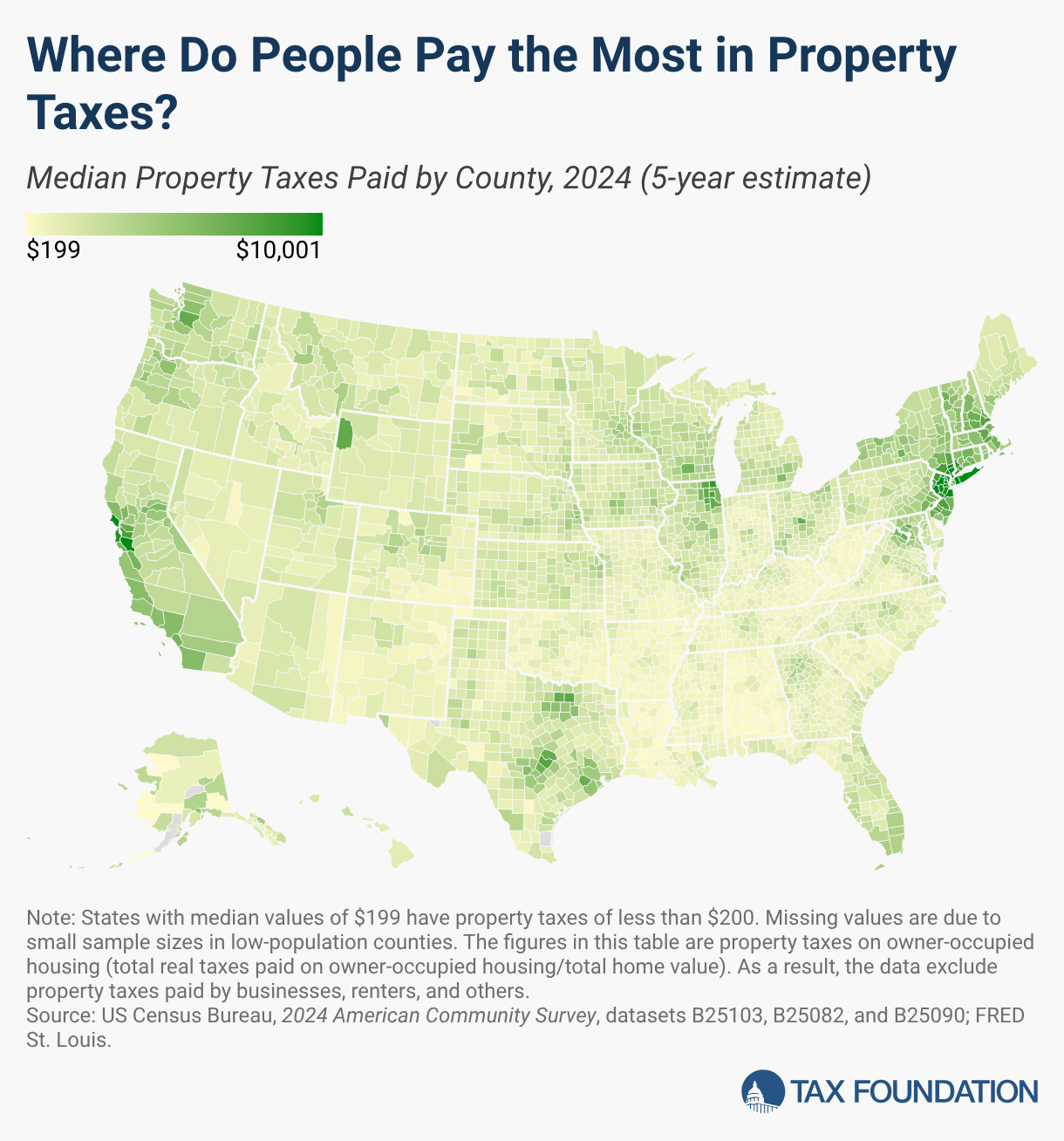
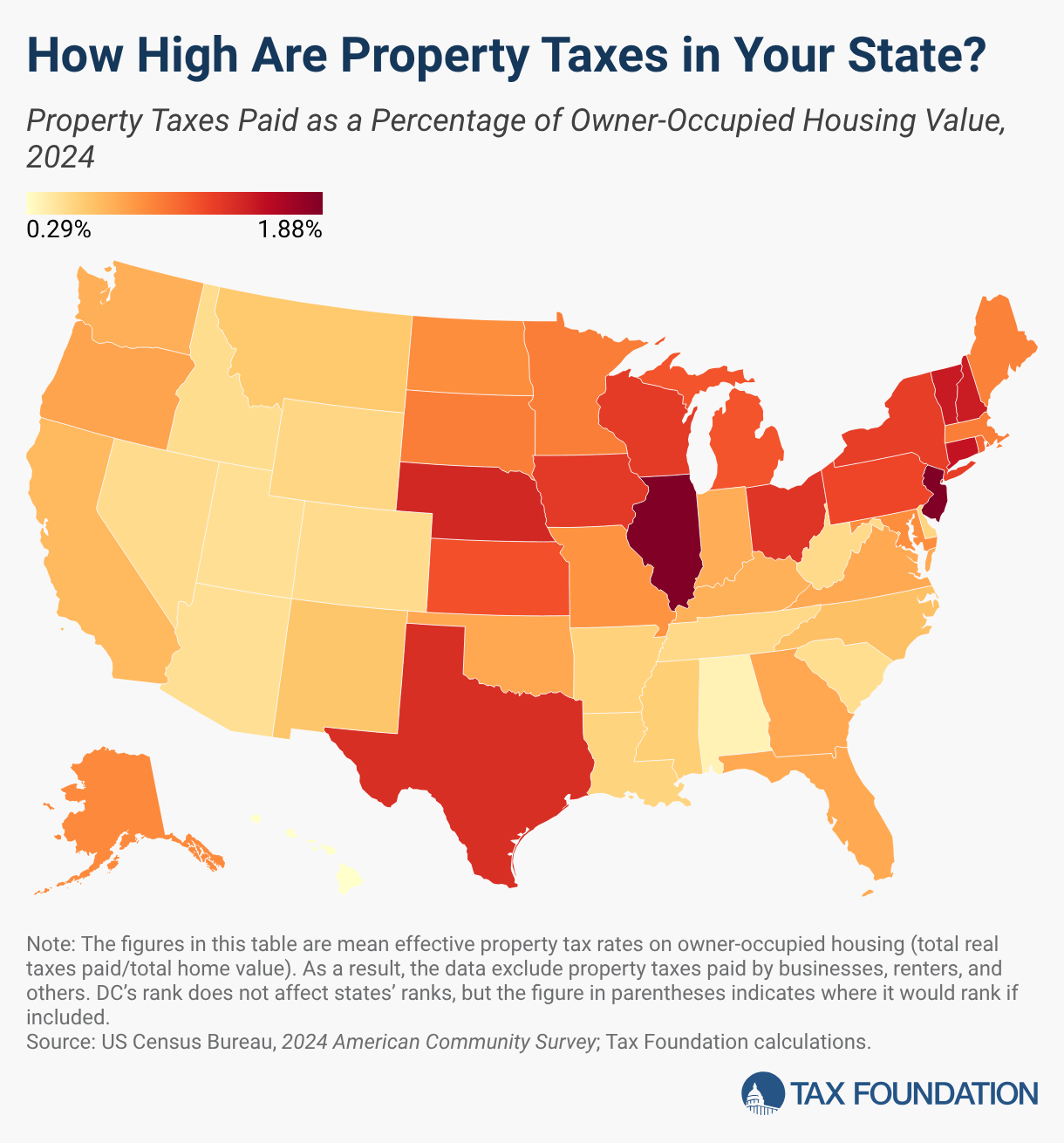
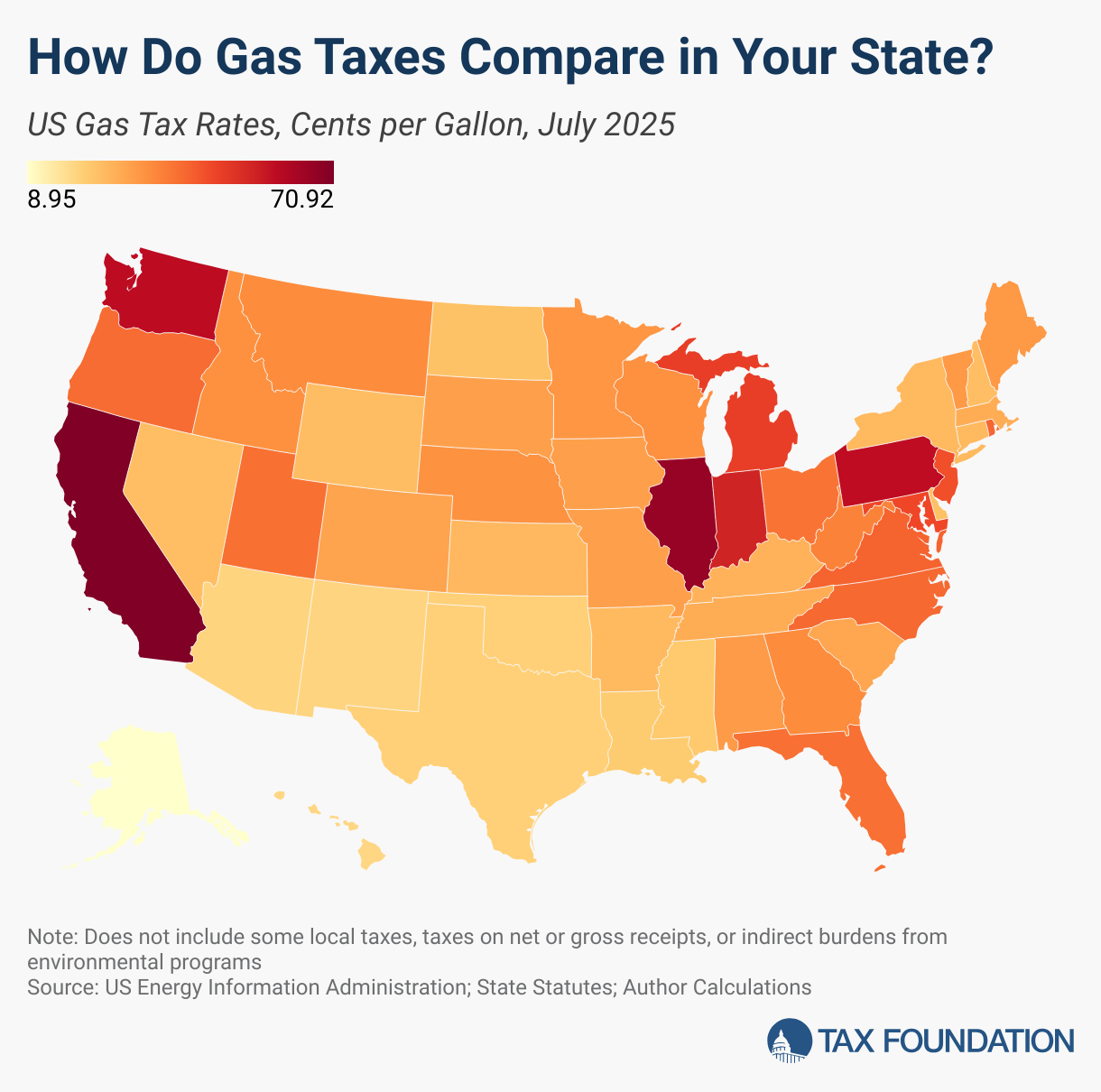
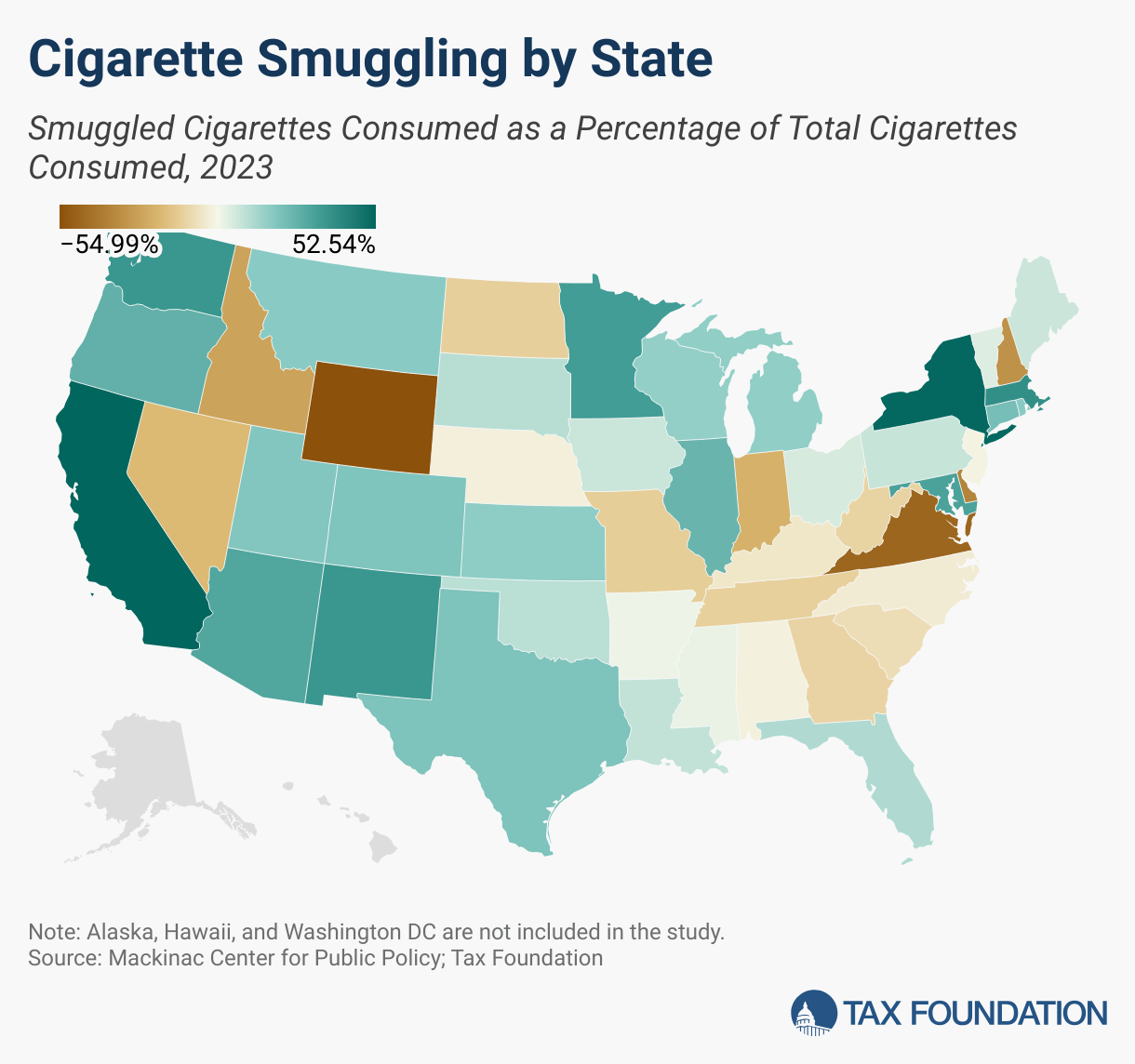
Tennessee does not have an individual income tax on wages or salaries. Tennessee has a flat 6.50 percent corporate income tax rate (excise tax), a 7.00 percent state sales tax rate, and an average combined state and local sales tax rate of 9.61 percent. Tennessee has a 0.52 percent effective property tax rate on owner-occupied housing value. Tennessee does not have an estate tax or inheritance tax. Tennessee’s gas tax is 27.4 cents per gallon, and its cigarette excise tax is $0.62 per pack of 20 cigarettes.

Tennessee Tax Rankings, Debt, and Tax Revenue

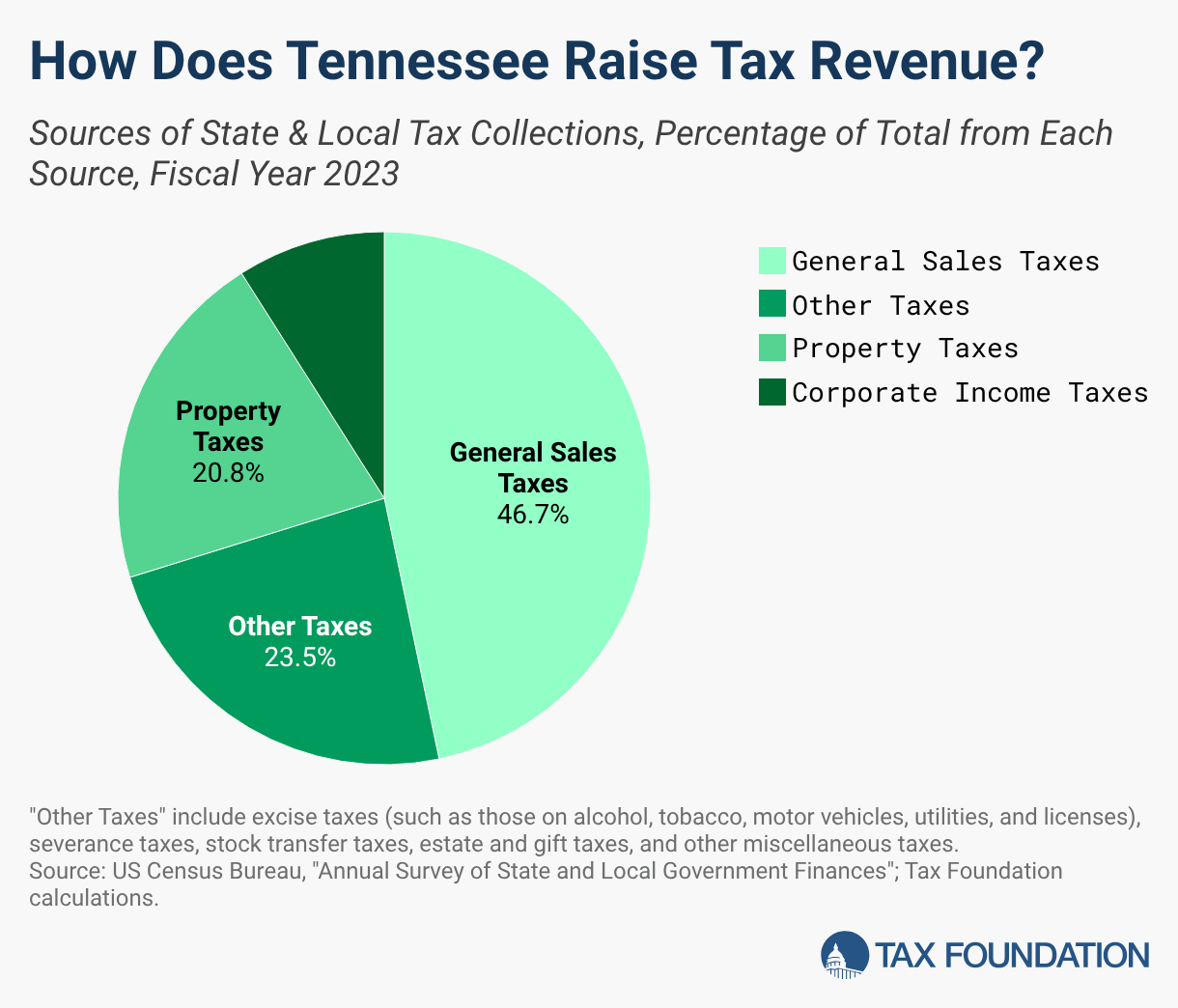
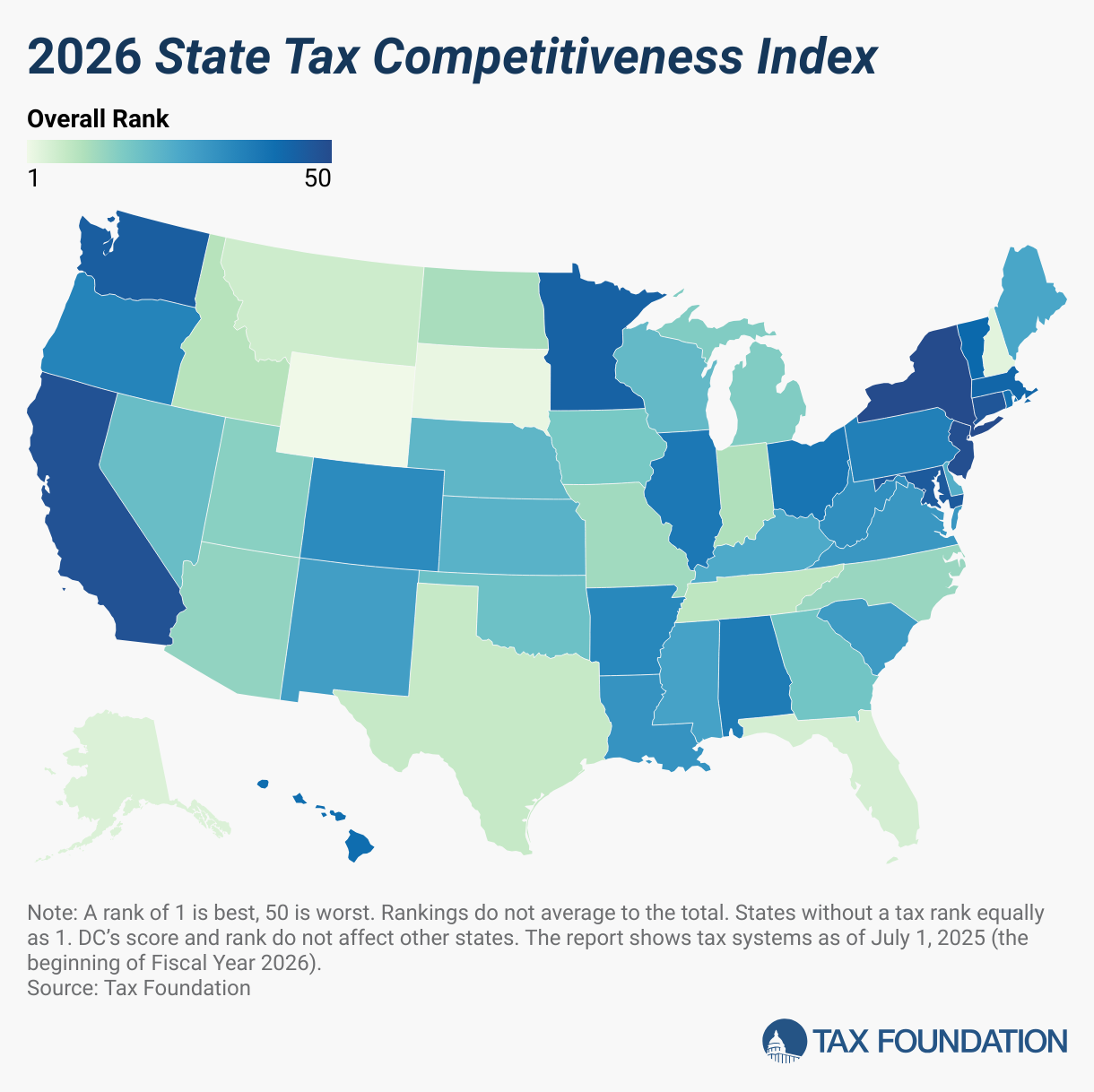
Tennessee raises tax revenue primarily through general sales taxes (46.7 percent of total state and local tax revenue), other taxes (23.5 percent), and property taxes (20.8 percent). Tennessee collects $4,912 in state and local tax collections per capita, carries $5,883 in state and local debt per capita, and has a 115 percent funded ratio of public pension plans. Tennessee’s tax system ranks 8th overall on the 2026 State Tax Competitiveness Index.

Understanding Tennessee’s Tax System

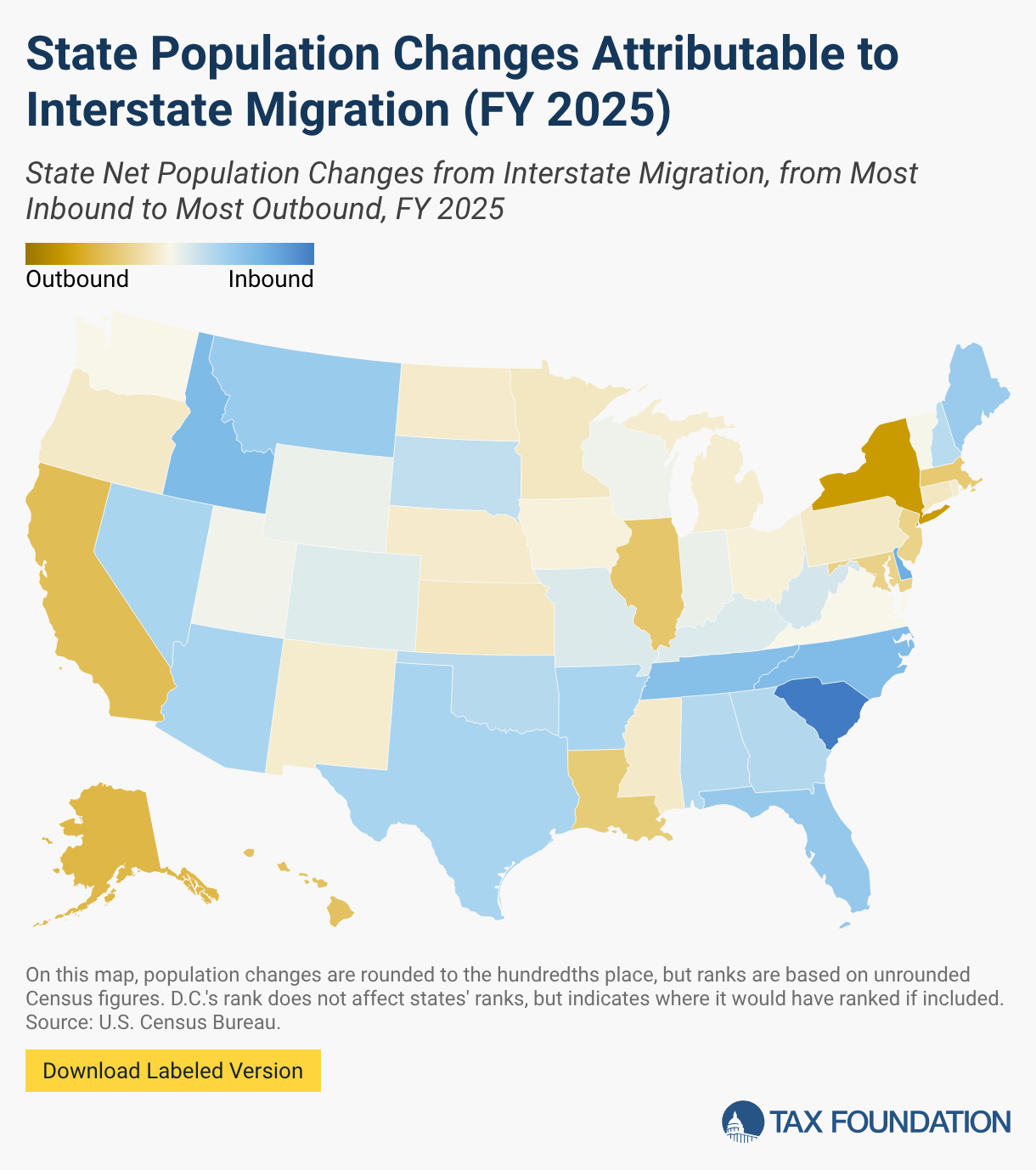
Each state’s tax code is a multifaceted system with many moving parts, and Tennessee is no exception. Use the tabs below to compare Tennessee taxes with other states and to see how Tennessee raises tax revenue. You can also browse our tax maps, which are compiled from our annual publication, Facts & Figures 2026: How Does Your State Compare?

See Related Articles

Tax Data by State

Get facts about taxes in your state and around the US

Explore Data

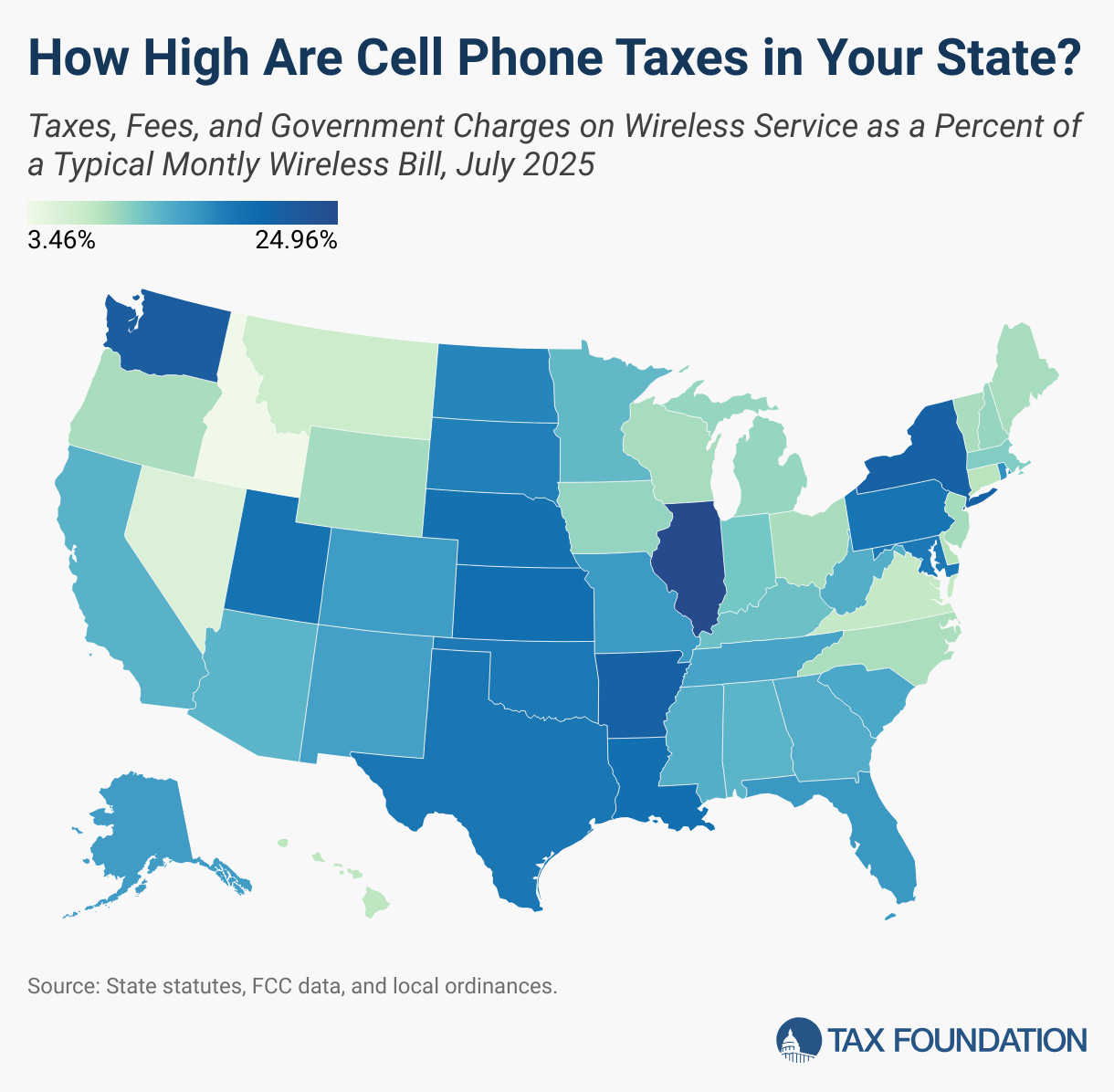
How Do Taxes in Tennessee Compare?

How Does Tennessee Collect Revenue?

How Does Tennessee's Tax System Rank?


All Related Articles

Beer Taxes by State, 2026

Beer Taxes by State, 2026

In the United States, taxes are the single most expensive ingredient in beer. The tax burden accounts for more of the final price of beer than labor and materials combined—the many different layers of applicable taxes combining to total as much as 40.8 percent of the retail price.

7 min read
High-Tax States Competitiveness, Wealth Taxes

Targeting High Earners is Misguided and Will Worsen States’ Fiscal Positions

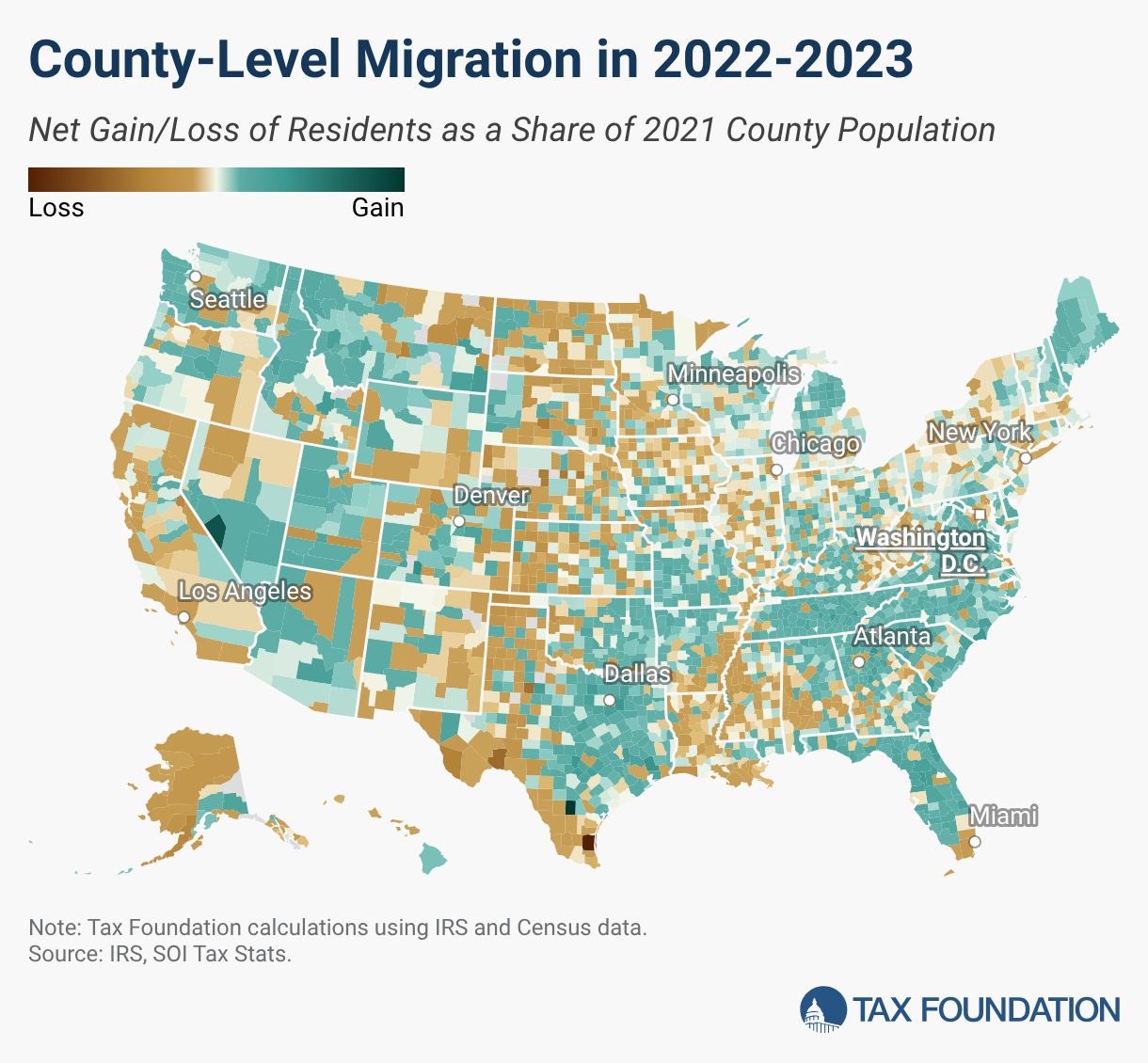
Policies that increase the tax burden on high earners makes states less competitive, increase revenue volatility, discourage investment, and risk accelerating outmigration of talent and capital. Many top-earners are already leaving high-tax states for Florida, North Carolina, and other low-tax jurisdictions.

9 min read
distilled spirits taxes by state 2026, state liquor taxes and state alcohol taxes

Distilled Spirits Taxes by State, 2026

The significant disparity in tax rates across states underscores the complex tax and regulatory environment governing distilled spirits.

9 min read
State and Local Tax Collections Per Capita by State, 2026 State and Local Tax Burdens by State

State and Local Tax Collections Per Capita by State, 2026

Tax collections vary widely by state, making per capita collections figures—a measure of collections per person—especially useful, as they allow comparisons across differences in tax rates and bases, economic capacities, and policy decisions that impact the size and scope of government.

5 min read
Rental Car Taxes and Fees

Renting a Car? Half Your Bill May Be Taxes and Fees

Rental cars are some of the most heavily taxed transactions in the US. Rather than levying additional taxes on rental cars by trying to export the tax burden to nonresidents, municipalities should enact principled, neutral transportation tax policy that is unlikely to discourage visitors, tourists, and other economic activity.

5 min read
Wealth Tax and Millionaire Tax

The State Race for Wealth Taxes Will Fail. Just Ask Europe.

From coast to coast, lawmakers are embracing wealth and millionaires’ taxes. Many of these proposals will face their ultimate test at the ballot box this November, and we should be rooting for these measures to fail.

Road Taxes and Funding by State, 2026

Road Taxes and Funding by State, 2026

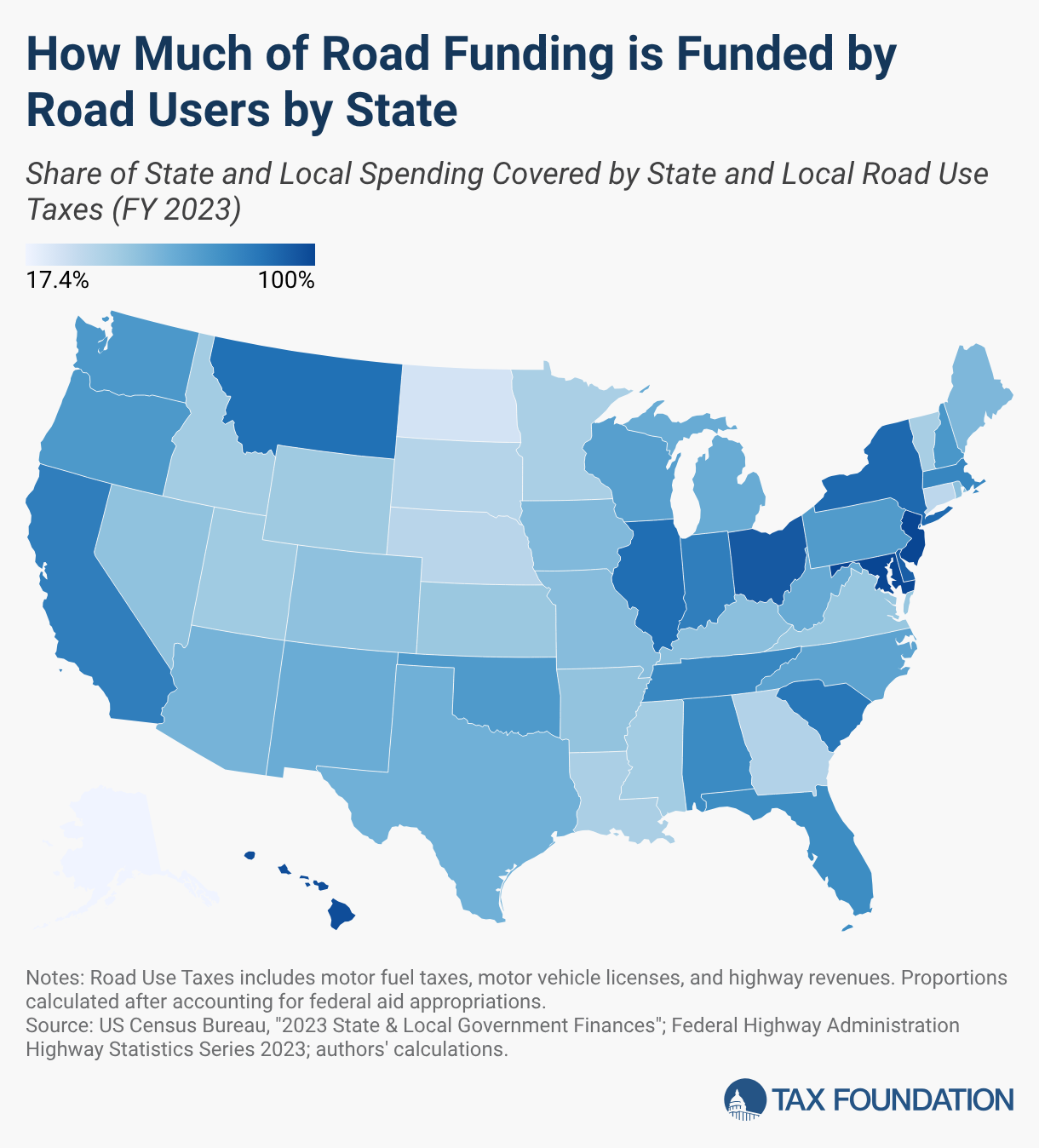
The amount of revenue states raise through roadway-related revenues varies significantly across the US. Only two states raise enough revenue to fully cover their highway spending.

5 min read