
Skip to content

Taxes In Indiana

2026 Indiana Tax Rates, Collections, and Burdens

How Do Indiana Taxes Compare to Other States?

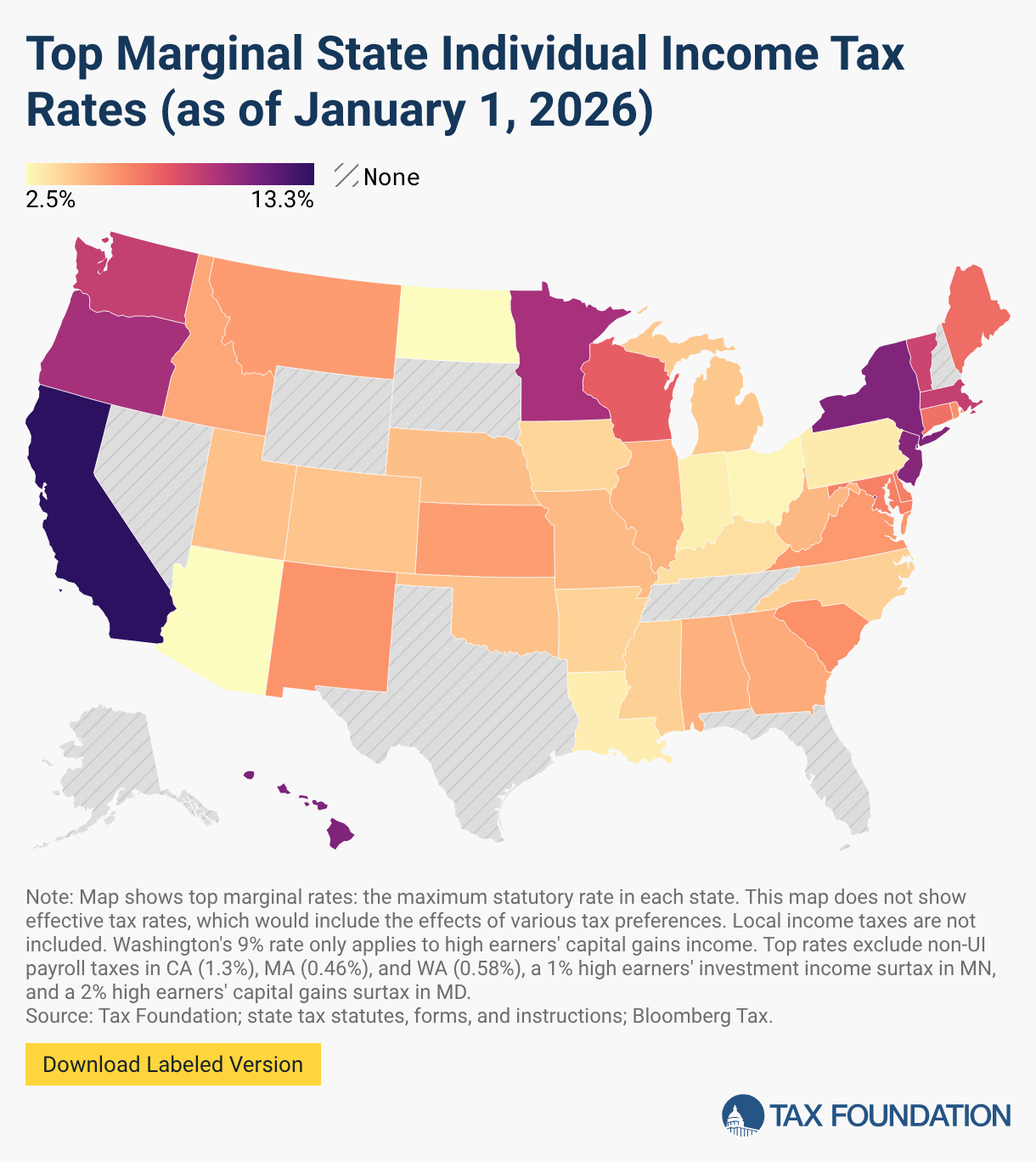
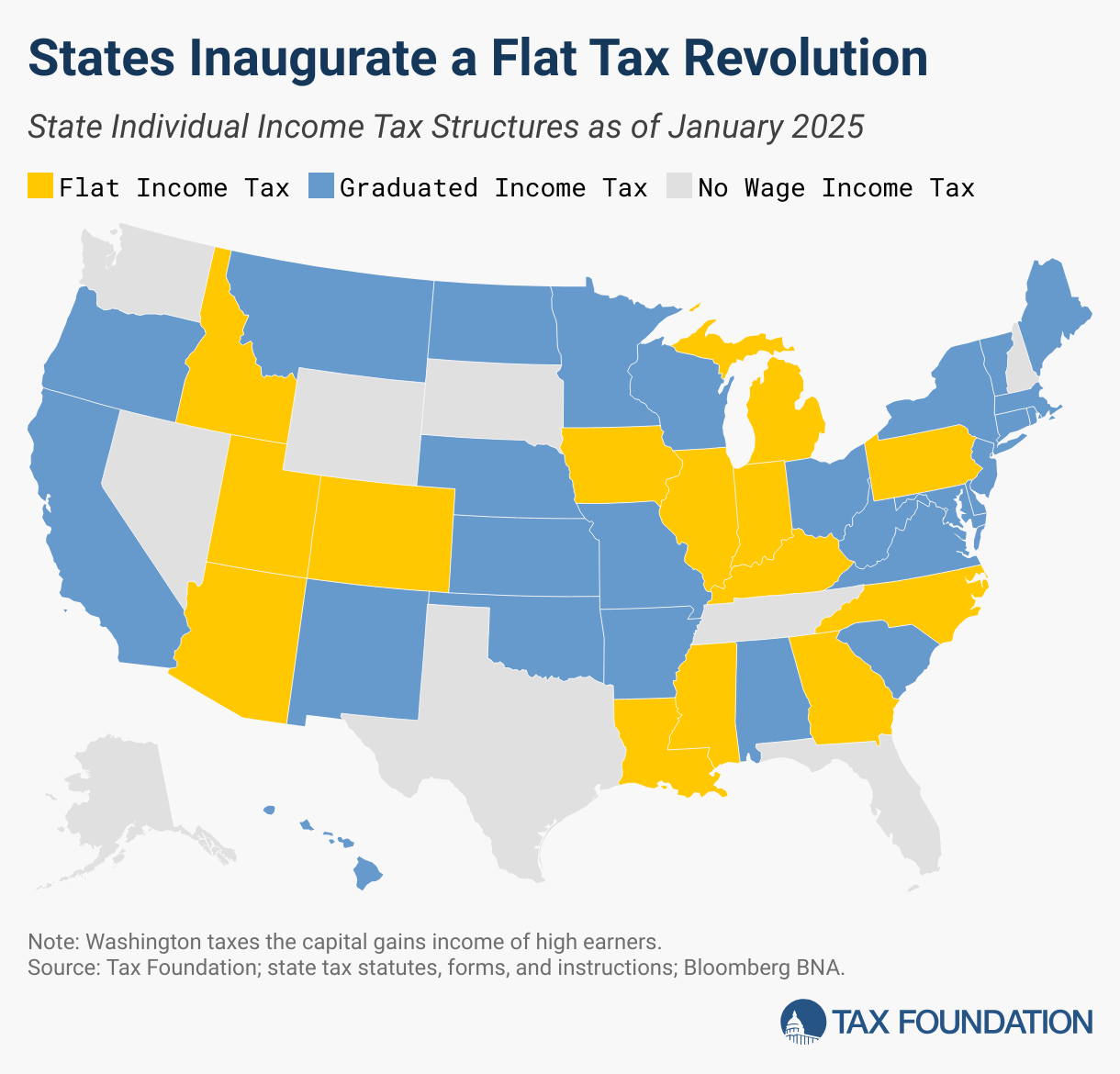
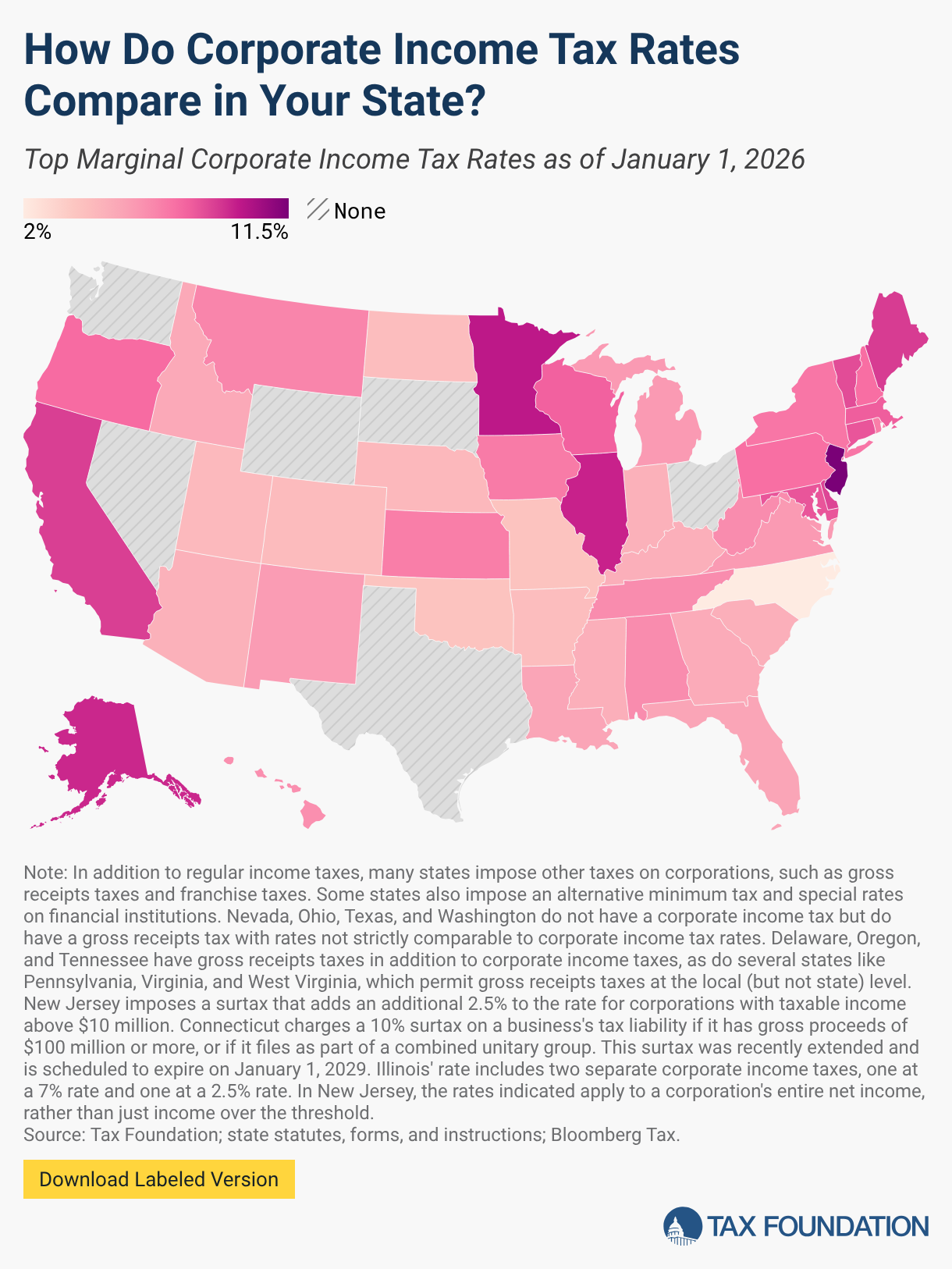
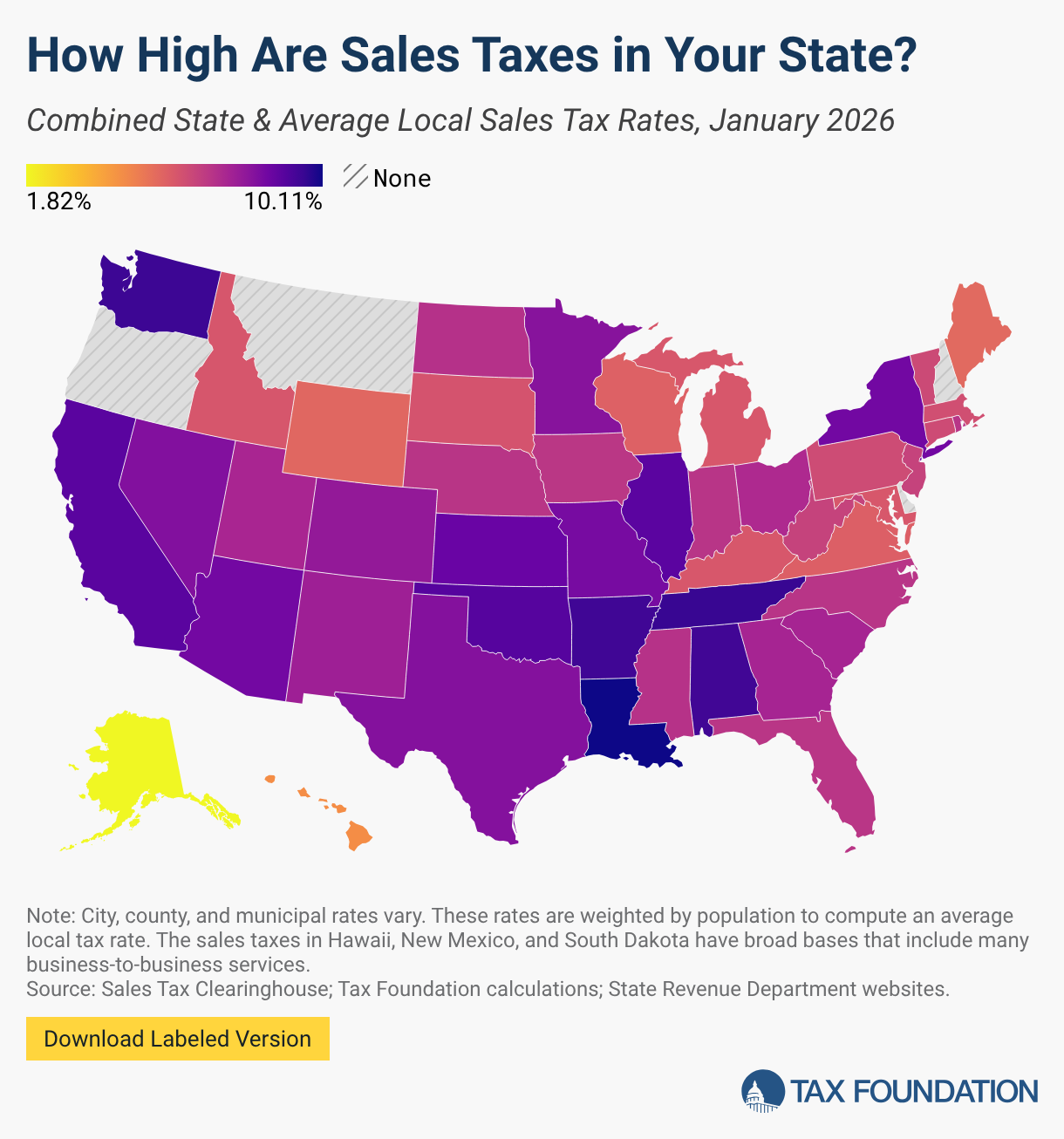
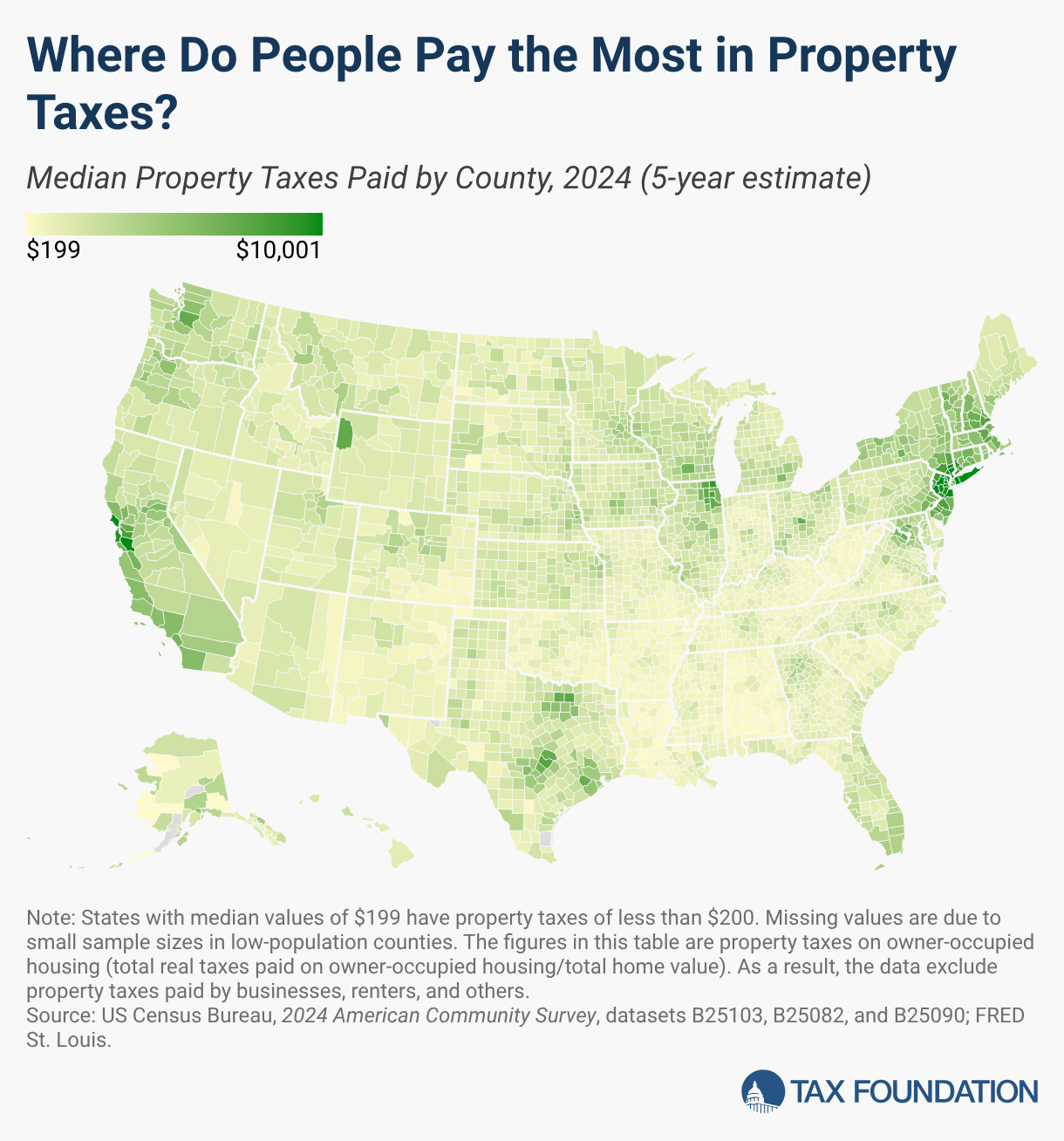
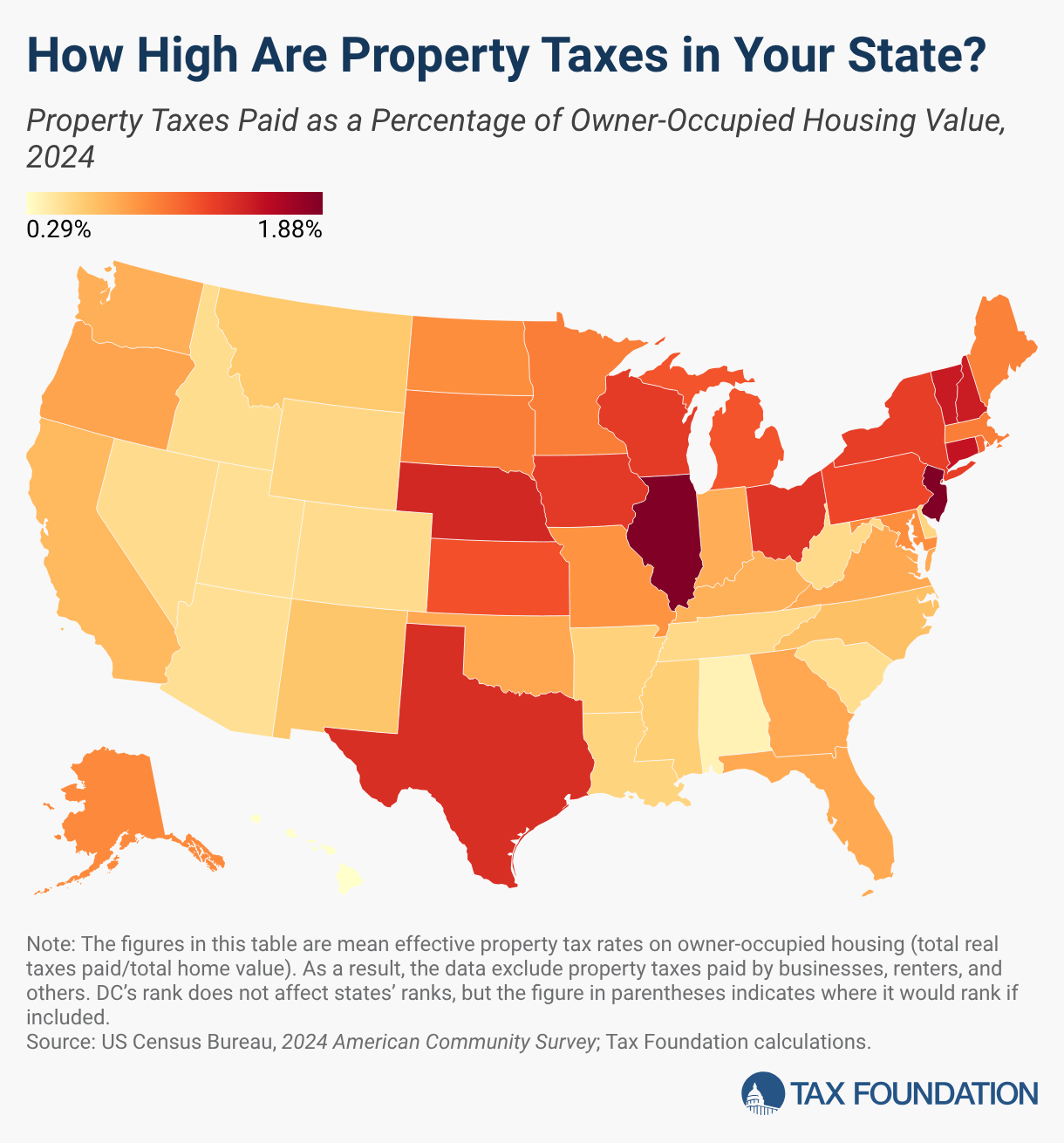
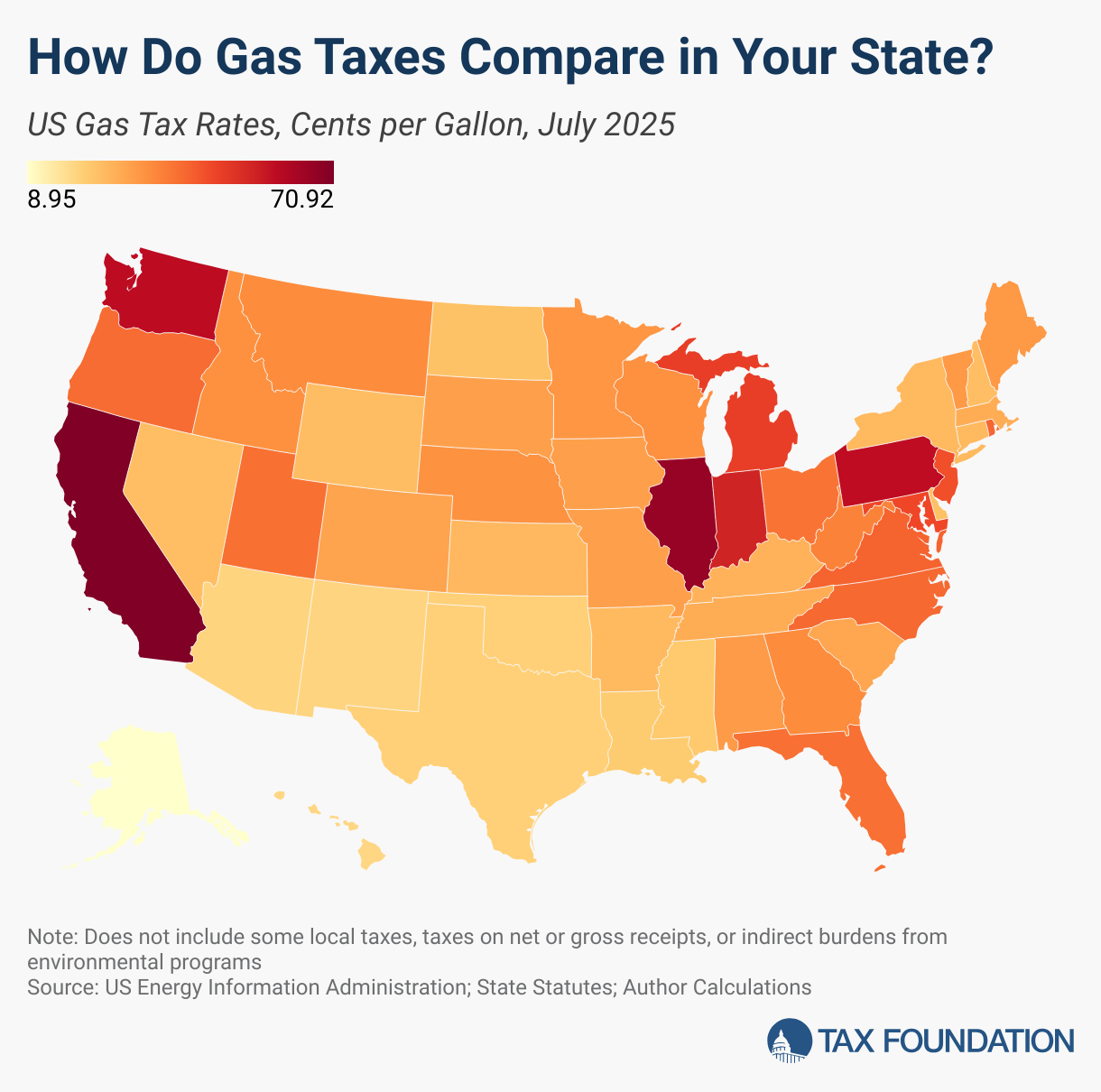
Indiana has a flat 2.95 percent individual income tax rate. There are also jurisdictions that collect local income taxes. Indiana has a flat 4.90 percent corporate income tax rate, a 7.00 percent state sales tax rate, and an average combined state and local sales tax rate of 7.00 percent. Indiana has a 0.76 percent effective property tax rate on owner-occupied housing value. Indiana does not have an estate tax or inheritance tax. Indiana’s gas tax is 52.4 cents per gallon, and its cigarette excise tax is $2.995 per pack of 20 cigarettes.

Indiana Tax Rankings, Debt, and Tax Revenue

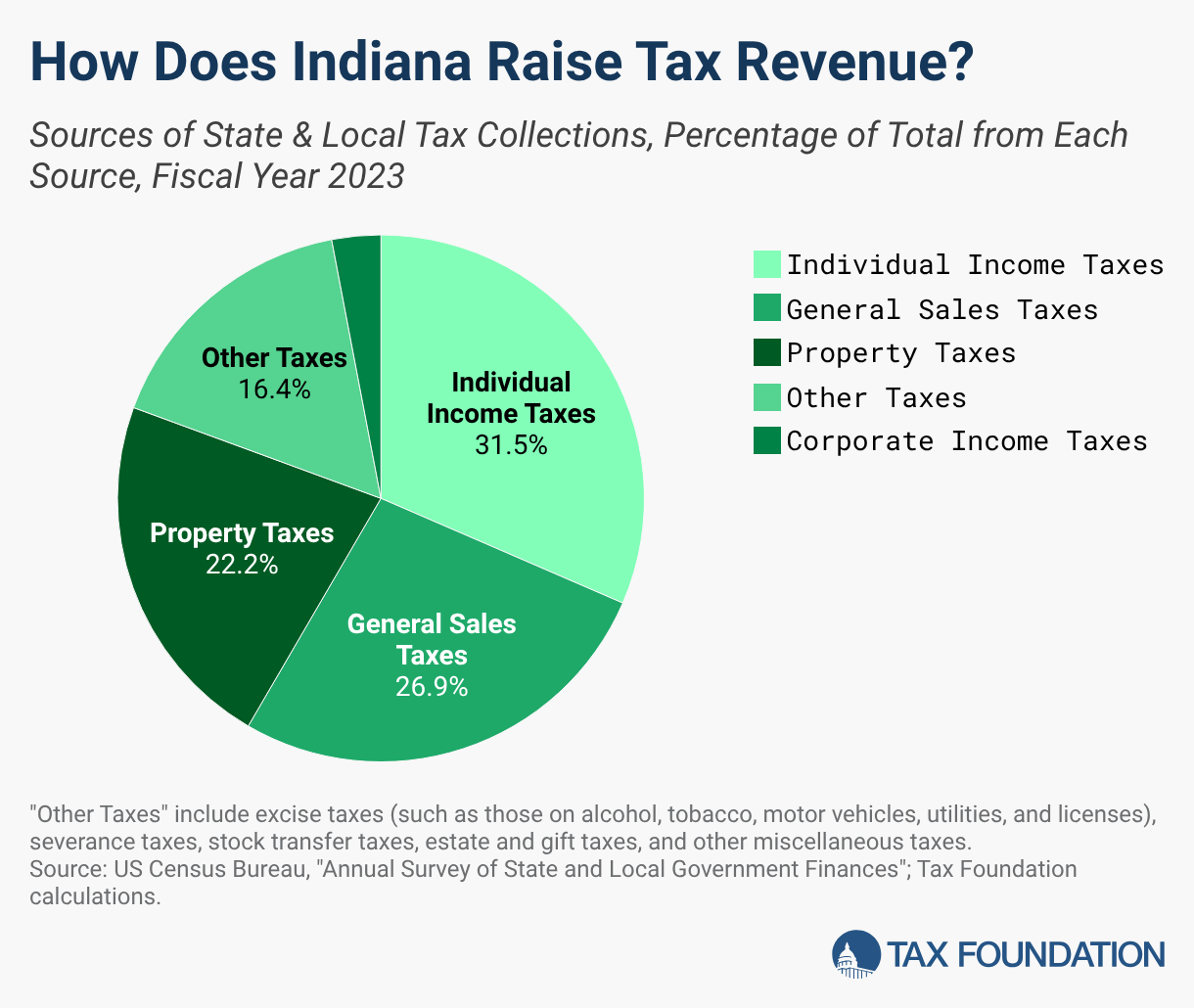
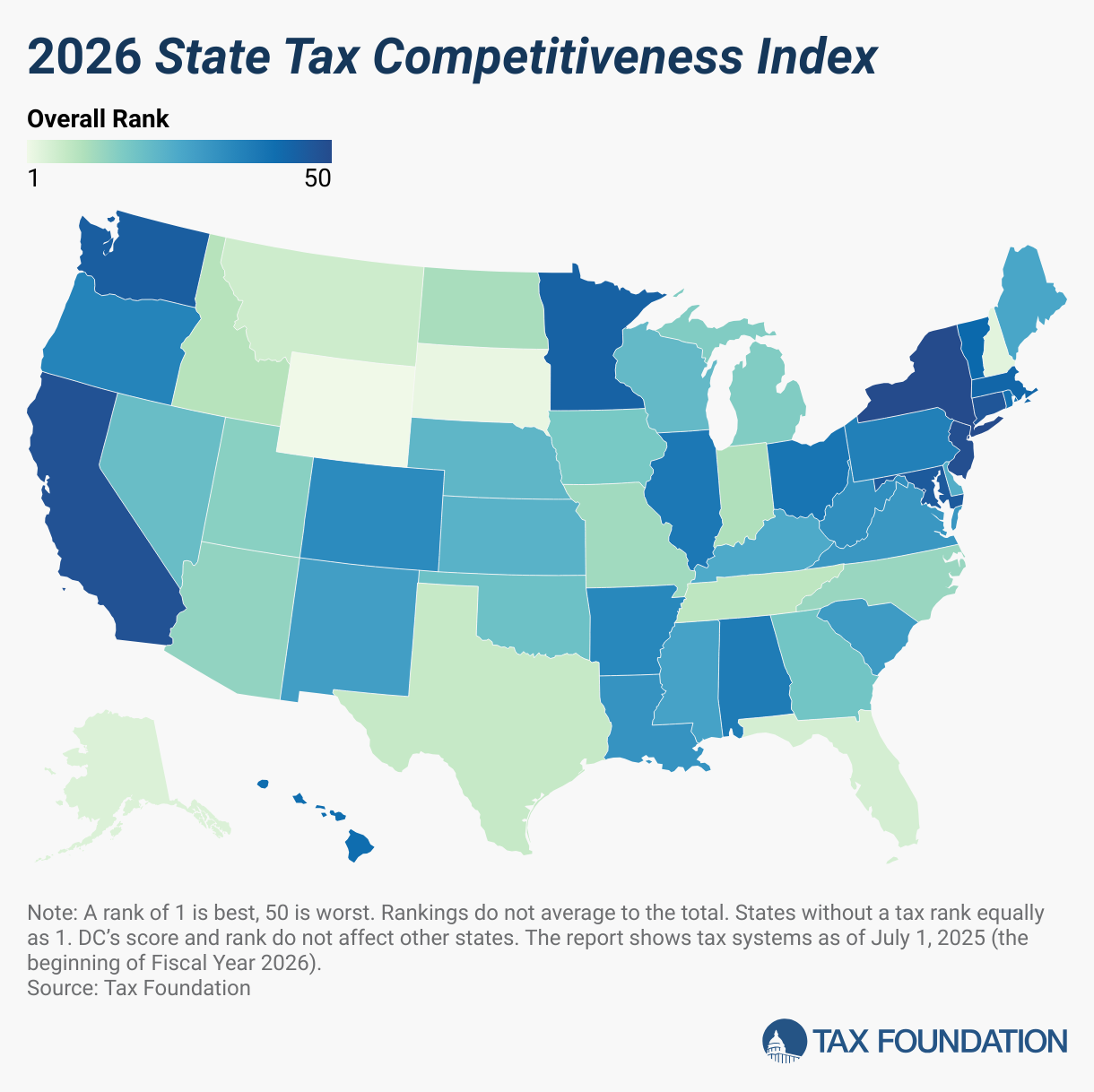
Indiana raises tax revenue primarily through individual income taxes (31.5 percent of total state and local tax revenue), general sales taxes (26.9 percent), and property taxes (22.2 percent). Indiana collects $5,964 in state and local tax collections per capita, carries $6,091 in state and local debt per capita, and has an 84 percent funded ratio of public pension plans. Indiana’s tax system ranks 10th overall on the 2026 State Tax Competitiveness Index.

Understanding Indiana’s Tax System

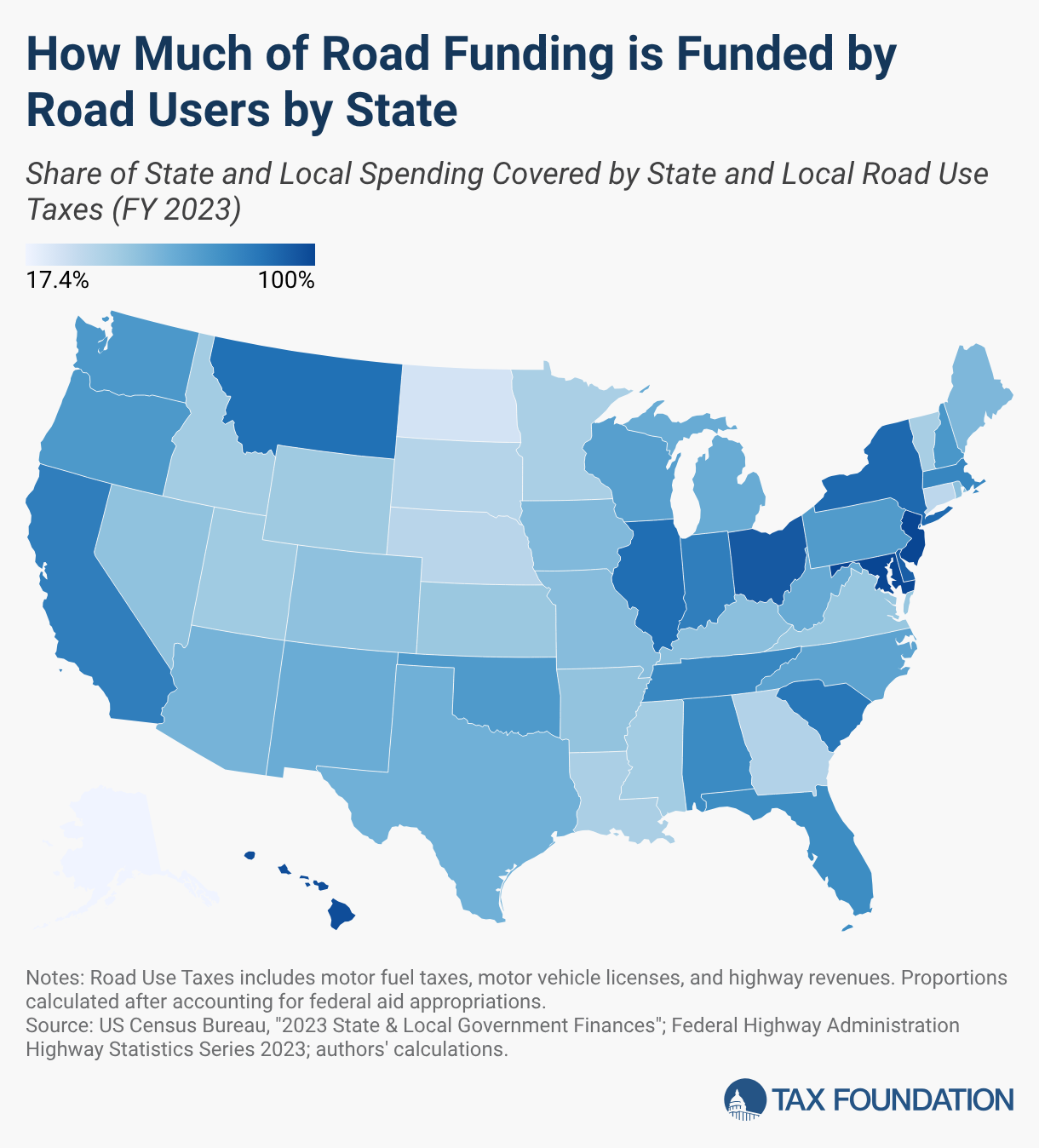
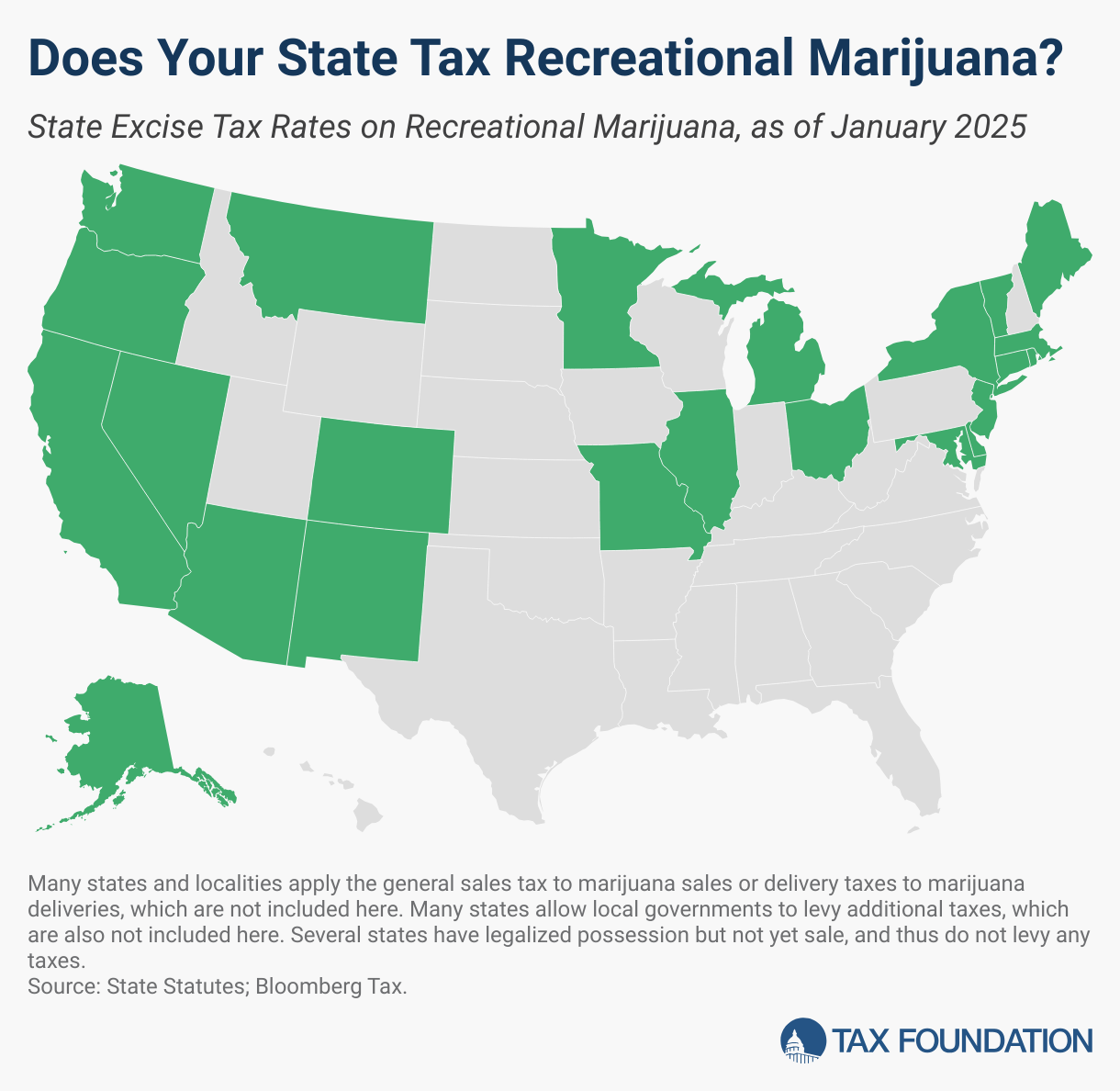
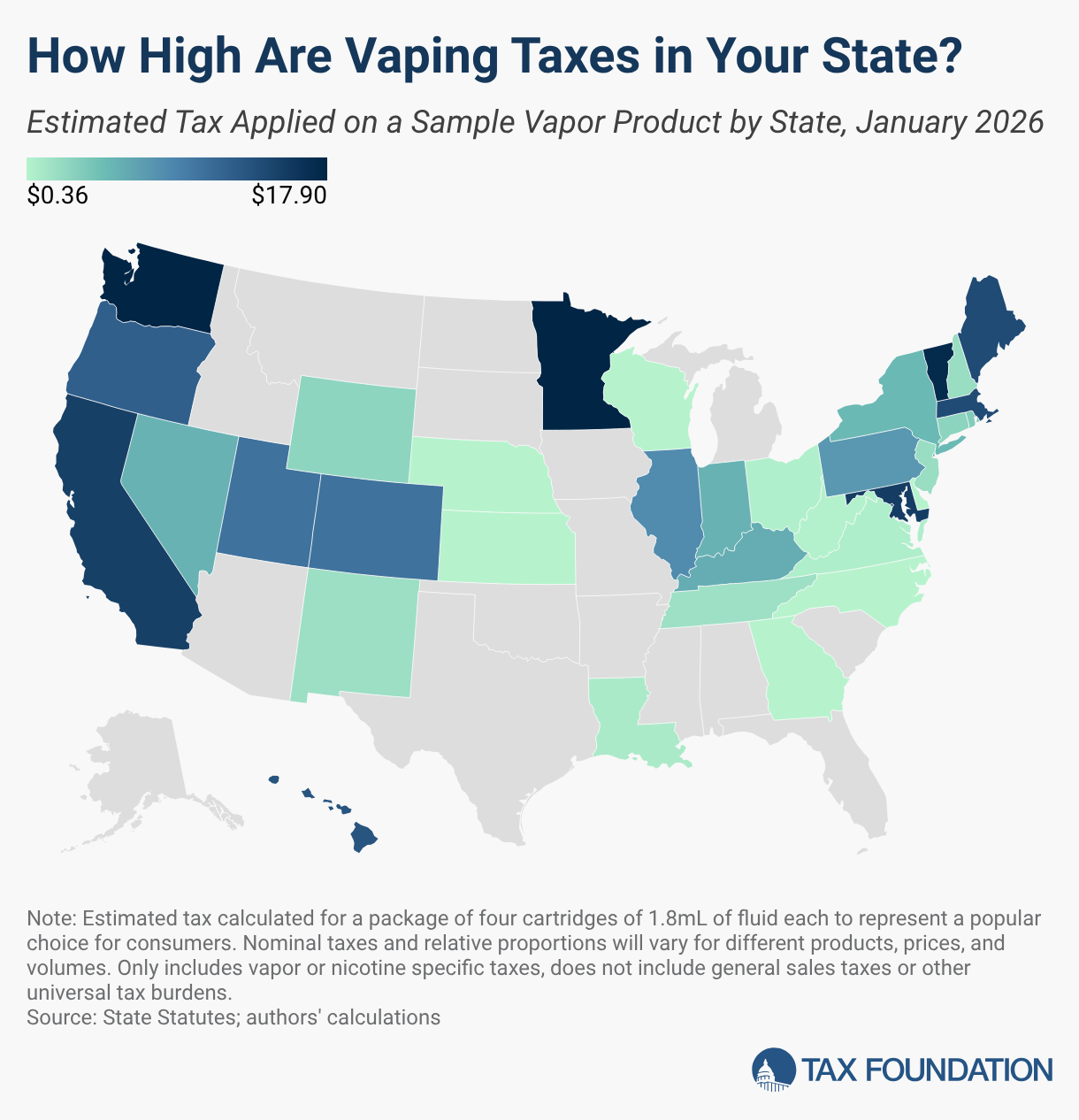
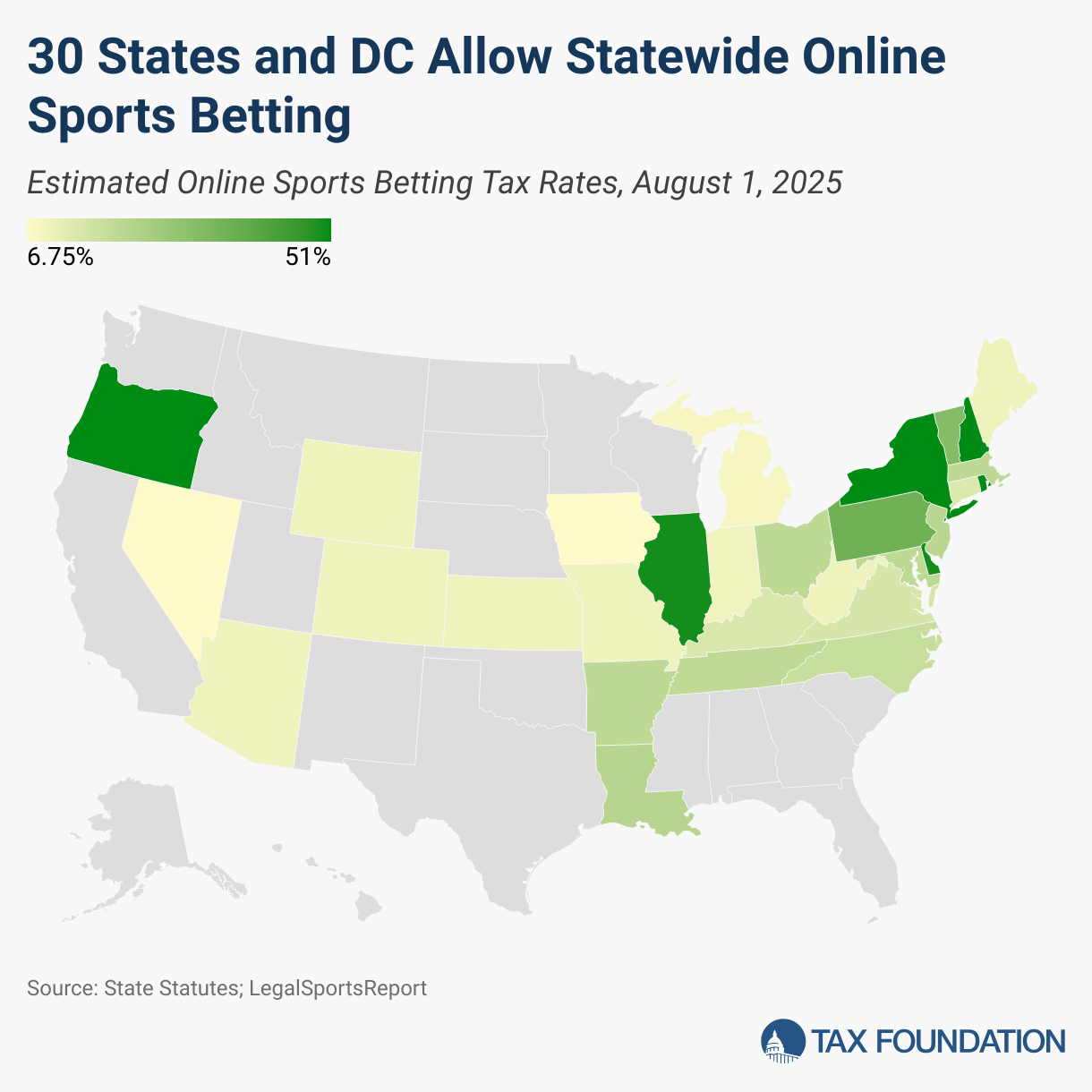
Each state’s tax code is a multifaceted system with many moving parts, and Indiana is no exception. Use the tabs below to compare Indiana taxes with other states and to see how Indiana raises tax revenue. You can also browse our tax maps, which are compiled from our annual publication, Facts & Figures 2026: How Does Your State Compare?

See Related Articles

Tax Data by State

Get facts about taxes in your state and around the US

Explore Data

How Do Taxes in Indiana Compare?

How Does Indiana Collect Revenue?

How Does Indiana's Tax System Rank?


All Related Articles

2026 state and local sales tax rates by state

State and Local Sales Tax Rates, 2026

Retail sales taxes are an essential part of most states’ revenue toolkits, responsible for nearly a quarter of combined state and local tax collections.

18 min read
2026 state corporate income tax rates and brackets by state

State Corporate Income Tax Rates and Brackets, 2026

Forty-four states levy a corporate income tax, with top rates ranging from a 2 percent flat rate in North Carolina to an 11.5 percent top marginal rate in New Jersey. Four states—Georgia, Nebraska, North Carolina, and Pennsylvania—reduced their corporate income tax rates effective January 1, 2026.

5 min read
Chicago Bears relocation Illinois to Indiana, Sports Stadium Public Funding

Chicago Bears Threaten Relocation over Illinois Taxes

The Chicago Bears are threatening to relocate from Illinois to Indiana as they negotiate over taxes and public financing. Illinois’ uncompetitive and burdensome tax environment makes it difficult for the NFL team to operate.

4 min read
state taxation of data centers tax analysis

State Taxation of Data Centers

Data centers face high tax burdens and are particularly substantial contributors to local coffers, but poor tax structure can drive these operations to other locations and deprive local governments of a major revenue stream.

22 min read
2026 State Tax Changes Taking Effect January 1

State Tax Changes Taking Effect January 1, 2026

Forty-three states will ring in 2026 with notable tax changes. Eight states will see reduced individual income tax rates in the new year while four states will see reduced corporate income tax rates.

30 min read
real value of $100 metropolitan areas

Purchasing Power: The Real Value of $100 by Metropolitan Area, 2023

Many policies, such as minimum wage levels, tax brackets, and means-tested public benefit income thresholds, are denominated in nominal dollars, even though a dollar in one region may go much further than a dollar in another. Lawmakers should keep that reality in mind as they make changes to tax and economic policies.

6 min read
GILTI to NCTI, State Tax Codes Decouple

Some States Will Tax NCTI Despite Prior Votes to Exempt International Income

Several states have decoupled from GILTI by name rather than statutory citation. Lawmakers in those states should amend these statutes to ensure that their tax code does not accidentally incorporate a much more aggressive tax on international income than the tax from which they previously decoupled.

6 min read