Testimony: Prioritizing Comprehensive Tax Modernization in Nebraska
The Nebraska legislature has an excellent opportunity to make progress toward a simpler, stabler, less burdensome, and more competitive tax code.

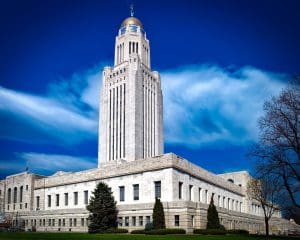
The Nebraska legislature has an excellent opportunity to make progress toward a simpler, stabler, less burdensome, and more competitive tax code.
We identify 13 of the highest tax reform priorities Nebraska policymakers should consider in their effort to create a more growth-friendly tax code. We also offer a sample comprehensive tax reform plan to show one way policymakers could begin tackling these objectives over the next couple legislative sessions, with further progress to be made in the years ahead.
8 min read
As Congress works to provide another round of emergency economic relief, it is a good time to step back and consider how tax policy affects entrepreneurs and small businesses.
3 min read
Tax credits like the ones approved in the Nebraska bill may help legislators buy some time to work toward a more permanent solution, but they are not, in and of themselves, an effective means of providing lasting relief or generating long-term economic growth.
7 min read
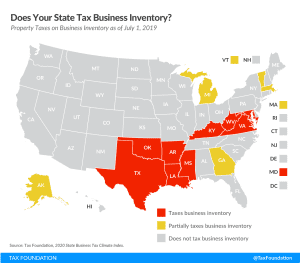
Inventory taxes are levied regardless of whether a business makes a profit, adding to the burden of businesses already struggling to stay afloat.
2 min read
Discover the three basic tax types—taxes on what you earn, taxes on what you buy, and taxes on what you own. Learn about 12 specific taxes, four within each main category. Develop a basic understanding of how these taxes fit together, how they impact government revenues and the economy, and where you may encounter them in your daily life.

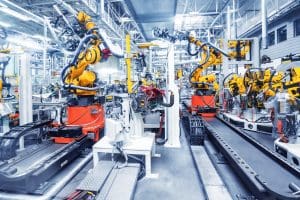
Tangible personal property taxes increase the complexity of state and local tax codes, discriminate against taxpayers based on their capital structure, and change economic behavior by incentivizing taxpayers to modify their property ownership to avoid the tax.
32 min read
Governor Justice’s proposal to roll back West Virginia’s tangible personal property tax, a tax on equipment and machinery, is an opportunity improve the state’s outmoded property tax structure.
4 min read