Remote Work and State Taxes: What You Need to Know
Should you have to file a tax return in a state where you babysat for one hour? In 22 states, the answer is technically yes.

Welcome to The Deduction, a Tax Foundation podcast and your guide to the complicated world of tax and economics.
From the impacts of tariffs and trade wars to debates over who pays and how much, each episode, our experts untangle another aspect of the tax code.
Apple Podcasts Google Podcasts Spotify
Castbox Stitcher Amazon Music RSS Feed

Should you have to file a tax return in a state where you babysat for one hour? In 22 states, the answer is technically yes.

AI is everywhere, and now it’s in the tax policy debate.

One year later, the evidence shows the tariffs were not reciprocal, did not generate the promised investment boom, raised less revenue than projected, and contributed to higher prices.

Most Americans don’t understand how the tax code works, and it’s costing them.

With property tax bills on the rise, homeowners are searching for answers—and some even want to abolish the tax altogether. In this episode, we break down why property taxes are increasing, common but flawed solutions, and why the property tax remains an economically efficient revenue source.
What happens when the country’s most important retirement program runs out of money? Social Security faces a funding crisis by 2035. We unpack how the system works, why it’s in trouble, and what fixes could keep it afloat.

Learn about the tax gap, what it is, how the U.S. compares to other countries, and recent proposals aimed at closing it. We also explore how much revenue could actually be raised through increased tax enforcement, the current challenges the IRS faces, and how stronger enforcement could impact taxpayers at large.

On this episode of The Deduction, host Jesse Solis and Senior Policy Analyst Katherine Loughead explore how stronger-than-expected revenues and increased workplace flexibility have led to a wave of reforms aimed at enhancing tax competitiveness in states around the country.

If you’ve read any headlines in the last few months, you’ve no doubt heard about the semiconductor shortage gripping global supply chain—and if you’ve tried to buy anything from a toaster to a car, you’ve witnessed it firsthand. But what’s really driving today’s crisis, can the U.S. manufacture its way out of it, and what role does tax and economic policy have to play in all this?

One of the hottest topics in the tax world today is the recent announcement by G7 finance ministers that they would support enacting a new, 15-percent global minimum tax. We dive into the economic and political implications and how such a tax would impact global economies, revenues, and real people.

Across the U.S., policymakers of both parties have developed a strong interest in taxing large technology companies through digital advertising taxes, social media taxes, and data taxes. Join Tax Foundation’s Daniel Bunn and Jared Walczak as they untangle the complex and sometimes contradictory world of state digital taxes.

On this episode of The Deduction, we speak with Pam Olson, Tax Foundation Board Member and Consultant on Tax Policy Services at PwC, about the tax on Global Intangible Low Tax Income, or “GILTI.” In 2017, GILTI was implemented as a minimum tax designed to disincentivize U.S. companies from shifting profits overseas, but it doesn’t work how drafters intended, and now President Biden has proposed doubling it.

The legalization and taxation of recreational marijuana remains one of the hottest trends in state taxation. New York recently became one of the latest states to legalize it. Join us as we dive into the complex world of marijuana taxation and explain how policymakers should approach designing such taxes.

Marijuana, betting, soda, ride-sharing—over the last decade, the excise tax family has grown significantly and it’s more crucial than ever that lawmakers, businesses, and consumers understand the possibilities and, more importantly, limitations of excise tax application.

R&D is more important than ever as pharmaceutical companies and governments around the world invest in coronavirus research and supply chains. But are the policies currently on the books—the R&D credit and immediate deduction for R&D expenses—the best way to encourage innovation?
Tax Foundation President Scott Hodge interviews Ken Kies, former Chief of Staff for the Joint Committee on Taxation (JCT) from 1995 to 1998.

Depending on your perspective, tariffs are either a great way to tax countries like China for their protectionist trade policies or they are a big reason why all those imported toys, clothing and holiday gifts cost more than you expected. You’ll learn what tariffs are, how they function, and how they can impact the domestic U.S. economy.
Rohit Kumar, principal and leader of PwC’s Washington National Tax Services Tax Policy Services group in Washington, D.C., joins Tax Foundation President Scott Hodge to discuss the congressional budget reconciliation process: what it is, how it works, and the role that politics will play in it for the 117th Congress as well as President Biden’s policy agenda.

Over the last several years, policymakers in countries around the world have groped for new ways to tax e-commerce, social media, cloud-based, and other online businesses, in some cases stoking major international trade disputes in the process. In this episode of The Deduction, we explore the “digital services tax” (DST), one new and increasingly popular policy designed to address the digital economy.

What is driving the downward trend in corporate tax rates and will it continue? Is it truly a race to the bottom? Why do corporate tax rates matter in the first place? How does the U.S. rate compare and could that change in the coming years?

We sat down with the owners of Black Narrows Brewing Company, a family-owned craft brewery situated in a small island-town on Virginia’s scenic Eastern Shore, to discuss the challenges they face as a small business during COVID-19 and what they would like to see legislators do to reduce short- and long-term barriers for entrepreneurs.
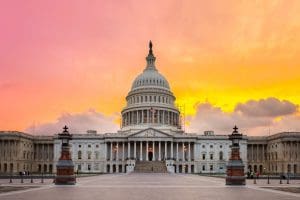
What do election results mean for the future of the federal tax code? What role will tax policy play in curbing the economic effects of the COVID-19 pandemic? How should policymakers address the federal deficit and could a carbon tax be part of that solution? How much of President-elect Joe Biden’s pre-election tax plan will actually come to pass?

They may not draw as much attention as elections for office, but Election Day 2020 will also feature a number of important votes on tax-related ballot initiatives in states around the country. What are the ballot measures taxpayers should be paying attention to this year and what could they mean for the future of state tax policy? Tax Foundation Vice President of State Projects Jared Walczak and Senior Policy Analyst Katherine Loughead break down measures ranging from recreational marijuana legalization in New Jersey and Montana to income tax increases in Illinois and Arizona.

What can the U.S. do to raise the revenue needed for infrastructure upkeep and accurately internalize the costs associated with road usage?
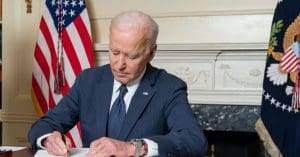
Depending on the outcome of the 2020 presidential election, we could be looking at a very different tax code in the years to come. What tax changes has former Vice President Joe Biden proposed and what would they mean for U.S. taxpayers, businesses, and the overall economy?